

Thinking about moving your oven to a different spot in your kitchen? You’re not alone.
Whether you want to create more space, improve your kitchen flow, or just try a new layout, moving an oven can feel tricky. But can you really move an oven safely and easily? You’ll discover everything you need to know—from simple steps to important safety tips—so you can decide if this kitchen change is right for you.
Keep reading to unlock the secrets that will make your kitchen upgrade smooth and stress-free.
Types Of Ovens And Their Placement
Choosing the right oven and deciding where to place it in your kitchen can change how you cook and use your space. Different oven types come with unique features that affect how easily they can be moved or installed. Understanding these differences helps you plan your kitchen layout better and avoid costly mistakes.
Built-in Vs Freestanding Ovens
Built-in ovens are designed to fit seamlessly into your kitchen cabinetry. They offer a sleek, integrated look and free up floor space. However, moving a built-in oven usually means dealing with electrical and ventilation hookups, which can be tricky and often requires professional help.
Freestanding ovens, on the other hand, come with their own sides and a back panel, making them easier to move around. You can place them anywhere there’s a suitable power source. This flexibility makes freestanding ovens a popular choice for renters or those who like to rearrange their kitchen often.
Wall Ovens And Their Flexibility
Wall ovens are mounted at eye level, which improves accessibility and ergonomics. They can be installed individually or stacked, offering versatile kitchen designs. Since they’re built into the wall, relocating them means cutting into walls and rewiring, so think carefully about placement before installation.
Wall ovens let you separate the cooking and stovetop areas, which can optimize your kitchen workflow. But keep in mind, moving them is not a simple task and usually requires a contractor’s expertise.
Range Ovens And Mobility Challenges
Range ovens combine an oven and cooktop in one unit, often freestanding. While they look great and are convenient, their size and weight make moving them difficult. Plus, they need a proper gas or electric connection, limiting where you can place them without major adjustments.
If you’re planning to move a range oven, ask yourself: Is your kitchen layout flexible enough to handle the plumbing or wiring changes? Sometimes, the cost and effort to relocate a range oven outweigh the benefits.

Credit: www.reddit.com
Assessing Your Kitchen Layout
Assessing your kitchen layout is the first step before moving an oven. This helps avoid problems and ensures the oven fits well. A good plan saves time and money.
Measuring Space And Clearance
Measure the space where the oven will go. Check width, height, and depth carefully. Leave extra room for ventilation and door opening. Make sure the oven will not block walkways or cabinets.
Checking Electrical And Gas Connections
Locate electrical outlets or gas lines near the new oven spot. Confirm the power matches the oven’s needs. Gas ovens need proper piping and shut-off valves. Safety is very important for these connections.
Ventilation Requirements
Ovens produce heat and fumes that need to escape. Check if your kitchen has vents or exhaust fans near the oven. The new location must allow good airflow. This keeps your kitchen safe and comfortable.
Safety Considerations When Moving Ovens
Moving an oven requires careful attention to safety. It involves dealing with heavy appliances, power sources, and tight spaces. Ignoring safety can lead to injuries or damage. Consider these important safety tips before starting the move.
Turning Off Power And Gas Supply
Ensure safety by cutting power and gas supply first. Unplug the oven from the electrical socket. For gas ovens, locate the gas valve and turn it off securely. Safety comes first to prevent accidents.
Handling Heavy Appliances Safely
Ovens are heavy and awkward to move. Use a dolly or cart to avoid injury. Lift with your legs, not your back, if you must lift manually. Ask for help to prevent accidents and ensure safe movement.
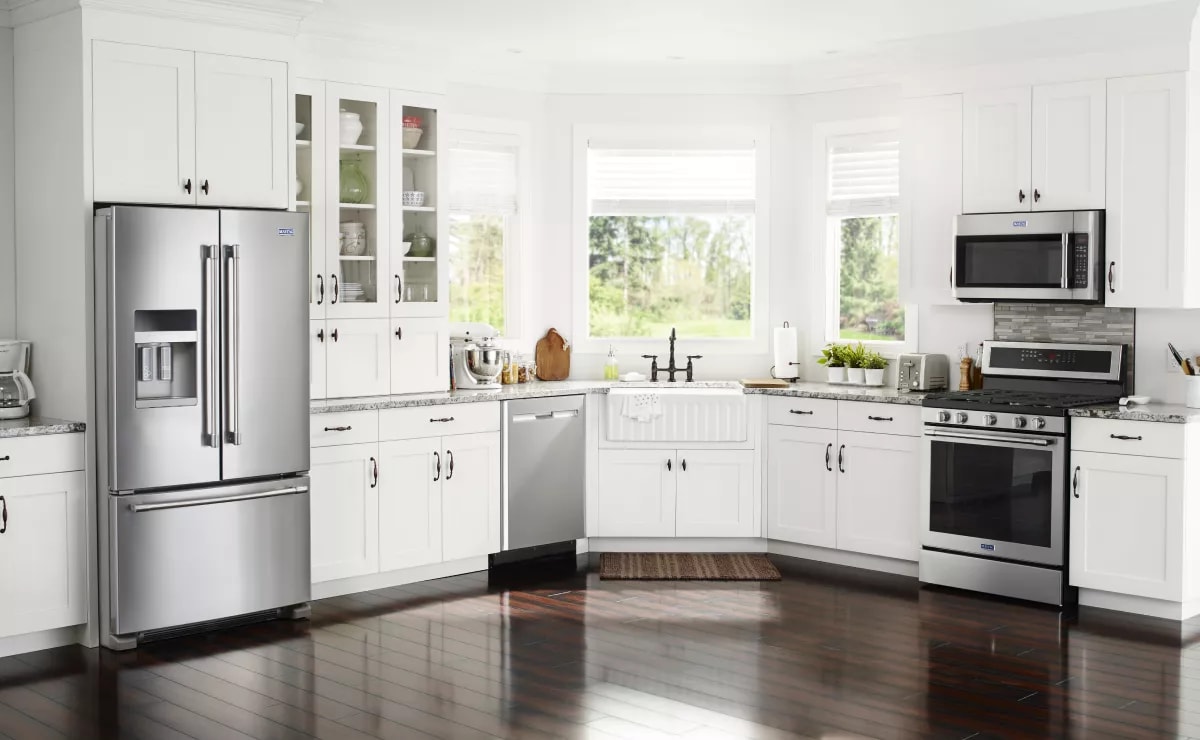
Avoiding Damage To Flooring And Cabinets
Protect your floors and cabinets during the move. Place cardboard or plywood on the floor to prevent scratches. Move slowly and carefully to avoid hitting cabinets. Keep these areas damage-free for peace of mind.
Credit: www.maytag.com
Steps To Move Your Oven Successfully
Moving an oven requires careful planning and precise actions. Following the right steps ensures safety and protects your appliance. Prepare to disconnect, remove, and reinstall the oven properly to avoid damage or hazards.
Disconnecting Utilities
First, turn off the power supply to the oven at the circuit breaker. For gas ovens, shut off the gas valve to stop the flow. Unplug the oven from the electrical outlet if it uses a plug. Use a wrench to carefully detach the gas line if applicable. Always check for leaks after disconnecting gas lines.
Removing The Oven From Its Current Spot
Clear the surrounding area to have enough space for movement. Remove any screws or brackets holding the oven in place. Gently pull the oven out, avoiding damage to walls or cabinets. Ask for help with heavy or built-in ovens to prevent injury. Keep the oven level to avoid internal damage during removal.
Reinstalling In The New Location
Position the oven near its new spot before moving it fully. Connect the gas line or plug in the electrical cord carefully. Secure the oven with screws or brackets to keep it stable. Turn on the power or gas supply and test the oven. Check for proper operation and any gas leaks to ensure safety.
Common Challenges And Solutions
Moving an oven in your kitchen can bring unexpected challenges that might slow down your project or increase costs. Understanding these common obstacles ahead of time helps you prepare practical solutions. Let’s look at some frequent issues and how you can tackle them effectively.
Dealing With Incompatible Connections
Ovens often require specific electrical or gas connections that might not be available in the new location. You might find the existing wiring or gas lines too short or not up to code. Before moving, check if the new spot has the proper power supply or gas hookup.
If connections don’t match, you’ll need to extend wiring or pipes safely. This isn’t just about making things fit—it’s about keeping your kitchen safe and functional. Sometimes, upgrading your circuit breaker or installing a new gas valve is necessary, which is best handled by a licensed professional.
Adjusting Cabinets And Countertops
The oven’s size and shape might not fit perfectly into the new space without some cabinet or countertop changes. You could face gaps, awkward angles, or uneven surfaces that affect the oven’s stability and appearance. Measuring twice before moving can save you from costly adjustments later.
Small modifications like trimming cabinet edges or adding filler panels can make a big difference. If your countertop is granite or another heavy material, consider whether it needs cutting or reinforcement. These tweaks help ensure your oven fits seamlessly and looks like it was always meant to be there.
Hiring Professionals When Needed
Some parts of moving an oven are best left to experts. Electrical work, gas line adjustments, and heavy appliance moving carry risks that can lead to injury or damage. If you feel unsure about any step, hiring a professional can save you time, money, and stress.
Professionals bring experience and tools that make the job smoother. You might think DIY saves money, but mistakes can be costly. Ask yourself: is the risk worth it, or is peace of mind more valuable?
Maintaining Oven Functionality Post-move
Moving an oven in your kitchen requires more than just physical relocation. Ensuring the oven works properly after the move is crucial. Checking its connections and settings helps avoid safety risks and poor cooking results. Proper care maintains the oven's performance and extends its lifespan.
Testing Electrical And Gas Lines
Verify the electrical connection is secure and meets power needs. For gas ovens, inspect gas lines for leaks or damage. Use a gas detector or soapy water to check for leaks. Turn on the oven briefly to confirm it heats up correctly. If unsure, call a professional technician for safety checks.
Calibrating Oven Settings
Oven temperature may shift during a move. Test the oven's temperature accuracy with an oven thermometer. Adjust the thermostat if the oven runs too hot or cold. Follow the manufacturer's instructions for calibration. Accurate temperature ensures food cooks evenly and safely.
Regular Maintenance Tips
- Clean the oven interior regularly to prevent buildup.
- Check door seals for cracks or gaps.
- Inspect heating elements for signs of wear.
- Replace filters or parts as recommended by the manufacturer.
- Schedule annual professional inspections for gas and electrical ovens.

Credit: www.reddit.com
Frequently Asked Questions
Can I Move My Oven Without Professional Help?
Yes, you can move an oven yourself if it’s unplugged and cool. However, for gas ovens or built-ins, professional help is safer to avoid damage or leaks.
What Tools Do I Need To Move An Oven Safely?
You’ll need gloves, a dolly, screwdrivers, and possibly a wrench. These tools help disconnect, lift, and transport the oven without injury or damage.
How Do I Disconnect A Gas Oven Before Moving It?
Turn off the gas supply and unplug the oven. Use a wrench to disconnect the gas line carefully and check for leaks after reconnecting.
Can Moving An Oven Damage Kitchen Cabinets?
Yes, improper moving can scratch or break cabinets. Always clear the area and protect surfaces with padding before moving the oven.
Conclusion
Moving an oven in your kitchen takes careful planning. You need to check the power and gas connections first. Measure the space to make sure the oven fits well. Think about safety to avoid accidents or damage. Sometimes, calling a professional helps to do the job right.
A well-placed oven can improve your kitchen’s look and function. Take your time and plan each step clearly. This way, you get the best result without stress.