
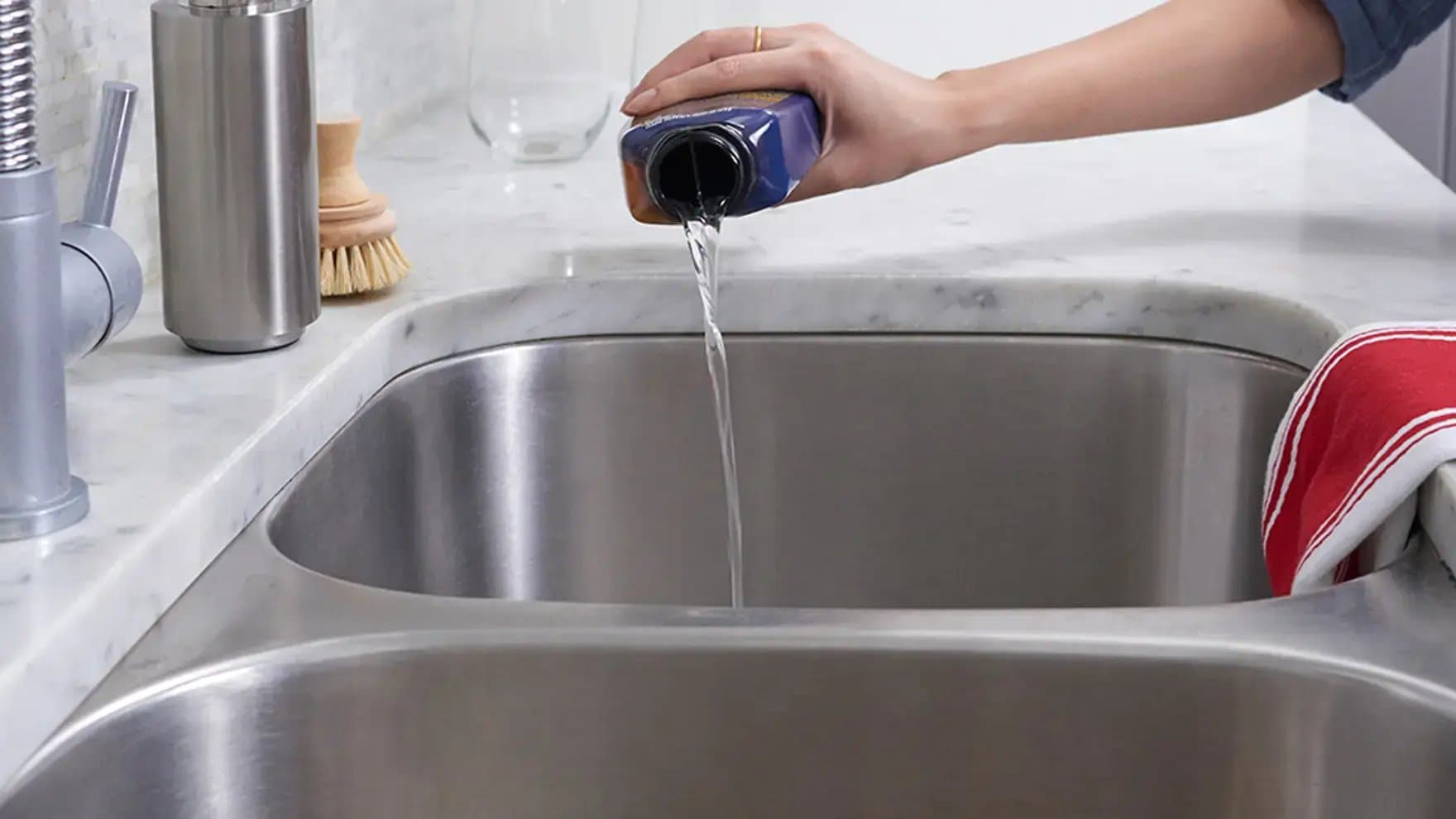
Have you ever faced a clogged kitchen sink with a garbage disposal and wondered if plunging it is safe or even possible? You’re not alone.
When water starts pooling and your sink won’t drain, the first instinct is to grab a plunger. But is that the right move for your garbage disposal setup? This question can save you from costly damage or frustration. You’ll discover exactly how to plunge your kitchen sink with a garbage disposal the right way—and when you should avoid it altogether.
Keep reading to protect your sink and get your kitchen back to working smoothly.

Credit: www.youtube.com
When To Plunge A Kitchen Sink
Knowing when to plunge your kitchen sink is key to avoiding bigger plumbing headaches. Not every clog needs a plunge, but recognizing the right time can save you from costly repairs and messy backups. Let’s look at what usually causes sink clogs and the signs that tell you it’s time to grab that plunger.
Common Causes Of Sink Clogs
Clogs often happen because of what goes down the drain. Grease and food scraps are top culprits—they stick to pipes and build up over time. Coffee grounds, eggshells, and fibrous vegetables can also cause blockages that slow drainage.
Sometimes, small objects accidentally slip into the sink, like jewelry or pieces of plastic, which can trap debris around them. Soap scum and mineral deposits from hard water create a sticky layer inside pipes, making it easier for clogs to form. Understanding these causes helps you prevent future problems by changing habits.
Signs You Need To Plunge
Is your sink draining slower than usual? That’s often the first sign of a clog needing attention. Water pooling in the basin or gurgling noises from the drain also signal trouble below.
If you notice water backing up into the dishwasher or another sink connected to the same drain, it’s time to act fast. Ignoring these signs can lead to complete blockage or even leaks. Have you ever waited too long and ended up with water everywhere? Don’t let that happen again—plunge at the first warning.
Preparing Your Garbage Disposal
Plunging a kitchen sink with a garbage disposal requires caution to avoid damage. Always turn off and unplug the disposal before plunging. Use a plunger gently to clear clogs without harming the unit.
Preparing your garbage disposal is essential before plunging your kitchen sink. This step ensures a safe and effective process. Let's dive into the key actions to prepare your garbage disposal correctly.
Turning Off The Power
Always turn off the power to the disposal unit. This prevents accidental activation. Locate the disposal's power switch under the sink. Switch it off. If unsure, unplug the unit. Safety first.
Clearing Visible Debris
Remove any visible debris from the sink. Check for large food particles or foreign objects. Use tongs or gloves to pick them out. Avoid using your hands directly. This step ensures a clear path for plunging.
Choosing The Right Plunger
Choosing the right plunger is crucial when dealing with a clogged kitchen sink that has a garbage disposal. Using the wrong type can make the problem worse or even damage your disposal unit. Understanding the differences between plungers and knowing which tools to avoid can save you time and frustration.
Standard Vs. Flange Plungers
Standard plungers have a simple cup shape designed mainly for flat surfaces like sinks and bathtubs. They work well for general clogs but might not seal properly around a kitchen sink drain, especially one with a garbage disposal.
Flange plungers come with an extra rubber flap that extends from the cup. This flap fits snugly into the curved drain opening, creating a better seal and stronger suction. If your kitchen sink has a garbage disposal, a flange plunger is usually the better choice because it can create the pressure needed without letting air escape.
Think about your last clog—did you struggle to get a good seal with your plunger? Switching to a flange plunger might make the process much easier and more effective.
Tools To Avoid
Avoid using a toilet plunger or any plunger with a very large cup size. These are designed for different plumbing shapes and may not fit your kitchen sink drain properly. Using them can push debris deeper or cause leaks around the sink.
Also, steer clear of chemical drain cleaners when you have a garbage disposal. These chemicals can damage the disposal’s internal components and don’t always fix the clog. Instead, rely on mechanical tools like the right plunger or a drain snake for safer, more effective results.
Have you ever grabbed whatever plunger was handy and regretted it? Choosing the right tool can make a big difference in how quickly you fix your clog—and keep your disposal safe.
Step-by-step Plunging Process
Plunging a kitchen sink with a garbage disposal needs care and the right steps. This process can clear clogs without damaging the disposal unit. Follow the steps to plunge effectively and safely.
Sealing The Drain
Start by blocking the other sink drain if you have a double sink. Use a wet cloth or a sink stopper to seal it tightly. This helps create pressure. Remove any sink stopper from the disposal drain. Ensure there is enough water in the sink to cover the plunger cup.
Proper Plunging Technique
Place the plunger over the disposal drain firmly. Push down slowly to push air out. Then pull up sharply without breaking the seal. Repeat this action in a steady rhythm. Do about 15 to 20 plunges. Avoid lifting the plunger completely off the drain to keep the seal intact.
What To Do After Plunging
Lift the plunger carefully to check if the water drains. Run cold water down the drain for a minute. Turn on the garbage disposal to clear any loosened debris. If the water drains slowly, repeat the plunging process. Do not use harsh chemicals as they may damage the disposal.
Preventing Future Clogs
Preventing future clogs in a kitchen sink with a garbage disposal helps avoid costly repairs. Simple habits keep the disposal running smoothly. Proper care reduces the chance of blockages and unpleasant smells. Small actions daily protect your plumbing system and save time.
Garbage Disposal Best Practices
- Run cold water before, during, and after use to flush debris.
- Only put soft food scraps down the disposal, avoiding fibrous or hard items.
- Cut large food pieces into small bits before disposal.
- Avoid grease, oil, and fat, which can solidify and clog pipes.
- Do not put coffee grounds or eggshells in the disposal.
- Run the disposal regularly to prevent rust and corrosion.
Regular Maintenance Tips
- Clean the disposal with a mixture of baking soda and vinegar monthly.
- Use ice cubes and rock salt to sharpen blades and remove buildup.
- Check for leaks or loose parts frequently.
- Use a disposal brush or a long-handled brush for cleaning hard-to-reach spots.
- Flush with hot water weekly to dissolve grease.
- Have a plumber inspect the system yearly for any hidden issues.

Credit: kitchencrust.com
When To Call A Professional
Knowing when to call a professional plumber can save time and prevent damage to your kitchen sink and garbage disposal. Some blockages need expert tools and skills beyond a simple plunge. Ignoring serious signs can lead to costly repairs and extended inconvenience.
Signs Of Serious Blockages
- Water drains very slowly or not at all
- Strong foul odors come from the drain
- Sink gurgles or bubbles during use
- Plunger efforts fail to clear the clog
- Garbage disposal makes unusual noises or jams
- Multiple drains in the house back up simultaneously
These symptoms often mean the clog is deep or severe. A professional can diagnose and fix these issues safely.
Avoiding Diy Mistakes
- Do not use excessive force with a plunger
- Avoid harsh chemicals that can damage pipes
- Do not try to disassemble the garbage disposal without knowledge
- Never ignore electrical safety around the disposal unit
- Do not use metal objects to remove clogs
Calling a professional reduces risks of injury and further damage. Experts use proper tools and techniques to solve the problem quickly.

Credit: www.benjaminfranklinplumbingtyler.com
Frequently Asked Questions
Can You Plunge A Kitchen Sink With A Garbage Disposal?
Yes, you can plunge a kitchen sink with a garbage disposal. Use a sink plunger and cover the other drain. Avoid using excessive force to prevent damage to the disposal unit. Plunging helps clear clogs in the drainpipe effectively.
Should I Turn Off The Garbage Disposal Before Plunging?
Always turn off and unplug the garbage disposal before plunging. This prevents accidental injury and damage to the disposal blades. Safety first ensures that plunging is effective and risk-free.
What Type Of Plunger Works Best For Sinks With Disposal?
A cup plunger, designed for sinks, works best with garbage disposal units. Avoid flange plungers meant for toilets. The cup plunger creates a better seal and pressure to clear clogs efficiently.
Can Plunging Damage The Garbage Disposal Unit?
Proper plunging usually does not damage the garbage disposal. Use gentle, controlled pressure to avoid harming internal components. Excessive force or improper technique may cause damage, so proceed carefully.
Conclusion
Plunging a kitchen sink with a garbage disposal is possible. Use the right plunger and seal the drain well. Avoid pushing too hard to protect the disposal parts. Regular cleaning helps prevent clogs and keeps the sink working. Small care steps save money and time later.
Remember to turn off the disposal before plunging. Knowing these tips makes fixing a slow sink easier. Keep your kitchen running smoothly with simple actions.