
Have you ever wondered if it’s safe or even useful to put a carbon monoxide detector in your kitchen? Since the kitchen is where many gas appliances run, it might seem like the perfect spot.
But before you rush to install one there, you need to know some important facts that could keep you and your family safe. You’ll discover exactly where to place your carbon monoxide detector for the best protection—and why the kitchen might not be the ideal choice.
Keep reading to learn what experts say and how you can make your home safer starting today.

Credit: www.amazon.com
Carbon Monoxide Risks In The Kitchen
Carbon monoxide (CO) is a silent threat that can lurk in your kitchen without you even noticing. Understanding the risks of carbon monoxide in this space is crucial for your safety. Let’s look closely at where it comes from and what it can do to your health.
Sources Of Carbon Monoxide
In kitchens, carbon monoxide mainly comes from fuel-burning appliances. Gas stoves, ovens, and even some older water heaters can produce CO if they aren’t properly ventilated.
Blocked vents or malfunctioning equipment increase the risk. Even a small leak can fill your kitchen with dangerous CO levels quickly. Have you ever noticed a yellow flame on your gas stove? That can be a sign of incomplete combustion, which produces CO.
Health Effects Of Exposure
Carbon monoxide is colorless and odorless, which makes it hard to detect. When you breathe it in, it stops your blood from carrying oxygen to your organs.
Early symptoms include headaches, dizziness, and nausea—signs often mistaken for the flu. Prolonged exposure can cause confusion, loss of consciousness, or even death. Have you ever felt unusually tired or dizzy while cooking? It might be more than just fatigue.
Protect yourself by ensuring your kitchen appliances are regularly checked and ventilated. Installing a carbon monoxide detector can alert you before CO levels become dangerous.
Placement Guidelines For Detectors
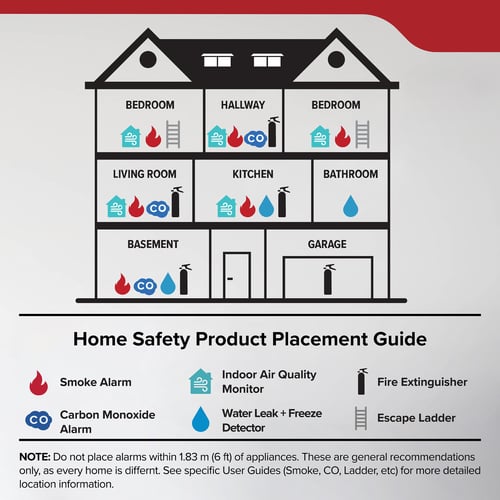
Knowing where to place your carbon monoxide (CO) detector is just as important as having one. Proper placement ensures the device can quickly sense dangerous levels of carbon monoxide before it affects your health. Let’s break down the best spots around your home and why the kitchen needs extra attention.
Ideal Locations In The Home
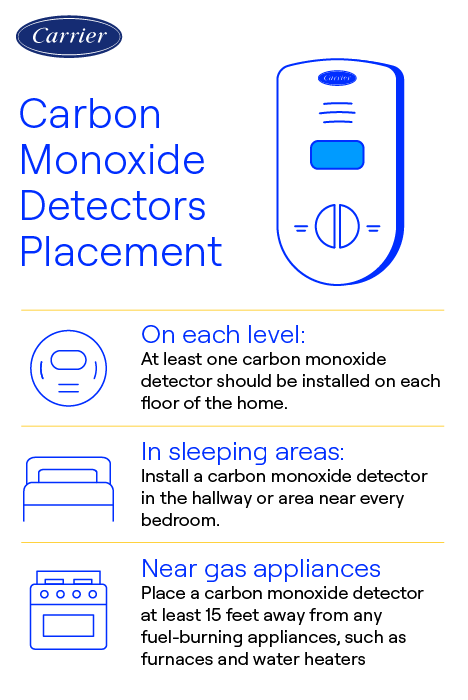
CO detectors should be placed near sleeping areas to wake you up if levels rise at night. Installing one on every floor of your home adds an extra layer of safety. Hallways or living rooms are good choices because they connect different rooms and allow the detector to monitor a larger space.
Keep detectors away from vents, fans, or areas with strong airflow to avoid false alarms or missed detection. Mount them on the wall about 5 feet above the floor, or on the ceiling, since carbon monoxide mixes evenly with air but tends to be slightly heavier than air.
Why The Kitchen Needs Careful Consideration
The kitchen is a common source of carbon monoxide, especially if you use gas stoves or ovens. However, placing a CO detector too close to these appliances can cause frequent false alarms due to small, harmless emissions.
Think about how your detector reacted the last time you cooked a meal. Did it beep unexpectedly? That’s a sign the placement might need adjusting. You want the detector close enough to sense real danger but far enough to avoid nuisance alerts.
A good rule is to place the detector at least 15 feet away from cooking appliances. This distance helps balance early warning with reducing false alarms. Also, avoid placing detectors inside the kitchen itself; instead, position them in adjacent rooms or hallways leading out of the kitchen.
Challenges Of Kitchen Installation
Placing a carbon monoxide detector in the kitchen can be tricky due to cooking fumes. Detectors may give false alarms if too close to appliances. Choosing the right spot ensures safety without constant false warnings.
Installing a carbon monoxide detector in your kitchen can be a tricky decision. While it seems like a logical place to have one, given the presence of gas appliances, there are several challenges you might encounter. Understanding these can help you make an informed decision that ensures your safety without unnecessary interruptions.
False Alarms And Cooking Fumes
One of the primary challenges in placing a carbon monoxide detector in the kitchen is the risk of false alarms. Cooking fumes, especially from gas stoves, can trigger these alarms unexpectedly. Imagine preparing a family dinner, and suddenly, your detector blares loudly, interrupting the moment. These false alarms can be frustrating and may cause you to ignore the detector, even when it signals a real danger. This complacency could be risky. Consider positioning your detector at least 15 feet away from cooking appliances to minimize these false alerts.
Detector Sensitivity Issues
Detectors are designed to be sensitive to even small changes in carbon monoxide levels. In a kitchen, this sensitivity can become a double-edged sword. While it's crucial for detecting harmful gases, it can also mean frequent false alarms due to minor, harmless emissions. To tackle this, you should regularly maintain and test your detector. Check the manufacturer’s instructions for proper placement and ensure that it's calibrated correctly. This can help balance sensitivity with accuracy, reducing unnecessary disruptions. Have you experienced these challenges with your kitchen carbon monoxide detector? Share your thoughts or solutions in the comments below!

Credit: www.amazon.com
Best Practices For Detector Use
Proper use of carbon monoxide detectors in the kitchen ensures safety and early detection. Correct placement and installation height help the detector work efficiently. This section explains the best practices for installing your carbon monoxide detector.
Recommended Distance From Appliances
Place the detector at least 10 to 15 feet away from cooking appliances. Avoid installing it right above the stove or near vents. This prevents false alarms caused by normal cooking fumes. Keep the detector near areas where gas appliances are present but not too close.
Proper Height For Installation
Install the detector on the wall about 5 feet above the floor or on the ceiling. Carbon monoxide mixes well with air, so either height works if guidelines are followed. Avoid placing it too low near the floor or too high near the ceiling corners. This ensures the detector senses carbon monoxide effectively.
Additional Kitchen Safety Tips
Keeping your kitchen safe goes beyond just placing a carbon monoxide detector. There are several simple yet effective steps you can take to ensure your cooking space stays healthy and secure. Let’s look at some practical ways to improve safety that you can start applying today.
Ventilation Strategies
Good airflow in the kitchen is key to reducing harmful fumes and preventing gas buildup. Always use your range hood or exhaust fan while cooking, especially when using gas stoves. If you don’t have one, opening a window can help fresh air circulate and push out smoke or carbon monoxide.
Have you noticed how quickly smoke clears when you crack open a window? That’s the power of ventilation working for you. Consider adding a small fan near the window to boost airflow if natural ventilation feels slow.
Regular Maintenance Checks
Keeping your kitchen appliances in top shape lowers the risk of dangerous leaks or malfunctions. Check gas lines, stove burners, and exhaust fans regularly for any signs of wear or damage. A simple monthly inspection can save you from costly and hazardous repairs later.
Don’t forget to test your carbon monoxide detector too. Batteries can die or sensors can fail over time. Make it a habit to check the detector along with your smoke alarm—your peace of mind is worth a few minutes of effort.
Credit: www.carrier.com
Choosing The Right Detector
Choosing the right carbon monoxide detector for your kitchen is crucial for safety and peace of mind. Not all detectors work the same way or fit well in every environment. Understanding the types and key features can help you pick a detector that truly protects your home.
Types Of Carbon Monoxide Detectors
There are several types of carbon monoxide detectors, each using different technology to sense dangerous gas levels.
- Electrochemical Sensors:These are the most accurate and reliable. They detect CO by measuring the chemical reaction that occurs when carbon monoxide is present.
- Metal Oxide Semiconductor Sensors:These use a sensor that changes resistance when exposed to CO. They are generally less expensive but may have shorter lifespans.
- Biomimetic Sensors:Mimicking human blood’s reaction to CO, these detectors change color as CO levels rise. They are less common but still effective.
Choosing between these types depends on your budget and how sensitive you want the detector to be. Have you checked the type of sensor your current detector uses? It might surprise you how much it matters.
Features To Look For
Beyond sensor type, some features can make a big difference in safety and convenience.
- Digital Display:Shows the current CO level, helping you understand when it’s safe or dangerous.
- Battery Backup:Ensures the detector works even during power outages—vital for kitchens where power can be inconsistent.
- End-of-Life Indicator:Alerts you when the detector needs replacing, preventing false security.
- Voice Alerts:Clear spoken warnings can be more noticeable than beeps, especially in noisy kitchens.
- Interconnectivity:Allows multiple detectors to link up, so if one detects CO, all alarms sound.
Imagine relying on a detector that just beeps faintly while you're cooking—the risk of missing the alert is real. Wouldn’t you want a loud, clear voice warning instead? Choosing features that fit your lifestyle can make a difference when seconds count.
Frequently Asked Questions
Can A Carbon Monoxide Detector Be Installed In The Kitchen?
Yes, you can install a carbon monoxide detector in the kitchen. It helps detect dangerous gas from gas stoves and appliances. However, place it away from cooking areas to avoid false alarms caused by steam or smoke.
Where Is The Best Place To Install A Co Detector?
Install CO detectors near sleeping areas and on every floor of your home. Avoid placing them too close to kitchens or bathrooms. Proper placement ensures early detection and safety from carbon monoxide poisoning.
How Often Should Carbon Monoxide Detectors Be Replaced?
Carbon monoxide detectors should be replaced every 5 to 7 years. Check the manufacturer’s instructions for specific lifespan details. Regular replacement ensures reliable detection and protects your home from CO hazards.
Can Cooking Cause False Alarms On Co Detectors?
Yes, cooking can sometimes cause false alarms on CO detectors. Steam, smoke, or burnt food may trigger the sensor. Position detectors away from direct cooking areas to reduce false alarms and maintain accurate monitoring.
Conclusion
Placing a carbon monoxide detector in the kitchen can improve your home's safety. Kitchens often have gas appliances that may leak carbon monoxide. Detectors alert you to dangerous gas early. Install the detector at a proper height and away from direct cooking fumes.
Regularly test and replace the batteries. Stay aware and protect your family from hidden dangers. Simple steps like these keep your home safer every day.