
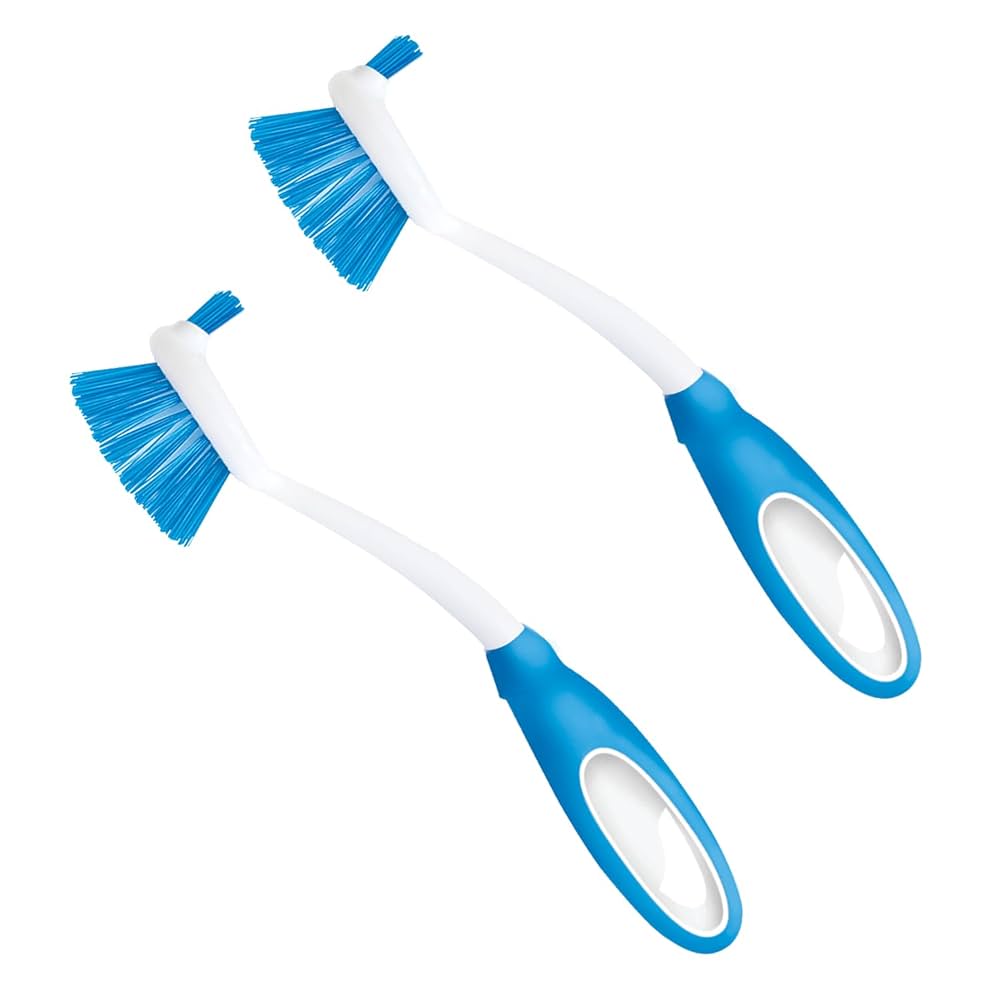
Wondering if you can put your kitchen brush in the dishwasher? It’s a question many people ask but don’t always get a clear answer to.
You want your brush to be clean and ready to tackle those tough food scraps, but you also want to keep it in good shape for as long as possible. You’ll discover the truth about dishwasher safety for kitchen brushes and learn simple tips to keep your cleaning tools fresh and effective.
Keep reading—you’ll never look at your kitchen brush the same way again!

Credit: sqwishful.com
Dishwasher Safety For Kitchen Brushes
Keeping your kitchen brush clean is important for hygiene. Dishwashers can be handy for this task. Yet, not all kitchen brushes are dishwasher safe. Understanding dishwasher safety helps protect your brush and your dishwasher.
Material Matters
Brushes come in different materials like wood, plastic, or silicone. Wooden brushes usually do not do well in dishwashers. The heat and water can crack or warp the wood. Plastic and silicone brushes handle dishwasher heat better. They are less likely to break or lose shape.
Handle And Bristle Types
Check the handle type before placing a brush in the dishwasher. Wooden or painted handles may peel or weaken. Bristles made from natural fibers can get damaged or softened. Synthetic bristles often dry faster and stay firm. This makes synthetic brushes a safer choice for dishwashers.
Manufacturer Guidelines
Always read the instructions from the brush maker. Some brushes clearly say if they are dishwasher safe. Following these rules helps keep the brush in good shape. It also stops damage to your dishwasher. When in doubt, hand washing is the safest option.

Credit: www.target.com
Preparing Brushes For Dishwasher
Before tossing your kitchen brush into the dishwasher, a little prep work can make a big difference. Properly preparing your brushes helps keep them in good shape and ensures your dishwasher does its job well. Let’s look at some simple steps to get your brushes ready for a thorough and safe wash.
Removing Food Residue
Start by rinsing off any visible food particles from the bristles. You don’t want chunks of food clogging your dishwasher or sticking to other dishes. Using warm water and a bit of soap can help loosen stubborn bits.
If your brush has thick or stuck-on grime, a quick scrub with your fingers or another brush can make all the difference. Getting rid of residue upfront means your dishwasher can focus on deep cleaning rather than battling leftover mess.
Securing Loose Bristles
Check your brush for any loose or damaged bristles before placing it in the dishwasher. Loose bristles can come off during the wash cycle and cause blockages or damage. If you spot any, gently remove the loose bristles or consider replacing the brush.
Sometimes, a quick twist or bend can help tighten bristles that feel loose. Keeping your brush intact means it lasts longer and cleans better next time you use it.
Positioning In Dishwasher
How you place your brush in the dishwasher affects how clean it gets and how well your dishwasher runs. Place the brush with the bristles facing down or at an angle so water can flow through them easily. Avoid tucking it away in crowded spots where water spray might not reach.
Try to keep brushes separate from delicate items to prevent damage. If your dishwasher has a utensil holder or a top rack designed for small tools, those are great places for your kitchen brush.
Pros And Cons Of Dishwasher Cleaning
Cleaning a kitchen brush in the dishwasher has both advantages and disadvantages. Understanding these helps decide if this method suits your needs. Some brushes handle dishwasher cycles well, while others might not last long. Hygiene and brush material play key roles in this choice.
Benefits Of Dishwashing
- Saves time and effort compared to hand washing.
- High water temperature kills many germs effectively.
- Convenient for thorough cleaning of hard-to-reach bristles.
- Brushes dry quickly inside the dishwasher.
- Reduces direct contact with dirty brushes.
Potential Damage Risks
- Harsh dishwasher detergent may wear out bristles.
- Heat can deform plastic handles or loosen glue.
- Repeated cycles may shorten brush lifespan.
- Some brushes are not dishwasher safe, causing damage.
- Metal parts may rust over time.
Hygiene Considerations
- Dishwasher heat helps remove bacteria effectively.
- Dirty brushes placed with dishes can spread germs.
- Brushes must be rinsed before dishwasher cleaning.
- Regular cleaning prevents buildup of food particles.
- Drying inside the dishwasher reduces mold risk.

Credit: sqwishful.com
Alternative Cleaning Methods
Many people often wonder if they can safely toss their kitchen brush into the dishwasher for a quick clean. While dishwashers are convenient, there are several alternative cleaning methods you can consider to ensure your kitchen brush remains in top condition. Let's explore some practical and effective techniques to keep your brush spotless and hygienic.
Hand Washing Techniques
Hand washing is a straightforward way to clean your kitchen brush. Start by filling your sink with warm, soapy water. Use a mild dish soap and gently scrub the bristles with your fingers. Pay special attention to areas where grime tends to accumulate.
Rinse the brush thoroughly under running water to remove any soap residue. Shake off excess water and allow the brush to air dry with the bristles facing down. This prevents water from collecting at the base, which can lead to mold growth.
Soaking Solutions
Soaking your kitchen brush can help break down stubborn food particles. Create a mixture of equal parts white vinegar and warm water. Submerge the brush bristles in the solution for about 15-20 minutes.
The acidic nature of vinegar helps dissolve residue and neutralize odors. After soaking, rinse the brush under warm water and let it dry as described in the hand washing section. You might be surprised at how fresh your brush smells afterward!
Sanitizing Tips
Regular sanitizing is crucial to ensure your kitchen brush remains germ-free. Once a week, consider soaking the brush in a solution of one tablespoon of bleach mixed with a gallon of water. This powerful solution effectively kills bacteria and germs.
Be sure to rinse the brush thoroughly after sanitizing to remove any bleach residue. It's a small step that makes a big difference in maintaining a healthy kitchen environment. Have you ever noticed how a simple cleaning routine can boost your kitchen confidence?
Extending The Life Of Kitchen Brushes
Kitchen brushes are essential tools for keeping your cooking space clean. Taking care of them properly helps save money and keeps them effective. Simple habits can extend the life of your kitchen brushes. Clean brushes work better and stay hygienic longer.
Regular Maintenance
Rinse your kitchen brush thoroughly after each use. Remove any stuck food particles or grease. Use warm water and mild soap to wash the bristles. Avoid harsh chemicals that can damage the bristles. Clean the handle to prevent grime buildup. Regular cleaning stops bacteria growth and odors.
Proper Drying
Shake off extra water after rinsing. Let the brush air dry completely before storing. Avoid leaving brushes in damp places or inside the sink. Moisture can cause mold and weaken the bristles. Place the brush upright or hang it to dry faster. Dry brushes last longer and stay fresh.
Storage Advice
Store your kitchen brushes in a clean, dry area. Keep them separate from other dirty utensils. Use a container or holder that allows air circulation. Avoid closed containers that trap moisture. Replace brushes once bristles become worn or misshaped. Proper storage keeps brushes ready for use and prevents contamination.
Frequently Asked Questions
Can All Kitchen Brushes Go In The Dishwasher?
Not all kitchen brushes are dishwasher-safe. Check the handle and bristle material. Plastic and silicone brushes usually are safe. Wooden-handled brushes should be hand-washed to prevent damage and warping.
How Do I Clean A Kitchen Brush In The Dishwasher?
Place the brush on the top rack of the dishwasher. Use a regular wash cycle with hot water. Avoid placing brushes near sharp utensils to prevent bristle damage.
Will Dishwasher Heat Damage My Kitchen Brush?
High dishwasher heat can weaken some brush materials. Plastic and silicone usually withstand dishwasher heat. Wooden handles may crack or warp from heat exposure.
How Often Should I Clean Kitchen Brushes In Dishwasher?
Clean kitchen brushes in the dishwasher weekly for hygiene. Frequent cleaning prevents bacteria and food residue buildup. Hand-wash brushes between dishwasher cycles if heavily soiled.
Conclusion
Kitchen brushes can usually go in the dishwasher safely. Check the brush label first to be sure. Use the top rack to protect the bristles. Avoid high heat cycles that may damage plastic parts. Clean your brush regularly to keep it fresh and ready.
This simple step helps stop germs from building up. Taking care of your kitchen tools makes cooking easier. Keep your brush clean for better hygiene every time.