
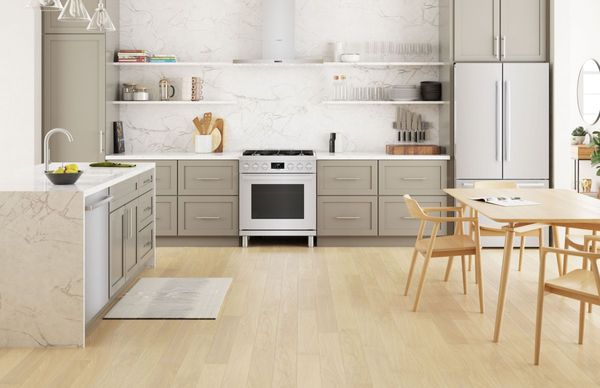
Are you dreaming of a kitchen that’s both stylish and super functional? Imagine having your wall oven right in the kitchen island, making cooking easier and your space more open.
But can you really put a wall oven in a kitchen island? If you’ve been wondering about this idea, you’re not alone. This setup can change the way you cook and entertain, but it comes with important things to consider.
Keep reading to discover how to make it work perfectly for your kitchen and avoid common pitfalls. Your dream kitchen might be closer than you think!
Credit: www.homesandgardens.com
Benefits Of Wall Ovens In Kitchen Islands
Adding a wall oven to your kitchen island can transform the way you use your cooking space. It offers distinct advantages that go beyond just a sleek look. Here’s why many homeowners find this setup beneficial for both daily cooking and entertaining.
Space Optimization
Placing a wall oven in your kitchen island frees up valuable wall space for cabinets or other appliances. This is especially useful in smaller kitchens where every inch counts. You can also create a more open flow by moving bulky ovens away from traditional spots, making room for extra storage or prep areas.
Imagine having your oven right where you prep your ingredients. It cuts down on unnecessary walking and keeps everything within reach. This setup can help you organize your kitchen better and use your space more efficiently.
Ergonomic Advantages
Wall ovens in kitchen islands are usually installed at waist or eye level, which means you don’t have to bend down to check on your food. This reduces strain on your back and knees, making cooking more comfortable, especially if you spend a lot of time baking or roasting.
Think about pulling out a hot tray without awkward movements or risking spills. This design makes handling heavy dishes safer. Wouldn’t you agree that a kitchen designed around your comfort makes cooking more enjoyable?
Aesthetic Appeal
Integrating a wall oven into your island creates a modern, streamlined look. It breaks the monotony of traditional kitchen layouts and adds a focal point that impresses guests. You can pair it with stylish cabinetry and lighting to enhance the overall design.
Plus, it allows you to customize your kitchen’s look more freely. You’re no longer tied to placing the oven against a wall, giving your island a unique and personalized touch. How much would a fresh, updated kitchen inspire you to cook more?
Types Of Wall Ovens Suitable For Islands
Choosing the right type of wall oven for your kitchen island is crucial for both functionality and style. Not every wall oven fits well into an island setup, so understanding the options can help you make a smart choice. Let’s look at different types of wall ovens that work best when installed in kitchen islands.
Single Vs Double Ovens
Single wall ovens take up less space and are perfect if you have a smaller kitchen island or cook for fewer people. They offer simplicity and usually come at a lower price point. Double ovens, on the other hand, provide more cooking capacity and flexibility—ideal if you entertain often or prepare multiple dishes at once.
Think about your cooking habits. Do you often bake and roast simultaneously? If yes, a double oven might save you time and effort. But if space and budget are tight, a single oven can still deliver excellent results.
Electric Vs Gas Models
Electric wall ovens are popular for islands because they don’t require gas lines, making installation simpler and safer. They heat evenly and often come with advanced features like convection cooking and precise temperature control.
Gas ovens, while less common in islands due to ventilation needs, offer quicker heating and a different cooking experience. If you prefer gas, check if your island can accommodate proper gas hookups and ventilation before deciding.
Size And Dimensions
Kitchen islands vary widely in size, so measuring your space carefully is essential. Wall ovens typically come in widths of 24, 27, or 30 inches. Depth and height also matter to ensure the oven fits flush with your cabinetry and leaves enough room for ventilation.
Don't forget to consider how the oven door opens and if there’s enough clearance around the island for comfortable use. A poorly sized oven can ruin the flow of your kitchen, so take your time with these measurements.
Key Installation Considerations
Installing a wall oven in a kitchen island adds style and function. This design choice maximizes space and enhances the kitchen's flow. But there are key installation considerations to keep in mind. These factors ensure the oven's performance and your family's safety.
Structural Support Needs
The kitchen island must support the oven's weight. Check the island's base and reinforce if needed. Consider the oven's size and weight specifications. Consult a professional for structural advice. A strong foundation prevents future issues.
Ventilation Requirements
Proper ventilation is crucial for safety and performance. Ensure there's enough space for air circulation. Plan for exhaust vents or fans if needed. Ventilation prevents overheating and ensures efficient cooking. It also reduces odors and smoke in the kitchen.
Electrical And Plumbing Access
Wall ovens require specific electrical connections. Ensure the island has adequate access to power. Check the voltage and wiring requirements. If the oven includes steam features, plumbing access is necessary. Plan for water lines and drains if required.
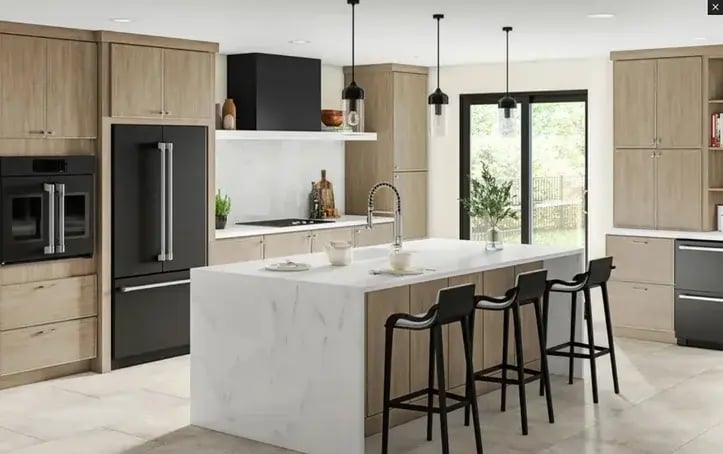
Credit: blog.kitchenmagic.com
Design Tips For Kitchen Island Ovens
Adding a wall oven to your kitchen island can transform your cooking space, making it both stylish and functional. To get the best results, you need to pay close attention to design details. Let’s look at some practical tips that can help you achieve a perfect setup for your kitchen island oven.
Placement And Height
Think about where you will use the oven most. Position it so you can easily access it while preparing meals without blocking walkways. The ideal height is usually at eye level or slightly below, making it comfortable to check on dishes without bending down.
Have you noticed how uncomfortable it feels to reach into an oven that’s too low or too high? Avoid that by measuring your own height and imagining how you’ll interact with the oven daily. This small step can make a big difference in your kitchen’s comfort.
Cabinetry Integration
Integrate the oven seamlessly into your island cabinetry to maintain a clean look. Choose cabinetry that supports the oven’s weight and matches the kitchen’s overall style. Consider custom panels that hide the oven’s edges for a flush and polished finish.
Don’t overlook storage options around the oven. Adding drawers or shelves nearby helps keep baking sheets, pans, and utensils within easy reach. This creates a more efficient cooking zone and reduces clutter on your countertops.
Safety Features
Safety should be a top priority when installing an oven in an island. Ensure there is enough clearance around the oven to prevent accidental burns or injuries. Adding heat-resistant materials around the oven area can protect your island surfaces.
Think about including child locks or control panel covers if you have young kids at home. Also, proper ventilation is key to avoid heat buildup in the island, which can affect both safety and oven performance. Have you checked your island’s airflow before installation?
Common Challenges And Solutions
Installing a wall oven in a kitchen island creates a sleek, modern look. It also brings unique challenges that need smart solutions. Understanding these common issues helps plan better and avoid costly mistakes.
Heat Management
Wall ovens generate a lot of heat during use. Heat can build up inside the kitchen island, affecting nearby cabinets and appliances. Proper ventilation is essential to keep heat away.
- Install vents or cooling fans around the oven space.
- Use heat-resistant materials for the island structure.
- Ensure there is enough clearance between the oven and island walls.
Good heat management improves oven performance and protects your kitchen.
Space Constraints
Kitchen islands often have limited space for large appliances. Fitting a wall oven requires careful measurement and planning. The oven size must match the available space without overcrowding.
- Measure the island depth and width accurately.
- Choose a compact or slim wall oven model if space is tight.
- Consider combining storage and appliance space efficiently.
Smart space use keeps the kitchen functional and comfortable.
Maintenance Accessibility
Ovens need regular cleaning and repairs. Installing one in an island can make access tricky. Design the island to allow easy reach to the oven’s back and sides.
- Include removable panels or doors for easy access.
- Leave enough clearance around the oven for service work.
- Plan wiring and plumbing to be accessible and organized.
Good accessibility saves time and avoids damage during maintenance.
Expert Recommendations
Installing a wall oven in a kitchen island can transform your cooking space, but it requires careful planning and expert advice to get it right. The right approach ensures safety, functionality, and style all come together seamlessly. Here are some expert recommendations to help you make smart choices throughout the process.
Hiring Professionals
You might feel tempted to tackle the installation yourself, but a kitchen island wall oven involves complex wiring and ventilation. Hiring certified electricians and experienced installers can save you from costly mistakes and safety hazards. Professionals understand local building codes and can navigate challenges like ensuring proper airflow and heat management.
Think about how often you use your oven. Would a professional setup that maximizes convenience and efficiency improve your daily routine? Investing in expertise upfront often pays off in long-term satisfaction.
Choosing The Right Brand
Not all wall ovens are created equal, especially for island installations. Look for brands known for reliability, good customer support, and models designed with flexible installation options. Some brands offer ovens specifically engineered for island use, with features that handle ventilation and heat dispersion better.
Check reviews focusing on durability and ease of maintenance. Does the brand offer parts and service locally? Choosing the right brand means fewer headaches down the line and better performance.
Planning For Future Upgrades
Think beyond today’s needs. Kitchen technology evolves rapidly, and your island oven should be ready for future updates. Plan wiring and space with extra capacity to accommodate larger or more advanced ovens later on.
Ask yourself: Will your cooking habits change? Would smart oven features like Wi-Fi control or convection baking enhance your experience? Planning ahead avoids costly renovations and keeps your kitchen adaptable.
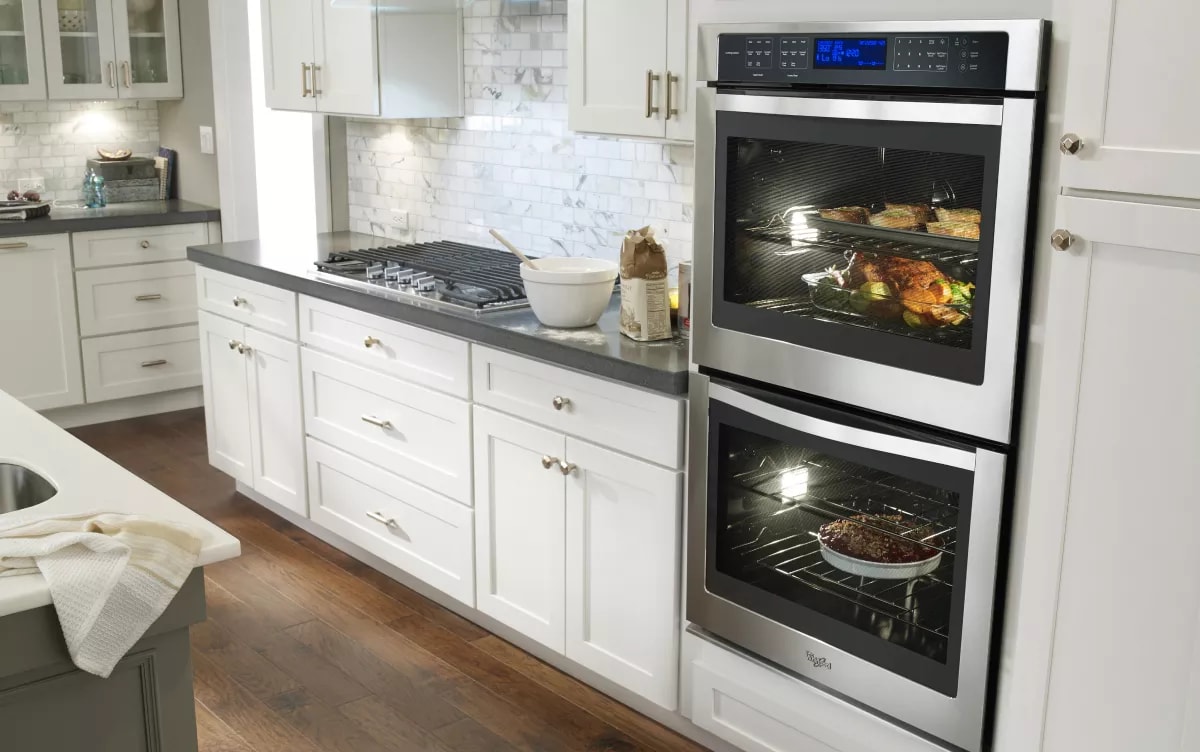
Credit: www.whirlpool.com
Frequently Asked Questions
Can A Wall Oven Be Installed In A Kitchen Island?
Yes, a wall oven can be installed in a kitchen island. Proper ventilation and electrical wiring are essential. It offers ergonomic benefits by placing the oven at a convenient height. Ensure the island has enough space and structural support for installation.
What Are The Benefits Of A Kitchen Island Wall Oven?
A kitchen island wall oven saves counter space and improves kitchen flow. It provides easy access while cooking and enhances the kitchen’s modern look. This setup allows for better interaction in open-plan spaces and makes multitasking easier.
How To Ensure Proper Ventilation For Island Wall Ovens?
Proper ventilation requires planning for heat dissipation and airflow. Install a vent or hood above or near the oven. Follow manufacturer guidelines for clearances and airflow paths. This prevents overheating and ensures safe, efficient oven operation.
What Electrical Requirements Are Needed For Island Wall Ovens?
Wall ovens need a dedicated 240-volt circuit for safe operation. Confirm your kitchen island has access to appropriate wiring and outlets. Consult a licensed electrician to ensure compliance with local codes. Proper electrical setup prevents hazards and ensures oven performance.
Conclusion
Placing a wall oven in a kitchen island can save space and add style. It makes cooking easier by keeping the oven at a good height. This setup also allows for more counter space on other walls. Make sure to check your kitchen’s layout and wiring before installing.
Proper planning helps avoid problems later. A wall oven in an island fits many kitchen designs well. It can make your kitchen look modern and work better too. Think about your cooking habits and kitchen size before deciding. This choice can improve both function and comfort in your kitchen.