
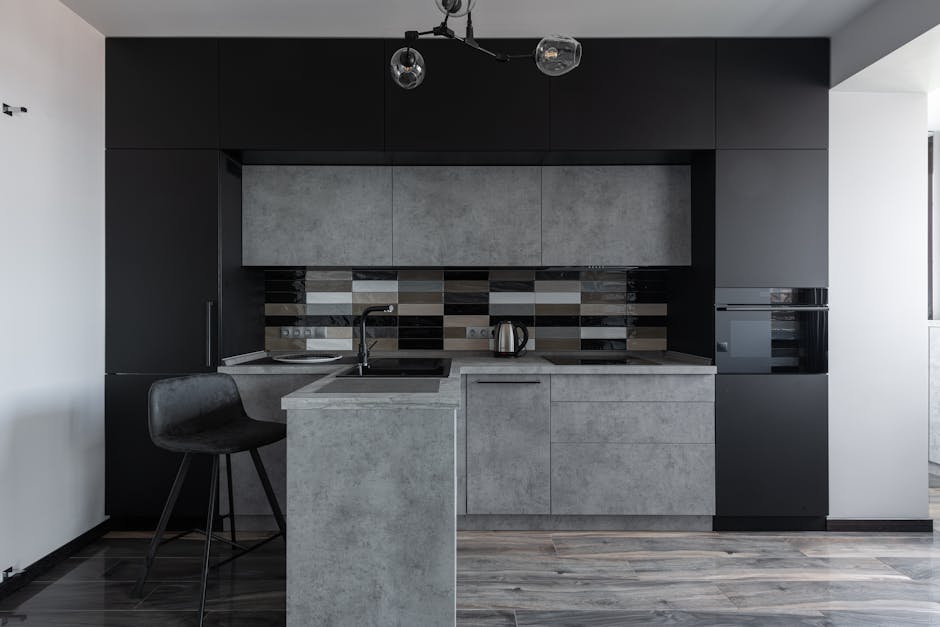
Thinking about adding an oven to your kitchen island? You’re not alone.
Many homeowners want to make their kitchen more functional and stylish by placing an oven right where the action happens. But is it really possible? And what should you consider before making this change? You’ll discover everything you need to know about putting an oven in your kitchen island.
From safety tips to design ideas, you’ll get practical advice that helps you create the kitchen of your dreams. Keep reading to find out if this kitchen upgrade is right for you.
Benefits Of Installing An Oven In A Kitchen Island
Installing an oven in a kitchen island brings many benefits. It changes the way you use your kitchen space. It helps make cooking easier and more fun. This setup fits well with modern kitchen designs. It also supports better social time while cooking.
Space Optimization
Ovens in kitchen islands free up wall space. This allows more cabinets or shelves on the walls. It creates extra room for other appliances or storage. The island becomes a multi-functional area for cooking and prep work. This design suits smaller kitchens well. It helps keep the kitchen less crowded and tidy.
Improved Workflow
Having the oven in the island brings everything closer. You can move easily between the cooktop, sink, and oven. This layout reduces walking and saves time. It allows better control over cooking tasks. The open space around the island gives more room for multiple cooks. It helps keep the kitchen organized and smooth during busy times.
Enhanced Social Interaction
The oven in the island faces the room. This lets you talk with family or guests while cooking. You can join conversations without leaving your tasks. Kids or friends can watch the cooking process up close. It makes the kitchen a warmer, more inviting place. Cooking becomes a shared activity, not a chore.
Credit: www.kitchenaid.com
Types Of Ovens Suitable For Kitchen Islands
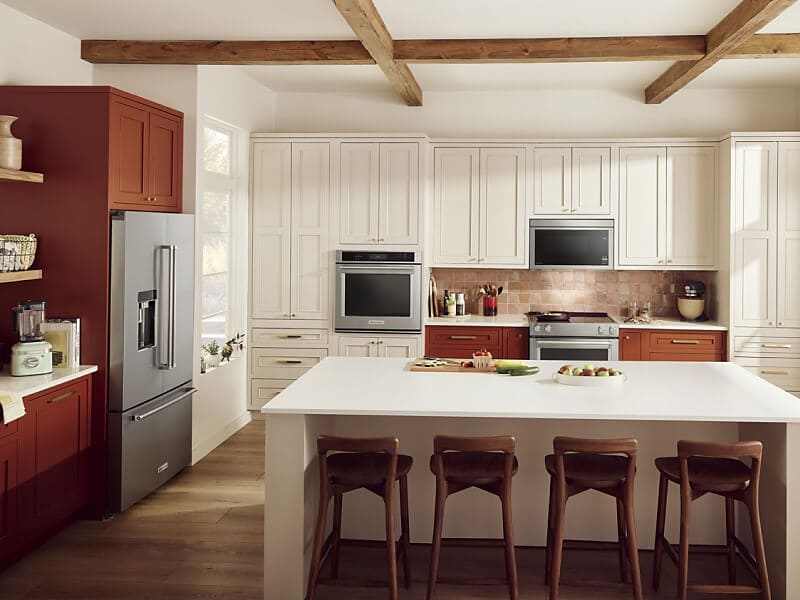
Choosing the right oven for a kitchen island requires understanding the types available. Each oven type fits different kitchen designs and cooking needs. Space, ventilation, and ease of use matter a lot. Below are popular ovens suitable for kitchen islands.
Wall Ovens
Wall ovens fit perfectly into kitchen islands due to their built-in design. They save counter space and create a sleek look. These ovens come in single or double units. Installation requires proper ventilation and electrical connections. Wall ovens offer even heat and easy access without bending.
Microwave Ovens
Microwave ovens add quick cooking options to kitchen islands. Many models combine microwave and convection features. They are compact and easy to install. Microwaves in islands free up wall and counter space. They suit families needing fast meal prep and reheating.
Steam And Convection Ovens
Steam and convection ovens bring advanced cooking to kitchen islands. Steam ovens use moisture to cook food gently and keep nutrients. Convection ovens circulate hot air for even cooking and faster baking. Both options fit well in islands and improve cooking variety. They require proper ventilation and space for best use.
Design Considerations For Kitchen Island Ovens
Designing a kitchen island with an oven requires careful planning. The oven's placement affects the kitchen's function and safety. Key factors include ventilation, power supply, and protective measures. These elements ensure the oven works well and the space remains safe.
Ventilation Needs
Ovens produce heat and smoke that must exit the kitchen. Proper ventilation prevents odors and keeps air fresh. Installing a vent hood or downdraft system helps remove heat and fumes. Ensure the ventilation system fits the island’s design and size. A well-ventilated oven prevents damage to cabinets and walls.
Electrical And Gas Requirements
Ovens need a reliable power source. Electric ovens require a dedicated circuit with correct voltage. Gas ovens must connect to a gas line with proper pressure. Check local codes for installation rules. Plan wiring or piping before building the island. This step avoids costly changes later.
Safety Measures
Safety is crucial around kitchen island ovens. Keep a clear space around the oven to avoid burns. Use heat-resistant materials for surrounding surfaces. Make sure controls are easy to reach but away from children. Install smoke detectors nearby for extra protection. Proper lighting helps prevent accidents during cooking.
Credit: www.kitchenaid.com
Placement Tips For Oven In Kitchen Island
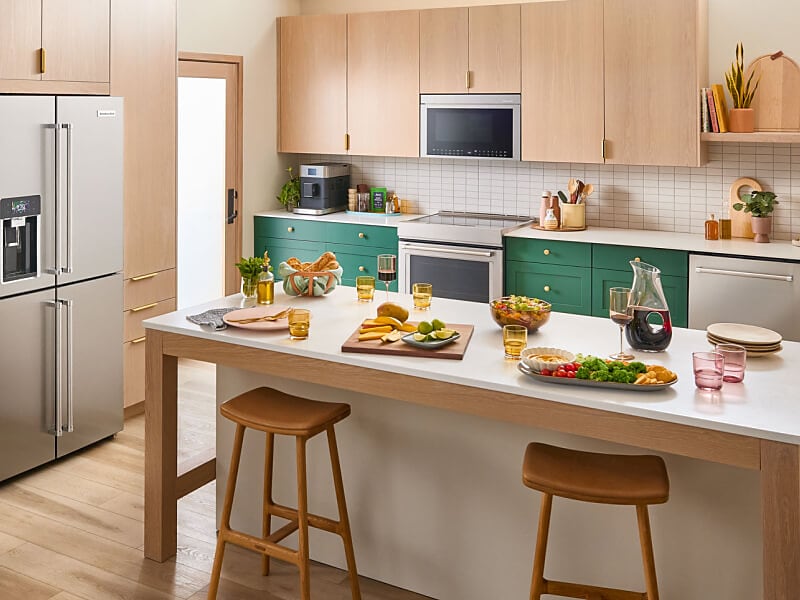
Placing an oven in a kitchen island saves space and creates a modern look. Ensure proper ventilation and easy access for safe use. Choose a spot that keeps cooking convenient and comfortable.
Placing an oven in a kitchen island can be a game-changer for your culinary space, adding both functionality and a modern aesthetic. However, getting the placement right is crucial for a smooth kitchen experience. Let's dive into some practical tips to ensure your kitchen island oven is perfectly positioned to maximize convenience and efficiency.
Height And Accessibility
The height of your oven in the kitchen island is vital. It should be at a level where you can comfortably reach in without bending too much or stretching awkwardly. Consider installing the oven at waist height. This placement reduces the risk of burns and makes it easier to handle heavy dishes, like a Thanksgiving turkey, safely. If you have children or elderly family members who frequently use the oven, ensure the controls and handles are easy to reach. This promotes independence and safety for everyone in your household.
Proximity To Other Appliances
When planning your kitchen island, think about the distance between your oven and other key appliances. A well-thought-out layout enhances your cooking flow and efficiency. Position your oven near the refrigerator and stovetop. This arrangement allows you to transfer food quickly and keeps your cooking process seamless. Ensure there's enough countertop space nearby for preparation. Having a spot to place hot trays or ingredients next to the oven can simplify your cooking tasks significantly.
Traffic Flow Management
A kitchen can become chaotic with people moving in and out, especially during meal prep times. Proper traffic flow management around the island is essential for both safety and convenience. Place the oven on the side of the island that faces away from main traffic paths. This reduces the likelihood of accidental bumps or spills. Consider how multiple people might use the kitchen simultaneously. An oven with a door that opens towards a wall rather than into a busy walkway can prevent mishaps and keep your kitchen harmonious. Think about your daily routine and how your family uses the kitchen space. Could a misplaced oven disrupt your workflow? Careful planning ensures your kitchen remains a hub of joy and creativity, not chaos and inconvenience.
Materials And Finishes For Island Oven Integration
Adding an oven to your kitchen island changes the dynamic of your cooking space. The materials and finishes you choose play a crucial role in how well your oven fits in, both functionally and visually. You want surfaces that handle heat safely, look great alongside your oven, and stand up to everyday kitchen use.
Heat-resistant Surfaces
Ovens generate a lot of heat, so your island's surface must handle it without damage. Materials like granite, quartz, and stainless steel are excellent choices because they resist heat well. Avoid laminates or wood finishes near the oven, as they can warp or discolor over time.
Have you thought about how heat exposure could affect your island’s countertop over the years? Choosing a heat-resistant surface can save you costly repairs and maintain your kitchen’s look.
Seamless Aesthetic Options
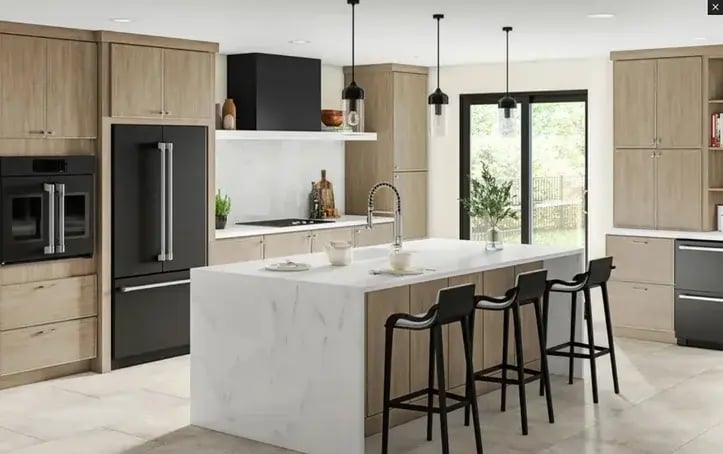
Integrating an oven into your island can either break the flow or enhance it, depending on your finish choices. Matching the oven’s frame with the surrounding cabinetry creates a sleek, unified look. For a modern vibe, consider flush-mounted appliances paired with smooth surfaces like polished stone or matte finishes.
Think about what style you want your kitchen to convey—is it bold and contemporary or cozy and traditional? Your choice of materials and finishes will guide that story.
Durability And Maintenance
Your island will see spills, splatters, and frequent cleaning, so pick materials that stand up to wear and are easy to maintain. Quartz and granite resist stains and scratches, making them practical for busy kitchens. Stainless steel is durable but may show fingerprints and smudges, requiring more regular wiping.
Ask yourself how much time you want to spend cleaning and maintaining your kitchen island. Selecting the right finish can keep your space looking fresh and functional without extra effort.
Credit: blog.kitchenmagic.com
Common Challenges And Solutions
Adding an oven to your kitchen island can transform your cooking space, but it comes with a few challenges. Understanding these hurdles helps you plan better and avoid costly mistakes. Here’s a look at common issues you might face and practical ways to solve them.
Heat Dispersion
Ovens generate a lot of heat, and placing one inside a kitchen island can cause heat to build up underneath and around the unit. Without proper ventilation, this heat can damage cabinetry or make the island uncomfortable to use.
To solve this, make sure your island design includes vents or fans that allow hot air to escape. Some ovens come with built-in cooling systems—check if yours does. Another option is to add heat-resistant materials around the oven area to protect your cabinetry.
Space Constraints
Kitchen islands often have limited space, making it tricky to fit a full-sized oven along with storage and seating. You might feel like you’re sacrificing other functions of the island just to add an oven.
Think about using a compact or wall oven designed for smaller spaces. You can also arrange the island layout to combine the oven with drawers or cabinets below for efficient use of space. Don’t forget to measure carefully and leave enough clearance for oven doors to open fully.
Installation Costs
Installing an oven in a kitchen island usually costs more than a traditional setup. You’ll likely need extra wiring, ventilation, and professional labor to handle the unique challenges.
To manage costs, get multiple quotes from contractors and compare what’s included. Sometimes investing in a slightly smaller or simpler oven reduces installation complexity. Also, plan ahead to avoid expensive last-minute changes during the remodel.
Smart Features To Enhance Island Oven Use
Adding an oven to your kitchen island is more than just a design choice; it’s about boosting your cooking experience with smart technology. These features make managing your oven easier, safer, and more efficient, especially when it’s placed in the heart of your kitchen. Let’s look at some smart features that can truly enhance how you use an island oven.
Wi-fi Connectivity
Imagine controlling your oven from anywhere in your home using your smartphone. Wi-Fi connectivity lets you preheat, adjust temperatures, and monitor cooking progress without standing next to the oven. This is particularly handy when your island oven is tucked away from other kitchen appliances or seating areas.
Have you ever started dinner late and wished you could get the oven going on your way home? With Wi-Fi-enabled ovens, you can do just that, saving time and making meal prep less stressful.
Touchscreen Controls
Touchscreen controls offer a sleek, intuitive way to operate your oven. They provide clear, easy-to-read instructions and allow quick access to cooking modes and timers. This feature is especially useful on a kitchen island where space for physical buttons might be limited.
Plus, touchscreens often come with built-in recipes and step-by-step guides. Wouldn’t it be great to have cooking help right at your fingertips while you work?
Energy Efficiency
Smart ovens are designed to use energy wisely, reducing your electricity bills and environmental impact. Features like precise temperature control and automatic shut-off prevent wasted energy during cooking. This is crucial for an island oven since it may be used frequently as a central cooking hub.
Do you know how much energy your current oven uses? Upgrading to an energy-efficient model can make a noticeable difference in your monthly utility costs.
Popular Kitchen Island Oven Layouts
Choosing the right oven layout for your kitchen island can transform your cooking experience and kitchen flow. The design you pick depends on your cooking habits, available space, and how much you want to feature the oven as a centerpiece. Let’s break down some popular layouts that work well in kitchen islands and see which might fit your needs.
Single Oven Setup
A single oven in the kitchen island offers simplicity and efficiency. It’s perfect if you mainly cook for small groups or enjoy baking occasionally. This layout frees up wall space for additional storage or appliances, making your kitchen feel more open.
Think about placing the oven at a comfortable height to avoid bending. You’ll appreciate easy access when multitasking between cooking and prepping. Have you considered how this setup could keep your cooking zone centralized and your workflow smooth?
Double Oven Configuration
Double ovens in a kitchen island are a dream for those who cook large meals or entertain often. You can bake and roast simultaneously without juggling temperatures or timing. This setup also allows you to prepare multiple dishes faster, saving time and stress.
Keep in mind, double ovens require more island space and careful ventilation planning. If you love hosting holiday dinners or meal prepping for the week, this might be a smart investment. Could having two ovens side by side streamline your kitchen routine?
Oven And Cooktop Combo
Combining an oven and cooktop in your kitchen island brings all cooking functions to one central spot. This layout lets you chop, sauté, and bake while facing your guests or family, making cooking more social and enjoyable. It also maximizes island utility without crowding other areas.
Make sure there’s adequate countertop space around the cooktop for prep and safety. Ventilation becomes key here—think about integrated downdraft vents or overhead solutions. How would having your main cooking appliances together enhance your kitchen interaction?
Frequently Asked Questions
Can You Install An Oven In A Kitchen Island?
Yes, you can install an oven in a kitchen island. Proper ventilation and electrical setup are essential for safety and functionality.
What Are The Benefits Of An Island Oven?
An island oven offers convenient access, saves wall space, and creates a central cooking hub in the kitchen.
Are There Any Ventilation Requirements For Island Ovens?
Yes, island ovens need adequate ventilation. A downdraft vent or overhead hood helps remove heat and cooking fumes effectively.
How Much Does It Cost To Add An Oven In An Island?
Costs vary, but installing an island oven typically ranges from $1,500 to $5,000, depending on oven type and installation complexity.
Conclusion
Placing an oven in a kitchen island can save space and add style. It creates easy access while cooking and helps keep the kitchen open. Plan the layout well to allow proper ventilation and safety. Choose the right size oven to fit your island perfectly.
This setup works best in larger kitchens with enough room to move around. Careful planning ensures your kitchen stays functional and attractive. A kitchen island oven can make cooking more enjoyable and efficient. Think about your needs and kitchen design before deciding.