
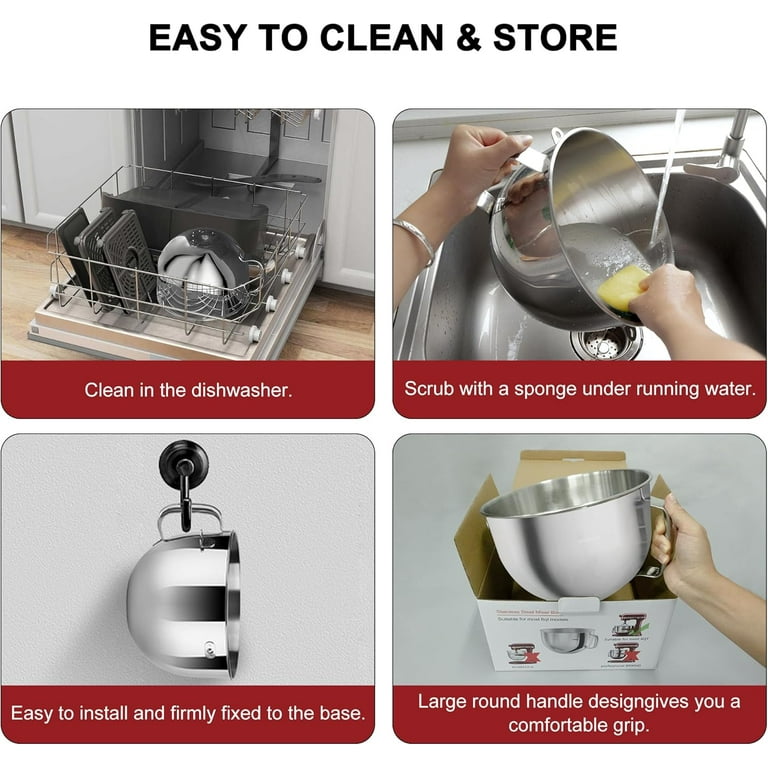
If you love baking or cooking, you probably rely on your KitchenAid mixer every day. But when it comes to cleaning, you might wonder—can you put your KitchenAid mixer bowl in the dishwasher?
It sounds like a simple way to save time, but is it safe? You’ll discover the truth about cleaning your mixer bowl, what to avoid, and the best way to keep it looking new. Keep reading to make sure you never damage your favorite kitchen tool again.
Credit: kitchpulse.com
Dishwasher Safety For Mixer Bowls
Knowing whether your Kitchen Aid mixer bowl is safe for the dishwasher can save you time and protect your investment. Different bowls come in various materials, each reacting differently to dishwasher cycles. Understanding which materials handle dishwasher cleaning well and which don’t will help you keep your mixer bowl in great shape.
Materials Suitable For Dishwasher
Many Kitchen Aid mixer bowls are made from stainless steel, which is highly dishwasher safe. Stainless steel resists rust and won’t warp under high heat or water pressure. If your bowl is stainless steel, you can confidently place it in the dishwasher without worry.
Glass bowls, like those made from Pyrex, are also safe to wash in the dishwasher. They handle heat well and don’t absorb odors or stains. Just make sure the glass isn’t cracked or chipped before washing to avoid breakage.
Materials To Avoid In Dishwasher
Avoid putting aluminum bowls in the dishwasher. Aluminum can discolor, pit, or develop a dull finish after repeated dishwasher cycles. Hand washing aluminum bowls with mild soap and water is a safer option.
Plastic bowls can be tricky. Some are dishwasher safe, but many warp or degrade over time due to the heat. Check the manufacturer’s label before washing plastic bowls in the dishwasher.
Finally, avoid dishwasher cleaning for bowls with special coatings or finishes. These might peel or fade quickly under dishwasher conditions. If you want to keep your bowl’s appearance intact, hand washing is the best choice.
Cleaning Tips For Kitchenaid Mixer Bowls
Keeping your KitchenAid mixer bowl clean is essential not just for hygiene but also for maintaining the bowl’s quality and appearance over time. Proper cleaning prevents residue build-up that can affect your next batch of dough or batter. Knowing the right techniques helps you avoid damage and keeps your mixer bowl looking like new.
Hand Washing Techniques
Hand washing your KitchenAid mixer bowl is often the safest way to clean it thoroughly. Use warm water and a soft sponge or cloth to avoid scratching the surface. Pay special attention to the edges and the bottom where batter or dough can get stuck.
If you encounter stubborn spots, soak the bowl in warm soapy water for a few minutes before scrubbing gently. Avoid abrasive scrubbers or steel wool, as they can leave marks or dull the finish.
Using Mild Detergents
Choosing the right detergent is crucial for preserving your mixer bowl’s finish. Mild dish soap works best because it cleans effectively without being harsh. Strong chemicals or bleach can damage the bowl’s surface or cause discoloration.
Test any cleaner on a small area first if you are unsure. This way, you prevent any unexpected reactions that might ruin your bowl.
Drying And Storage
After washing, dry your mixer bowl immediately with a soft towel to prevent water spots and rust, especially if you have a stainless steel bowl. Leaving water to air dry can cause mineral deposits and dull the shine.
Store your bowl in a dry place, preferably covered, to keep dust and kitchen grease away. Have you noticed how a well-kept bowl makes your baking process smoother? It’s a small step that pays off every time.
Common Mistakes To Avoid
Putting a Kitchen Aid mixer bowl in the dishwasher can cause damage or dull its finish. Always check the manufacturer’s instructions before washing. Avoid using harsh detergents or high heat to keep the bowl in good shape.
When using your KitchenAid mixer, keeping the bowl clean is crucial to maintaining its performance and longevity. However, it's easy to make mistakes that can damage your bowl, especially when cleaning it in the dishwasher. Understanding common pitfalls can help you avoid unnecessary wear and tear.
Harsh Chemicals And Abrasives
Avoid using strong detergents or abrasive cleaning agents. These can cause scratches or damage the bowl's finish. Instead, opt for mild dish soap and a soft sponge. Consider the last time you scrubbed a stubborn stain with a harsh cleaner, only to find that it left a mark you couldn't remove. It's a mistake you don't want to repeat with your mixer bowl.
High Temperature Damage
Dishwashers often use high temperatures to sanitize dishes, which might not be ideal for all materials. If your mixer bowl is exposed to high heat, it could warp or weaken over time. Think about the water temperature setting on your dishwasher. Is it really necessary to use the hottest setting when a moderate one might suffice? Keeping the temperature in check can save your mixer bowl from potential damage. Remember, understanding these common mistakes can help extend the life of your KitchenAid mixer bowl. Is it worth risking damage for a bit of convenience, or can a little extra care go a long way?
Maintaining Mixer Bowl Longevity
Maintaining the longevity of your KitchenAid mixer bowl ensures you enjoy its benefits for years. Proper care keeps the bowl looking new and working well. Small daily habits can prevent damage and wear. This section explains how to take care of your mixer bowl effectively.
Regular Maintenance Routine
Clean the bowl after each use with warm, soapy water. Avoid harsh cleaners that can scratch the surface. Dry the bowl completely to stop water spots and rust. Check for any dents or chips regularly. These can affect mixing performance and may worsen over time.
Polish stainless steel bowls occasionally to maintain shine. Use a soft cloth and mild polish made for kitchenware. Store the bowl in a dry place away from moisture and dust. This prevents corrosion and keeps it ready for the next use.
Handling And Usage Tips
- Always attach and remove the bowl gently from the mixer base.
- Do not use metal utensils inside the bowl to avoid scratches.
- Avoid sudden temperature changes; do not put a hot bowl in cold water.
- Do not place the bowl in the dishwasher unless the manufacturer confirms it is safe.
- Use only the recommended attachments to avoid damaging the bowl’s surface.
Following these tips will help keep your KitchenAid mixer bowl in excellent condition. Careful handling and regular cleaning protect your investment and improve your baking experience.
When To Replace Your Mixer Bowl
Knowing when to replace your Kitchen Aid mixer bowl keeps your kitchen running smoothly. A worn or damaged bowl affects mixing quality and safety. Regular checks help spot issues early. Replacing the bowl at the right time ensures consistent baking results.
Signs Of Wear And Tear
Look for visible scratches or dents on the bowl surface. Deep scratches can trap food and cause rust. Check for discoloration or stains that won't wash off. A loose or wobbly attachment to the mixer base means it may be worn out. Cracks or chips in the bowl are serious signs to replace it immediately.
Choosing The Right Replacement
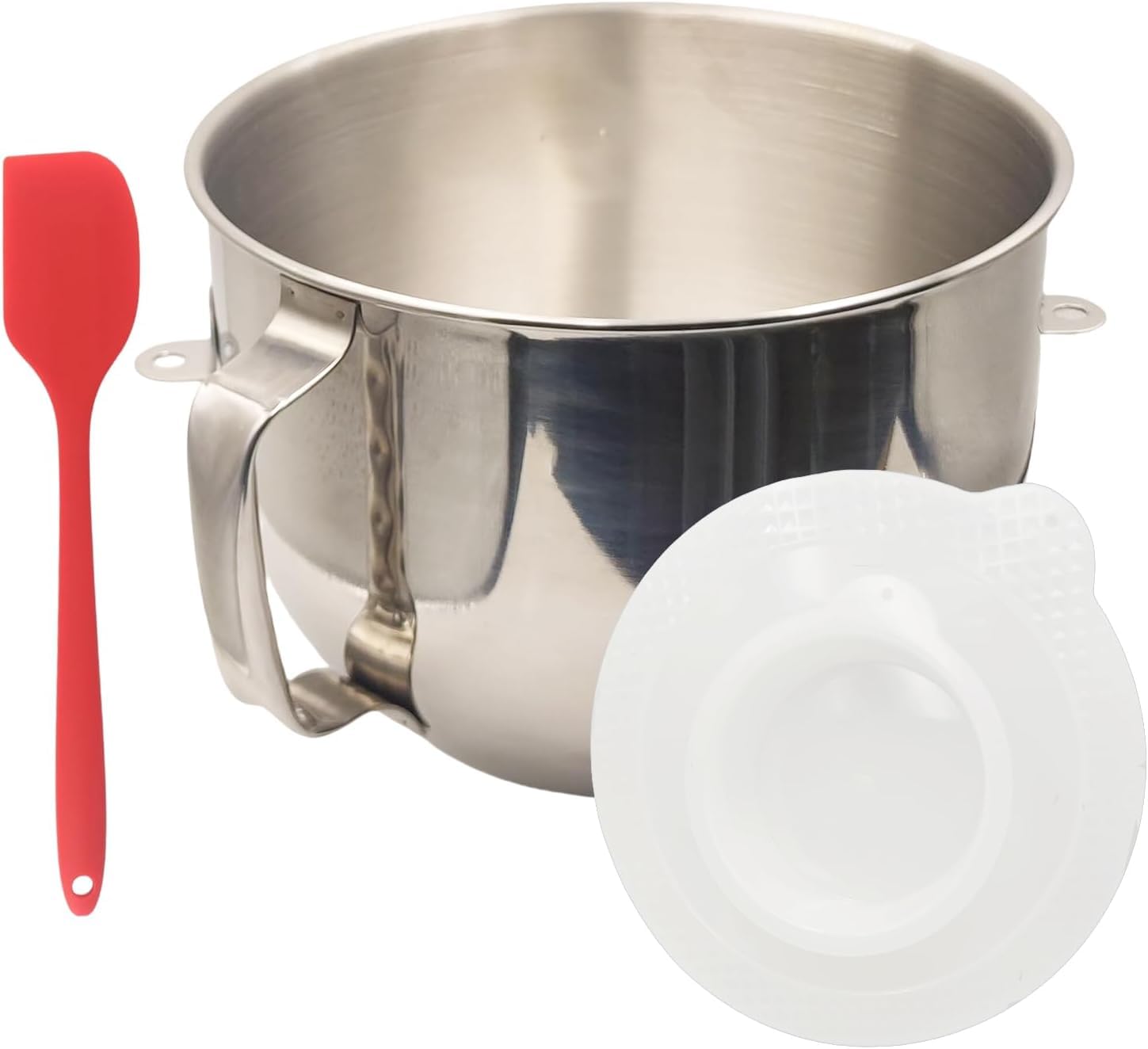
Pick a bowl that matches your Kitchen Aid mixer model. Stainless steel bowls offer durability and easy cleaning. Glass bowls let you see the mixing progress but may be less durable. Consider the bowl size that fits your mixing needs. Original manufacturer parts ensure proper fit and function. Avoid generic bowls that might not lock securely or last long.
Credit: www.amazon.com

Credit: www.amazon.com
Frequently Asked Questions
Can Kitchenaid Mixer Bowls Go In The Dishwasher?
Yes, most KitchenAid stainless steel bowls are dishwasher safe. However, avoid placing decorative or painted bowls in the dishwasher to prevent damage. Always check the manufacturer's instructions for your specific model.
Will Dishwasher Harm Kitchenaid Mixer Bowl Finish?
Dishwashing stainless steel bowls generally won't harm the finish. Avoid harsh detergents and high heat settings to maintain the bowl's shine and durability. Hand washing is recommended for prolonged lifespan.
How To Clean Kitchenaid Mixer Bowls Without Damage?
Use warm soapy water and a soft cloth or sponge to clean. Avoid abrasive cleaners or steel wool, which can scratch the surface. Dry thoroughly to prevent water spots.
Are All Kitchenaid Mixer Bowls Dishwasher Safe?
Not all KitchenAid bowls are dishwasher safe. Stainless steel bowls usually are, but glass or ceramic bowls may not be. Always verify your bowl’s material and care instructions before cleaning.
Conclusion
You can wash most Kitchen Aid mixer bowls in the dishwasher safely. Still, check your model’s instructions to be sure. Hand washing helps keep the bowl shiny and strong longer. Avoid harsh detergents and high heat settings in the dishwasher.
Taking simple care steps keeps your mixer bowl in top shape. This way, your baking stays easy and fun every time. Clean tools make a happy kitchen.