

Are you wondering if you can toss your KitchenAid mixer parts into the dishwasher for a quick clean? It’s a question many home cooks ask because cleaning these heavy-duty machines can sometimes feel like a hassle.
But before you load those attachments or the mixer bowl into your dishwasher, there are important things you need to know. Understanding how to properly clean your KitchenAid mixer can save you time, protect your investment, and keep your kitchen running smoothly.
Keep reading to find out exactly what’s safe to put in the dishwasher—and what isn’t.

Credit: www.amazon.ca
Kitchenaid Mixer Parts And Dishwasher Safety
Understanding which parts of your KitchenAid mixer are safe for the dishwasher is key to keeping it in perfect shape. Not all components can handle the heat and water pressure inside a dishwasher, so knowing what to wash by hand can save you from costly damage. Let’s break down the parts that can go in the dishwasher and those that need a gentler touch.
Which Parts Are Dishwasher Safe
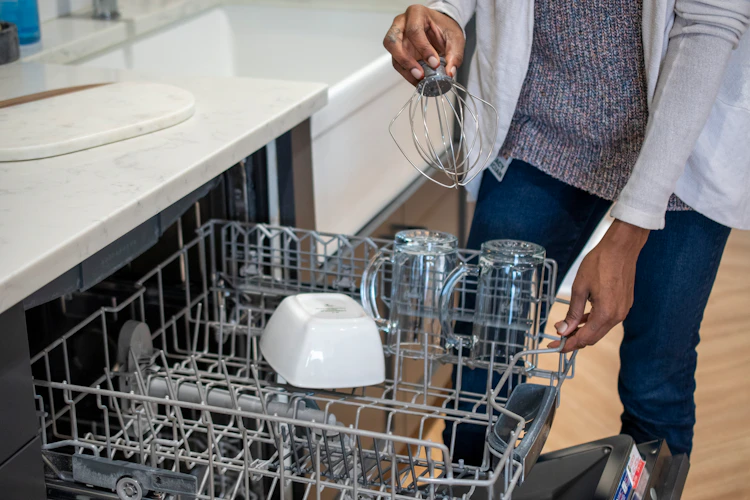
Many KitchenAid mixer attachments are designed with convenience in mind, so some can safely be cleaned in the dishwasher. Typically, metal attachments like the flat beater, wire whip, and dough hook are dishwasher safe. You can place these on the top rack to avoid direct contact with the heating element, which helps preserve their finish.
Plastic and coated attachments may also be dishwasher safe, but always double-check the manufacturer’s instructions. Certain bowls made of stainless steel or glass can also go in the dishwasher, making cleanup easier after baking sessions.
Parts To Clean By Hand
The mixer’s main body and motor housing should never be submerged or put in the dishwasher. Water exposure here can damage electrical components and void your warranty. Use a damp cloth to wipe down the exterior instead.
Attachments with delicate coatings or those made from specific materials—like aluminum bowls or any painted parts—should be washed by hand. Using mild detergent and warm water prevents discoloration and warping. Have you noticed your mixer’s finish dull after a round in the dishwasher? That’s why hand washing matters.
Keeping your KitchenAid mixer parts clean and safe is about knowing what your dishwasher can handle. Taking a moment to separate dishwasher-safe pieces from those needing hand care extends the life of your mixer and keeps it working like new.
Risks Of Putting Mixer In Dishwasher
Putting your KitchenAid mixer parts in the dishwasher might seem like a quick and easy cleaning solution. However, it carries several risks that could harm your appliance over time. Understanding these risks can help you protect your investment and keep your mixer working smoothly for years.
Potential Damage To Mixer Components
Dishwashers use high heat and strong water pressure that can affect delicate mixer parts. Plastic attachments may warp or crack, and metal components like the beaters or dough hooks might lose their shape or develop rust spots. The dishwasher’s harsh environment can also cause seals and gaskets to degrade faster, leading to leaks or reduced performance.
Have you noticed your mixer attachments feeling looser or less sturdy after a few dishwasher cycles? This is often a sign of damage from the intense dishwasher environment. Hand washing with warm, soapy water is usually safer and extends the life of your mixer parts.
Effects On Finish And Coatings
The finish on your KitchenAid mixer, especially on colored or special coatings, can suffer in the dishwasher. High temperatures and strong detergents may dull or chip the paint, leaving your mixer looking worn and aged. Even stainless steel parts can develop spots or lose their shine when exposed repeatedly to dishwasher conditions.
Imagine spending extra on a vibrant mixer color only to see it fade after a few cleaning cycles—would that be worth the convenience? Protecting the finish means washing by hand and drying immediately to prevent water spots and damage.
Proper Cleaning Techniques For Kitchenaid Mixers
Proper cleaning keeps your KitchenAid mixer in top shape. Regular care stops dirt build-up and extends its life. Clean parts perform better and last longer. Using the right cleaning methods protects the mixer’s finish and function. Follow these tips to clean your mixer safely and effectively.
Hand Washing Attachments
Detach all removable parts before cleaning. Wash attachments like beaters and dough hooks by hand. Use warm water and soap to remove food residue. Avoid harsh scrubbing to prevent damage. Dry attachments completely to stop rust and wear.
Cleaning The Mixer Body
Unplug the mixer before cleaning the body. Use a soft, damp cloth to wipe the surface. Avoid water entering the motor or controls. Clean crevices with a soft brush or toothpick. Dry the mixer body with a dry cloth to prevent moisture damage.
Using Mild Detergents
Choose gentle dish soap for cleaning all parts. Harsh chemicals can harm the finish and plastic parts. Mild detergents remove grease without leaving residue. Rinse thoroughly to avoid soap build-up. Mild cleaning agents keep your mixer looking new.

Credit: www.amazon.ca
Tips To Maintain Mixer Performance
Kitchen Aid mixer parts should not go in the dishwasher, as it may damage them. Clean attachments by hand with warm, soapy water to keep performance strong. Regular gentle cleaning helps your mixer last longer and work better.
To keep your KitchenAid mixer performing well, regular care is essential. Ensuring your mixer remains in top shape extends its lifespan and maintains its efficiency. Here are some tips to help maintain your mixer's performance.
Regular Maintenance Schedule
Create a consistent cleaning schedule. After each use, wipe down the mixer with a damp cloth. This removes residue and prevents buildup. Check attachments for food particles. Clean them thoroughly to avoid lingering odors. Inspect the power cord regularly for any signs of wear. Replace it if you notice damage.
Avoiding Water Damage
Keep the motor base dry. Water can damage the electrical components inside. Never submerge the mixer in water or put it in the dishwasher. Use a slightly damp cloth to clean the exterior. Dry it immediately to prevent moisture from seeping in. Store your mixer in a dry place. This protects it from humidity and potential water exposure.
Alternative Cleaning Tools And Methods
Cleaning your KitchenAid mixer properly is essential to keep it looking great and working well. Since putting it in the dishwasher is not recommended, using alternative tools and methods can make the job easier and more effective. These options help you avoid damage while ensuring every nook and cranny is spotless.
Brushes And Soft Cloths
Using brushes designed for kitchen appliances can reach tight spots your hands can’t. A soft-bristle brush or an old toothbrush works perfectly around knobs, crevices, and attachments. Pairing these with a microfiber cloth allows you to gently wipe off residue without scratching the surface.
Have you noticed that some parts collect grease and flour dust more stubbornly? Brushes help loosen this buildup, making your cleaning quicker and less frustrating. A soft cloth afterward helps dry and polish, leaving your mixer shiny and ready for the next use.
Using Warm Soapy Water
Warm soapy water is your best friend for cleaning removable parts like the bowl and attachments. Soaking these items briefly softens dried batter and oils, making it easier to wash off. Use a gentle dish soap to avoid leaving behind harsh residues.
Remember to dry all parts thoroughly before reassembling to prevent rust or mold. You might find soaking works wonders on stubborn spots that brushing alone can’t tackle. What’s your strategy for tackling stuck-on messes?
Credit: thekrazycouponlady.com
Frequently Asked Questions
Can Kitchenaid Mixer Parts Go In The Dishwasher?
No, most KitchenAid mixer parts should not go in the dishwasher. Hand washing is recommended to preserve finish and function.
Is The Kitchenaid Mixer Bowl Dishwasher Safe?
Yes, the stainless steel KitchenAid mixer bowl is dishwasher safe. Avoid harsh detergents to keep it looking new.
How To Clean Kitchenaid Mixer Attachments Properly?
Clean attachments by hand using warm, soapy water. Avoid the dishwasher to prevent damage and rust.
Can Dishwasher Harm My Kitchenaid Mixer?
Dishwasher heat and detergents can damage mixer parts. Hand washing extends the life of your KitchenAid mixer.
Conclusion
KitchenAid mixers are valuable kitchen tools. Cleaning them carefully keeps them working well. Avoid putting the whole mixer in the dishwasher. Some parts may get damaged or lose shine. Instead, wash removable parts by hand with warm water and soap.
Dry all pieces fully before reassembling. This method helps your mixer last longer. Taking small cleaning steps protects your investment. Keep your KitchenAid mixer clean and ready for your next recipe. Simple care makes a big difference in the long run.