
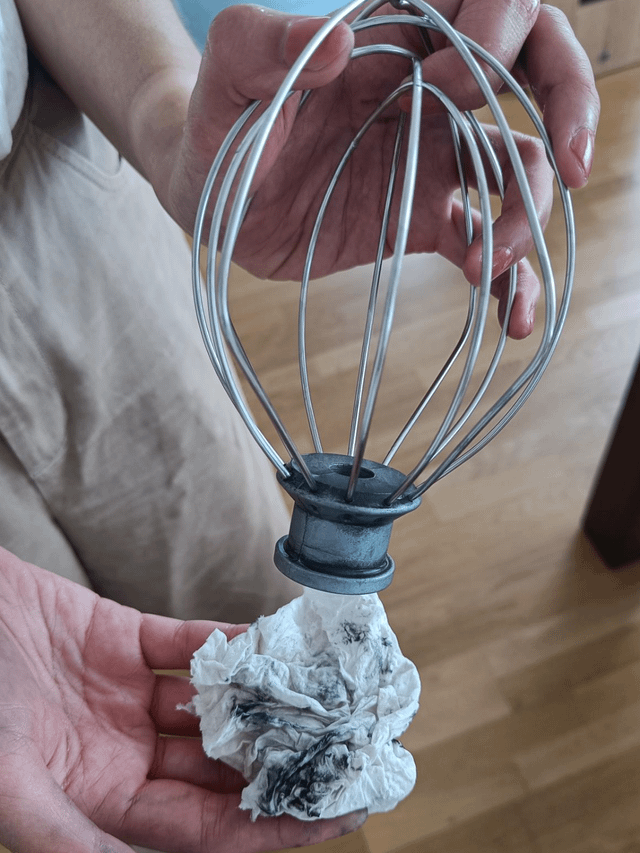
Are you wondering if you can put your KitchenAid mixer parts in the dishwasher? It’s a common question, especially when cleaning up after a busy baking session.
You want to keep your mixer in great shape, but also save time and effort washing those parts. You’ll discover which KitchenAid mixer components are safe for the dishwasher and which ones need special care. Keep reading to avoid costly mistakes and make cleaning your mixer easier than ever.
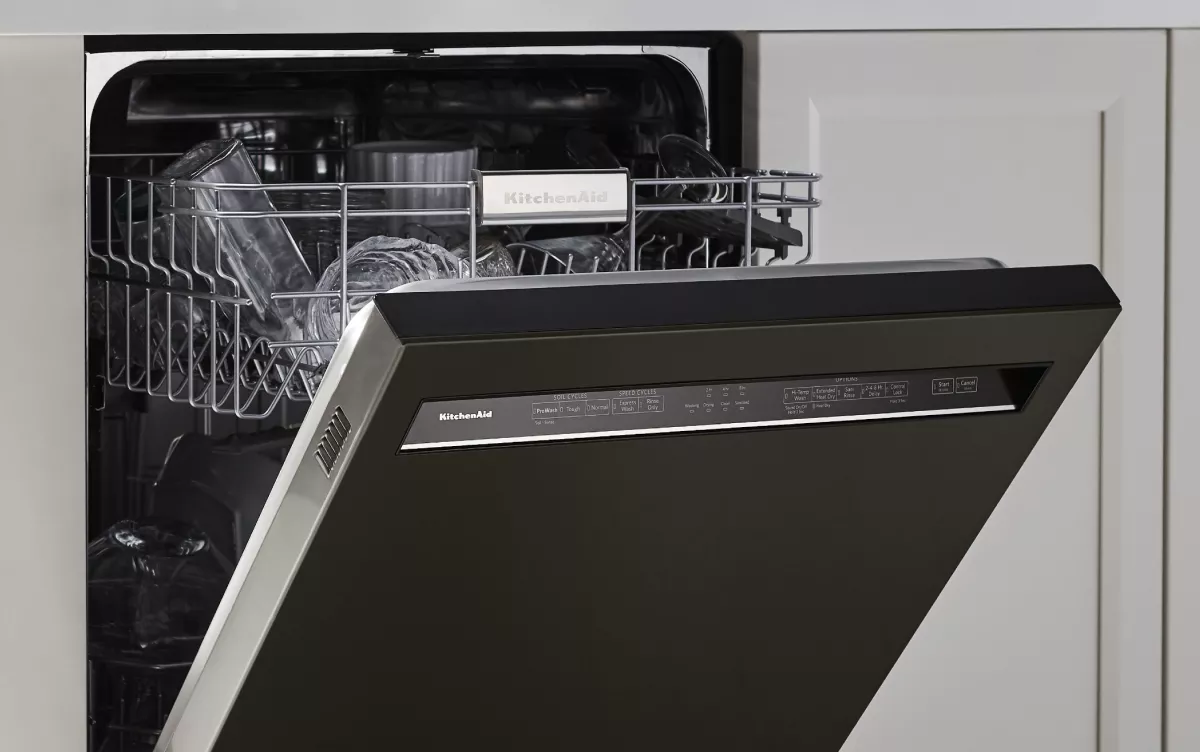
Credit: www.kitchenaid.com
Kitchenaid Mixer Parts Overview
Understanding the different parts of your KitchenAid mixer is key before deciding how to clean them. Each component has its own material and design, which affects whether it can safely go in the dishwasher. Let’s break down the main components and the materials used so you can make an informed choice for maintenance.
Main Components
- Mixing Bowl:This is where all the magic happens. Most KitchenAid bowls are made from stainless steel, but some models offer glass or ceramic options.
- Beaters and Attachments:These include flat beaters, dough hooks, and wire whisks. They are designed to fit various mixing needs and are usually made from metal or coated alloys.
- Mixing Head:The motor housing that powers the attachments. This part is electrical and should never be submerged in water or placed in the dishwasher.
- Attachment Hub:Located at the front, this lets you connect additional tools like pasta rollers or grinders. It's mostly metal and plastic and requires careful cleaning.
Materials Used
The materials used for KitchenAid parts affect their durability and cleaning requirements. Stainless steel bowls and metal attachments are generally dishwasher safe, but coatings or finishes can change that.
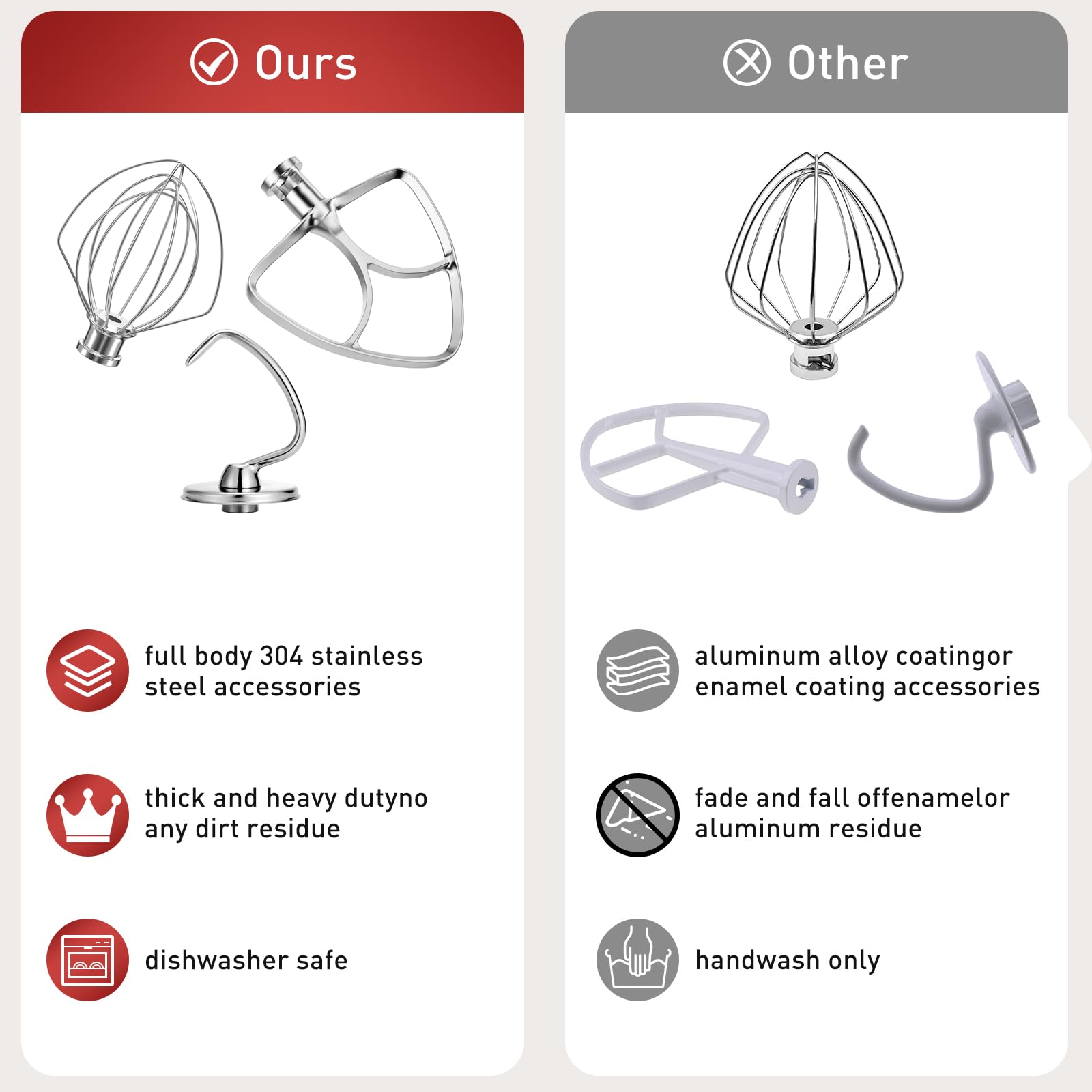
- Stainless Steel:Resistant to rust and dishwasher safe, but repeated dishwasher cycles may dull the finish over time.
- Aluminum and Coated Metals:These parts may discolor or degrade if put in the dishwasher. Hand washing is often safer.
- Plastic Components:These vary widely; some are dishwasher safe on the top rack, while others can warp or crack under heat.
- Glass and Ceramic:Usually dishwasher safe but prone to chipping. Handle with care.
Have you noticed that your metal attachments lost their shine after several dishwasher cycles? That’s a clear sign that hand washing might extend their life. Knowing what your parts are made of helps you avoid costly replacements and keeps your mixer working perfectly.
Credit: www.amazon.ca
Dishwasher Safety For Mixer Parts
Knowing which KitchenAid mixer parts are safe for the dishwasher prevents damage. Some parts can handle the heat and water pressure. Others may warp or lose their finish. Understanding dishwasher safety protects your investment and keeps your mixer working well.
Parts Safe For Dishwasher
- Flat beaters made of stainless steel
- Dough hooks with a smooth finish
- Wire whips with no wooden parts
- Removable splash guards and pour shields
- Mixing bowls labeled as dishwasher safe
These parts usually tolerate dishwasher cycles without problems. Place them on the top rack to avoid intense heat. Use a gentle cycle if available. Avoid overcrowding to let water reach all surfaces.
Parts To Avoid
- Plastic attachments not marked dishwasher safe
- Parts with wooden handles or accents
- Electric components like motor housings
- Mixing bowls made of aluminum or coated metals
- Any part with stickers or decals
These parts can warp, crack, or lose color in the dishwasher. Washing by hand keeps them safe and lasting longer. Use mild soap and warm water for cleaning.
Cleaning Tips For Dishwasher-safe Parts
Cleaning your KitchenAid mixer parts is vital for their longevity. Many parts are dishwasher-safe, making cleanup easier. Here are tips for cleaning these parts in your dishwasher.
Proper Loading Techniques
Place smaller parts in the upper rack of your dishwasher. This prevents them from moving during the wash. Avoid stacking parts to ensure they clean thoroughly. Secure larger items like the mixing bowl in the bottom rack. This allows proper water circulation and avoids damage.
Recommended Detergents
Use mild, non-abrasive detergents to clean mixer parts. Harsh detergents can damage the finish. Look for dishwasher tablets or powders labeled gentle or safe for delicate items. Avoid detergents with bleach or strong chemicals. Always check the detergent package for safety notes.
Credit: www.amazon.ca
Hand Washing Mixer Components
Hand washing your KitchenAid mixer components is often the safest way to keep them in top shape. Some parts are delicate or have finishes that can be damaged by a dishwasher’s heat and harsh detergents. Taking a little extra care by hand can extend the life of your mixer and keep it looking great.
Best Practices
Start by disassembling your mixer parts carefully. Remove attachments like the beater, dough hook, and whisk before washing.
Use warm, soapy water and a soft sponge or cloth to clean. Avoid abrasive scrubbers that can scratch the surface.
Rinse thoroughly to remove any soap residue, then dry each piece immediately with a clean towel. This prevents water spots and rust from forming.
Have you noticed how letting parts air dry sometimes leaves water marks? Drying by hand gives you control and helps avoid that.
Tools And Cleaners To Use
- Mild Dish Soap:A gentle soap keeps your components clean without stripping protective finishes.
- Soft Sponge or Cloth:Use non-abrasive tools to avoid scratching delicate surfaces.
- Small Brush or Toothbrush:Great for reaching nooks and crevices, especially around the attachment hubs.
- Microfiber Towel:Perfect for drying and polishing parts to a streak-free shine.
Steer clear of harsh chemicals or bleach-based cleaners. They might seem effective but can damage your mixer over time.
Have you tried using a toothbrush to clean those tight spaces? It can make a big difference in removing stuck-on dough or batter.
Maintaining Your Kitchenaid Mixer
Maintaining your KitchenAid mixer is key to keeping it running smoothly and looking great for years. Taking care of its parts and cleaning it properly can save you from costly repairs or replacements. Are you sure you’re treating your mixer the right way?
Regular Cleaning Schedule
Set a cleaning routine to keep your mixer in top shape. Wipe down the exterior after each use with a damp cloth to remove splatters and dust. Avoid submerging the motor base in water to prevent damage.
Some attachments like the bowl, beaters, and dough hooks are dishwasher safe. However, always check your mixer’s manual before tossing parts in the dishwasher. Not all attachments can handle the heat and detergent, which might cause rust or damage.
Clean the attachment hub regularly by wiping it with a soft cloth. This prevents buildup that can affect performance. Don’t forget to occasionally check for food stuck in crevices and remove it carefully.
Storage Tips
Store your mixer in a dry, cool place to avoid moisture damage. Cover it with a dust cover or a clean kitchen towel when not in use to keep it free from dust. Leaving it uncovered can cause grime to settle, which makes cleaning harder.
Keep attachments together in a designated container or drawer. This way, you won’t lose small parts and can easily find what you need when baking. Have you ever spent extra time hunting for the right beater? Proper storage solves that problem.
Also, avoid placing heavy objects on top of your mixer. It can damage the motor or scratch the finish. Treat your mixer like a prized kitchen tool—it deserves it.
Troubleshooting Common Issues
Dealing with kitchen aid mixer parts that don’t come out clean or show signs of damage after dishwasher cycles can be frustrating. Knowing how to troubleshoot these issues helps you maintain your mixer’s performance and longevity. Let’s look at some common problems and practical tips to handle them.
Parts Not Cleaning Properly
If you notice residue or food stuck on your mixer parts after a dishwasher run, several factors might be at play. Sometimes, the way parts are placed inside the dishwasher affects water flow, leaving some areas untouched. Try rearranging the pieces so they face the water spray directly and avoid overcrowding the dishwasher.
Using the right detergent also matters. Harsh or ineffective soaps can leave a film or fail to break down grease fully. Consider switching to a detergent designed for tough kitchen grease to improve cleaning results.
Have you checked if the dishwasher’s spray arms are clogged or blocked? Cleaning these can enhance water distribution and help your mixer parts come out spotless.
Damage From Dishwasher Use
Not all kitchen aid mixer parts can tolerate dishwasher heat and detergents. Some plastic or rubber components may warp, crack, or lose their finish after repeated dishwasher cycles. If you spot discoloration, warping, or brittle edges, it’s a clear sign that the dishwasher isn’t safe for those parts.
Metal parts, especially those made from aluminum or coated with special finishes, can corrode or tarnish when exposed to dishwasher chemicals. Handwashing these pieces with warm, soapy water and a soft cloth often protects their appearance better.
Ask yourself: Is the convenience of using the dishwasher worth the risk of damaging expensive mixer parts? Sometimes, taking a few extra minutes to wash by hand can save you money and hassle in the long run.
Frequently Asked Questions
Can Kitchen Aid Mixer Parts Go In The Dishwasher?
Most Kitchen Aid mixer parts are dishwasher safe. However, some attachments like the motor head should never go in the dishwasher. Always check the manual for specific parts to avoid damage and ensure longevity.
Which Kitchen Aid Parts Are Dishwasher Safe?
Removable mixing bowls, beaters, and dough hooks are usually dishwasher safe. Avoid placing motorized parts or electrical components in the dishwasher to prevent damage.
How To Clean Kitchen Aid Mixer Parts Safely?
Hand wash delicate parts with warm soapy water and a soft cloth. Use the dishwasher only for parts labeled as dishwasher safe to maintain quality.
Can Dishwasher Damage Kitchen Aid Attachments?
Yes, dishwashers can damage non-dishwasher safe parts by causing rust or warping. Follow manufacturer instructions to prevent costly repairs or replacements.
Conclusion
Always check your Kitchen Aid mixer parts before washing. Some parts can go in the dishwasher safely. Others need to be hand washed to avoid damage. Using the dishwasher wrongly can cause parts to wear out faster. Clean your mixer parts gently for a longer life.
Taking care helps your mixer work well every time. Keep your kitchen tools clean, but follow the rules. This small step saves money and keeps baking fun. Simple care makes a big difference.