
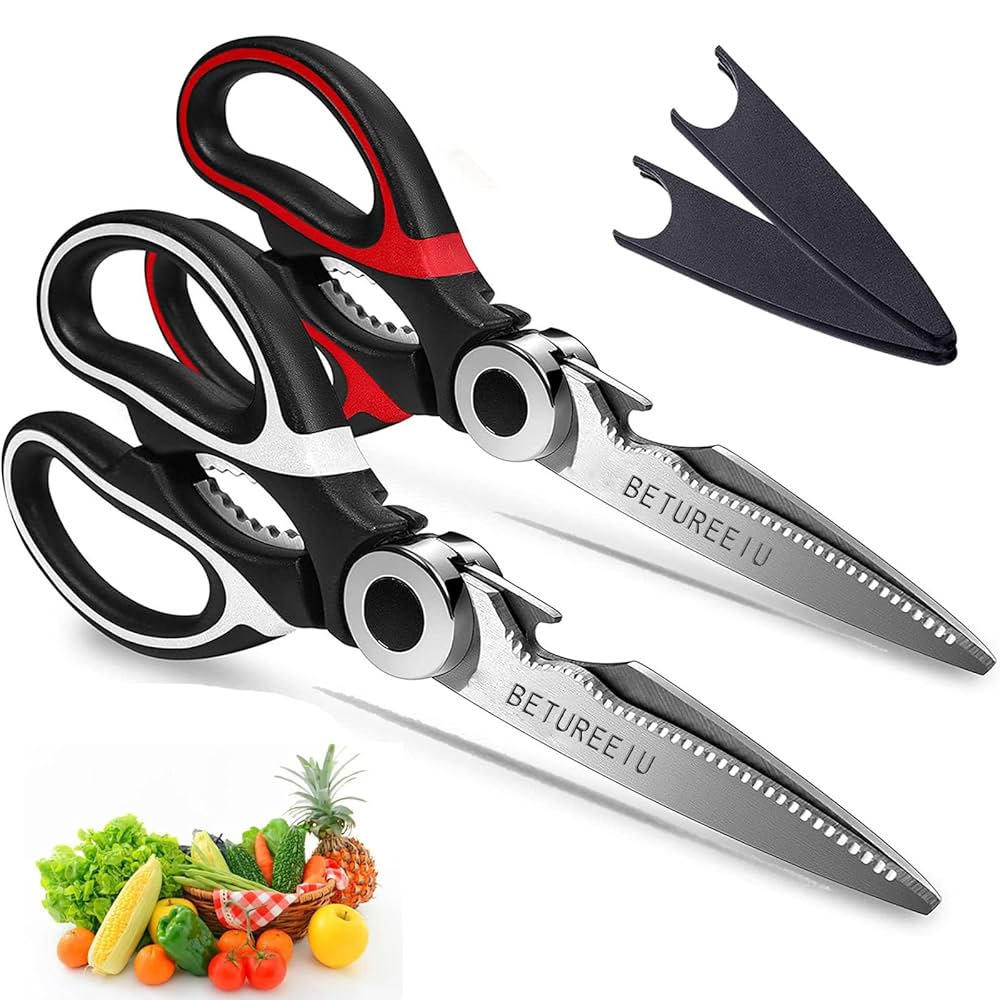
Are you wondering if you can put your kitchen shears in the dishwasher without ruining them? You probably want an easy way to clean these handy tools, but you also want to keep them sharp and rust-free.
Knowing the right way to care for your kitchen shears can save you time and money. Keep reading to discover the best cleaning methods and tips to keep your shears in perfect shape every time.

Credit: techmatrixconsulting.com
Kitchen Shears Basics
Kitchen shears are a handy tool in every home. They cut through food, packaging, and even small bones. Knowing the basics about kitchen shears helps in choosing and caring for them properly. This knowledge also guides whether you can put them in the dishwasher safely.
Types Of Kitchen Shears
Kitchen shears come in different shapes and sizes. Each type has a special use in the kitchen.
- All-purpose shears: Good for cutting herbs, meat, and packaging.
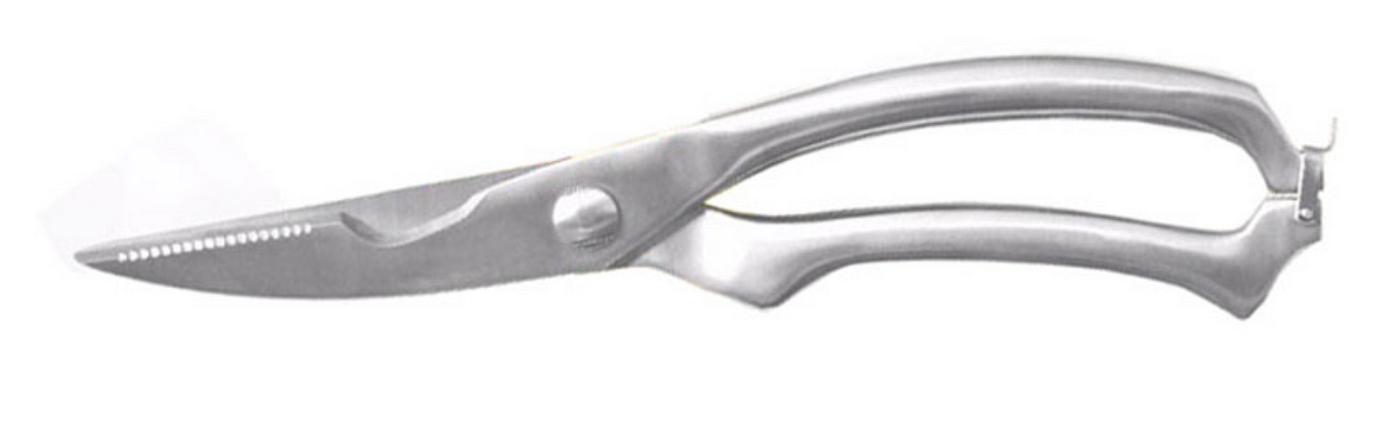
- Poultry shears: Stronger blades designed to cut bones and joints.
- Herb scissors: Have multiple blades to cut herbs quickly.
- Utility shears: Smaller size for light tasks and precision cuts.
Choosing the right type helps with safety and efficiency.
Materials Used In Shears
Kitchen shears are made from various materials. The material affects their strength and care needs.
- Stainless steel: Rust-resistant and durable, common in most shears.
- Carbon steel: Very sharp but can rust if not dried properly.
- Plastic handles: Provide comfort and grip but need careful cleaning.
- Rubber-coated handles: Offer extra slip resistance and comfort.
Knowing the material helps decide if the shears can go into the dishwasher.
Dishwasher Safety For Shears
Wondering if your kitchen shears are safe to toss in the dishwasher? Understanding dishwasher safety for shears is essential to keep them in top shape and avoid costly replacements. Let’s break down the risks and effects dishwashers can have on your shears, so you can decide the best way to clean them without damage.
Common Dishwasher Risks
Dishwashers expose your shears to high heat, strong water pressure, and harsh detergents. These conditions can cause the metal to corrode or develop rust spots over time, especially if the blades aren’t made of stainless steel. Have you noticed discoloration or spots on your shears after running them through the dishwasher?
Another risk is that the shears might bang against other utensils or the dishwasher racks, leading to nicks or misalignment. Placing shears loosely can make them vulnerable to damage during the wash cycle. Always consider how securely your tools are positioned to avoid unnecessary wear.
Effects On Sharpness And Durability
Repeated dishwasher cycles can dull the blades of your kitchen shears faster than hand washing. The abrasive action of detergent combined with water jets wears down the sharp edges, reducing cutting efficiency. Have you ever struggled with dull shears and wondered why they lost their edge so quickly?
Moreover, the heat and moisture can weaken the pivot mechanism, making the shears feel loose or harder to open and close smoothly. This can affect your control and safety when using them. If you want your shears to last longer, think twice before relying on the dishwasher for cleaning.
When To Avoid The Dishwasher
Knowing when to avoid putting your kitchen shears in the dishwasher can save you from costly damage. Not all shears are built the same, and some materials or special features simply don’t hold up well in the harsh dishwasher environment. Understanding these factors helps you keep your tools sharp and safe for years.
Non-dishwasher Safe Materials
Some kitchen shears are made from materials that react poorly to dishwasher heat and detergents.
- Carbon steel blades:These can rust quickly when exposed to moisture and detergent, losing their sharpness and durability.
- Wooden handles:Wood tends to crack, warp, or fade after repeated dishwasher cycles due to high heat and water exposure.
- Plastic parts:Lower-quality plastics may melt or become brittle over time in the dishwasher’s intense environment.
Have you noticed your shears getting dull or discolored after dishwasher use? That might be because of the materials they’re made from.
Shears With Special Features
Some kitchen shears include extra components that are sensitive to dishwasher cleaning.
- Spring-loaded shears:The spring mechanism can trap water and detergent, leading to corrosion or malfunction.
- Detachable blades:If not reassembled properly after washing, they may become loose or misaligned.
- Non-stick coatings:These can degrade or peel off when exposed to dishwasher detergents.
Think about your favorite pair of shears—do they have any special parts? If yes, washing them by hand might be the better choice to protect those features.
Proper Cleaning Techniques
Kitchen shears may get dull or rusty in the dishwasher. Hand washing with warm, soapy water protects their sharp edges and metal parts. Dry them well to avoid damage and keep them clean.
Proper cleaning techniques can significantly extend the life of your kitchen shears and maintain their cutting performance. Many people wonder if it's safe to toss these tools into the dishwasher. While it might seem convenient, the intense heat and water pressure can dull the blades and compromise the handles. Let's explore the best ways to keep your kitchen shears in top shape through proper cleaning methods.
Hand Washing Tips
Hand washing is a gentle and effective way to clean your kitchen shears. Start by separating the blades, if possible, to ensure thorough cleaning. Use warm water, mild dish soap, and a soft sponge to scrub away any food particles or grease. Rinse the shears under running water and pay special attention to the pivot area, where residue can accumulate. For stubborn grime, a toothbrush can be a handy tool to get into the nooks and crannies.
Drying And Storage
Proper drying is crucial to prevent rust and maintain the sharpness of your shears. After washing, immediately dry the blades with a clean towel. Ensure you reach all the crevices to avoid any moisture retention. Consider storing your shears in a dry, cool place to prevent humidity damage. A magnetic strip or a dedicated drawer insert can keep them easily accessible and protected. How do you ensure your kitchen tools are always ready for action? With a little care, they’ll serve you well for years.
Maintaining Shears Longevity
Keeping your kitchen shears sharp and in good condition extends their life and saves you money. Proper maintenance makes your cutting tasks easier and safer. Small habits can make a big difference in how long your shears stay effective and reliable.
Regular Sharpening
Dull shears are frustrating and dangerous. Sharpen them regularly to keep the blades smooth and efficient. You can use a sharpening stone, a specialized sharpener, or take them to a professional.
If you notice your shears tearing instead of cutting cleanly, it’s time to sharpen. How often? It depends on how much you use them, but a good rule is every few months or after heavy use.
Lubrication And Rust Prevention
After cleaning, dry your shears completely to stop rust from forming. Apply a drop of food-safe oil on the pivot point to keep the blades moving smoothly.
Rust not only looks bad but weakens your shears. Store them in a dry place and occasionally wipe the blades with a lightly oiled cloth. Have you checked your shears for rust lately?

Credit: www.amazon.ca
Credit: medium.com
Frequently Asked Questions
Can Kitchen Shears Be Washed In A Dishwasher Safely?
Most kitchen shears can be dishwasher safe, but check the manufacturer’s instructions. Some blades may dull or rust due to harsh detergents and heat.
Will Dishwasher Damage My Kitchen Shears’ Blades?
Dishwasher heat and strong detergents can dull or corrode blades over time. Hand washing preserves sharpness and extends the shears’ lifespan.
How Should I Clean Kitchen Shears To Avoid Rust?
Clean shears immediately after use with warm, soapy water. Dry thoroughly to prevent rust and maintain blade sharpness.
Are All Kitchen Shears Dishwasher Safe?
No, not all kitchen shears are dishwasher safe. Stainless steel shears usually are, but those with wooden handles or specialty coatings may be damaged.
Conclusion
Kitchen shears can sometimes be dishwasher safe, but check the label first. Some blades may dull or rust if washed this way. Hand washing keeps shears sharp and clean longer. Dry them well to stop rust and damage. Proper care helps your kitchen shears last many years.
Take a moment to clean them right after use. This small step protects your tools and saves money. Choosing the best cleaning method makes a big difference. Keep your kitchen shears ready for any cutting task.