
Have you ever wondered if you can safely put kitchen twine in the oven while cooking? You might be planning to roast a delicious chicken or tie up a roast, but hesitation creeps in—will the twine hold up, or will it melt and ruin your meal?
Understanding how kitchen twine behaves under heat is key to cooking with confidence and getting the best results. Keep reading, and you’ll discover exactly what you need to know to use kitchen twine safely in your oven without any worries.
Types Of Kitchen Twine
Kitchen twine helps keep food in shape while cooking. Choosing the right type matters. Not all twine is safe for oven use. Knowing the material helps prevent accidents and keeps food safe.
Cotton Twine
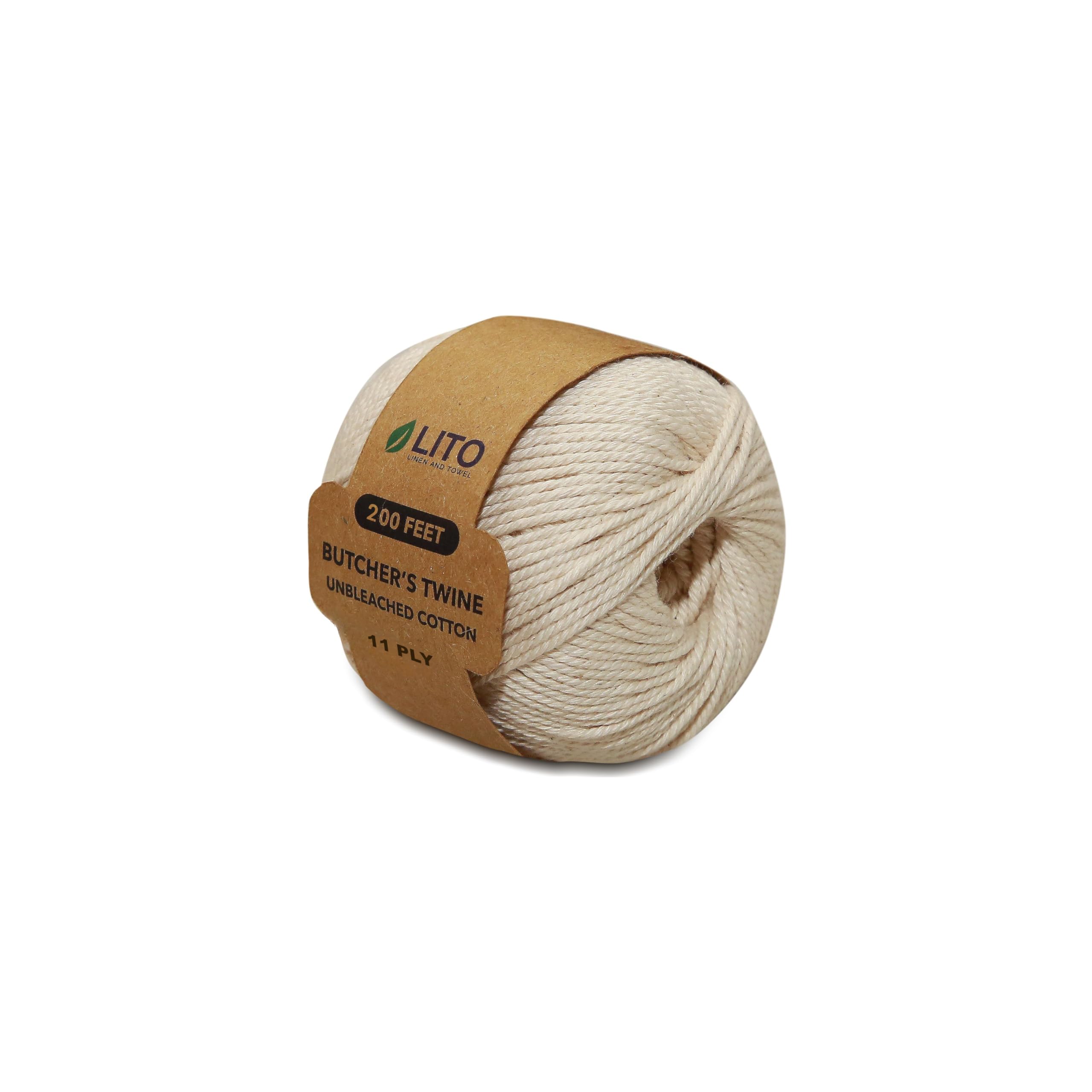
Cotton twine is popular in kitchens. It is soft, strong, and heat resistant. It can safely go into the oven. It does not melt or catch fire easily. Ideal for tying roasts, poultry, and herbs.
Linen Twine
Linen twine is made from flax fibers. It is thinner and smoother than cotton. It handles heat well and is also oven safe. Often used for delicate tasks like trussing poultry. It holds shape without cutting into food.
Synthetic Twine
Synthetic twine is made from plastic fibers. It is not suitable for oven use. It melts at high temperatures and can release harmful fumes. Avoid using synthetic twine for cooking. Always check the label before use.

Credit: www.amazon.ca
Heat Resistance Of Twine Materials
Knowing the heat resistance of kitchen twine materials is important before placing them in the oven. Different twines react differently to heat. Some can handle oven temperatures safely, while others may melt or catch fire. Choosing the right type keeps your food safe and your cooking smooth.
Temperature Limits For Cotton And Linen
Cotton and linen twines are common choices in kitchens. Both are natural fibers and can tolerate heat well.
- Cotton twine can usually handle temperatures up to 400°F (204°C).
- Linen twine also withstands similar heat levels without damage.
These twines burn slowly rather than melting. They are safe for most oven tasks like tying roasts or poultry. Still, avoid exposing them to direct flames or very high heat above 450°F.
Risks Of Synthetic Twine In Heat
Synthetic twines are often made from nylon or polyester. These materials have lower heat resistance compared to natural fibers.
- Nylon twine melts around 500°F (260°C), but it softens at lower temperatures.
- Polyester twine melts near 480°F (250°C) and can release harmful fumes.
Using synthetic twine in the oven can cause melting or toxic smoke. It may also stick to food, ruining your dish. Avoid synthetic twine for any cooking that involves heat. Stick to cotton or linen for safe and effective results.
Safe Uses Of Kitchen Twine In Cooking
Kitchen twine is an essential tool in many kitchens. It is safe for use in the oven. Made from cotton, it doesn't melt under high heat. It's perfect for ensuring that your dishes come out perfectly cooked. Let's explore some safe ways to use kitchen twine in cooking.
Roasting And Trussing Meat
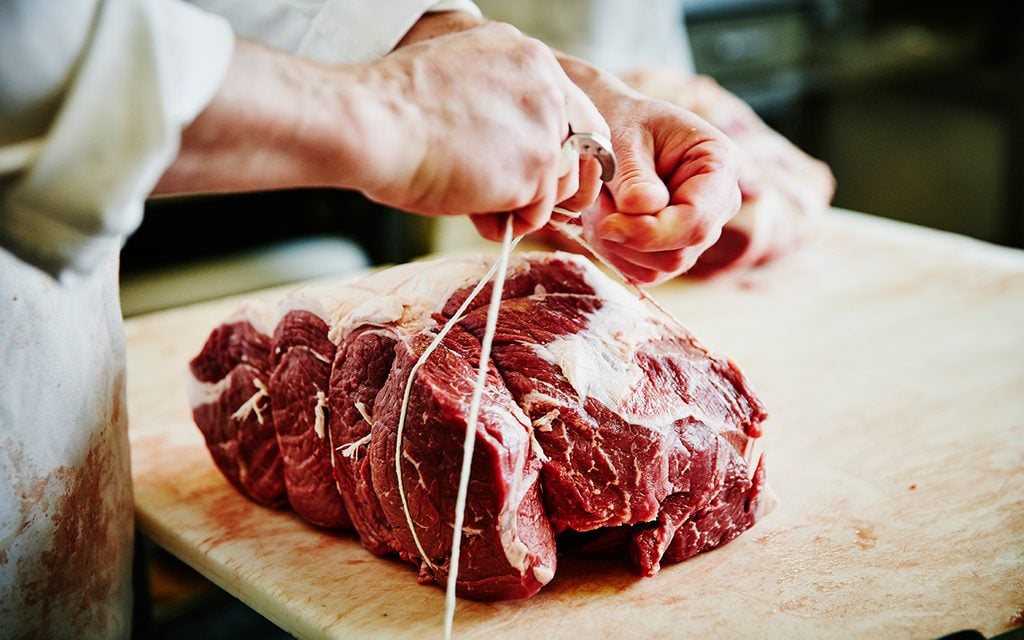
Roasting and trussing meat helps it cook evenly. Using kitchen twine, tie the meat tightly. This keeps its shape and holds in flavors. For poultry, tie the legs and wings close to the body. This prevents them from burning. It also helps the bird cook uniformly. Use twine for beef or pork roasts. It holds the shape and makes slicing easier.
Securing Stuffed Foods
Stuffed foods can be tricky. They often fall apart during cooking. Kitchen twine solves this problem. Use it to secure stuffed chicken breasts or roulades. Tie a knot around the food to keep fillings inside. Twine keeps everything in place while baking or roasting. It ensures your stuffed dishes look as good as they taste.
Potential Hazards In The Oven
Using kitchen twine in the oven might seem straightforward, but there are hidden risks you should know about. Not all twine is safe for high heat, and ignoring this can lead to unexpected problems. Understanding these hazards helps you avoid kitchen mishaps and ensures your food stays safe and tasty.
Melting And Burning Risks
Most kitchen twine is made from cotton or linen, which generally handle oven heat well. However, some twines contain synthetic fibers that can melt or burn at high temperatures. If the twine melts, it can stick to your food, ruining the texture and flavor.
Burning twine can also create unpleasant smoke or even catch fire. Imagine carefully roasting a chicken only to have blackened, burnt twine ruining your presentation. Always check the twine's material and the oven temperature before using it.
Chemical Contamination Concerns
Not all twine is food-safe. Some types are treated with chemicals to prevent mold or strengthen fibers. These chemicals can release harmful fumes or leach into your food when heated.
You might think that rinsing or soaking twine removes these chemicals, but it doesn’t always work. To stay safe, buy twine labeled as "food-grade" or "butcher’s twine," designed for cooking and oven use.
Tips For Oven-safe Twine Use
Using kitchen twine in the oven can simplify cooking tasks, but not all twine is made for the heat. Knowing how to pick and handle oven-safe twine can prevent kitchen mishaps and keep your meals on track. Here are essential tips to help you use twine safely and effectively during roasting or baking.
Choosing The Right Twine
Not every twine is safe for oven use. Look for 100% cotton or linen twine labeled as “oven-safe” or “food-safe.” Avoid synthetic twine like nylon or polyester—they can melt or release harmful fumes when heated.
Natural fibers withstand oven temperatures without breaking down. This means your roast stays neatly tied, and you avoid chemical contamination. Have you checked the twine packaging before your last roast?
Preparing Twine For Cooking
Before tying your meat or vegetables, soak the twine briefly in water. Wet twine reduces the chance of burning or charring in the oven. It also helps keep the twine flexible for a tighter, secure knot.
Trim any excess twine after tying to prevent loose ends from catching fire. This small step can make a big difference in safety and presentation. How often do you take a moment to prepare your twine properly?
Avoiding Direct Contact With Heating Elements
Place your twine-tied food away from oven walls and heating elements. Direct contact with the heating coil or flame can cause the twine to burn quickly. Position food in the center of the oven or on a rack to keep it safe.
If your oven has a broiler, avoid using twine under it. High, direct heat can char or ignite the twine. Have you noticed how placement affects how your roast cooks and looks?
Credit: www.tasteofhome.com
Alternatives To Kitchen Twine For Oven Cooking
Kitchen twine is common for holding food shapes during cooking. It withstands oven heat well but not everyone has it at home. Many safe and effective alternatives can replace twine in the oven.
These substitutes keep food secure and cook evenly without melting or burning. Choose one based on what you have and the dish you make.
Silicone Bands
Silicone bands are flexible and heat resistant. They hold roasts or bundles tightly. They do not burn or melt in the oven. Silicone is easy to clean and reusable. This option is safe and eco-friendly.
Metal Skewers
Metal skewers pierce through food to hold it together. They stay firm in high oven heat. Skewers work well for rolled meats or stuffed vegetables. Use several skewers for larger items. They are easy to remove after cooking.
Butcher’s Wire
Butcher’s wire is strong and heat resistant. It works like twine but lasts longer. The wire keeps meat shapes tight and secure. It suits heavy roasts or thick cuts. Handle with care to avoid sharp ends.

Credit: www.ebay.ca
Frequently Asked Questions
Can Kitchen Twine Be Safely Used In The Oven?
Yes, kitchen twine made of 100% cotton is oven-safe. It can withstand temperatures up to 400°F without melting or burning. Avoid synthetic twine as it can release harmful fumes.
What Temperature Can Kitchen Twine Handle In Ovens?
Kitchen twine typically withstands oven temperatures up to 400°F (204°C). Beyond this, it may char or ignite. Always check twine packaging for specific heat limits.
Is It Safe To Tie Meat With Kitchen Twine For Roasting?
Absolutely. Kitchen twine securely holds meat shapes during roasting, helping even cooking. Use food-grade cotton twine to avoid contamination or melting risks.
Can Kitchen Twine Catch Fire Inside The Oven?
Yes, if exposed to very high heat or open flames, twine can ignite. Keep oven temperatures within recommended limits and avoid direct contact with heating elements.
Conclusion
Kitchen twine can be safe in the oven if it is 100% cotton. Avoid twine with synthetic materials, which may melt or catch fire. Keep the twine snug but not too tight around food. Always check the twine’s label before use.
Using the right twine helps cook food evenly and keeps it secure. Small steps like these make cooking safer and easier. Remember, simple tools can make a big difference in your kitchen. Choose wisely and enjoy your meal!