
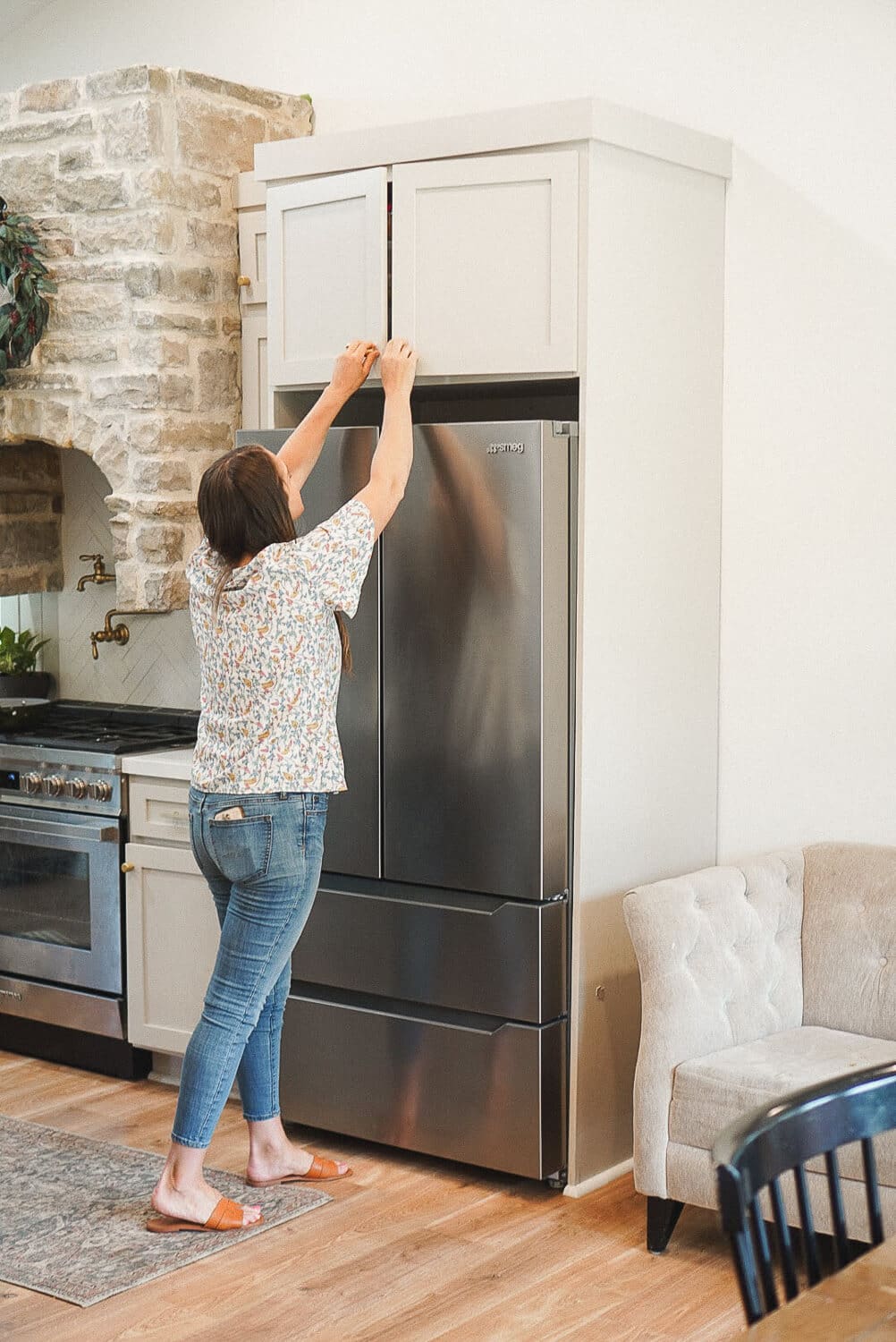
Are you wondering if you can just put your refrigerator anywhere in your kitchen? It might seem simple, but where you place this essential appliance can make a big difference in how your kitchen feels and works.
Your fridge isn’t just a storage box—it affects your cooking flow, energy use, and even how fresh your food stays. Keep reading to discover the key things you need to know before deciding the perfect spot for your refrigerator. This small decision could change the way you enjoy your kitchen every day.
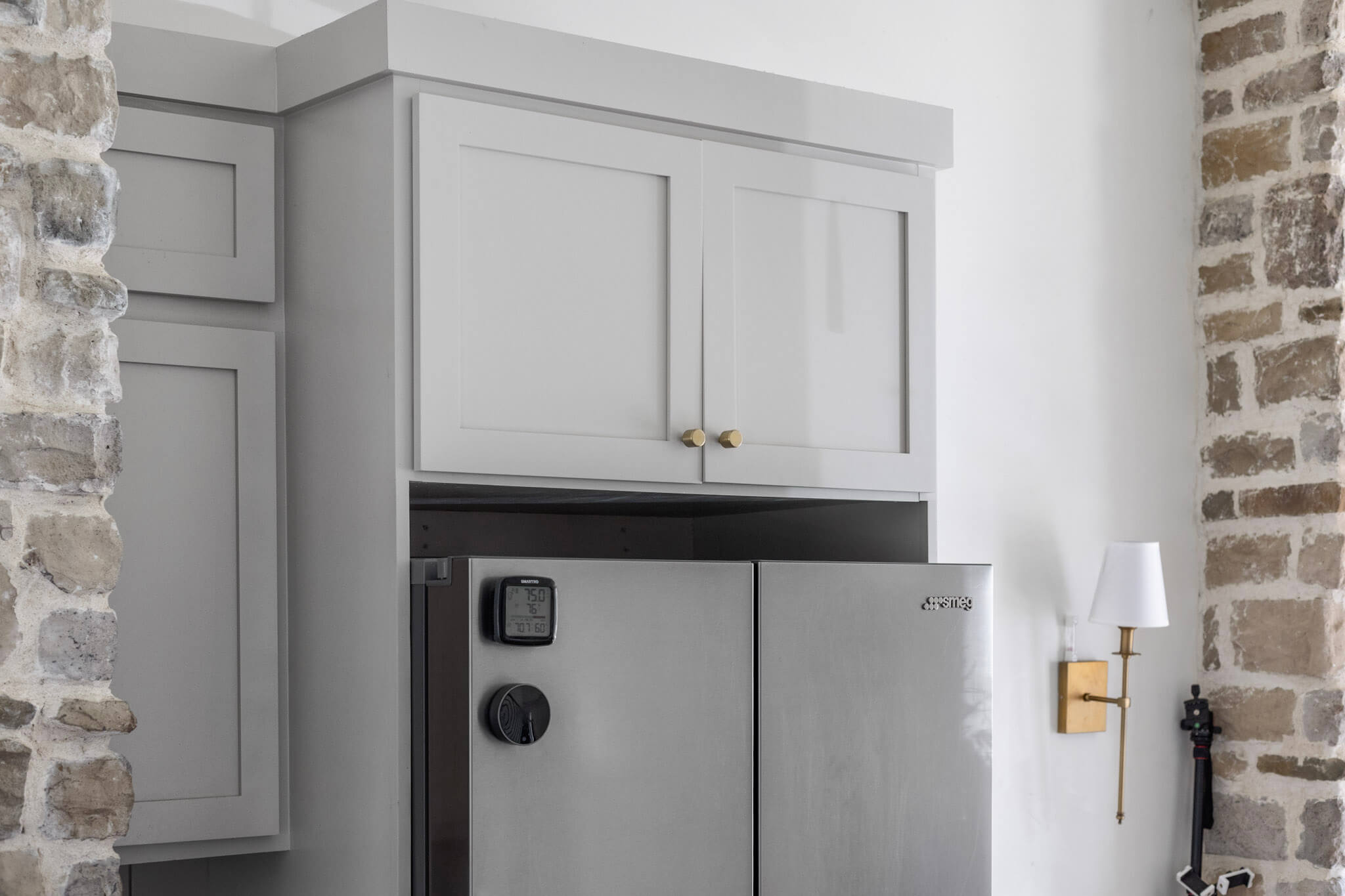
Credit: crystelmontenegrohome.com
Ideal Refrigerator Placement
Finding the ideal spot for your refrigerator in the kitchen isn’t just about fitting it into an empty corner. Placement affects how smoothly your kitchen flows and how comfortable you feel while cooking or grabbing a snack. Think about how often you open your fridge and what other activities happen nearby to decide the best location.
Near The Cooking Area
Placing the refrigerator close to where you cook can save you a lot of steps. You can quickly grab ingredients like vegetables, sauces, or dairy without crossing the kitchen. It makes meal prep faster and keeps your cooking rhythm steady.
However, avoid putting it too close to the stove or oven. Heat from these appliances can force your refrigerator to work harder, using more energy. A small gap or a heat shield can help maintain efficiency and keep your fridge running smoothly.
Close To The Dining Space
Having the fridge near your dining area is handy for serving drinks or grabbing quick snacks during meals. It’s especially useful in open-plan homes where the kitchen and dining spaces blend together.
This setup encourages family members or guests to help themselves without interrupting the cook. But, think about noise levels—if your fridge hums loudly, it might disturb conversations or quiet dinners.
Accessible Traffic Flow
Is your fridge placed where it won’t block the kitchen path? Accessibility matters for everyday use. You want to open the door fully without bumping into counters or other appliances.
Consider who uses the kitchen the most. If you have kids, a spot that’s easy for them to reach encourages independence. Also, avoid placing your fridge in narrow walkways where it could cause congestion during busy meal times.
Avoiding Common Placement Mistakes
Choosing the right spot for your refrigerator is more than just fitting it into an empty corner. Avoiding common placement mistakes can save you from future headaches like inefficient cooling, higher energy bills, and constant door bumps. Let's look at some key factors that often get overlooked but make a big difference in how your fridge performs and fits in your kitchen.
Steering Clear Of Heat Sources
Placing your fridge near heat sources like ovens, stoves, or direct sunlight forces it to work harder to stay cool. This extra effort can wear down the compressor faster and increase your electricity bill. Have you ever noticed your fridge running almost constantly after cooking? That’s a sign it’s battling nearby heat.
Try to position your refrigerator away from these heat spots. If your kitchen layout limits options, consider installing a heat shield or using curtains to block sunlight. Small adjustments can keep your fridge running efficiently and save energy.
Preventing Door Obstruction
It's easy to overlook whether the fridge door has enough space to open fully. A door that bumps into cabinets, walls, or other appliances not only makes access frustrating but can also damage the door seal over time. Imagine trying to pull out a tray of food only to get stuck because the door won’t open wide enough.
Measure the clearance on both sides before settling on a spot. Make sure you have at least 90 degrees of door swing for easy loading and unloading. If space is tight, consider a fridge with reversible doors or designs that fit better in narrow spots.
Allowing Proper Ventilation
Refrigerators need space around them to breathe. Without proper ventilation, heat builds up behind or underneath the appliance, causing it to overheat and reduce lifespan. Have you ever felt the back of your fridge getting warm? That’s a sign poor airflow is making it work overtime.
Leave at least 2 to 3 inches of space on all sides, especially the back. Avoid stuffing your fridge into a tight cabinet without vents. Simple air circulation can keep your fridge cool and quiet, reducing repair costs down the road.
Size And Space Considerations
Choosing the right spot for your refrigerator involves more than just picking a free corner. Size and space considerations are crucial to ensure the appliance fits well and functions efficiently. Understanding these factors can save you from awkward placements that disrupt your kitchen flow or even block access.
Measuring Your Kitchen Layout
Start by measuring the exact space where you want to place the refrigerator. Include width, height, and depth to match the fridge dimensions precisely.
Don’t forget to measure pathways and nearby counters. This helps you avoid tight spots that could make moving around difficult or limit door opening.
Accounting For Door Swing
Refrigerator doors need enough room to open fully without hitting walls or cabinets. Think about how much clearance the door requires on each side.
If your kitchen has narrow walkways, consider a model with reversible doors or a sliding option. You want to ensure easy access without squeezing between appliances.
Balancing Space And Functionality
It’s tempting to squeeze your fridge into a tight space, but ask yourself: will you be able to use it comfortably every day?
Keep enough space around the fridge for ventilation and to prevent overheating. Also, plan for nearby countertop space where you can place groceries after unloading.
Have you noticed how a cramped fridge spot can slow down your cooking routine? Prioritizing both size and usability can make your kitchen more enjoyable and efficient.
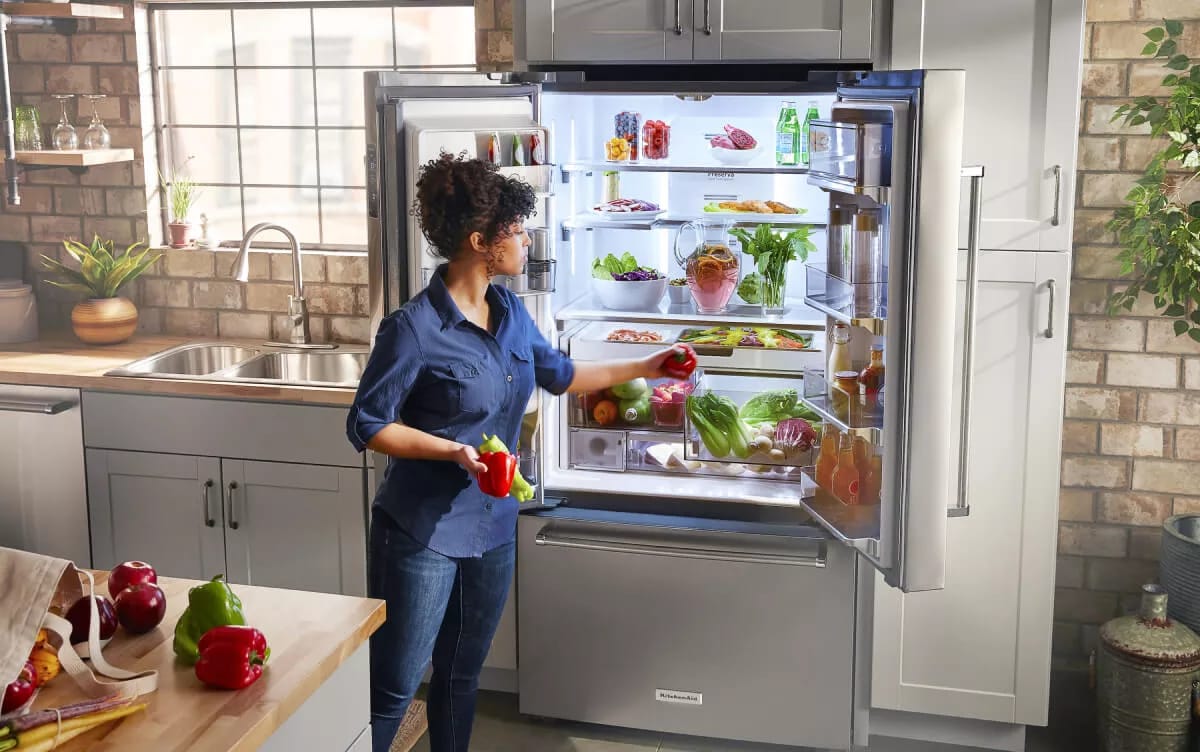
Credit: www.kitchenaid.com
Electrical And Safety Factors
Placing a refrigerator in your kitchen requires careful consideration. Electrical and safety factors are crucial. These factors ensure the appliance operates efficiently and safely. Ignoring them can lead to problems.
Proximity To Power Outlets
Your refrigerator needs a reliable power source. Place it near a power outlet. This avoids the use of extension cords. Extension cords can be a fire hazard. Ensure the outlet can handle the fridge’s power needs. Check the voltage and amperage requirements. This prevents electrical overloads.
Avoiding Water Exposure
Water and electricity do not mix. Keep the refrigerator away from sinks and dishwashers. This reduces the risk of water exposure. Water can damage electrical components. It also poses a shock hazard. Ensure the area remains dry and safe. Consider the kitchen layout for optimal placement.
Ensuring Stable Surface
A stable surface is vital. Uneven floors can cause the fridge to tilt. This affects cooling efficiency. It can also cause noise and vibration. Use a level to check the surface. Adjust the refrigerator’s feet if necessary. A stable fridge lasts longer and works better.
Design And Aesthetics Tips
Choosing the right spot for your refrigerator isn’t just about convenience; it also shapes your kitchen’s overall look. Design and aesthetic choices play a big role in how your kitchen feels and functions. Paying attention to these details can make your kitchen more inviting and visually balanced.
Matching Kitchen Style
Think about your kitchen’s current style before placing your fridge. Is your kitchen modern, rustic, or traditional? Picking a refrigerator that complements this style helps create a seamless look.
If your kitchen has a sleek, modern vibe, go for a fridge with clean lines and minimal handles. In a farmhouse or vintage kitchen, a fridge with retro design or classic details fits better. Matching styles ensures your refrigerator doesn’t stick out like a sore thumb.
Using Built-in Or Freestanding Models
Decide if you want a built-in or freestanding refrigerator based on space and design goals. Built-in models blend smoothly with cabinetry, giving your kitchen a custom, high-end feel.
Freestanding refrigerators offer flexibility—they can be moved around if you want to change the kitchen layout. But they might not always match your cabinets perfectly. Ask yourself how much you value seamless integration versus flexibility.
Incorporating Color And Finish
Color and finish can dramatically affect your kitchen’s vibe. Stainless steel fridges are popular because they look clean and modern, but they can show fingerprints easily.
Consider matte finishes or colored refrigerators if you want to add personality or contrast. For example, a bold red fridge can become a fun focal point in a neutral kitchen. What color do you think would brighten up your space?
Special Kitchen Layouts
Special kitchen layouts need careful planning for refrigerator placement. The fridge is a large appliance. It affects traffic flow and kitchen function. Choosing the right spot can save space and improve convenience. Different kitchen shapes call for different fridge locations. Here are some tips for common special layouts.
Small Or Compact Kitchens
Space is limited in small kitchens. The fridge must fit without blocking doors or work areas. Choose a slim or under-counter model if needed. Place it near the cooking or prep area for easy access. Avoid spots that make the kitchen feel crowded. Think vertical storage above or beside the fridge to maximize space.
Open Concept Spaces
In open kitchens, the fridge can also impact the living area. It should blend well with the decor. Consider built-in or panel-ready fridges for a seamless look. Place it where it won’t interrupt the flow between kitchen and living room. Keep it accessible but out of direct sightlines if possible. Noise level matters too, as open spaces carry sound easily.
Galley And L-shaped Kitchens
Galley kitchens have two parallel counters. The fridge fits well at one end to avoid blocking the walkway. Keep it near the cooking zone for quick access. L-shaped kitchens offer more corner space options. The fridge works well in the corner or along the shorter wall. Make sure the door swings don’t interfere with cabinets or appliances.
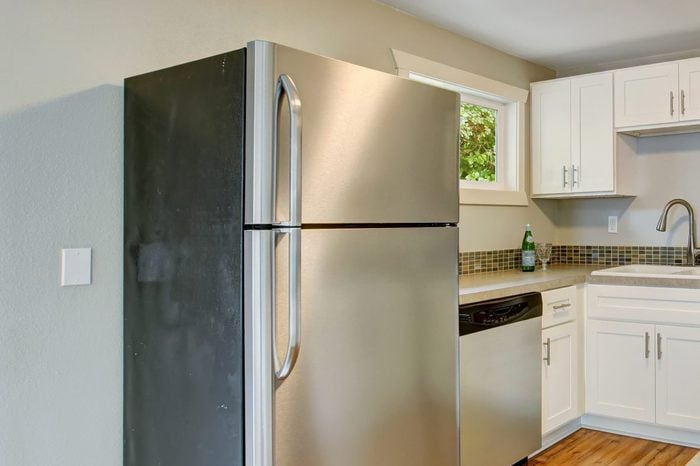
Credit: www.rd.com
Frequently Asked Questions
Can You Place A Refrigerator Anywhere In The Kitchen?
No, refrigerators need proper ventilation and space. Avoid placing them near heat sources or in tight corners. Proper placement ensures efficient cooling and energy savings.
How Far Should A Fridge Be From The Wall?
Leave at least 2-3 inches of space between the fridge and the wall. This gap allows air circulation to prevent overheating and maintain performance.
Is It Okay To Put A Fridge Next To The Oven?
No, placing a fridge next to an oven is not recommended. Heat from the oven makes the fridge work harder, increasing energy use and reducing lifespan.
Can A Fridge Block Kitchen Workflow If Placed Incorrectly?
Yes, poor fridge placement can disrupt kitchen workflow. It should be near workspaces but not obstruct pathways for smooth cooking and cleaning.
Conclusion
Choosing the right spot for your refrigerator matters a lot. It needs space to open and good air flow. Avoid placing it near heat sources or in tight corners. Think about kitchen flow and how you cook. A well-placed fridge makes daily tasks easier and saves energy.
Take time to plan before moving it. A smart choice keeps your kitchen neat and your food fresh. Simple steps lead to a better kitchen setup.