
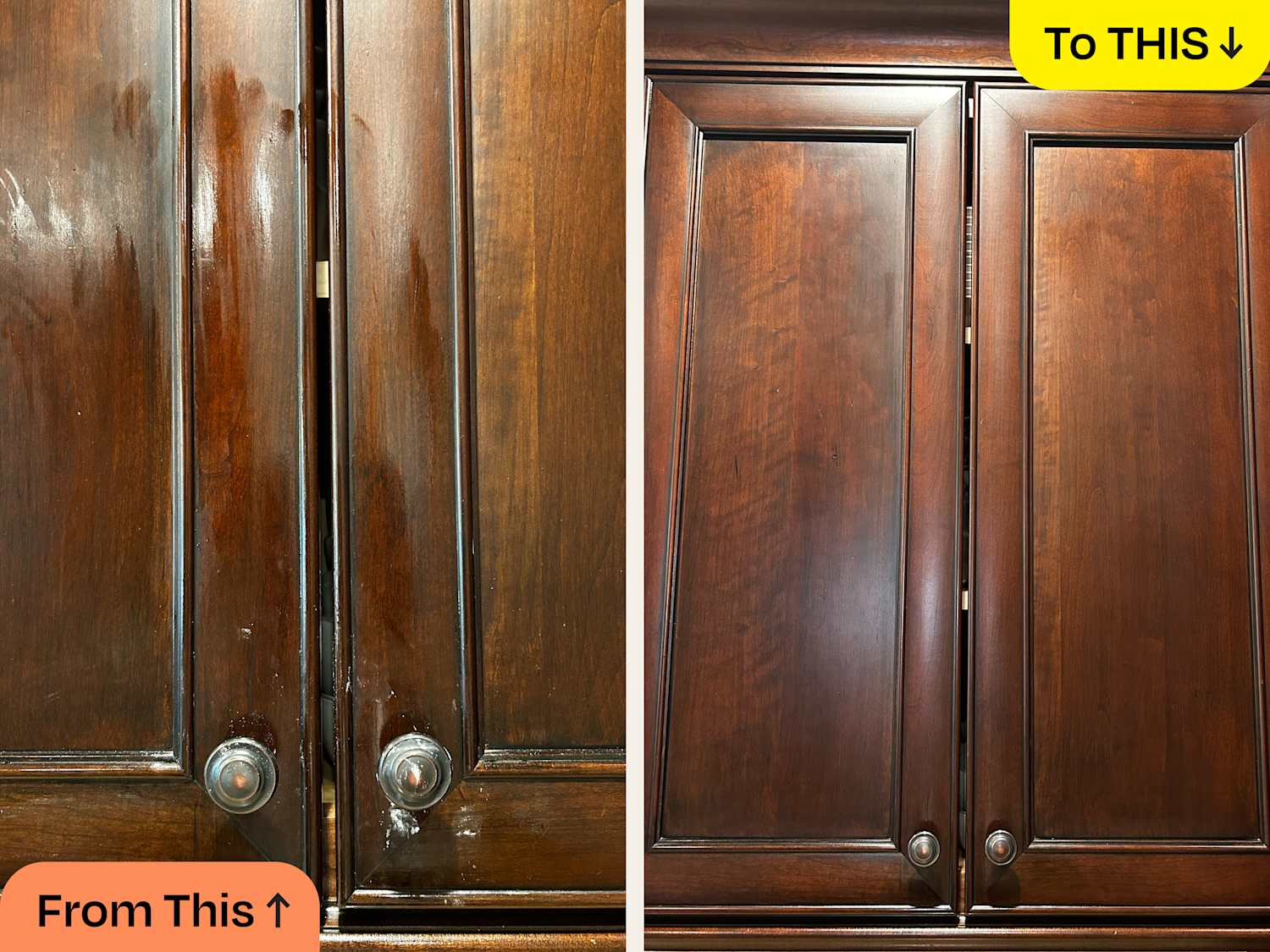
Are your kitchen cupboards looking dull or sticky from everyday use? You might be wondering if steam cleaning is a safe and effective way to bring back their shine.
Imagine quickly wiping away grease and grime without harsh chemicals—sounds great, right? But before you grab that steam cleaner, it’s important to know how it can affect your cupboards’ material and finish. Keep reading to discover whether steam cleaning is the right solution for your kitchen cupboards and how to do it safely for the best results.

Credit: www.youtube.com
Benefits Of Steam Cleaning Cupboards
Steam cleaning kitchen cupboards offers multiple benefits for maintaining a fresh and healthy kitchen. It uses hot steam to clean surfaces deeply and effectively. This method tackles dirt and grime without harsh chemicals or scrubbing. Steam penetrates tiny cracks and corners that traditional cleaning may miss. It is a safe, quick, and eco-friendly way to keep cupboards spotless and germ-free.
Sanitizing Without Chemicals
Steam cleaning kills bacteria, germs, and mold naturally. The high temperature destroys harmful microbes on cupboard surfaces. This process avoids the use of chemical cleaners, which can leave residues. It is ideal for kitchens where food safety matters. Steam also removes odors caused by bacteria without artificial fragrances.
Removing Tough Stains
Stubborn stains like grease and food marks fade easily with steam. The heat softens sticky residues, making them easy to wipe away. Steam reaches into crevices where stains settle, cleaning areas that cloths can’t reach. It reduces the need for strong scrubbing and abrasive cleaners, protecting cupboard finishes.
Eco-friendly Cleaning
Steam cleaning uses only water and electricity, producing no chemical waste. It reduces plastic bottle use by eliminating many cleaning products. This method saves water compared to traditional mopping and rinsing. Steam cleaning supports a greener lifestyle by lowering your home’s chemical footprint.
Materials Safe For Steam Cleaning
Knowing which kitchen cupboard materials can handle steam cleaning is key to protecting your investment. Not every surface is ready for the heat and moisture, so understanding your cupboard’s makeup will save you from costly damage. Let’s look at the types of materials that are safe to steam clean and those you should steer clear of.
Wood Types That Withstand Steam
Solid hardwood cupboards like oak, maple, and cherry are generally tough enough to handle steam cleaning. Their dense fibers resist moisture better than softer woods, reducing the chance of warping or swelling.
Still, it’s best to avoid prolonged steam exposure. Quick passes with a steam cleaner followed by immediate drying work best. Have you noticed how a little water can sometimes raise the grain on your wooden surfaces? Steam can do the same if you’re not careful.
Laminates And Veneers
Laminated cupboards usually have a protective plastic layer that can tolerate some steam, but you must be cautious. Steam can seep into edges or seams, causing the laminate to peel or bubble over time.
Veneers, being thin layers of real wood glued onto a substrate, are more delicate. Excessive steam may loosen the glue, leading to bubbling or lifting. Test a small hidden area first to see how your laminates and veneers react before treating the entire cupboard.
Avoiding Sensitive Surfaces
Some materials are simply not meant for steam cleaning. MDF, particleboard, and unsealed plywood soak up moisture quickly and swell, ruining the structure of your cupboards.
Also, painted or waxed finishes can strip or fade with steam. If your cupboards have these finishes, opt for gentler cleaning methods. Have you ever seen a cupboard door swell and stick after a cleaning mishap? Avoid that risk by knowing your material’s limits.
Preparing Cupboards For Steam Cleaning
Preparing your kitchen cupboards before steam cleaning is crucial for effective results and to avoid any damage. Taking a few careful steps can save you from potential headaches and ensure a smooth cleaning process. Let’s look at how to get your cupboards ready.
Emptying And Dusting
Start by removing everything from your cupboards. This clears the area and prevents moisture from harming your stored items. While empty, use a dry cloth or a soft brush to dust off crumbs and loose dirt.
Have you noticed how dust often gathers in corners you rarely check? Giving these spots attention makes steam cleaning more efficient and your cupboards truly fresh.
Checking For Damage
Before applying steam, inspect your cupboards closely. Look for peeling paint, loose veneers, or cracked wood. Steam can worsen these issues if not addressed first.
If you find damaged areas, fix or seal them to protect your cupboards. This small step preserves your kitchen’s look and prevents costly repairs later.
Protecting Hardware
Handles, hinges, and knobs can be vulnerable during steam cleaning. Consider covering them with plastic wrap or painter’s tape to shield them from moisture and heat.
Alternatively, you can remove some hardware temporarily if possible. This gives you better access to clean and protects metal parts from rust or warping.
Step-by-step Steam Cleaning Process
Start by clearing the cupboards and removing any loose dirt. Use a steam cleaner to gently clean all surfaces, focusing on corners and edges. Wipe down with a dry cloth to remove moisture and reveal refreshed cupboards.
Steam cleaning kitchen cupboards can be an efficient and chemical-free way to maintain a hygienic cooking space. It might seem daunting at first, but the process is straightforward with the right guidance. Imagine the satisfaction of opening your cupboards to a fresh, spotless interior. Here's a step-by-step guide to help you achieve just that.
Selecting The Right Steam Cleaner
Choosing the appropriate steam cleaner is crucial for effective cupboard cleaning. A handheld steam cleaner is ideal due to its portability and precision. Ensure it has adjustable settings so you can control the intensity of the steam.
Adjusting Temperature And Pressure
It's essential to set the correct temperature and pressure on your steam cleaner. Higher temperatures can effectively remove grease and kill bacteria. However, be cautious with pressure settings to avoid damaging delicate surfaces.
Effective Cleaning Techniques
Start by emptying your cupboards completely. Use the steam cleaner to target corners and edges where dirt accumulates. Move steadily, allowing the steam to break down grime, then wipe surfaces with a clean cloth. Remember to dry the cupboards thoroughly to prevent moisture buildup. Have you ever thought about how much time and effort a steam cleaner could save you? It's a game-changer for maintaining kitchen hygiene with minimal elbow grease.
Common Mistakes To Avoid
Knowing what mistakes to avoid can save your kitchen cupboards from damage and keep them looking fresh longer. Steam cleaning is effective, but it requires care and attention to detail. Let’s look at common pitfalls that could turn your cleaning effort into a costly error.
Overusing Steam
Steam is powerful but too much of it can harm your cupboards. Excessive steam exposure can cause wood to swell, warp, or peel paint.
Try to limit steam application to brief bursts and avoid lingering in one spot for too long. Think about how you clean with water—would you soak your cupboards? Probably not, so keep steam light and controlled.
Ignoring Material Compatibility
Not all cupboard surfaces react the same to steam. Solid wood, laminate, and veneer require different care.
For instance, laminate can delaminate if exposed to moisture too long, while untreated wood may absorb steam and swell. Always check manufacturer guidelines or test steam on a hidden area first.
Skipping Post-cleaning Care
Cleaning isn’t finished when the steam is off. Moisture left behind can cause mold or weaken adhesive joints.
Wipe down cupboards with a dry cloth immediately after steaming. Ventilate your kitchen to help cupboards dry faster and maintain their condition.
Maintaining Cupboards After Steam Cleaning
Maintaining your kitchen cupboards after steam cleaning is essential to keep them looking fresh and prolong their lifespan. Steam cleaning removes tough grime and bacteria, but the process leaves moisture behind that needs proper attention. Without good maintenance, you risk damage like warping or mold growth, which can undo all your hard work.
Drying And Ventilation Tips
After steam cleaning, the first thing you should do is dry your cupboards thoroughly. Open all cupboard doors and windows to let fresh air circulate. This helps moisture evaporate faster and prevents damp spots that can cause damage.
If possible, use a fan or dehumidifier in the kitchen to speed up drying. Avoid wiping the cupboards with a wet cloth right after steam cleaning, as this adds extra moisture. Instead, use a dry microfiber cloth if you need to remove any remaining dampness.
Regular Upkeep Strategies
Keeping your cupboards clean between steam cleaning sessions is simple but effective. Wipe them down weekly with a mild soap solution and a soft cloth to remove grease and dust. This prevents buildup that makes deep cleaning harder later on.
Pay attention to handles and edges where dirt collects most. Try using natural cleaners like vinegar diluted with water for a safe, streak-free finish. Have you noticed how small, regular efforts make your kitchen feel fresher and more inviting?
When To Repeat Steam Cleaning
How often you steam clean depends on your kitchen’s usage and environment. If you cook daily and produce a lot of grease and spills, steam cleaning every 3 to 6 months keeps cupboards in top shape. For less frequent cooking, once or twice a year might be enough.
Look out for signs like sticky surfaces, lingering odors, or visible dirt to decide if it’s time for another session. Waiting too long can make stains harder to remove and invite bacteria growth. Staying proactive means your cupboards stay spotless and hygienic without extra effort.
Alternatives To Steam Cleaning
Steam cleaning is popular for kitchen cupboards, but it is not the only choice. Some cupboards may not handle steam well. Other cleaning options can be just as effective. These alternatives suit different cupboard materials and cleaning needs.
Traditional Cleaning Methods
Using a soft cloth and warm water is a simple way to clean cupboards. A mild dish soap mixed with water helps remove grease and dirt. Wipe down cupboards gently to avoid damage.
- Use a microfiber cloth for better dust and dirt pickup.
- Rinse the cloth often to avoid spreading grime.
- Dry cupboards with a clean towel to prevent water damage.
Chemical Cleaners
Many commercial products target kitchen grease and stains. These cleaners work fast and require little effort. Choose products that are safe for your cupboard material.
- Check labels for suitability on wood or laminate.
- Use gloves to protect your skin from harsh chemicals.
- Test cleaner on a small area before full use.
Natural Homemade Solutions
Homemade cleaners use simple ingredients from your kitchen. They are gentle and eco-friendly. Common mixes include vinegar, baking soda, and lemon juice.
- Mix equal parts vinegar and water for a mild cleaner.
- Sprinkle baking soda on stains, then wipe with a damp cloth.
- Lemon juice helps remove tough grease and leaves a fresh scent.

Credit: www.aol.com

Credit: www.aol.com
Frequently Asked Questions
Can You Steam Clean All Types Of Kitchen Cupboards?
Steam cleaning is safe for most sealed cupboards. Avoid it on unsealed wood to prevent damage and warping.
How Often Should You Steam Clean Kitchen Cupboards?
Steam clean cupboards every 3 to 6 months. Frequent cleaning helps remove grease, grime, and bacteria effectively.
Is Steam Cleaning Better Than Traditional Cleaning For Cupboards?
Steam cleaning uses less chemicals and kills bacteria better. It’s eco-friendly and reaches tough spots traditional methods might miss.
Can Steam Cleaning Damage Kitchen Cupboard Finishes?
Proper steam cleaning won’t damage sealed finishes. Use low steam settings to protect paint, varnish, and laminates from peeling.
Conclusion
Steam cleaning kitchen cupboards can be safe and effective. Use the right steam cleaner and low heat settings. Avoid excess water to protect wood surfaces. Always test a small area first for damage. Regular cleaning keeps cupboards fresh and free of grime.
Steam removes dirt and kills germs quickly. This method saves time and effort in the kitchen. Choose steam cleaning for a simple, green cleaning option. Clean cupboards look nice and last longer too. Give your kitchen a fresh, healthy shine today!