
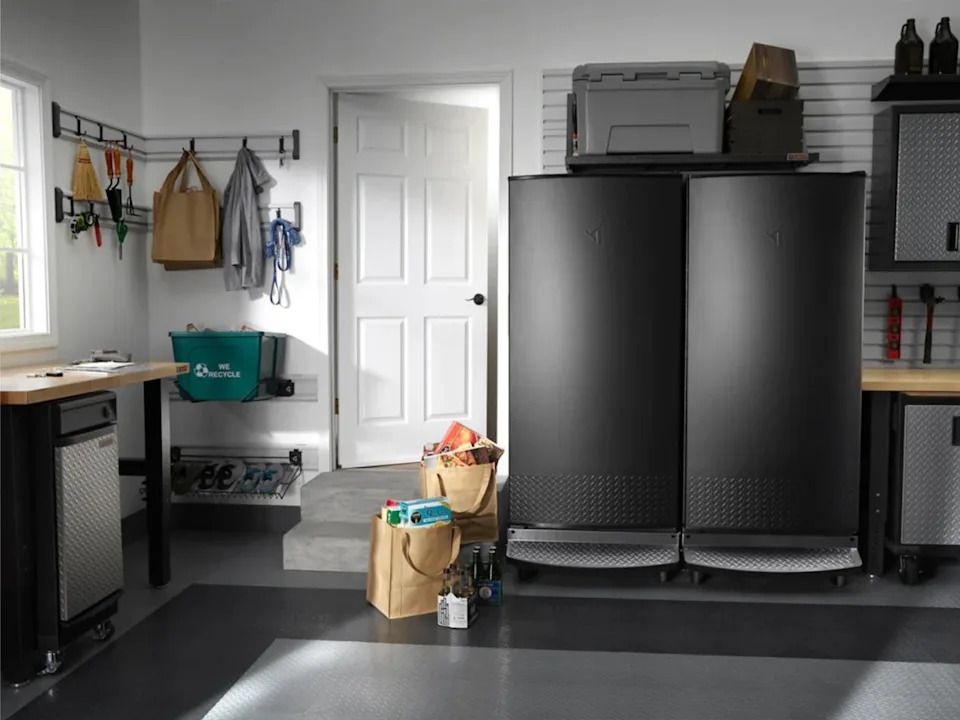
Are you thinking about putting a garage ready refrigerator in your kitchen? It might sound like a smart way to save money or space, but there’s more to consider than just where it fits.
Using a fridge designed for a garage in your kitchen can affect how well it works and how long it lasts. Before you make a decision, you need to know the key differences and what they mean for your home.
Keep reading to find out if a garage ready refrigerator is really the right choice for your kitchen.
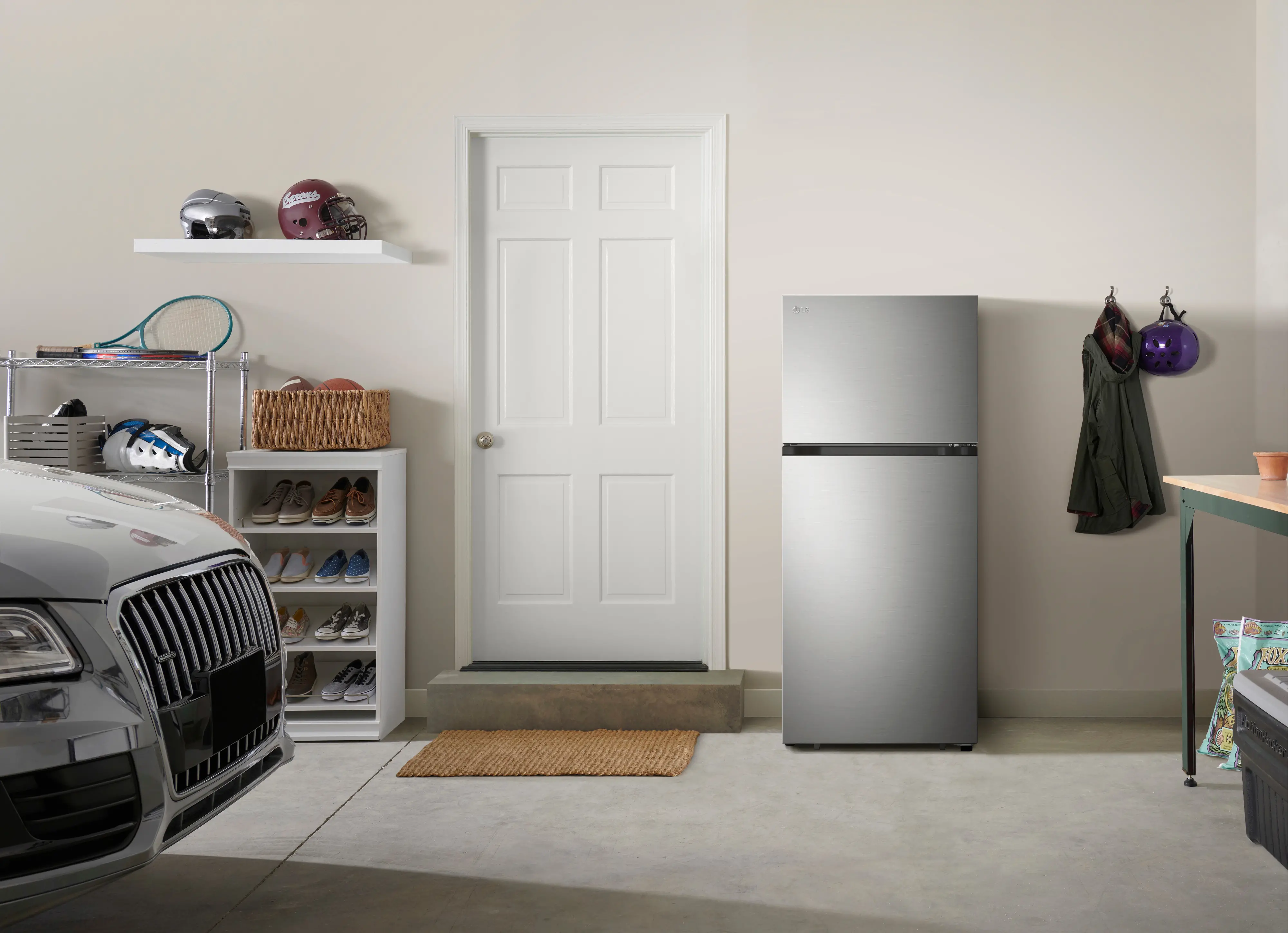
Credit: www.rcwilley.com
Garage Ready Refrigerator Features
Garage ready refrigerators are designed with specific features that allow them to perform well in environments that experience wider temperature swings than typical indoor kitchens. Understanding these features can help you decide if such a fridge fits your kitchen needs without compromising performance or energy costs.
Temperature Range Adaptability
Garage ready refrigerators can handle a broader range of temperatures, often from as low as 32°F (0°C) to as high as 110°F (43°C). This means they can maintain consistent cooling even in a chilly garage during winter or a hot garage in summer.
In a kitchen, where temperature is more stable, this adaptability might seem like overkill. However, it ensures your food stays fresh regardless of minor fluctuations in room temperature, offering peace of mind if your kitchen tends to get warm during cooking or on hot days.
Energy Efficiency In Garages
These refrigerators are built with insulation and compressors optimized to work efficiently in less controlled environments. They often use more robust components to prevent energy waste when external temperatures rise or fall outside normal ranges.
Using a garage ready refrigerator in your kitchen might slightly affect your energy bill because it's designed to work harder in extreme conditions. Yet, in a stable kitchen environment, it may actually run more efficiently since it rarely faces the extreme temperatures it was built for.

Credit: www.frigidaire.com
Kitchen Refrigerator Requirements
Your kitchen refrigerator plays a crucial role in food storage, preservation, and overall kitchen functionality. Understanding the specific requirements for a kitchen refrigerator helps you choose the right appliance that fits your needs and space. Let’s look at some key factors that define what a kitchen refrigerator needs to have to perform well and complement your kitchen environment.
Optimal Temperature Control
Keeping your food fresh depends heavily on the refrigerator's ability to maintain a consistent temperature. Kitchen refrigerators typically operate best between 35°F and 38°F (1.7°C to 3.3°C) for the fridge compartment and 0°F (-18°C) for the freezer. This precise control helps prevent food spoilage and bacterial growth.
Garage ready refrigerators often struggle to maintain these temperatures in a kitchen setting because they are designed to handle extreme temperature ranges, not fine-tuned control. Have you ever noticed your garage fridge running constantly or struggling to keep things cold in warmer indoor conditions? That’s a sign it might not meet the kitchen’s temperature stability needs.
Design And Aesthetic Considerations
Your kitchen is more than a place to store food; it’s a space where style and functionality meet. Kitchen refrigerators come in various finishes like stainless steel, matte, or custom panel-ready designs that blend seamlessly with your cabinetry. This attention to style helps your kitchen look polished and cohesive.
On the other hand, garage ready refrigerators often prioritize durability over looks. They tend to have bulkier designs and less refined finishes, which can disrupt the visual flow of a modern kitchen. Would you want a rugged, industrial-looking fridge standing out in your sleek kitchen? The answer usually leans towards no.
Comparing Garage Ready And Kitchen Refrigerators
Garage ready refrigerators are built to work in colder spaces, while kitchen models suit warmer indoor temperatures. Using a garage ready fridge in the kitchen may cause energy inefficiency and performance issues. Choosing the right type depends on where you plan to place the appliance.
When deciding between a garage-ready refrigerator and a traditional kitchen refrigerator, it's essential to weigh their differences carefully. Each type has its strengths and unique features tailored to different environments. Understanding these differences can help you make an informed choice that meets your needs.
Durability And Performance
Garage-ready refrigerators are designed to withstand a wider range of temperatures. They're built to handle the extreme cold of winter and the sweltering heat of summer. This resilience ensures consistent performance in less controlled environments like garages or basements. Kitchen refrigerators, on the other hand, are optimized for indoor use. They perform best in stable temperature conditions and may struggle in fluctuating climates. If your kitchen maintains a consistent temperature, a kitchen refrigerator can offer efficient cooling without the extra rugged features of its garage-ready counterpart.
Noise Levels And Vibration
Noise levels can be a deciding factor, especially if your living space is open or if noise sensitivity is a concern. Garage-ready refrigerators often produce more noise due to their robust compressors designed for extreme conditions. This might not be an issue in a garage, but it can become a disturbance in a quiet kitchen setting. Kitchen refrigerators typically have quieter operations. They're engineered for indoor acoustics, ensuring a peaceful environment. If you value tranquility in your home, a traditional kitchen refrigerator might be the better choice. Have you ever noticed how the hum of an appliance can become the background soundtrack of your home? Choosing wisely can make a big difference in your daily comfort.
Installation Tips For Garage Ready Models In Kitchens
Installing a garage ready refrigerator in your kitchen can be a smart choice, especially if you want a sturdy appliance that handles temperature fluctuations well. However, these models have specific requirements that differ from standard kitchen refrigerators. Paying attention to these details ensures your fridge runs efficiently and lasts longer.
Space And Ventilation Needs
Garage ready refrigerators often need more space around them compared to typical kitchen models. These units are designed to work in less controlled environments, so they require good airflow to prevent overheating.
Make sure you leave at least 2 to 3 inches of clearance on all sides. This gap helps with ventilation and keeps the compressor from working too hard. Also, avoid placing the fridge in tight corners or enclosed cabinets where air circulation is limited.
Think about where you can position your fridge so air flows freely. Have you checked if your kitchen layout allows for extra clearance without cramping your space?
Power Supply And Safety
Garage ready refrigerators may have different power requirements than standard kitchen models. Check the voltage and amperage specs before plugging the fridge into your kitchen outlet.
Using a dedicated circuit is often a good idea to prevent overloads and avoid tripping breakers. If you’re unsure about your kitchen’s electrical setup, consider consulting an electrician to install a proper outlet.
Don’t forget to verify that the power cord is rated for indoor kitchen use and isn’t damaged. Safety matters, especially since kitchens are busy spaces with lots of moisture and activity.
Potential Issues To Watch
Using a garage ready refrigerator in a kitchen setting might seem practical. There are some potential issues that need attention before making this choice. These problems can affect the appliance’s performance and your overall satisfaction.
Warranty And Service Limitations
Garage ready refrigerators often have different warranty terms than kitchen models. Some manufacturers limit coverage if the appliance is used outside intended environments. Service calls might be harder to get if the fridge is in a kitchen. Repair technicians may prioritize kitchen-specific models. This can delay fixes and increase costs.
Temperature Fluctuations Impact
Garage ready fridges are built for wider temperature ranges. They handle cold winters and hot summers better than regular kitchen fridges. Still, sudden indoor temperature changes can affect performance. In a kitchen, the fridge might cycle more often, using extra energy. Food preservation could suffer if temperatures are not stable. It may cause frost buildup or uneven cooling inside the fridge.
When A Garage Ready Fridge Makes Sense Indoors
Garage ready refrigerators are built to handle colder, less controlled spaces. Using one indoors might seem unusual. Yet, certain indoor settings can benefit from these fridges. Their durability and energy efficiency in cooler spots can make them a smart choice inside homes.
Budget-friendly Alternatives
Garage ready fridges usually cost less than standard kitchen models. They offer a practical solution for tight budgets. These units provide basic cooling without extra features. This saves money upfront and on energy bills over time. They suit people who need a simple fridge without luxury options.
Use Cases And Practical Scenarios
- Basement kitchens or secondary cooking areas
- Small apartments with limited space and low heating
- Homes in mild climates where room temperature stays cool
- Backup refrigerators for bulk food storage
- Workshops or home offices needing extra cold storage
These fridges work well in spots where temperature stays stable. They may not fit well in warm, humid kitchens. But in the right place, they provide reliable cooling and save money.
Maintenance Tips For Garage Ready Refrigerators Indoors
Keeping a garage ready refrigerator indoors means adjusting your maintenance habits. These units are built for tougher environments, but inside your kitchen, they still need regular care to run smoothly and efficiently. Paying attention to their unique design can help you avoid common issues and keep your fridge working well for years.
Cleaning And Upkeep
Start by cleaning the exterior and interior surfaces regularly to prevent dust and grime buildup. Use mild soap and warm water—avoid harsh chemicals that can damage the finish or seals.
Check the door gaskets often. If you notice cracks or dirt, clean them gently with a soft cloth. A tight seal keeps cold air in and reduces energy use.
Don’t forget the coils at the back or underneath. Dusty coils make your fridge work harder, raising your electricity bill and wearing out parts faster. Vacuum or brush them every few months.
Maximizing Lifespan
Temperature control is critical. Garage ready refrigerators can handle extreme temps, but indoors, keep them set between 37°F and 40°F for the fridge and 0°F for the freezer. This avoids overworking the compressor.
Think about air circulation around your fridge. Leave a few inches of space on all sides to prevent overheating. You might not have considered this, but poor airflow can shorten your fridge’s life.
Have you ever wondered how often to defrost? Even if your model is frost-free, small ice build-ups can occur. Defrosting when you see frost thicker than a quarter-inch helps maintain efficient cooling.
Lastly, listen for unusual noises or check for temperature fluctuations. These signs can alert you to early problems before costly repairs are needed. Your attention to detail here really pays off.
Credit: www.whirlpool.com
Frequently Asked Questions
Can A Garage Ready Refrigerator Work In A Kitchen?
Yes, a garage ready refrigerator can work in a kitchen. However, it is designed for wider temperature ranges. It may consume more energy in a stable kitchen environment. Check the model's specifications before using it indoors.
Are Garage Ready Refrigerators More Energy Efficient?
Garage ready refrigerators are less energy efficient indoors. They are built to operate in extreme temperatures. This design can lead to higher electricity use in kitchens. For best energy savings, choose a kitchen-specific refrigerator.
Do Garage Ready Refrigerators Affect Food Preservation?
Garage ready refrigerators maintain food safety but may vary in efficiency. Their temperature control adapts to fluctuating environments. In a kitchen’s stable climate, they perform well. Always monitor temperature settings to ensure optimal food preservation.
Is Installation Different For Garage Ready Refrigerators?
Installation is mostly the same for garage ready refrigerators. Ensure proper ventilation regardless of location. Garage models may require extra space for airflow. Follow manufacturer guidelines for safe and effective installation.
Conclusion
A garage ready refrigerator can work well in a kitchen with proper care. These models handle cold temperatures better but may run louder inside. Consider noise and space before choosing one. Check the fridge’s temperature settings to keep food fresh.
Many people use garage ready fridges indoors without issues. It depends on your kitchen needs and preferences. Choose the right model and maintain it regularly. This helps ensure your food stays safe and your kitchen stays comfortable.