
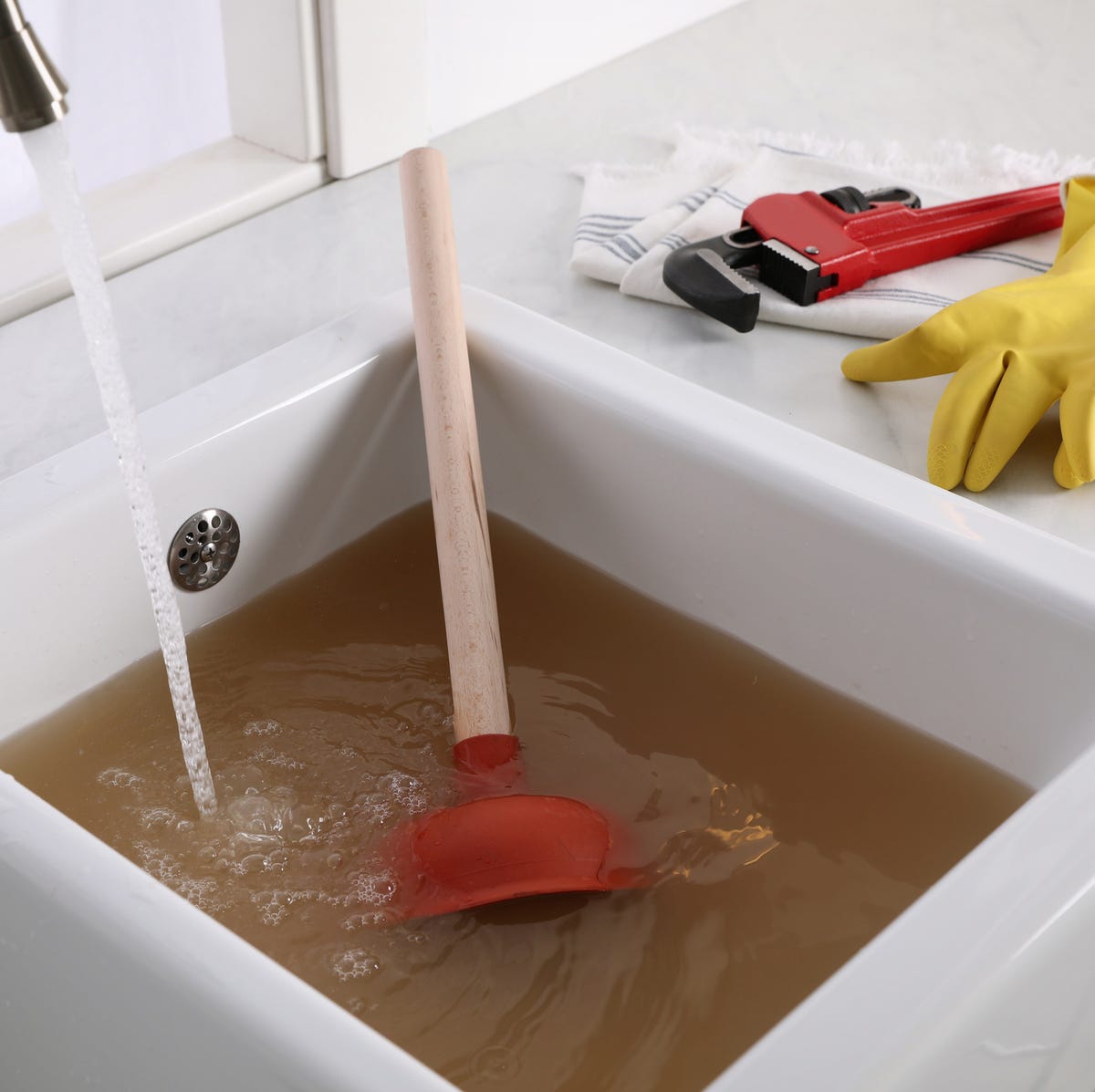
Have you ever faced a clogged kitchen sink and wondered if a simple plunger could fix the problem? You’re not alone.
When water won’t drain, it’s easy to feel stuck and unsure about what to do next. The good news is, you might already have the tool you need sitting right under your sink. But can you really use a plunger on your kitchen sink without making things worse?
Keep reading to discover the best way to tackle that stubborn clog and get your sink flowing smoothly again.
Credit: shopping.yahoo.com
When To Use A Plunger
Knowing when to use a plunger on your kitchen sink can save you time and frustration. Not every clog needs plunging, but recognizing the right moments can prevent small blockages from turning into bigger problems. Let’s look at the typical clogs you might face and how to tell if a plunger will be your best tool.
Common Kitchen Sink Clogs
Kitchen sinks often get clogged by food scraps, grease, and soap buildup. Items like coffee grounds, eggshells, and vegetable peels can slowly block the drain. Grease is especially tricky because it solidifies and sticks to pipes.
Hair and small debris sometimes slip down the drain too, creating a sticky mess. If you notice water draining slowly or pooling, a clog could be forming. Understanding what causes these blockages helps you decide if plunging is the right fix.
Signs A Plunger Can Help
Is your sink water draining slower than usual? Or does water back up when you run the faucet? These are clear signs a plunger might clear the blockage. A plunger works best when the clog is near the drain opening and caused by soft materials.
However, if you smell foul odors or hear gurgling sounds, plunging may not be enough. Sometimes, deeper blockages require a plumber’s snake or professional help. Before plunging, make sure the sink has some water to create a good seal with the plunger.
Have you ever tried plunging your kitchen sink and been surprised by how quickly it cleared? Sometimes a simple tool is all you need to fix what seems like a big problem.
Choosing The Right Plunger
Choosing the right plunger is key to clearing your kitchen sink effectively. Not all plungers work well for every drain type. Using the wrong plunger can make clogs worse or damage your pipes. Knowing the types of plungers helps pick the best tool for your kitchen sink. This ensures faster and easier unclogging.
Types Of Plungers
- Flat Plunger:A flat rubber cup on a straight handle. Best for flat surfaces like sinks.
- Flange Plunger:Has a rubber flange that extends from the cup. Designed for toilets but can work on some drains.
- Dome Plunger:Rounded cup shape. Provides a strong seal on uneven surfaces.
- Accordion Plunger:Made of hard plastic with a collapsible design. Delivers strong pressure but can be harsh on pipes.
Best Plunger For Kitchen Sinks
The flat plunger is the top choice for kitchen sinks. It seals well on the smooth sink surface and creates enough suction. Its simple design fits easily inside the sink drain opening. Flange plungers may not seal properly in sinks due to their shape. Dome plungers work but may be less effective than flat ones. Avoid accordion plungers as they are too strong and might damage the pipes.
Preparing The Sink
Preparing your kitchen sink is crucial before using a plunger. This ensures effective and safe plunging. It involves a few straightforward steps. Clear the sink area and focus on key tasks. These include removing debris and sealing openings. Each step enhances the plunging process.
Clearing Visible Debris
First, remove all visible debris from the sink. This includes food scraps and utensils. A clear sink allows the plunger to work efficiently. Use your hands or a cloth to pick up large pieces. Discard them in the trash. Avoid pushing debris further down the drain.
Once large debris is removed, rinse the sink. Use warm water to wash away smaller particles. This helps clear the drain and improve plunging results.
Sealing Overflow Openings
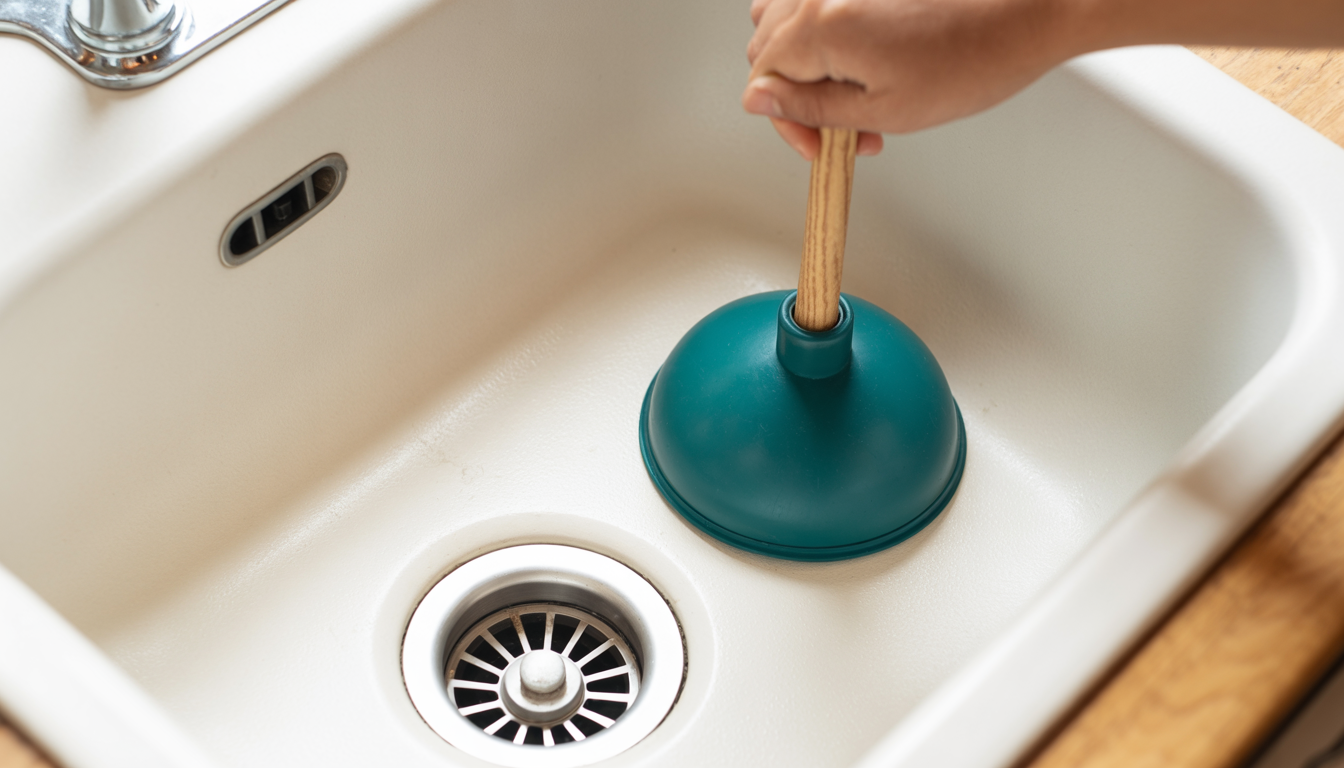
Next, seal the overflow openings. These are found in many sinks. They prevent water overflow but can hinder plunging. Use a wet cloth or duct tape to seal these openings. This creates a vacuum effect during plunging.
Ensure the seal is tight. A proper seal improves suction and effectiveness. This step is crucial for stubborn clogs. It enhances the power of each plunge.
Credit: qualitycool.com
Plunging Techniques
Using a plunger on a kitchen sink can clear blockages fast. The right plunging techniques improve pressure and help dislodge clogs effectively. Learning proper placement and motion makes the process easier and more successful.
Proper Plunger Placement
Place the plunger cup directly over the drain opening. Ensure it forms a tight seal around the sink drain. If your sink has a double basin, block the other drain with a wet cloth. This keeps air from escaping and increases pressure on the clog.
Effective Pumping Motions
Use slow, steady pumps at first to push water into the clog. Then switch to quick, forceful pumps to break the blockage. Avoid lifting the plunger too much; keep the seal intact to maintain pressure. Water, not air, moves the clog, so keep the cup full of water.
How Many Times To Plunge
Start with about 10 firm pumps per attempt. Check if the water drains after each round. Repeat if needed, but do not overdo it. Five to six rounds usually clear most clogs. Stop if nothing moves after repeated tries to avoid damage.
Safety Tips And Precautions
Using a plunger on a kitchen sink needs care and attention. Safety tips help prevent accidents and keep your kitchen clean. Taking precautions protects your hands, eyes, and surfaces from harm.
Avoiding Splashbacks
- Cover the sink drain with the plunger firmly.
- Use slow, steady plunges to reduce splashing.
- Wear old clothes or an apron to protect yourself.
- Keep your face and eyes away from the sink mouth.
- Place a cloth or paper towels around the sink edge.
Handling Chemicals Safely
- Never mix different drain cleaners or chemicals.
- Read the label instructions carefully before use.
- Wear rubber gloves to protect your hands.
- Ensure good ventilation in the kitchen area.
- Flush the sink with water after using chemicals.
- Store chemicals out of reach of children and pets.

Credit: www.drano.com
Alternative Methods For Tough Clogs
Tough kitchen sink clogs can challenge even the most patient homeowners. Sometimes, a plunger just doesn’t cut it, and you need alternatives that work deeper in the pipes. These methods target the clog more effectively and often use items you already have at home.
Using Baking Soda And Vinegar
This natural duo is a powerful way to tackle stubborn clogs without harsh chemicals. Start by pouring about half a cup of baking soda down the drain. Then, add half a cup of vinegar and cover the drain quickly to keep the fizzing reaction inside the pipes.
Wait for about 15 to 30 minutes while the mixture breaks down grease and grime. Finally, flush the drain with hot water to clear out loosened debris. I once had a clog that resisted plunging, but this method cleared it within half an hour.
Employing A Drain Snake
A drain snake is a handy tool that reaches deep into pipes to dislodge clogs physically. Insert the snake into the drain and turn the handle to push it further until you feel resistance. This means you've reached the clog.
Twist and pull the snake gently to break up or extract the blockage. After removing the snake, run hot water to flush out any remaining debris. Using a drain snake can save you a costly plumber visit and give you control over the situation.
When To Call A Professional
Knowing when to stop trying to fix a clogged kitchen sink yourself and call a professional can save you time, money, and frustration. A plunger works for many minor blockages, but some problems need expert tools and skills. Recognizing the signs that indicate a serious issue is crucial to avoid making the problem worse.
Signs Of Serious Blockages
Not all clogs respond to plunging. If your sink drains slowly despite multiple attempts, it could mean a deeper blockage. You might notice gurgling sounds from other drains or water backing up into the dishwasher or adjacent sinks.
Another red flag is persistent foul odors that don’t go away after cleaning. These signs suggest the clog is beyond the trap and might require professional inspection. Have you ever tried plunging only to see water rise or spill out? That’s a clear sign to stop and call for help.
Cost Considerations
Calling a plumber might seem expensive upfront, but it often saves money in the long run. DIY attempts can sometimes push debris further down the pipes, causing more damage and costly repairs. Professionals have the right equipment to fix the problem efficiently the first time.
Think about your time and effort too. Spending hours trying to fix a blockage might not be worth it if a quick call to a plumber can resolve the issue promptly. Sometimes, investing in professional service prevents recurring clogs and protects your plumbing system.
Frequently Asked Questions
Can You Use A Plunger On A Kitchen Sink?
Yes, you can use a plunger on a kitchen sink to clear minor clogs. Ensure the sink has enough water to cover the plunger cup for effective suction. Avoid using excessive force to prevent damage to pipes.
What Type Of Plunger Works Best For Kitchen Sinks?
A cup plunger, also known as a sink plunger, works best for kitchen sinks. It creates a tight seal over the drain for better suction. Avoid using flange plungers, which are designed for toilets and may not fit the sink drain properly.
How Do You Prepare A Kitchen Sink Before Plunging?
Remove any standing water or debris from the sink before plunging. Fill the sink with enough water to cover the plunger cup. Block the overflow hole with a wet cloth to increase pressure and improve plunging effectiveness.
When Should You Avoid Using A Plunger On A Kitchen Sink?
Avoid plunging if the sink is completely clogged with food waste or grease. Also, don’t use a plunger if the clog is deep in the plumbing system. In these cases, use a drain snake or call a professional plumber.
Conclusion
Using a plunger on your kitchen sink can often clear simple clogs. It’s a quick and easy way to fix slow drainage. Make sure to cover the overflow hole for better suction. Avoid harsh chemicals that might damage pipes. For tough blockages, calling a plumber is best.
Regular cleaning helps prevent future sink clogs. A plunger is a handy tool but use it carefully. Small efforts can keep your kitchen sink working well.