
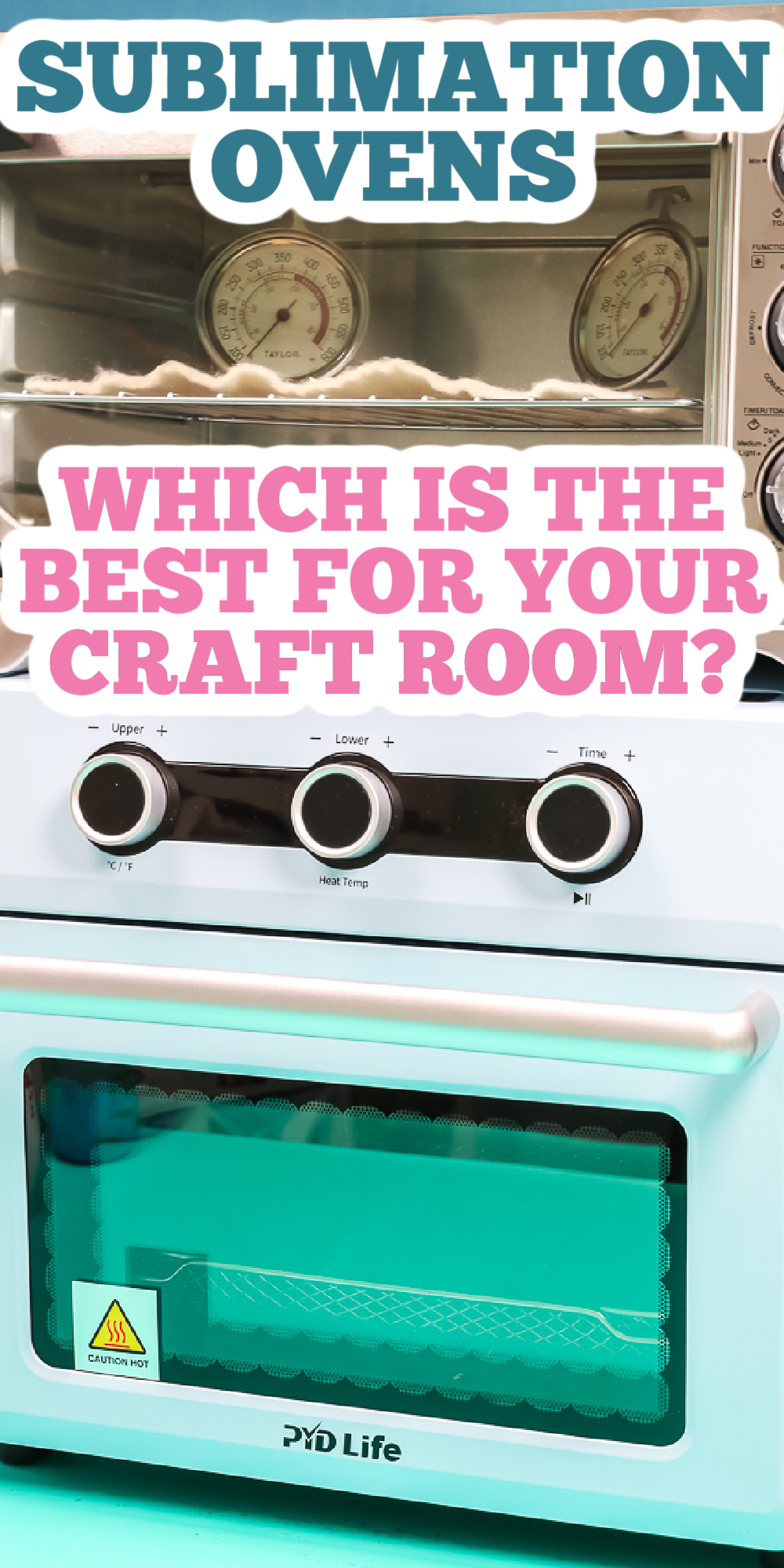
Are you wondering if your regular kitchen oven can handle sublimation projects? You’re not alone.
Many people ask this because using the right equipment can make or break your results. Imagine turning everyday items into personalized treasures without investing in expensive machines. Sounds exciting, right? But is your kitchen oven really up to the task?
Keep reading to find out what works, what doesn’t, and how you can get the best results with what you already have. Your next creative breakthrough might be just a few steps away!
Basics Of Sublimation
Sublimation is a popular printing technique that transfers images onto materials using heat. It involves turning solid dye into gas without passing through a liquid state. This process allows vibrant, durable prints that do not peel or fade easily.
Understanding the basics helps in choosing the right tools and materials. Using a regular kitchen oven for sublimation raises questions about temperature control and even heating. First, let's explore what sublimation is and the materials involved.
What Is Sublimation?
Sublimation is a printing process where heat changes solid dye into gas. The gas then bonds with polyester or polymer-coated surfaces. This creates bright, long-lasting images that are part of the material. Sublimation works best with polyester fabrics or specially coated items. The heat and pressure cause the dye to penetrate the surface deeply.
Materials Used In Sublimation
Not all materials work for sublimation. The key is polyester or polymer-coated substrates. Common materials include:
- Polyester fabric for clothing and accessories
- Polymer-coated ceramic mugs and tiles
- Polymer-coated metal sheets
- Special sublimation paper for transferring images
Natural fibers like cotton do not hold sublimation dye well. The dye needs a polymer base to bond properly. Sublimation paper is crucial to hold and release the dye during heating.

Credit: www.youtube.com
Kitchen Oven Features
Understanding your kitchen oven's features is key before deciding to use it for sublimation projects. The way your oven heats and controls temperature directly affects the quality of your prints. Let’s take a closer look at what makes a kitchen oven tick and how it handles heat.
How Regular Ovens Work
Regular kitchen ovens heat the air inside a closed space to cook food evenly. They use heating elements—usually at the top and bottom—to raise the temperature. A fan might be present to circulate the hot air, which helps maintain consistent heat throughout the oven.
However, this heating method is designed for cooking, not precise temperature control. The heat can fluctuate, creating hot spots or cooler areas inside. This inconsistency can be a challenge when you want uniform heat for sublimation.
Temperature Control In Kitchen Ovens
Most kitchen ovens allow you to set a desired temperature, but how accurate is that setting? The thermostat inside your oven turns the heating elements on and off to maintain the chosen temperature. But this control isn’t always perfect—temperatures can swing by several degrees during a cycle.
This variance might affect your sublimation transfer, which requires steady, specific temperatures for the best results. You can use an external oven thermometer to check how true your oven’s temperature is. If you find wide fluctuations, you might need to adjust your process or consider other equipment options.
Sublimation Requirements
Regular kitchen ovens lack precise temperature control needed for sublimation. Using a heat press or a specialized oven ensures better results and safety. Sublimation requires steady heat and pressure to transfer designs properly.
Sublimation printing is an exciting way to transfer designs onto various items, but it requires specific conditions to achieve the best results. You might wonder if your regular kitchen oven can handle the task. Understanding the requirements for sublimation can help you decide whether your kitchen appliance is up to the challenge.
Ideal Temperature And Timing
Sublimation requires precise temperature settings, usually ranging from 350°F to 400°F. Maintaining a consistent temperature is crucial to avoid uneven prints. Your kitchen oven may not offer the precise control needed, potentially leading to inconsistent results. Have you ever tried baking a cake and noticed hot spots or uneven cooking? The same can happen with sublimation if your oven's temperature isn't consistent. Timing is another critical factor. Sublimation typically requires 3 to 5 minutes to transfer the design effectively. A regular oven might not provide the accurate timing needed, risking either undercooked or overdone prints.
Pressure And Heat Distribution
Even heat distribution is vital for successful sublimation. Regular ovens aren't designed to evenly distribute pressure or heat across a flat surface like a heat press does. Without even pressure, the design might not transfer uniformly, leaving you with a less-than-perfect outcome. Imagine pressing a garment with an iron, only to find some areas less crisp than others—that’s what uneven pressure can do to your sublimation project. Consider the time and effort you're investing. Is your kitchen oven delivering the results you want, or is it time to explore more suitable equipment?
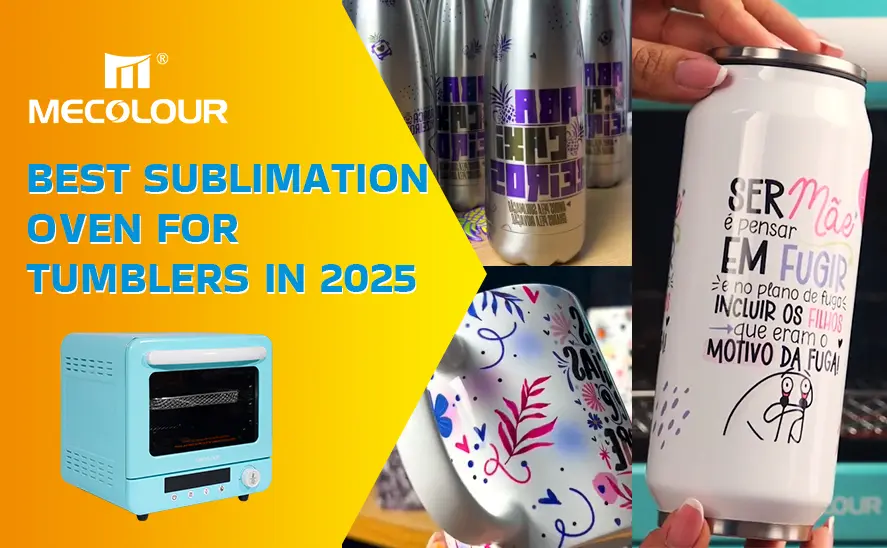
Credit: www.mecolour.com
Using A Kitchen Oven For Sublimation
Using a regular kitchen oven for sublimation might seem like a convenient shortcut, especially if you’re just starting out or testing ideas. But the process isn’t as straightforward as popping your sublimation item in and waiting for it to finish. Understanding how your kitchen oven behaves with heat and airflow can make or break your results.
Feasibility And Challenges
Kitchen ovens are designed for cooking food, not for the precise temperature control sublimation demands. Temperatures can fluctuate widely, causing inconsistent transfers and color fading. Have you noticed your oven’s temperature gauge swings? That’s a common issue when aiming for the exact heat needed in sublimation.
Another challenge is airflow. Heat circulation in a kitchen oven is uneven, leading to hot spots that may scorch your materials or leave some areas under-pressed. Plus, the size of the oven may limit the types of items you can sublimate, especially larger or oddly shaped pieces.
Safety Precautions
Sublimation inks and coated substrates release fumes when heated. Kitchen ovens used for food might expose your family to harmful chemicals. It’s essential to ventilate the area well or consider a separate oven exclusively for sublimation.
Also, avoid mixing food and sublimation projects in the same oven. Residual ink or coatings can contaminate your meals. Protect your oven by lining it with heat-resistant paper or placing items on a dedicated tray to catch any drips or spills.
Tips For Best Results
- Use an oven thermometer:Confirm the actual temperature inside your oven rather than relying on its built-in dial.
- Preheat thoroughly:Allow enough time for the oven to stabilize at the target temperature before putting your item inside.
- Use a flat, heat-resistant surface:Place your sublimation material on a metal sheet or ceramic tile to ensure even heat distribution.
- Monitor closely:Stay nearby during the sublimation process to catch any signs of overheating or uneven pressing.
- Test with small pieces:Practice on inexpensive or scrap items to dial in your timing and temperature before moving to expensive substrates.
Have you tried using your kitchen oven for sublimation yet? What surprises did you encounter? Sharing your experience might help others navigate these challenges more smoothly.
Alternative Equipment Options
If you've wondered whether a regular kitchen oven can handle sublimation projects, you might also want to consider other equipment options that can make your work easier and more efficient. Alternative tools offer better temperature control and consistent results, which are crucial for high-quality sublimation printing.
Heat Press Machines
Heat press machines are a popular choice for sublimation because they provide even heat and pressure, essential for transferring designs flawlessly. Unlike kitchen ovens, heat presses are designed specifically for this purpose, reducing the risk of uneven prints and wasted materials.
Many hobbyists find that using a heat press simplifies their workflow. You can adjust temperature and time settings precisely, which means fewer trial-and-error attempts. Have you ever struggled with blotchy images or faded colors? A heat press can help eliminate those issues.
Commercial Sublimation Ovens
Commercial sublimation ovens offer another alternative tailored for larger-scale projects or professional use. These ovens maintain consistent temperatures across multiple items simultaneously, making them perfect if you need to produce batches efficiently.
While they may seem like a big investment, commercial ovens save time and reduce errors in the long run. If your sublimation work is growing, you might find that this equipment pays off quickly by boosting your productivity and print quality.

Credit: makerflo.com
Cost And Efficiency Comparison
Comparing the cost and efficiency of using a regular kitchen oven versus a heat press for sublimation can help you decide which option fits your needs and budget better. Both tools serve the purpose but differ significantly in how they handle the process, affecting your time, money, and output quality.
Kitchen Oven Vs Heat Press
Your kitchen oven might seem like a budget-friendly choice at first. It costs less upfront since you already own one. But ovens don’t provide even heat distribution, which is crucial for sublimation.
A heat press is designed for consistent temperature and pressure, giving you sharper images and fewer mistakes. It heats up quickly and maintains a precise temperature, saving you time.
| Feature | Kitchen Oven | Heat Press |
|---|---|---|
| Initial Cost | Low (if you already own one) | Moderate to High |
| Heat Distribution | Uneven | Even and Controlled |
| Efficiency | Slower, less consistent | Fast, consistent |
| Quality of Results | Variable, risk of errors | High quality, repeatable |
Are you willing to risk your finished product’s quality to save on equipment costs? This question matters if you plan to sell or gift your sublimated items.
Long-term Investment Considerations
Think beyond the initial price tag. A heat press may cost more upfront, but it often saves money over time by reducing wasted materials and re-dos.
Kitchen ovens can wear down faster with constant use for sublimation, and their uneven heat might cause more failed projects. This means you might spend more replacing supplies and fixing errors.
Ask yourself: do you want a tool that grows with your skills and business? Heat presses offer scalability and reliability, which become valuable as you take on larger or more complex projects.
Frequently Asked Questions
Can I Use A Regular Kitchen Oven For Sublimation?
Yes, you can use a regular kitchen oven for sublimation. However, it must maintain consistent heat and avoid fumes to protect your items and health.
Is A Kitchen Oven Safe For Sublimation Printing?
A kitchen oven can be safe if properly ventilated. Avoid using it for food after sublimation to prevent contamination and health risks.
How To Control Temperature In A Kitchen Oven For Sublimation?
Use an external oven thermometer for accuracy. Preheat the oven and monitor temperature closely to ensure consistent sublimation results.
Will Sublimation Damage My Kitchen Oven?
Sublimation inks can leave residues or odors in a kitchen oven. Cleaning thoroughly after use helps prevent damage or contamination.
Conclusion
Using a regular kitchen oven for sublimation can work but has limits. These ovens may not keep a steady temperature needed for best results. This can affect the quality of your prints. Small projects might turn out fine, but large or detailed ones could suffer.
Investing in a heat press or a specialized sublimation oven often leads to better outcomes. Choose the right tool based on your project size and goals. Careful handling and testing help you get the most from any oven. Sublimation needs patience and practice to get it right.