
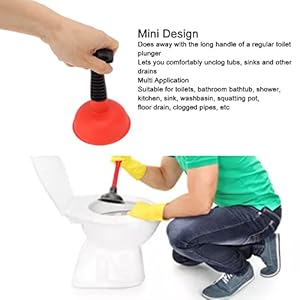
Have you ever faced a clogged kitchen sink and wondered if the same plunger you use for your toilet could fix it? It’s a common question, and the answer might surprise you.
Using the right tool for the job can save you time, money, and frustration. You’ll discover whether a toilet plunger is the best choice for your kitchen sink and learn simple tips to get your sink flowing smoothly again. Keep reading—you might find an easy fix waiting right under your sink!

Credit: www.drano.com
Toilet Plunger Basics
Understanding the basics of a toilet plunger is essential before deciding if it can help with your kitchen sink clog. A plunger is more than just a rubber cup on a stick—it’s a tool designed with specific shapes and functions that target different types of drains. Knowing how it works and the different types available can save you time and frustration when tackling blockages.
Types Of Plungers
Not all plungers are created equal. There are mainly two types you’ll encounter:
- Toilet Plunger (Flange Plunger):This has a cup with an extra soft rubber flap (called a flange) that fits snugly into the toilet drain. It’s designed to create a tight seal around the curved toilet drain pipe.
- Sink or Cup Plunger:This has a simple rubber cup without the flange, perfect for flat surfaces like sinks and tubs.
Choosing the right plunger for your job matters because the shape affects how well it seals and pushes air or water through the clog. Have you ever tried using the toilet plunger on a flat sink surface and found it didn’t work well? That’s because it wasn’t designed for that.
How Toilet Plungers Work
A toilet plunger works by creating pressure and suction to dislodge whatever is blocking the drain. When you push the plunger down, it forces air and water into the pipe, and when you pull up, it creates suction that helps pull the clog loose.
The flange on a toilet plunger helps it fit tightly inside the toilet drain, maximizing the pressure and suction. This design makes it very effective for toilets but less effective on flat drains like kitchen sinks.
Think about the last time you had a stubborn clog. Did the plunger push water back or actually move the blockage? Understanding this push-pull action helps you realize why the right plunger matters for your specific drain.
Kitchen Sink Drain Issues
Kitchen sink drain issues are common in many households. These problems can disrupt daily activities and cause unpleasant smells. Understanding the causes and signs of these clogs helps to fix them quickly. Timely action can prevent bigger plumbing problems and costly repairs.
Common Causes Of Clogs
- Food particles stuck in the drain
- Grease and oil solidifying inside pipes
- Soap scum buildup over time
- Hair and small debris blocking the flow
- Foreign objects accidentally dropped in the sink
- Mineral deposits narrowing the pipe diameter
Signs Of A Blocked Kitchen Sink
- Water drains slowly after washing dishes
- Unpleasant odors coming from the drain
- Gurgling sounds during water drainage
- Water backing up into the sink basin
- Visible standing water near the drain opening
- Frequent need to use chemical drain cleaners
Using A Toilet Plunger On A Kitchen Sink
Have you ever faced a stubborn clog in your kitchen sink and wondered if a trusty toilet plunger could be the solution? While toilet plungers are primarily designed for, well, toilets, they can be surprisingly effective for kitchen sinks in a pinch. However, understanding the nuances of using a toilet plunger in a kitchen setting is crucial for success and to avoid unintended messes.
Effectiveness And Limitations
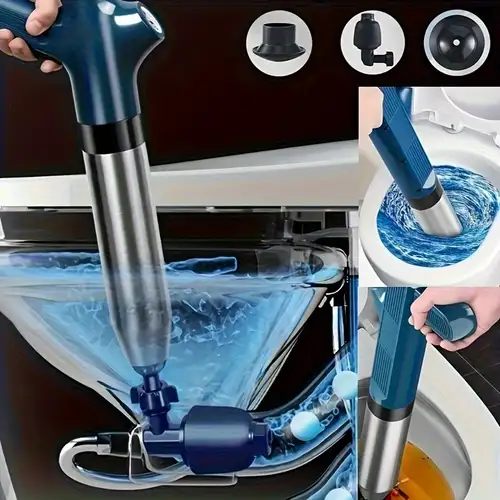
Toilet plungers can be effective for minor clogs in kitchen sinks, especially those caused by food debris or small particles. Their suction power can dislodge blockages quickly, providing immediate relief. However, they aren't a cure-all. If the clog is deep within the pipes or involves grease build-up, a toilet plunger may not have the power to clear it. In such cases, more specialized plumbing tools or professional help might be necessary.
Step-by-step Plunging Guide
- Seal the Overflow:Begin by sealing the sink's overflow opening with a wet cloth to ensure maximum suction power during plunging.
- Fill the Sink:Add enough water to the sink to cover the plunger's cup. This water acts as a medium to create pressure.
- Position the Plunger:Place the plunger cup over the sink drain, ensuring a tight seal. A good seal is essential for effective plunging.
- Plunge Vigorously:Use quick, forceful plunging motions. Aim for about 15-20 thrusts to dislodge the clog.
- Test the Drain:Remove the plunger and check if the water drains. If not, repeat the process or consider alternative methods.
Have you tried using a toilet plunger on your kitchen sink before? While it might not be the first tool you think of, it can be a handy trick to remember when you're in a bind. But always keep in mind its limitations, and don't hesitate to call in a professional when needed.
Credit: www.temu.com
Alternative Methods For Clearing Kitchen Sink Clogs
Clearing a clogged kitchen sink can be tricky, especially when a toilet plunger doesn't quite do the job. You might wonder what other options you have at your disposal to tackle stubborn blockages effectively. Trying alternative methods can save you time and avoid unnecessary damage to your plumbing.
Plumbing Snake Use
A plumbing snake, also called a drain auger, can reach deep into your pipes where plungers can't. You simply insert the flexible coil into the drain and twist it to break up or pull out the clog. This tool is great for hair, grease buildup, and food scraps that often cause kitchen sink blockages.
Using a plumbing snake requires some patience. You’ll feel resistance when the snake reaches the clog—keep turning gently until it clears. Have you noticed how sometimes a simple twist can release what seemed like a stubborn clog?
Chemical And Natural Cleaners
Chemical drain cleaners can dissolve tough clogs quickly but use them cautiously. Harsh chemicals may damage your pipes or harm the environment if overused. Always follow the instructions and wear gloves to protect your skin.
If you prefer a safer option, natural cleaners like baking soda and vinegar work well. Pour half a cup of baking soda down the drain, followed by half a cup of vinegar. Wait 15 minutes, then flush with hot water to break down grease and grime.
Have you tried mixing natural ingredients before turning to chemicals? Sometimes, simple household items can do the trick without the risks of harsh substances.
Preventing Kitchen Sink Clogs
Preventing kitchen sink clogs saves you from messy and costly plumbing issues. A clogged sink disrupts your daily routine and can lead to water damage. You don’t need to wait until a clog happens to act; simple habits can keep your drains flowing smoothly.
Regular Maintenance Tips
Keeping your kitchen sink drain clear starts with regular care. Pouring boiling water down the drain once a week helps dissolve grease buildup before it hardens. You can also use a mixture of baking soda and vinegar to break down debris and freshen the pipes.
Another tip is to clean the drain stopper and trap regularly. Food particles often get stuck here, creating blockages over time. By removing and rinsing these parts, you reduce the chances of slow drainage or backups.
What Not To Put Down The Drain
Think twice before letting certain items go down your kitchen sink. Grease, oil, and fat solidify in pipes and cause major clogs. Instead, pour these into a container and throw them in the trash once cooled.
Avoid coffee grounds, eggshells, and fibrous vegetables like celery, as they don’t break down easily. These can accumulate and clog your pipes just like grease. Also, don’t wash large food scraps or starchy foods like pasta down the drain; they tend to stick and cause blockages.
What small changes can you make today to keep your drain clear? Sometimes, stopping a problem before it starts is easier than fixing it later.
When To Call A Professional
Knowing when to call a professional plumber can save time and prevent damage. Some clogs need expert tools and skills to fix safely. Acting too late might make the problem worse.
Signs You Need Expert Help
- Water drains very slowly or not at all.
- Bad odors come from the sink drain.
- Repeated clogs after plunging.
- Water backs up into other drains.
- Plunger does not clear the blockage.
- Visible leaks under the sink.
These signs show a deep or complex clog. Professionals can find the exact cause quickly.
Choosing The Right Plumber
- Check for proper licenses and insurance.
- Read reviews from other customers.
- Ask about experience with kitchen sink issues.
- Get a clear estimate before work starts.
- Choose someone who communicates clearly and politely.
Picking a skilled plumber ensures the job is done right. It avoids repeated problems and extra costs.

Credit: www.amazon.ca
Frequently Asked Questions
Can A Toilet Plunger Unclog A Kitchen Sink?
Yes, a toilet plunger can unclog a kitchen sink. Use a cup-shaped plunger for better suction. Ensure the sink has some water to create pressure. Avoid using a flange plunger, as it's designed for toilets and may not seal well.
What Type Of Plunger Works Best For Kitchen Sinks?
A cup-shaped plunger works best for kitchen sinks. It creates a strong seal on flat surfaces. Flange plungers are better for toilets due to their extended rubber lip. Using the right plunger improves clog removal efficiency and prevents damage.
How To Use A Plunger On A Kitchen Sink Properly?
Fill the sink with enough water to cover the plunger cup. Place the plunger over the drain and push down firmly. Pump up and down rapidly for 15-20 seconds. Remove the plunger and check if water drains freely. Repeat if necessary.
Can Using A Plunger Damage Kitchen Sink Pipes?
Using a plunger correctly typically won't damage kitchen sink pipes. Avoid excessive force to prevent pipe stress or leaks. If clogs persist, consider other methods or call a professional plumber. Proper technique ensures safe and effective clog removal.
Conclusion
A toilet plunger can work on a kitchen sink drain with care. Use a plunger with a flat edge for better sealing. Avoid using too much force to prevent damage. Try small, gentle pumps first. If the clog stays, a plumber might be needed.
Keep the area clean to stop future clogs. Knowing how to use a plunger helps save time and money. Simple steps can clear many common kitchen sink blockages. Always act quickly to prevent bigger problems later.