
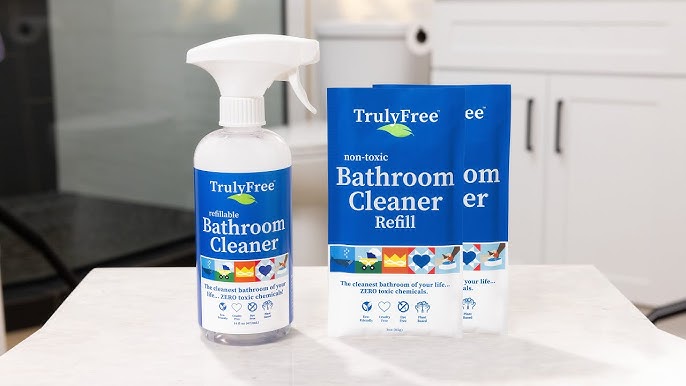
Have you ever wondered if the bathroom cleaner under your sink could double as a kitchen cleaner? It’s tempting to grab whatever’s handy when mess strikes, but is it really safe or effective to use bathroom cleaner in your kitchen?
Your kitchen is where you prepare food, so keeping it clean is crucial—but using the wrong product might do more harm than good. Keep reading to find out what you need to know before mixing up your cleaning routine.
Bathroom Cleaners Vs Kitchen Cleaners
Bathroom cleaners and kitchen cleaners might look similar, but they serve very different purposes. Using one in place of the other can lead to ineffective cleaning or even damage to surfaces. Understanding their differences helps you choose the right product and keep your home safe and spotless.
Key Ingredients In Bathroom Cleaners
Bathroom cleaners often contain strong acids like hydrochloric acid or phosphoric acid. These ingredients help remove soap scum, hard water stains, and mineral deposits from tiles, tubs, and toilets.
They also include disinfectants such as bleach or quaternary ammonium compounds to kill germs and bacteria commonly found in bathrooms. Some formulas have abrasives to scrub away tough grime without scratching surfaces.
Common Kitchen Cleaner Components
Kitchen cleaners focus on cutting grease and food residues. They usually contain alkaline substances like sodium hydroxide or ammonia, which break down oily and greasy messes efficiently.
Many kitchen cleaners also have mild detergents and enzymes to lift organic stains and neutralize odors. Unlike bathroom cleaners, they tend to avoid harsh acids to protect kitchen surfaces like countertops and appliances.
Differences In Formulation And Purpose
Bathroom cleaners are designed to tackle mineral buildup and disinfect areas prone to mold and bacteria. Their acidic nature makes them unsuitable for kitchen surfaces, where food safety and grease removal are priorities.
Kitchen cleaners, on the other hand, focus on degreasing and maintaining a safe environment for food preparation. Using a bathroom cleaner in the kitchen might leave harmful residues or damage sensitive materials.
Have you ever tried swapping these cleaners and noticed unexpected results? Choosing the right cleaner ensures a healthier home and better cleaning outcomes.
:max_bytes(150000):strip_icc()/SPR-how-pro-cleaners-clean-a-sink-11781060-recirc-d43f366f6fda4e2aa23983aa321c6efa.jpg)
Credit: www.thespruce.com
Potential Risks Of Using Bathroom Cleaner In Kitchen
Using bathroom cleaner in the kitchen can lead to serious problems. These cleaners contain strong chemicals designed for tough bathroom stains. Such chemicals may not be safe for kitchen surfaces or food areas. Understanding the risks helps keep your home safe and clean.
Chemical Residue Concerns
Bathroom cleaners often leave behind chemical residues. These residues can stick to kitchen counters or sinks. They may not wash away easily with normal rinsing. Leftover chemicals can mix with food or utensils. This can cause unwanted contamination.
Health Hazards From Ingestion Or Contact
Many bathroom cleaners have toxic ingredients. These can be harmful if swallowed or touched. Skin irritation, burns, or allergic reactions may occur. Small children and pets are especially at risk. Even tiny amounts can cause health problems.
Cross-contamination Issues
Using bathroom cleaner in the kitchen risks spreading germs. Bathroom bacteria and germs can transfer to kitchen surfaces. This increases the chance of foodborne illnesses. Cleaning products for each area should stay separate. Avoid cross-contamination by using cleaners as directed.
Safe Cleaning Alternatives For Kitchen
Choosing the right cleaner for your kitchen is important for health and safety. Harsh bathroom cleaners may leave harmful residues. They can also damage kitchen surfaces. Using safe alternatives protects your family and keeps your kitchen clean.
Safe cleaning options use gentle ingredients. These products avoid strong chemicals that can cause allergies or poisoning. You can find effective cleaners that are safe for food prep areas.
Natural Cleaning Solutions
Natural cleaners use simple, non-toxic ingredients. They are safe for children and pets. Common items include:
- Vinegar – cuts grease and removes odors
- Baking soda – scrubs away stains and grime
- Lemon juice – disinfects and freshens surfaces
- Olive oil – polishes wooden surfaces
These solutions work well on counters, sinks, and appliances. They leave no harmful residue behind.
Approved Kitchen Cleaning Products
Look for cleaners labeled safe for kitchen use. These products pass safety tests for food areas. They often say “food safe” or “non-toxic” on the label. Some popular types include:
- All-purpose kitchen sprays
- Dish soaps with grease-cutting power
- Disinfecting wipes made for kitchens
- Glass cleaners safe for windows and screens
Follow instructions carefully. Rinse surfaces thoroughly after cleaning.
Diy Kitchen Cleaner Recipes
Making your own cleaner saves money and controls ingredients. Try these easy recipes:
| Ingredients | Use |
|---|---|
| 1 cup water + 1 cup vinegar + 10 drops essential oil | Spray for counters and sinks |
| 3 tbsp baking soda + 1 tbsp water | Paste for scrubbing tough stains |
| 1/2 cup lemon juice + 1 cup water | Natural disinfectant and deodorizer |
Store cleaners in labeled spray bottles. Test on small areas first.
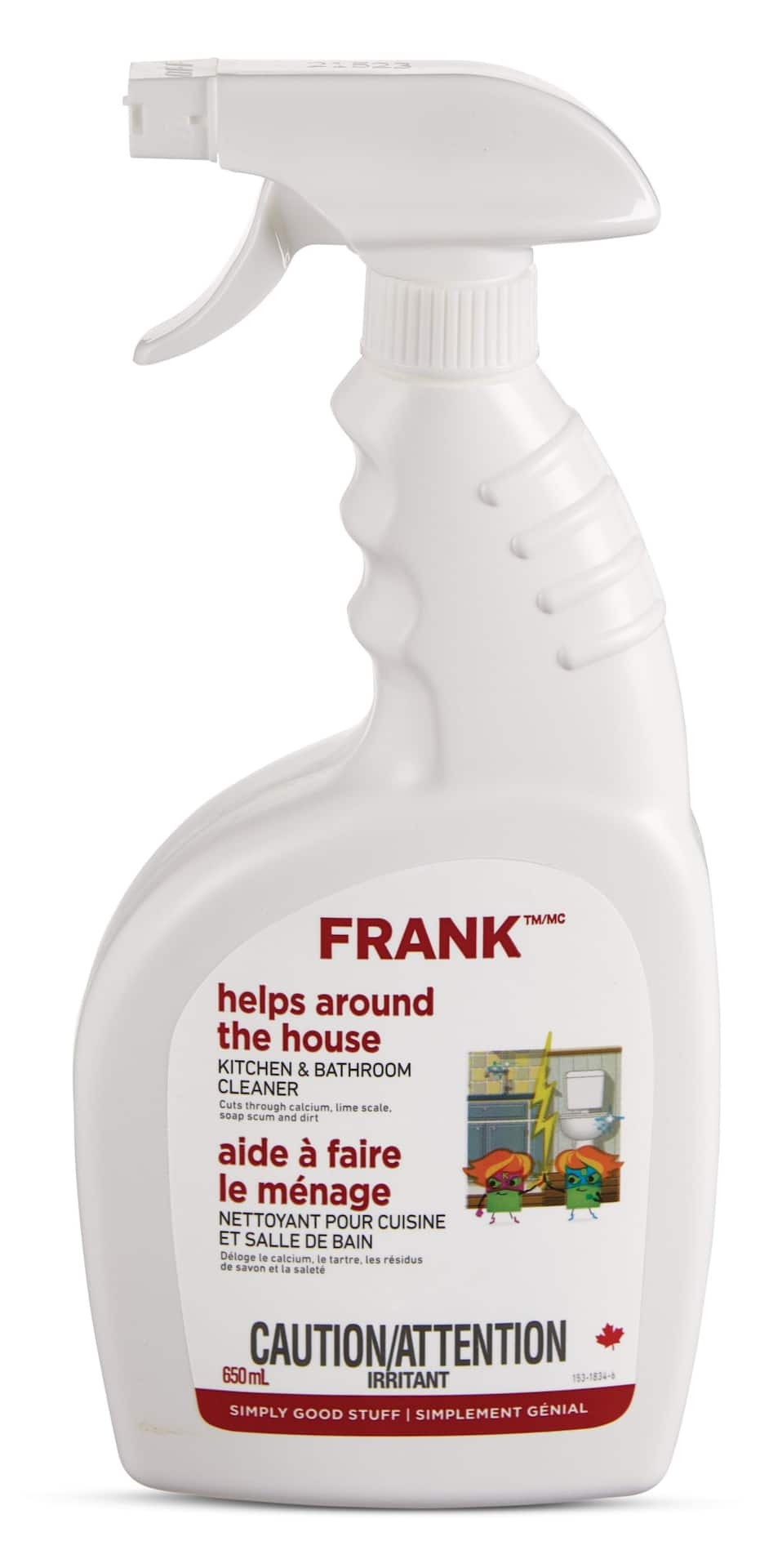
Credit: www.canadiantire.ca
How To Use Cleaners Safely Across Rooms
Bathroom cleaners often contain strong chemicals not safe for kitchen surfaces or food areas. Always check product labels to avoid cross-contamination. Use cleaners designed specifically for each room to protect your health and home.
Cleaning different rooms requires careful attention to detail. Using cleaners safely across rooms prevents accidents and damage. It’s important to understand how to use bathroom cleaners in the kitchen responsibly. Here’s how to ensure safe cleaning practices throughout your home.
Reading Labels And Instructions
Always read labels on cleaning products. They provide important information. Labels tell you where and how to use the cleaner. Some cleaners might be too harsh for kitchen surfaces. Instructions also suggest the right amount to use. This prevents overuse and waste.
Proper Ventilation And Protective Gear
Ensure your kitchen is well-ventilated. Open windows or turn on a fan. This helps disperse strong fumes. Wear gloves to protect your skin from chemicals. Consider wearing a mask if the fumes are strong. Safety gear reduces the risk of irritation or injury.
Storing Cleaners Correctly
Store cleaners in a cool, dry place. Keep them out of reach of children and pets. Ensure bottles are tightly sealed after use. This prevents leaks and accidental spills. Proper storage extends the life of your cleaning products.
When Emergency Cleaning Calls For Cross-use
Emergency cleaning can force quick decisions about what products to use. Sometimes, bathroom cleaners get pulled into kitchen tasks. This cross-use happens when no other cleaner is available right away. Understanding safe practices during these moments helps avoid health risks and keeps surfaces clean.
Precautionary Steps To Minimize Risks
- Read the label for warnings and ingredients.
- Wear gloves to protect your skin.
- Ventilate the area well by opening windows or turning on fans.
- Avoid mixing bathroom cleaner with other chemicals.
- Test the cleaner on a small kitchen area first.
Rinsing And Cleaning Surfaces Thoroughly
Bathroom cleaners may leave residues unsafe for food contact. Always rinse kitchen surfaces with plenty of water after cleaning. Use a clean cloth or sponge to wipe away all traces. Repeat rinsing if any smell or residue remains. This reduces the chance of harmful chemicals staying on surfaces.
Recognizing And Responding To Exposure Symptoms
- Watch for skin redness or irritation after contact.
- Notice any burning in eyes or throat.
- Seek fresh air if you feel dizzy or nauseous.
- Rinse affected skin or eyes with water immediately.
- Contact a healthcare provider if symptoms worsen.
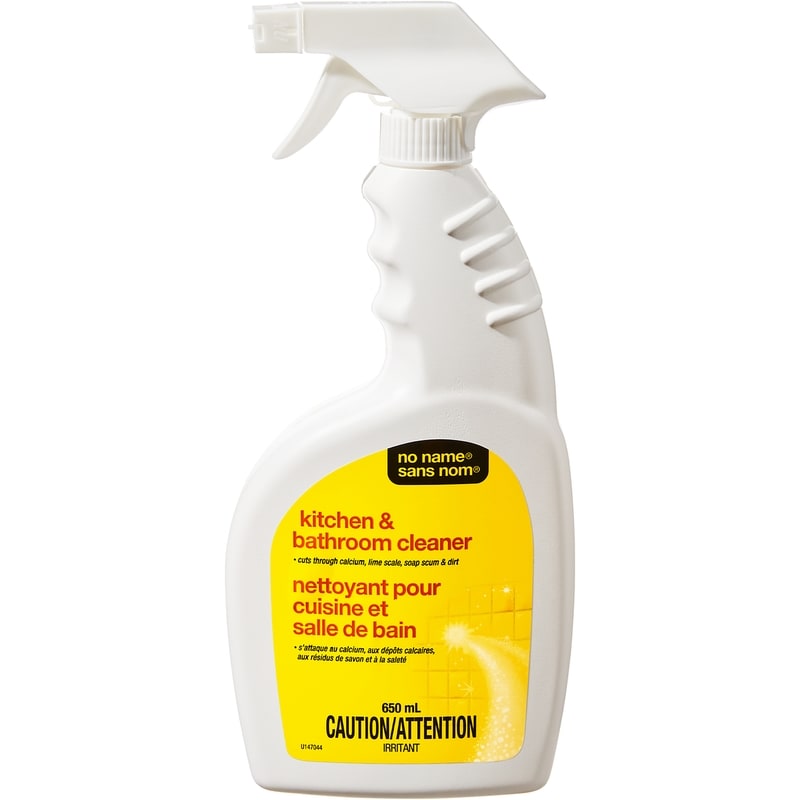
Credit: www.atlanticsuperstore.ca
Frequently Asked Questions
Can Bathroom Cleaner Be Safely Used In The Kitchen?
Bathroom cleaners often contain harsh chemicals unsuitable for kitchen surfaces. Using them in the kitchen may risk contamination and damage. It's best to use cleaners specifically designed for kitchen use to ensure safety and hygiene.
What Risks Come From Using Bathroom Cleaner In Kitchens?
Bathroom cleaners may leave harmful residues on kitchen surfaces. These residues can contaminate food and cause health issues. Additionally, some ingredients might damage kitchen countertops or appliances. Avoid using bathroom cleaners to prevent these risks.
Are Kitchen Cleaners Better Than Bathroom Cleaners?
Yes, kitchen cleaners are formulated to remove grease and food stains safely. They are designed to be non-toxic and food-safe. Bathroom cleaners focus on mold and soap scum, which differ from kitchen cleaning needs.
How To Choose Safe Cleaners For Kitchen Use?
Look for products labeled food-safe and non-toxic. Check ingredients to avoid harsh chemicals like bleach or ammonia. Eco-friendly and natural cleaners are good options. Always read the label before using any cleaner in the kitchen.
Conclusion
Using bathroom cleaner in the kitchen is not safe or wise. Bathroom cleaners have strong chemicals that can harm food surfaces. These chemicals might leave harmful residues behind. Always choose cleaners made for kitchen use. They keep your cooking areas safe and clean.
Clean kitchens help prevent germs and keep your family healthy. Stick to the right products for each space. Simple steps protect your home and health. Keep your cleaning routine smart and safe.