
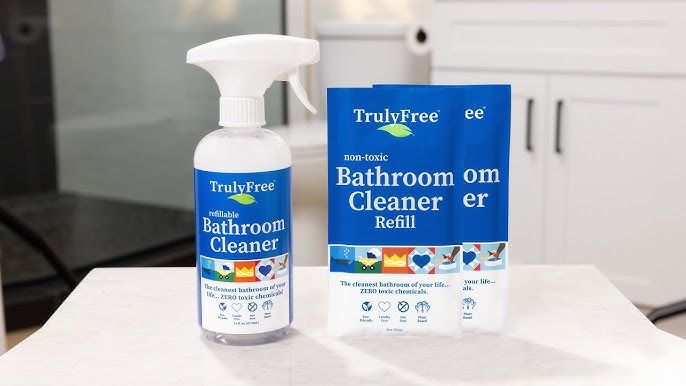
Have you ever wondered if the bathroom cleaner under your sink can be used to clean your kitchen too? It sounds like a simple way to save time and money.
But before you grab that bottle, there are important things you need to know. Using the wrong cleaner in your kitchen could harm your surfaces or even put your health at risk. Keep reading to find out when it’s safe to use bathroom cleaner in your kitchen—and when you should definitely avoid it.
Your home—and your family—deserve the right kind of care.
Bathroom Cleaner Ingredients
Bathroom cleaners are formulated with specific ingredients designed to tackle soap scum, mold, and tough stains commonly found in bathrooms. These ingredients often include strong chemicals that efficiently break down grime and disinfect surfaces. Understanding what’s inside these cleaners helps you decide if they’re safe or effective to use elsewhere, like in your kitchen.
Common Chemicals In Bathroom Cleaners
Bathroom cleaners typically contain a mix of powerful substances. Here are some you’ll often find:
- Bleach (Sodium Hypochlorite):Kills bacteria and whitens surfaces.
- Ammonia:Cuts through grease and grime.
- Hydrochloric Acid:Removes tough mineral deposits and rust.
- Surfactants:Help lift dirt and oils from surfaces.
- Fragrances and Dyes:Provide a fresh scent and appealing look.
Each chemical serves a purpose, but they can be quite harsh. Knowing this helps you think twice about where to use these cleaners.
Potential Hazards Of These Chemicals
Many bathroom cleaner ingredients can be harmful if used improperly. Bleach and ammonia, for example, produce toxic fumes if mixed together. This can cause serious breathing problems.
Strong acids like hydrochloric acid can damage surfaces not meant to handle them, such as kitchen countertops or food prep areas. Plus, residue left behind might contaminate food.
Have you ever considered how these chemicals affect your indoor air quality? Using bathroom cleaners in the kitchen might expose you and your family to unnecessary risks.
Kitchen Surfaces And Sensitivities
Kitchen surfaces need special care because they come in contact with food. Many kitchen materials react differently to cleaners. Using the wrong product can damage surfaces or leave harmful residues. Understanding kitchen surfaces and their sensitivities helps keep your kitchen safe and clean.
Materials Used In Kitchen Areas
Kitchen surfaces include various materials, each with unique properties:
- Granite and marble countertops
- Stainless steel sinks and appliances
- Wooden cutting boards and cabinets
- Ceramic tiles and grout
- Laminates and synthetic surfaces
These materials react differently to cleaning agents. Some are porous and absorb liquids easily. Others are prone to scratches or discoloration.
How Cleaners Affect Kitchen Surfaces
Bathroom cleaners often contain strong chemicals. These chemicals can harm kitchen materials in several ways:
- Corrosive ingredients may dull or etch stone surfaces.
- Harsh acids can damage grout and tiles.
- Bleach and ammonia may discolor wood and laminates.
- Residues might contaminate food-contact areas.
Choosing cleaners made for kitchen use reduces risks. It protects surfaces and ensures safety around food.
Risks Of Using Bathroom Cleaner In Kitchen
When it comes to household cleaning, convenience often tempts us to use the same cleaner across different rooms. However, applying bathroom cleaner in the kitchen might pose certain risks. Understanding these risks is crucial for maintaining a safe and healthy home environment.
Chemical Residue Concerns
Bathroom cleaners are formulated with specific ingredients to tackle tough stains like soap scum and mildew. These potent chemicals, while effective in the bathroom, can leave harmful residues on kitchen surfaces. Imagine preparing your meals on countertops that have traces of bleach or ammonia. Not ideal, right?
Even after a thorough rinse, these chemicals can linger, especially on porous surfaces like wood or unsealed stone. This residue may end up on your food, posing potential health risks. It’s essential to use products that are safe for food-prep areas to avoid such contamination.
Health Risks And Contamination
Using bathroom cleaners in the kitchen can inadvertently introduce toxins to your food environment. Many of these cleaners contain harsh chemicals that aren't safe for food contact. Breathing in fumes or accidental ingestion could lead to respiratory issues or stomach discomfort.
Have you ever noticed the strong smell after cleaning your bathroom? Those fumes can be even more potent in the confined space of your kitchen, where you’re breathing deeply while cooking. Consider the potential impact on your family's health before using products not meant for kitchen use.
What’s your go-to kitchen cleaner? Ensuring it’s food-safe can make all the difference in protecting your health and maintaining a clean home. Think twice before repurposing bathroom cleaners in your kitchen.
:max_bytes(150000):strip_icc()/SPR-how-pro-cleaners-clean-a-sink-11781060-recirc-d43f366f6fda4e2aa23983aa321c6efa.jpg)
Credit: www.thespruce.com
Safe Cleaning Alternatives For Kitchen
Using the right cleaner in the kitchen protects your health and surfaces. Bathroom cleaners often contain strong chemicals that can harm kitchen counters or food areas. Choosing safe cleaning alternatives keeps your kitchen fresh and safe.
Kitchen-safe Cleaning Products
Many products are made specifically for kitchen use. These cleaners remove grease, stains, and dirt without harsh chemicals. Look for labels that say safe for food surfaces or food contact areas.
- Dish soap with degreasing power
- Multi-surface kitchen sprays
- Disinfectants safe for countertops
- Glass cleaners for shiny surfaces
These products clean well and protect your kitchen surfaces. They avoid damage and reduce chemical risks near food.
Natural Cleaning Solutions
Natural cleaners are simple and effective. They use common household ingredients that are safe and eco-friendly. Many natural options fight grease and grime without toxins.
- White vinegar mixed with water
- Baking soda paste for scrubbing
- Lemon juice for cutting odors
- Olive oil for polishing wood
Natural solutions are gentle on surfaces and safe around food. They are easy to make and cost little.
Proper Cleaning Practices
Proper cleaning practices keep your home safe and healthy. Different areas need different care. Bathrooms and kitchens have unique germs and dirt types. Using the right cleaner helps remove these effectively without harm.
Reading Product Labels
Product labels show important details about cleaners. They list ingredients and safety instructions. Look for the intended use of the cleaner. Some products work only on certain surfaces. Check for warnings about toxic chemicals. Labels also tell if the cleaner is safe near food areas. Reading labels helps avoid using harmful substances in the kitchen.
Using Separate Cleaners For Different Areas
Bathrooms and kitchens require different cleaning products. Bathroom cleaners often contain strong chemicals for mold and soap scum. These chemicals might be unsafe for kitchen surfaces. Kitchen cleaners focus on removing food stains and bacteria safely. Using separate cleaners reduces chemical risks. It also prevents cross-contamination between areas. Keep one set of cleaners for the kitchen and another for the bathroom.

Credit: www.amazon.com
Emergency Steps For Accidental Exposure
Accidental exposure to bathroom cleaner in the kitchen can be alarming. These products often contain strong chemicals that aren’t safe for food areas or skin contact. Knowing what to do immediately can make a big difference in preventing harm to you or your family.
First Aid Measures
If you spill bathroom cleaner on your skin, rinse the area with plenty of cool water right away. Avoid using hot water as it can open pores and increase irritation.
For eye exposure, gently flush your eyes with water for at least 15 minutes. Keep your eyelids open and avoid rubbing your eyes to prevent further damage.
If the cleaner is ingested, do NOT induce vomiting. Instead, drink a small amount of water or milk to dilute the chemical, but only if you’re fully conscious and able to swallow.
When To Seek Medical Help
Call emergency services immediately if you experience difficulty breathing, severe burns, or persistent pain after exposure. These symptoms indicate serious chemical injury that requires professional care.
Also, seek medical advice if irritation or discomfort continues beyond initial first aid. Some chemicals can cause delayed reactions that worsen over time.
Have the product label or container handy when you call or visit a doctor. This information helps healthcare providers choose the right treatment fast.

Credit: www.amazon.com
Frequently Asked Questions
Can Bathroom Cleaner Be Safely Used In The Kitchen?
Bathroom cleaners often contain harsh chemicals unsuitable for food areas. It's best to use kitchen-specific cleaners to avoid contamination and health risks.
What Risks Come From Using Bathroom Cleaner In Kitchens?
Using bathroom cleaners in kitchens can cause chemical residue on surfaces. This residue may contaminate food and cause health issues if ingested.
Are Kitchen Cleaners Better Than Bathroom Cleaners For Food Areas?
Yes, kitchen cleaners are formulated to remove grease and food stains safely. They are non-toxic and designed to protect food contact surfaces.
How To Choose A Safe Cleaner For Kitchen Surfaces?
Look for cleaners labeled food-safe or non-toxic. Avoid products with bleach or ammonia for kitchen use to ensure safety.
Conclusion
Bathroom cleaners and kitchen cleaners serve different purposes. Using bathroom cleaner in the kitchen can cause health risks. These cleaners have strong chemicals not meant for food areas. Always choose products labeled safe for kitchen use. Clean surfaces with warm water after using any cleaner.
Keep your kitchen safe and hygienic for your family. Simple habits protect your home better than risky shortcuts. Stay informed and use the right cleaner for each space. Safety first—your kitchen deserves gentle, food-safe cleaning.