
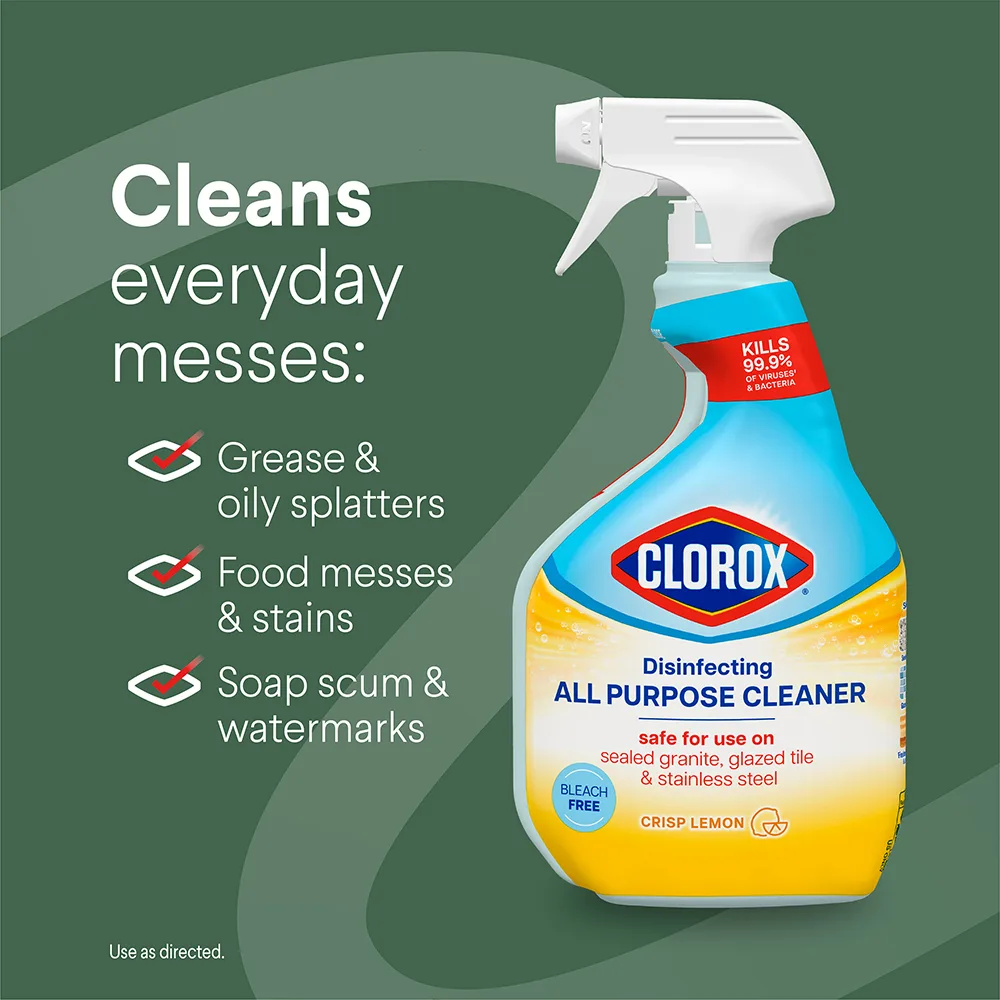
You want your kitchen to be spotless and safe, right? So, when you see that bottle of Clorox Bathroom Cleaner sitting under your sink, you might wonder: Can you use it in your kitchen too?
It sounds convenient, but is it really safe for your countertops, utensils, and the food you prepare? Before you grab that cleaner, there are some important things you need to know. Keep reading to find out if Clorox Bathroom Cleaner belongs in your kitchen—and how to keep your cooking space truly clean without risking your health.
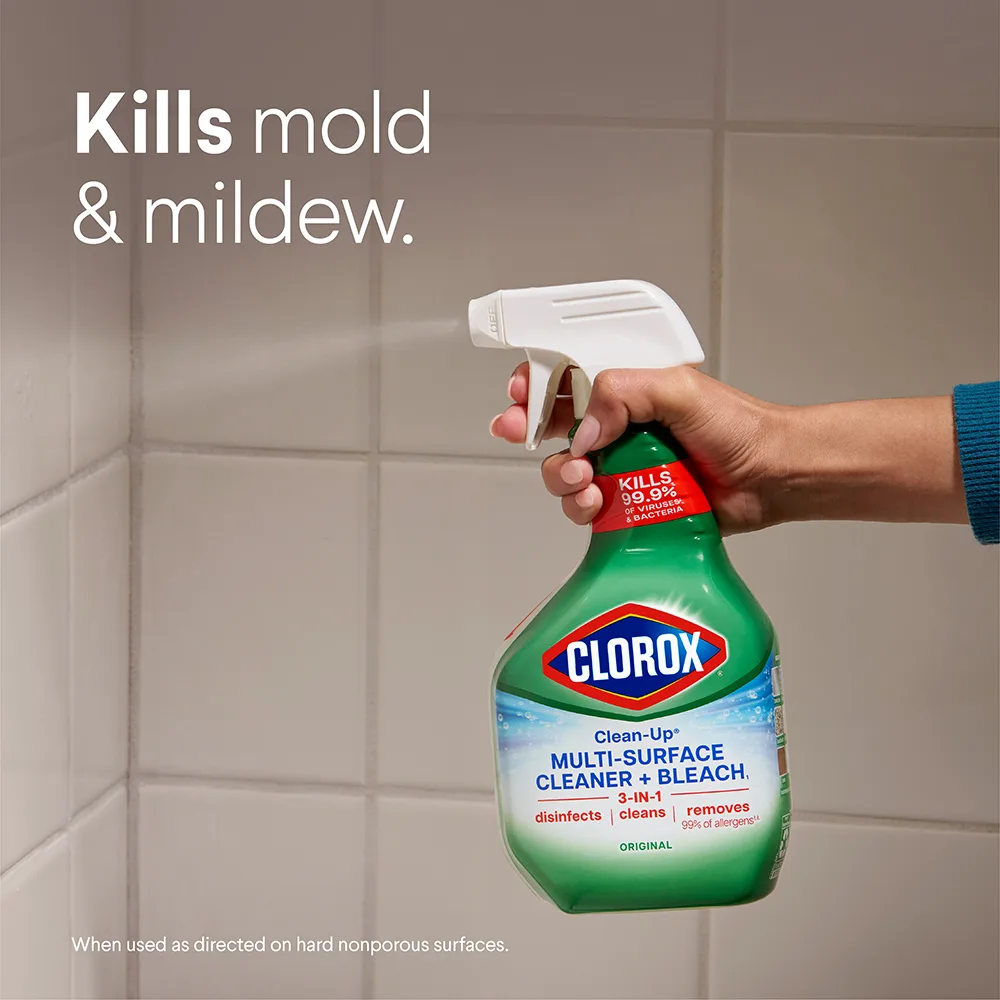
Credit: www.clorox.com
Clorox Bathroom Cleaner Ingredients
Understanding the ingredients in Clorox Bathroom Cleaner helps you decide if it's safe for use in other areas like your kitchen. These ingredients determine how effective the cleaner is against grime, mold, and bacteria. Knowing what’s inside also reveals potential risks or benefits when applied on different surfaces.
Active Ingredients In Clorox Bathroom Cleaner
The main active ingredient in Clorox Bathroom Cleaner is hydrogen peroxide. This powerful oxidizer breaks down stains, kills germs, and whitens surfaces without harsh fumes. Unlike bleach, it tends to be gentler on some surfaces but still very effective against mold and mildew.
Other Key Components
- Surfactants:These help the cleaner spread evenly and lift dirt and grease away from surfaces.
- Fragrance:Added to leave a fresh scent after cleaning, but some people prefer fragrance-free options due to allergies.
- pH Adjusters:Maintain the formula’s effectiveness and stability.
Are These Ingredients Safe For Kitchen Use?
Hydrogen peroxide is commonly used in kitchen cleaners, but you should check if other ingredients might react with food surfaces. For example, some surfactants or fragrances could leave residues that aren't food-safe. It’s worth asking yourself: would you want to use a cleaner with these chemicals on your cutting boards or countertops where you prepare food?
From my experience, a cleaner that works well in the bathroom may not always be suitable for kitchen use because of ingredient differences. Always review the label and consider whether rinsing thoroughly after cleaning is enough to remove any risk. What cleaning products do you trust for your kitchen surfaces?
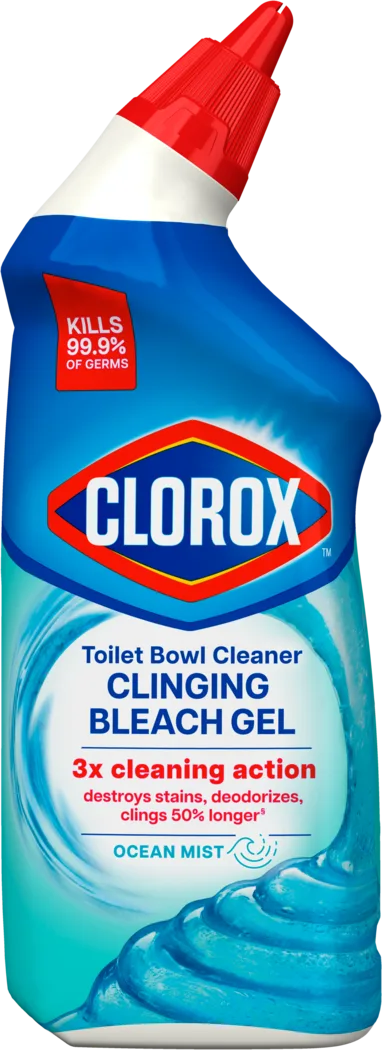
Credit: www.clorox.com
Bathroom Vs Kitchen Cleaner Needs
Bathroom and kitchen cleaners serve different purposes because the types of dirt and germs vary widely between these spaces. Your bathroom faces soap scum, mold, and tough stains from bodily fluids, while the kitchen deals with grease, food residue, and bacteria from raw ingredients. Understanding these differences helps you decide if a bathroom cleaner, like Clorox Bathroom Cleaner, is suitable for your kitchen surfaces.
Cleaning Challenges Unique To Bathrooms
Bathrooms often have hard water stains, mildew, and soap scum that need strong disinfectants and descaling agents. These cleaners usually contain ingredients that break down mineral deposits and kill mold spores effectively. If you've ever scrubbed a grimy shower door, you know how tough these residues can be.
Kitchen Surface Needs And Safety Concerns
Kitchens require cleaners that remove grease and food particles without leaving harmful residues. Since kitchen surfaces come into contact with food, any cleaner you use should be food-safe or easily rinsable. Have you ever worried about chemical smells lingering on your cutting board? That’s a sign the cleaner isn’t right for food prep areas.
Why Using Bathroom Cleaner In The Kitchen Can Be Risky
Bathroom cleaners often contain harsher chemicals that aren’t meant for food contact surfaces. Using them in the kitchen could lead to chemical residues that might contaminate your food. Plus, some bathroom cleaners have strong fragrances or ingredients that can irritate your skin or respiratory system when used in enclosed kitchen spaces.
Choosing The Right Cleaner For Each Space
Look for kitchen cleaners labeled as food-safe and suitable for countertops and appliances. If you want to disinfect, use products with EPA approval for food contact areas. Keeping separate cleaners for bathroom and kitchen prevents cross-contamination and keeps your home safe.
Is Clorox Safe For Kitchen Surfaces?
Wondering if Clorox Bathroom Cleaner is safe to use on your kitchen surfaces? It’s a common question, especially since many people want to simplify their cleaning routine. While Clorox products are powerful, their suitability depends on the surface you plan to clean.
Countertops And Cabinets
Countertops often face daily wear from food prep, spills, and stains. Clorox Bathroom Cleaner contains strong ingredients designed for bathroom grime, which might be too harsh for delicate kitchen surfaces like granite or wood cabinets.
Using it on sealed granite or marble can dull the finish. On wooden cabinets, it can strip protective coatings, causing damage over time. If you want to disinfect countertops, look for cleaners labeled safe for kitchen use or those specifically designed for your countertop material.
Appliances And Fixtures
Kitchen appliances and fixtures like sinks and faucets handle frequent contact with water and food particles. Clorox Bathroom Cleaner can effectively remove grime here but be cautious around stainless steel or chrome finishes.
Using this cleaner might cause discoloration or corrosion if not rinsed properly. Always test on a small hidden spot first. You want your appliances shining, not stained.
Food Contact Areas
Areas where food is directly prepared or served require the safest cleaning agents. Clorox Bathroom Cleaner is not formulated for food contact surfaces, so using it on cutting boards, dining tables, or utensils isn’t advisable.
Residues from bathroom cleaners could pose health risks if ingested, even in small amounts. Instead, opt for kitchen-specific disinfectants labeled as food-safe. Your health depends on the choices you make in cleaning products.
Potential Risks Of Using Bathroom Cleaner In Kitchen
Using Clorox Bathroom Cleaner in the kitchen might seem convenient. Yet, it poses risks. Understanding these risks is crucial for safe cleaning.
Chemical Residue Concerns
Bathroom cleaners often contain strong chemicals. These chemicals can leave residues on surfaces. In the kitchen, this is risky. Food can come into contact with these surfaces. Residues may then transfer to food. This poses a health risk. Always ensure surfaces are thoroughly rinsed if used.
Cross-contamination Issues
Bathrooms and kitchens serve different purposes. Using the same cleaner can lead to cross-contamination. Bathroom cleaners may carry bacteria from the bathroom. Applying them in the kitchen can spread these bacteria. This increases the risk of foodborne illnesses. Maintaining separate cleaning products is safer.
Recommended Kitchen Cleaning Alternatives
Choosing the right cleaner for your kitchen is crucial for maintaining a safe and healthy environment. While some bathroom cleaners like Clorox are powerful, they may not be suitable for kitchen surfaces where food is prepared. Let’s look at alternative cleaning options that keep your kitchen spotless without compromising safety.
Safe Disinfectants
Using disinfectants designed specifically for kitchens helps you avoid harmful chemical residues on food surfaces. Products containing quaternary ammonium compoundsor hydrogen peroxideare effective and safer choices.
Look for labels that say “food-safe” or “kitchen disinfectant.” These are tested to kill germs without leaving toxic residues.
Have you ever checked the ingredient list on your kitchen cleaner? It’s a simple step that can protect your family from unnecessary exposure to harsh chemicals.
Natural Cleaning Options
If you prefer something gentler, natural ingredients like white vinegar, baking soda, and lemon juicecan do wonders. They’re affordable, easy to find, and effective at cutting grease and grime.
For example, mixing vinegar and water in a spray bottle creates a mild disinfectant perfect for countertops. Baking soda works well as a scrub for stubborn stains without scratching surfaces.
Have you tried using natural cleaners in your kitchen yet? Many find that switching to these options reduces allergies and keeps the air fresher.
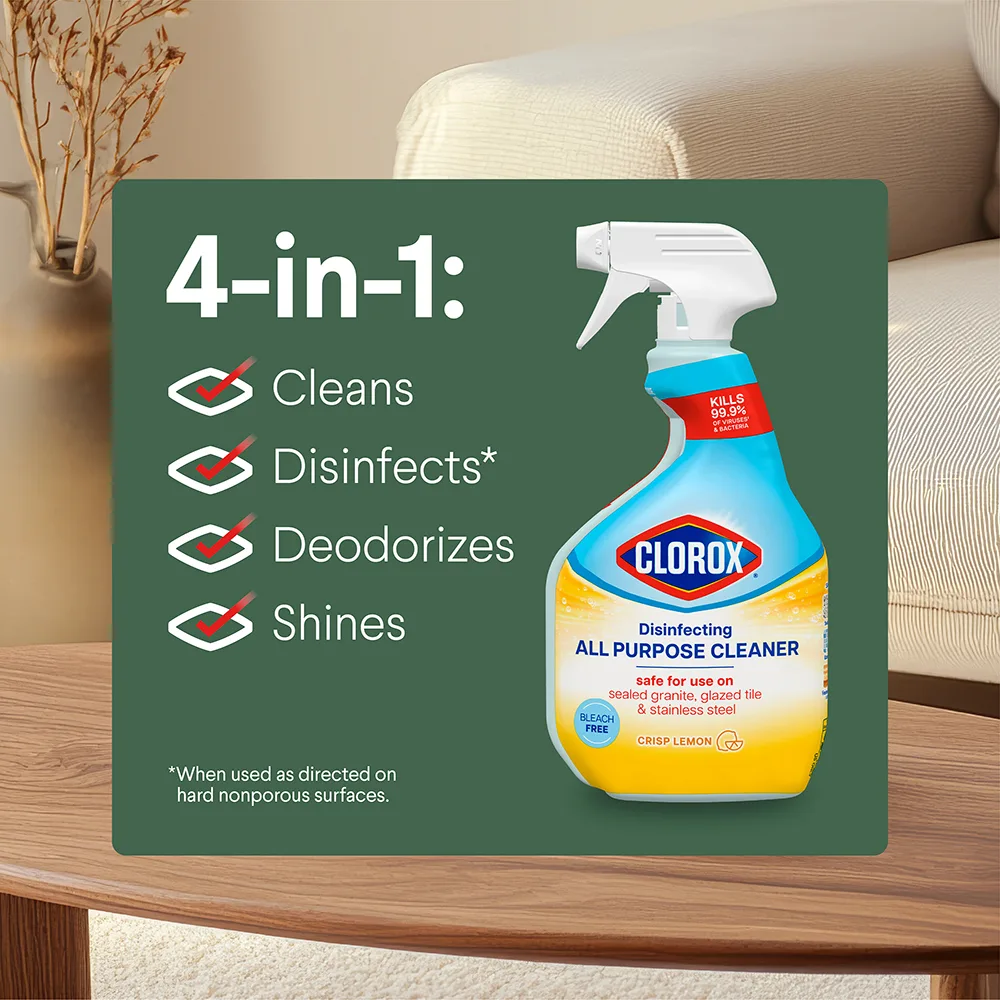
Credit: www.clorox.com
Proper Usage And Safety Tips
Using Clorox Bathroom Cleaner in your kitchen might seem convenient, but it’s essential to handle it correctly to keep your home safe. Proper usage and safety aren’t just about following rules—they protect your health and your surfaces. Let’s look at what you need to know before you bring this cleaner into your food prep area.
Reading Labels Carefully
Always start by reading the product label closely. Clorox Bathroom Cleaner contains chemicals designed for bathroom surfaces, which might be too harsh for kitchen counters or appliances. Look for any warnings about food contact or recommended surfaces to avoid damaging your kitchen items.
Have you ever used a cleaner only to find a residue afterward? Labels often tell you exactly how long to wait before rinsing, which can prevent unwanted chemical traces on your cutting boards or sinks. Don’t skip this step—you’re protecting yourself and your family.
Ventilation And Protective Gear
Using strong cleaners indoors means you need proper ventilation. Open windows or turn on exhaust fans to reduce fumes that can irritate your eyes or lungs. I once ignored this and ended up with a headache that lasted hours—don’t make the same mistake.
Wearing gloves is another simple step. Protecting your skin from harsh chemicals keeps your hands from drying out or developing rashes. If you’re sensitive, consider goggles to shield your eyes from splashes. Why risk discomfort when these small precautions help so much?
Storage And Handling
Where you keep your Clorox Bathroom Cleaner matters. Store it in a cool, dry place away from food and out of children’s reach to prevent accidents. I keep mine on a high shelf in a locked cabinet—this extra effort avoids any confusion during busy cooking times.
Handling the cleaner carefully means avoiding mixing it with other products, especially ammonia or acids, which can create dangerous gases. Always use it on its own and rinse surfaces thoroughly afterward. Are you making your cleaning routine safer with these simple habits?
Frequently Asked Questions
Can Clorox Bathroom Cleaner Be Safely Used In The Kitchen?
Clorox Bathroom Cleaner is designed for bathroom surfaces. It may contain chemicals unsuitable for food contact areas. Use kitchen-specific cleaners to ensure safety and hygiene in food preparation zones.
Is Clorox Bathroom Cleaner Effective On Kitchen Grease?
Clorox Bathroom Cleaner can remove some grease but is not formulated for kitchen grease. For best results, use a degreaser designed for kitchen use to avoid damage or residue.
Will Clorox Bathroom Cleaner Damage Kitchen Surfaces?
Using Clorox Bathroom Cleaner on certain kitchen surfaces may cause damage or discoloration. Always test on a small area first and follow manufacturer guidelines to protect countertops and appliances.
Can Clorox Bathroom Cleaner Sanitize Kitchen Counters?
Clorox Bathroom Cleaner has disinfectant properties but is not certified for kitchen sanitizing. Use EPA-approved kitchen disinfectants to ensure food safety and proper sanitation.
Conclusion
Clorox Bathroom Cleaner works best in bathrooms, not kitchens. Its strong chemicals may harm kitchen surfaces or food areas. Choose cleaners made for kitchen use to keep your space safe and clean. Always read product labels before using any cleaner.
Safe cleaning protects your family and home. Simple care keeps kitchens fresh and healthy. Use the right cleaner for the right place. Stay cautious and clean smart.