
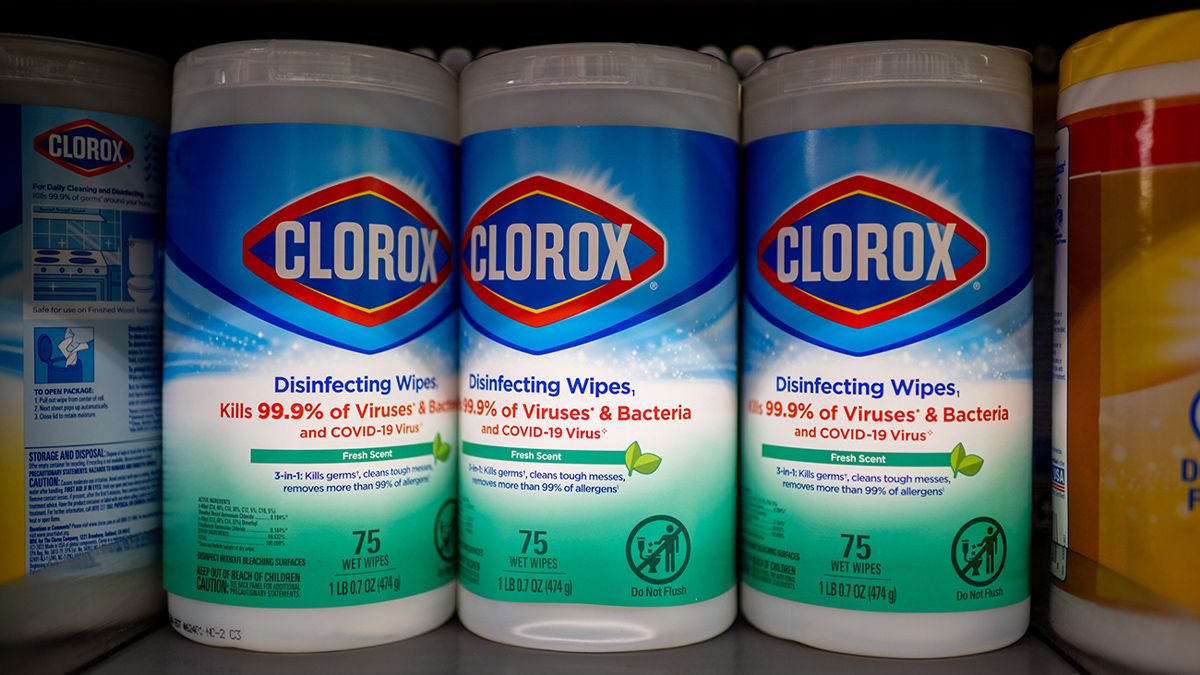
Are you wondering if Clorox wipes are safe to use in your kitchen? You want a clean, germ-free space, but you also want to keep your family safe from harsh chemicals.
Using the wrong cleaner on your countertops or cutting boards could cause problems you didn’t expect. This article will clear up the confusion and help you make smart choices for your kitchen cleaning. Keep reading to find out how to use Clorox wipes the right way—and when you should reach for something else.
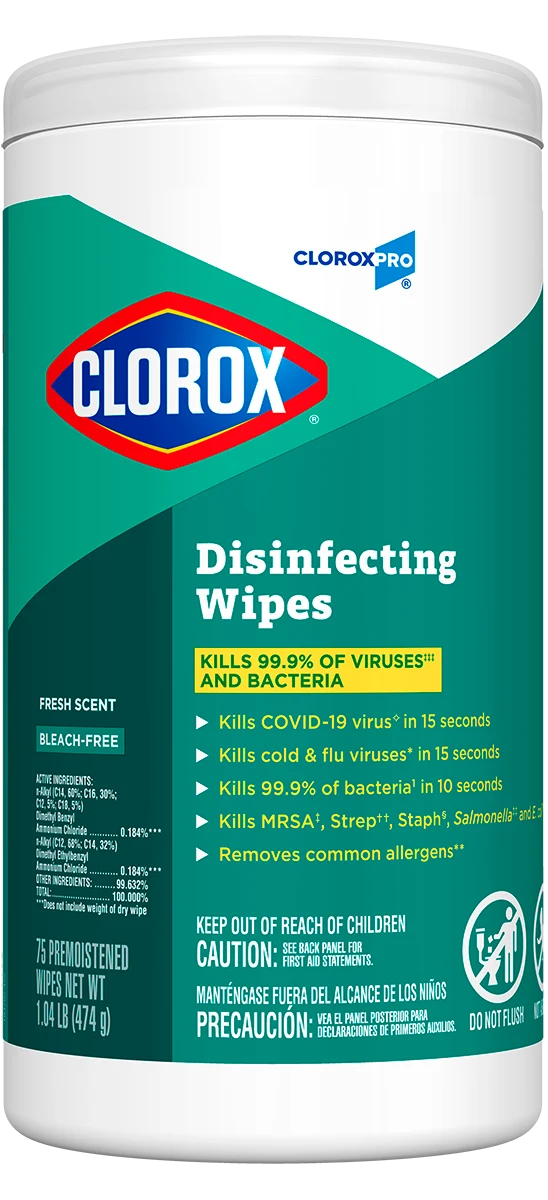
Credit: www.cloroxpro.com
Clorox Wipes And Kitchen Surfaces
Clorox wipes are popular for quick cleaning in kitchens. They kill germs and wipe away dirt easily. Using them on the right kitchen surfaces keeps your space safe and tidy. Knowing which surfaces work well with Clorox wipes helps avoid damage. This guide shows you where to use these wipes and where to avoid them in your kitchen.
Suitable Surfaces For Clorox Wipes
- Countertops made of granite, quartz, and laminate
- Stainless steel appliances like refrigerators and ovens
- Sealed wood surfaces with a protective finish
- Plastic and glass kitchenware
- Tile and ceramic surfaces including backsplashes
- Microwave exterior and other small appliances
These surfaces handle Clorox wipes well without harm. The wipes clean germs and stains effectively. They also help keep food preparation areas hygienic.
Surfaces To Avoid
- Unsealed wood, which can absorb moisture and stain
- Natural stone without a seal, like marble and limestone
- Painted or varnished surfaces that may fade
- Delicate fabrics or upholstery near the kitchen
- Non-stick cookware coatings that can wear off
Using Clorox wipes on these surfaces may cause damage. It can dull finishes or leave harmful residues. Always test a small hidden spot before full use.

Credit: www.youtube.com
Safety Precautions When Using Clorox Wipes
Using Clorox wipes in your kitchen can be very effective for cleaning, but it’s important to handle them safely. These wipes contain strong disinfectants that work best when used carefully. Taking simple precautions helps protect your health and keeps your kitchen truly clean.
Wearing Gloves And Ventilation
Clorox wipes have chemicals that can irritate your skin. Wearing gloves is a smart way to avoid redness or dryness. It also keeps your hands safe if you have cuts or sensitive skin.
Ventilation matters too. Using wipes in a well-ventilated kitchen reduces inhaling any fumes. Try opening a window or turning on a fan while you clean. Have you noticed how some smells linger longer when the air is still?
Avoiding Cross-contamination
Cross-contamination can happen if you use the same wipe on different surfaces without changing it. Germs can spread from raw meat areas to countertops where you prepare food.
Use one wipe per surface or task. If you’re wiping the sink, don’t use that same wipe for the fridge door handle. This simple habit keeps your kitchen safer and your family healthier.
Using Clorox Wipes On Food Contact Areas
Using Clorox wipes on food contact areas is a common practice in many kitchens. However, it’s important to understand how to use them safely to avoid any health risks. These wipes are effective at killing germs, but the way you apply and handle them on surfaces like cutting boards or countertops matters a lot.
Proper Wiping And Drying Techniques
When you use Clorox wipes on food contact surfaces, make sure to wipe the area thoroughly. Don’t just swipe once—cover the entire surface with enough moisture from the wipe to kill bacteria effectively.
Let the surface air dry completely before placing any food on it. This drying time allows the disinfectant to work properly and reduces the chance of chemical residue staying on the surface.
Have you noticed how sometimes wiping too fast leaves spots untouched? Take your time to wipe slowly and evenly for the best results.
Rinsing Requirements For Food Surfaces
After using Clorox wipes, it’s a good idea to rinse the surface with clean water, especially if you’ll be preparing food directly on it. This step helps remove any leftover chemicals that might transfer to your food.
Some kitchen items, like cutting boards or utensils, should always be rinsed after disinfecting. This extra step keeps your kitchen safe without sacrificing cleanliness.
Think about how often you skip rinsing after cleaning—could this be exposing your family to unnecessary chemicals?
Alternatives To Clorox Wipes In The Kitchen
Clorox wipes are popular in kitchens for their convenience and effectiveness. Yet, many people seek alternatives for various reasons, like environmental concerns or allergies. Luckily, there are plenty of other options to keep your kitchen clean and safe.
Natural Cleaning Options
Natural cleaners are great for those who prefer eco-friendly choices. Vinegar is a powerful cleaner that can cut through grease and grime. Mix equal parts of water and vinegar in a spray bottle for an easy solution. Baking soda is another excellent option. It acts as a mild abrasive, perfect for scrubbing surfaces. Lemon juice is also effective. Its acidity helps disinfect and leaves a fresh scent.
Other Disinfectant Products
There are many disinfectant products available that can replace Clorox wipes. Alcohol-based wipes are effective against germs and viruses. Ensure they contain at least 70% alcohol for the best results. Hydrogen peroxide is another option. It kills bacteria and viruses when used correctly. Look for wipes or sprays that list it as an active ingredient. Quaternary ammonium compounds, often found in cleaning sprays, are also effective. They are less harsh than bleach and work well on various surfaces.
Common Mistakes To Avoid
Using Clorox wipes in the kitchen can be helpful, but some mistakes can cause problems. Avoid these common errors to keep your surfaces safe and clean. Proper use ensures the wipes work well without damage or health risks. Pay attention to how often and where you use them.
Overuse And Surface Damage
Using Clorox wipes too often can harm your kitchen surfaces. The chemicals may wear down finishes on wood, laminate, or stainless steel. Repeated wiping can cause discoloration or dullness. Avoid scrubbing hard or leaving wipes on surfaces for too long.
Use wipes only as needed and rinse surfaces with water afterward. Test on a small area first to check for damage. Balance cleaning with care to keep your kitchen looking good.
Ignoring Manufacturer Guidelines
Each Clorox product has specific instructions. Ignoring these can reduce cleaning power or cause harm. Some wipes are not safe for food contact surfaces without rinsing. Others may not work well on porous materials.
Read labels carefully and follow all directions. Check if the surface needs drying or rinsing after use. Proper use protects health and keeps surfaces in top shape.
Tips For Effective Kitchen Cleaning
Keeping your kitchen clean is more than just about looks; it’s about safety and health. Effective cleaning helps prevent bacteria buildup and keeps your cooking space fresh. Here are some practical tips to make your kitchen cleaning routine both efficient and thorough.
Regular Cleaning Schedule
Setting a regular cleaning schedule helps you stay on top of kitchen hygiene. Clean countertops and sinks daily to avoid grime and germs piling up. Wipe down cabinet handles and appliance buttons at least twice a week since these spots often harbor bacteria.
Try to dedicate a few minutes each day rather than leaving everything for a deep clean later. You’ll find that small, consistent efforts save time and keep your kitchen safer. Have you noticed how a quick wipe after cooking makes the entire space feel more inviting?
Combining Cleaning And Disinfecting
Cleaning removes dirt and food residue, but disinfecting kills germs. Use Clorox wipes or similar disinfectants on high-touch surfaces like cutting boards, fridge handles, and light switches. Make sure the surface stays wet with the disinfectant for the time recommended on the product label to kill bacteria effectively.
Don’t skip cleaning before disinfecting; disinfectants work best on clean surfaces. If you’re unsure, wipe first with soap and water, then follow with a disinfecting wipe. This two-step approach reduces the risk of contamination and keeps your kitchen healthier.

Credit: www.runnings.com
Frequently Asked Questions
Can Clorox Wipes Safely Clean Kitchen Surfaces?
Yes, Clorox wipes are safe for most kitchen surfaces. They effectively kill germs and bacteria. Avoid using them on unsealed wood or granite to prevent damage.
Are Clorox Wipes Food-safe For Kitchen Use?
Clorox wipes are not food-safe for direct contact. Always wipe surfaces and let them dry before placing food on them. This prevents chemical residue from contaminating your food.
How Often Should I Use Clorox Wipes In The Kitchen?
Use Clorox wipes daily or after handling raw food. Regular cleaning helps reduce bacteria and maintain hygiene. Follow product instructions for best results.
Can Clorox Wipes Disinfect Cutting Boards?
Yes, Clorox wipes can disinfect non-porous cutting boards. For wooden boards, use a disinfectant safe for wood or wash thoroughly with hot soapy water instead.
Conclusion
Clorox wipes can clean many kitchen surfaces safely. Always check the label before use. Avoid using wipes on food contact areas without rinsing. Let surfaces dry completely after wiping. These wipes help reduce germs quickly and easily. Keep them out of reach of children.
Use them as part of a regular kitchen cleaning routine. Clean kitchens stay healthier and safer for everyone. Simple steps make a big difference in kitchen hygiene. Choose cleaning tools that suit your needs best.