
Are you wondering if Clorox wipes are safe to use on your kitchen appliances? You want your appliances clean and germ-free, but you also don’t want to damage them.
Using the wrong cleaner can lead to streaks, discoloration, or even harm the surface. You’ll discover the truth about Clorox wipes and how to use them safely on your kitchen appliances. Keep reading to protect your investment and keep your kitchen sparkling!
Credit: www.walmart.ca
Clorox Wipes And Kitchen Appliances
Keeping your kitchen appliances clean is essential for both hygiene and maintaining their appearance. Clorox wipes have become a popular choice for quick and easy cleaning. But are they really safe and effective for use on your kitchen appliances? Let's take a closer look at what makes Clorox wipes tick and the types of appliances you might want to clean with them.
What Are Clorox Wipes Made Of
Clorox wipes are pre-moistened cleaning cloths infused with disinfecting agents. Their main active ingredient is usually sodium hypochlorite or a similar bleach compound, which helps kill germs quickly.
Besides the disinfectant, they contain detergents to break down grease and dirt, plus moisturizers to keep the wipes soft and easy to use. This combination makes them handy for wiping down surfaces, but you need to consider how these chemicals might affect certain appliance finishes.
Common Kitchen Appliances Types
- Refrigerators:Often stainless steel or painted surfaces. These can be sensitive to harsh chemicals.
- Microwaves:Usually have painted or plastic exteriors and glass interiors.
- Ovens and Stoves:Surfaces include glass, metal, and sometimes plastic knobs.
- Dishwashers:Typically stainless steel or painted metal finishes.
- Small Appliances:Items like toasters, blenders, and coffee makers often have plastic and metal parts.
Each type of appliance has different material sensitivities. Using Clorox wipes might clean effectively but could also cause discoloration or damage if used improperly. Have you noticed any wear on your appliances after using wipes? That’s a clear sign to check if the product suits your appliance surface.
Credit: www.rd.com
Appliance Surfaces Compatible With Clorox Wipes
Clorox wipes work well on many kitchen appliance surfaces. They kill germs and clean dirt effectively. Knowing which surfaces are safe helps protect your appliances from damage. Use Clorox wipes carefully to keep surfaces looking new and shiny.
Stainless Steel
Stainless steel is common in many kitchen appliances. Clorox wipes clean fingerprints, smudges, and dirt easily. They do not harm the steel finish. Wipe in the direction of the grain to avoid streaks. Avoid using too much pressure to prevent scratches.
Glass And Ceramic
Glass and ceramic surfaces handle Clorox wipes well. They remove grease and stains quickly. Use gentle wiping to avoid cracks or chips. Do not leave wipes on the surface for too long. This keeps the glass or ceramic shiny and safe.
Plastic And Sealed Surfaces
Plastic and sealed surfaces are safe with Clorox wipes. They clean without causing damage or discoloration. Wipe gently to avoid scratching soft plastic. Avoid using on unsealed wood or painted surfaces. This prevents moisture damage and preserves the finish.
Surfaces To Avoid Using Clorox Wipes On
Clorox wipes are a convenient cleaning solution for many household surfaces, but they aren't suitable for all materials. Understanding where you should avoid using these wipes can prevent damage and prolong the life of your kitchen appliances. Let's explore the surfaces that should be kept Clorox-free.
Unsealed Wood
Unsealed wood can absorb moisture and chemicals from Clorox wipes, leading to potential warping and discoloration. If you have wooden surfaces in your kitchen that aren't sealed, consider using a mild soap and water solution instead. This gentle approach helps maintain the wood's integrity and appearance.
Porous Materials
Porous materials, such as natural stone countertops or tiles, can be adversely affected by the chemicals in Clorox wipes. These materials can absorb the liquid, causing staining or even weakening the structure over time. A specialized cleaner designed for porous surfaces is a safer bet to keep these areas looking their best.
Delicate Electronics
Using Clorox wipes on delicate electronics like touch screens or control panels can lead to moisture damage. These wipes can leave residue, which might affect the performance of sensitive electronic components. Instead, opt for a microfiber cloth slightly dampened with water for safe cleaning.
Are you guilty of using Clorox wipes on these surfaces? It's time to rethink your cleaning habits to ensure your kitchen stays in top shape. Remember, choosing the right cleaning method can make all the difference in preserving your appliances and surfaces.
Safe Cleaning Tips For Kitchen Appliances
Cleaning kitchen appliances safely helps keep them working well and looking good. Using the right wipes, like Clorox wipes, requires care to avoid damage. Follow these safe cleaning tips to protect your appliances and keep your kitchen hygienic.
Proper Wiping Technique
Start by unplugging the appliance. Use a Clorox wipe gently on the surface. Wipe in one direction instead of back and forth. Focus on dirty spots but avoid soaking the appliance. Change wipes if they become too wet or dirty. Always read the appliance manual for specific cleaning advice.
Avoiding Damage And Streaks
Test the wipe on a small, hidden area first. Avoid using Clorox wipes on sensitive screens or unsealed wood. Use a soft cloth after wiping to remove excess moisture. Wiping lightly prevents scratches and streaks. Avoid harsh scrubbing that can remove paint or finish.
Drying And Ventilation
After wiping, let the appliance air dry completely. Keep doors and vents open to improve airflow. Do not plug in the appliance until fully dry. This stops moisture from causing damage or electrical issues. Proper drying keeps your appliances safe and clean longer.
Alternatives To Clorox Wipes
If you’re cautious about using Clorox wipes on your kitchen appliances, you’re not alone. Many people worry about harsh chemicals damaging surfaces or leaving residues. Luckily, there are several alternatives that clean effectively without risking harm to your appliances.
Natural Cleaning Solutions
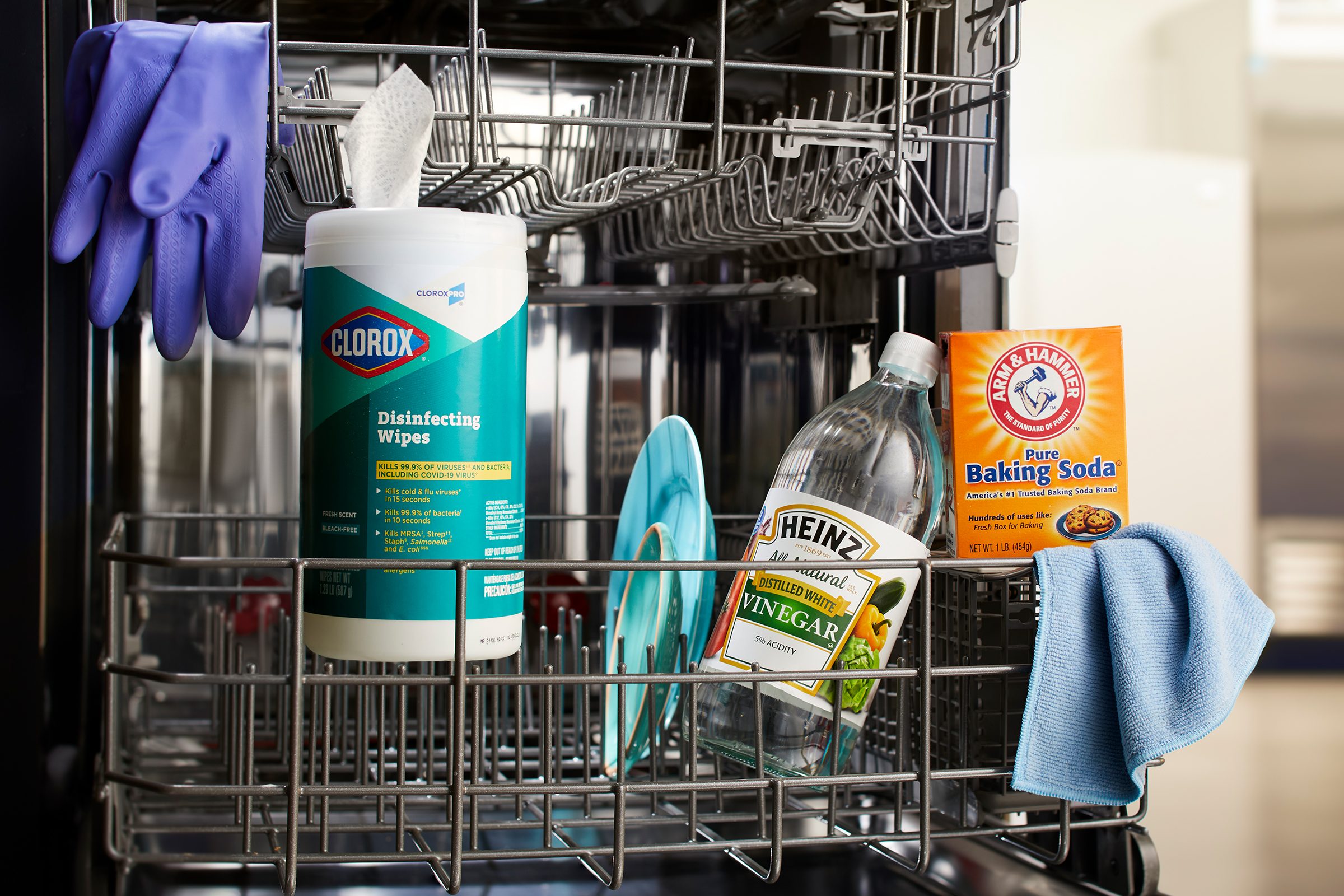
Natural cleaners are gentle but still powerful against everyday grime. Vinegar and water make a simple spray that cuts through grease and disinfects without harsh chemicals. Baking soda, when sprinkled on a damp cloth, acts as a mild abrasive to scrub off stuck-on food safely.
I once switched to using lemon juice mixed with water to clean my microwave interior. Not only did it freshen the smell, but it also avoided the chemical smell I disliked from wipes. Have you ever tried natural solutions that surprised you with their effectiveness?
- Mix equal parts white vinegar and water in a spray bottle for a streak-free shine.
- Use baking soda paste (baking soda + water) to tackle tough spots.
- Lemon juice can brighten stainless steel and leave a fresh scent.
Specialized Appliance Cleaners
Some appliances need cleaners designed specifically for their surfaces. Look for products labeled safe for stainless steel, glass, or plastic depending on your appliance. These formulas often avoid harsh chemicals that can discolor or degrade finishes over time.
For example, using a stainless steel cleaner on your fridge helps maintain that sleek look without streaks. When you buy cleaners meant for your appliance type, you protect your investment and keep it looking new longer.
- Choose glass cleaners without ammonia for microwave doors and screens.
- Use stainless steel sprays or wipes for fridges and ovens.
- Opt for plastic-safe cleaners on smaller gadgets and coffee machines.

Credit: www.walmart.ca
Health And Safety Precautions
Using Clorox wipes on kitchen appliances requires caution to protect your health. Cleaning chemicals can cause irritation or allergic reactions if used carelessly. Following safety rules helps keep you and your family safe. It also prevents damage to your appliances and avoids unwanted chemical residues.
Proper Ventilation
Always clean in a well-ventilated space. Open windows or use an exhaust fan. This reduces the buildup of strong chemical fumes. Breathing fresh air helps avoid dizziness or headaches. Good airflow makes cleaning safer and more comfortable.
Avoiding Chemical Residue
Wipe surfaces gently to prevent leftover chemicals. Use a damp cloth after cleaning with Clorox wipes. This removes any residue that could touch food or skin. Avoid using wipes on surfaces that contact food directly. This lowers the risk of ingesting harmful substances.
Safe Storage Of Cleaning Wipes
Keep wipes out of reach of children and pets. Store them in a cool, dry place to maintain effectiveness. Close the package tightly after use to prevent drying out. Proper storage helps avoid accidents and keeps wipes ready for next use.
Frequently Asked Questions
Can Clorox Wipes Damage Kitchen Appliance Surfaces?
Clorox wipes are generally safe for most kitchen appliances. Avoid using on unsealed wood or delicate finishes to prevent damage. Always test a small area first to ensure no discoloration or damage occurs.
Are Clorox Wipes Effective Against Kitchen Germs?
Yes, Clorox wipes kill 99. 9% of common bacteria and viruses. They are effective for sanitizing appliance surfaces and reducing the spread of germs in the kitchen.
Can I Use Clorox Wipes On Stainless Steel Appliances?
Clorox wipes can clean stainless steel but may cause streaks. Wipe with a dry cloth afterward to maintain shine and avoid residue build-up.
Are Clorox Wipes Safe For Appliance Buttons And Screens?
Use Clorox wipes gently on buttons and screens. Avoid excessive moisture to prevent damage to electrical components or screens.
Conclusion
Clorox wipes can clean many kitchen appliances safely. Always check the appliance label before using wipes. Avoid using wipes on screens or delicate surfaces. Wipe gently to prevent damage and streaks. Let the surface dry fully after cleaning. Use wipes for quick and easy kitchen touch-ups.
Keep your appliances looking clean and fresh daily. Simple care helps appliances last longer and work well. Choose cleaning methods that protect your kitchen items. Cleaning smart keeps your kitchen safe and healthy.