
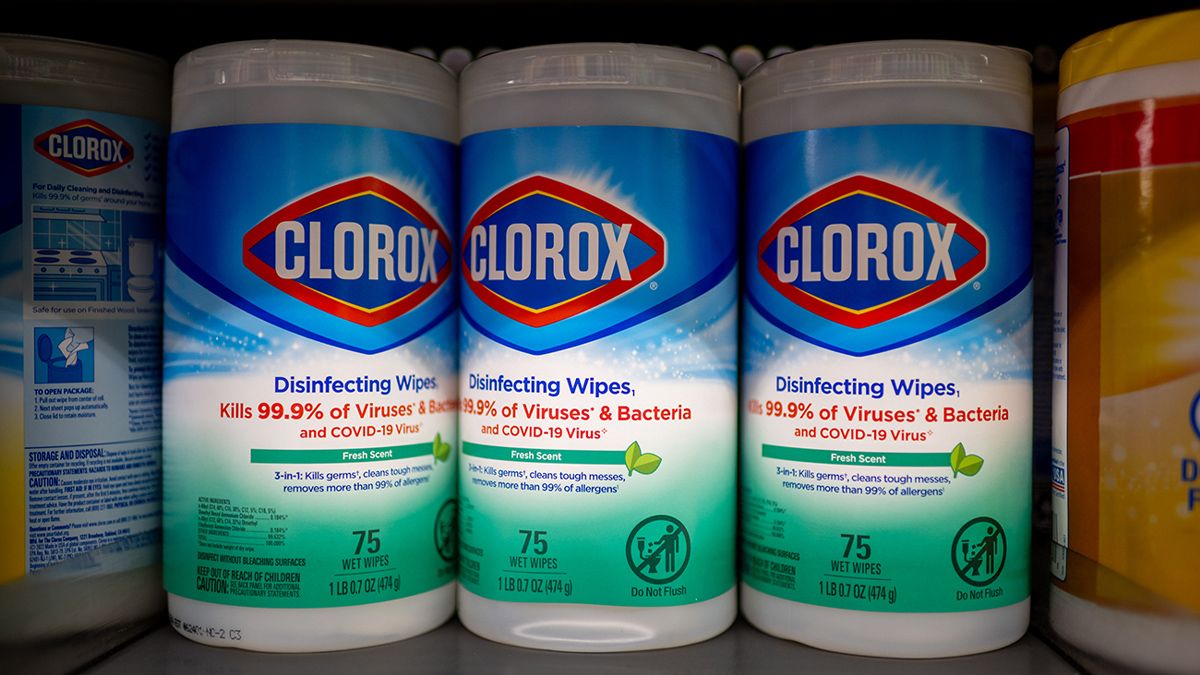
Are you wondering if Clorox wipes are safe to use on your kitchen work surface? You want your kitchen to be clean and germ-free, but you also don’t want to damage your countertops.
Using the wrong cleaner can cause stains, dull finishes, or even harm the material. You’ll discover the truth about Clorox wipes and your kitchen surfaces. Keep reading to learn how to keep your kitchen spotless without risking any damage.

Credit: www.youtube.com
Clorox Wipes And Kitchen Surfaces
Clorox wipes have become a popular choice for quick cleaning in kitchens. Their convenience and disinfecting power make them appealing for wiping down various surfaces. However, it’s important to consider how these wipes interact with different kitchen materials to avoid damage and maintain cleanliness effectively.
Common Kitchen Materials
Your kitchen work surfaces can be made from a range of materials, each with unique properties. Common ones include:
- Granite:A durable natural stone but sensitive to acidic cleaners.
- Quartz:Engineered stone that resists stains but can dull with harsh chemicals.
- Laminates:Budget-friendly and easy to clean but prone to scratches.
- Wood:Warm and natural but can absorb moisture and stain easily.
- Stainless steel:Sleek and easy to sanitize but shows fingerprints and streaks.
Knowing your surface type helps you choose the right cleaning method. Have you ever noticed discoloration or a dull finish after cleaning your counters? It might be due to the wrong cleaning product.
Wipes Compatibility
Clorox wipes contain disinfectants that kill germs quickly, but their ingredients can sometimes harm certain surfaces. For instance, on granite and quartz, the acidic components may wear down the sealant, causing dull spots over time.
Wood surfaces can absorb moisture from wipes, leading to swelling or warping if not dried promptly. Laminates can usually handle Clorox wipes but may lose their shine with excessive use.
| Surface | Clorox Wipes Compatibility | Tips |
|---|---|---|
| Granite | Use sparingly; avoid frequent use | Wipe dry immediately; test in small area |
| Quartz | Not recommended for daily cleaning | Use mild soap and water instead |
| Laminates | Generally safe | Avoid soaking; dry after use |
| Wood | Use cautiously | Dry quickly; consider specialized wood cleaners |
| Stainless Steel | Safe but may cause streaks | Wipe with microfiber cloth afterward |
Do you want to keep your kitchen surfaces both clean and intact? Then think about what your counters are made of before reaching for those handy wipes. Sometimes, a simple damp cloth and gentle soap do the job better without risking damage.

Credit: www.yahoo.com
Safety Of Clorox Wipes
Clorox wipes are popular for quick cleaning in kitchens. Many wonder if they are safe to use on kitchen surfaces. Understanding the safety of Clorox wipes helps you clean confidently and protect your family.
Ingredients And Chemicals
Clorox wipes contain disinfectants like sodium hypochlorite or hydrogen peroxide. These chemicals kill germs effectively. The wipes also have surfactants that help remove dirt. Some wipes include fragrances and preservatives. These ingredients are tested for safety but can cause irritation if misused.
Health Considerations
Avoid direct contact with skin and eyes to prevent irritation. Keep wipes away from children and pets. Use in well-ventilated areas to reduce breathing in fumes. People with sensitive skin should wear gloves. Rinse surfaces with water after wiping if food touches the area.
Proper Usage Tips
- Use wipes only on hard, non-porous surfaces.
- Follow the instructions on the label carefully.
- Allow the surface to stay wet for the recommended time.
- Dispose of used wipes properly; do not flush them.
- Wash hands after cleaning.
Effectiveness Against Germs
Clorox wipes are a popular choice for cleaning kitchen work surfaces because they promise quick and effective germ removal. But how well do they actually work against the variety of germs that might be lurking on your countertops? Understanding their effectiveness can help you decide if they’re the right option for keeping your kitchen safe and hygienic.
Types Of Germs Killed
Clorox wipes are designed to kill a broad range of harmful germs. They are effective against:
- Bacteria like E. coli and Salmonella, common culprits in foodborne illnesses.
- Viruses such as influenza and the common cold.
- Fungi, including mold and mildew spores that can grow in damp kitchen areas.
Knowing this, you can feel more confident wiping down your counters, especially after handling raw meat or fresh produce. Have you ever considered how many germs might survive if you skip disinfecting?
Contact Time Importance
One key to Clorox wipes’ effectiveness is the contact time—the amount of time the surface stays wet with the disinfectant. Simply wiping quickly won’t do the trick.
The product label usually recommends keeping the surface wet for several minutes (often around 4-10 minutes) to ensure all germs are killed. Rushing this step might leave some bacteria or viruses alive, which defeats the purpose.
Next time you clean, try timing yourself and see if you give the wipes enough time to work fully. Could this small change make your kitchen much safer?
Usage Guidelines For Kitchen Surfaces
Using Clorox wipes on kitchen surfaces can keep them clean and germ-free. Proper usage ensures safety and effectiveness. Follow these guidelines to maintain a hygienic kitchen environment.
Pre-cleaning Steps
Begin by clearing the kitchen work surface. Remove all items like dishes, appliances, and food. This ensures the entire surface is accessible for cleaning. Check for visible dirt or debris. Use a damp cloth to wipe away crumbs and loose particles. This step prepares the surface for disinfecting with Clorox wipes.
Application Methods
Open the Clorox wipes container and pull out a wipe. Ensure the wipe is moist for effective cleaning. Start at one end of the surface and wipe in a straight line. Apply even pressure as you move across the area. Overlap each stroke slightly to cover the entire surface. Use multiple wipes if needed, especially for larger surfaces.
Drying And Rinsing
Allow the surface to air dry after wiping. This ensures the disinfectant kills germs effectively. Avoid rinsing immediately, as it can reduce effectiveness. Once dry, you can rinse surfaces that come into direct contact with food. Use a clean, damp cloth for rinsing. This step is optional for non-food-contact areas.
Alternatives To Clorox Wipes
If you’re looking for alternatives to Clorox wipes for cleaning your kitchen work surfaces, you’re not alone. Many people want options that are effective but gentler on the environment or less harsh on their skin. There are several practical choices that can keep your kitchen clean without relying solely on commercial disinfecting wipes.
Natural Cleaning Options
Natural ingredients can do a great job cleaning your kitchen counters. Vinegar, for example, is a popular choice because it kills some bacteria and removes stains without harsh chemicals.
Mix equal parts water and white vinegar in a spray bottle and spray it on your surfaces. Wipe it down with a clean cloth for a fresh and safe finish. Lemon juice is another natural cleaner with antibacterial properties and leaves a pleasant scent behind.
Have you tried baking soda on tough stains? Sprinkle some on your countertop, add a little water to make a paste, then scrub gently. It’s a simple and effective way to tackle grime without chemicals.
Other Disinfectants
If you prefer something with stronger disinfecting power, there are alternatives to Clorox wipes that still get the job done. Hydrogen peroxide spray is a good option; it’s effective against many germs and breaks down into water and oxygen, leaving no harmful residue.
Isopropyl alcohol (rubbing alcohol) is another disinfectant you can use. Just apply it to a cloth and wipe your surfaces to kill bacteria and viruses quickly. Be sure to use it in a well-ventilated area, as the fumes can be strong.
There are also disinfectant sprays and wipes made with different active ingredients like benzalkonium chloride, which can be gentler on surfaces and your skin. Always check the label to make sure the product is safe for kitchen surfaces and follow the instructions carefully.

Credit: www.momtrends.com
Common Mistakes To Avoid
Using Clorox wipes on your kitchen work surface might seem straightforward, but many people make mistakes that reduce effectiveness or even harm their countertops. Avoiding these common errors can save your surfaces and keep your kitchen hygienic. Let’s look at what to watch out for to get the best results without damage.
Overuse Risks
It’s tempting to wipe your counters constantly with Clorox wipes, especially after every little spill. However, overusing these wipes can lead to a buildup of chemicals, which might leave sticky residues or dull the surface finish.
Think about how often you clean your kitchen surfaces—do you really need to disinfect every time? Sometimes, simple soap and water is enough for daily cleaning, reserving disinfecting wipes for high-risk moments like after handling raw meat.
Excessive use may also expose you and your family to more chemicals than necessary. Balance is key. Use Clorox wipes thoughtfully to avoid irritation or allergic reactions.
Surface Damage Prevention
Not all kitchen surfaces react the same to Clorox wipes. Granite, marble, and other natural stones can stain or lose their shine if exposed to harsh chemicals too often. Have you checked your countertop’s care instructions before wiping it down?
Always test a small, hidden area first. If the surface changes color or texture, stop immediately. For delicate surfaces, use wipes labeled safe for stone or switch to gentler cleaning options.
Another tip: avoid scrubbing hard with the wipes. Let the disinfectant sit for a minute or two instead of rubbing aggressively, which can scratch or wear down your countertop finish.
Frequently Asked Questions
Can Clorox Wipes Safely Clean Kitchen Countertops?
Yes, Clorox wipes are safe for most kitchen countertops. They effectively kill germs and bacteria. However, avoid using them on unsealed wood or natural stone surfaces to prevent damage.
Are Clorox Wipes Effective Against Kitchen Germs?
Clorox wipes kill 99. 9% of common kitchen germs. They contain disinfectants that remove bacteria and viruses quickly. Use them regularly to maintain a hygienic kitchen surface.
How Often Should You Use Clorox Wipes In The Kitchen?
Use Clorox wipes daily or after food prep to keep surfaces clean. Regular use reduces contamination risks. Always follow product instructions for best results.
Can Clorox Wipes Damage Kitchen Surfaces?
Clorox wipes can damage sensitive surfaces like granite or marble. Test on a small area first. Avoid prolonged contact to prevent discoloration or deterioration.
Conclusion
Clorox wipes can clean kitchen surfaces well and kill germs fast. Always check the surface type before using these wipes. Some materials may get damaged or lose shine. Wipe gently and do not leave moisture for long. Let the surface dry fully after cleaning.
Using wipes carefully keeps your kitchen safe and fresh. Simple steps help protect your counters and family health. Clean smart, stay healthy.