

Is your kitchen sink clogged, and you’re wondering if it’s still safe to run your dishwasher? You’re not alone.
Many people face this frustrating problem and aren’t sure what to do next. Using your dishwasher when the sink is blocked might seem like a quick fix, but it can cause bigger issues. You’ll discover why it’s important to think twice before running your dishwasher with a clogged sink.
Keep reading to learn what risks you might be taking and how to handle the situation the right way. Your kitchen—and your peace of mind—depends on it.
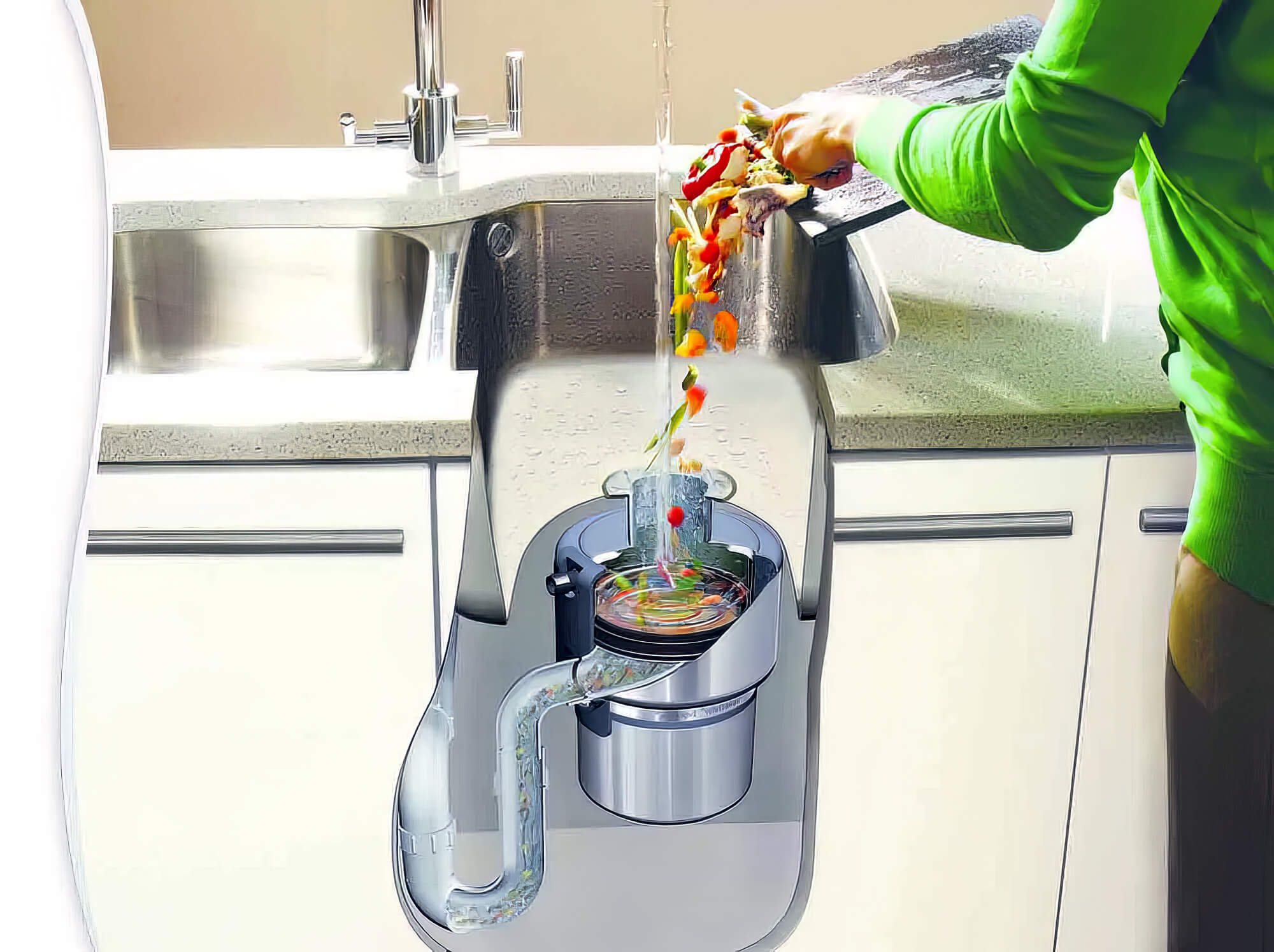
Credit: goldcoastplumbingcompany.com.au
Why A Clogged Sink Affects The Dishwasher
A clogged kitchen sink can cause more trouble than you might think, especially when it comes to your dishwasher. Since these two appliances often share plumbing, a blockage in the sink can directly impact the dishwasher's function. Understanding why this happens can help you avoid damage and costly repairs.
Shared Drainage System
Your kitchen sink and dishwasher usually drain through the same pipe. When the sink is clogged, water struggles to exit through this shared line.
This means wastewater from the dishwasher has nowhere to go, leading to slow draining or standing water inside the dishwasher. Have you noticed water pooling in your dishwasher after a sink clog? That’s a clear sign of this shared drainage problem.
Risk Of Backflow
When the sink drain is blocked, water can reverse its flow and move back toward the dishwasher.
This backflow can bring dirty water and food debris into the dishwasher, contaminating your clean dishes. Imagine running your dishwasher only to find dirty water inside—it's not just inconvenient, it’s a health risk.
Impact On Dishwasher Performance
A clogged sink can cause your dishwasher to run inefficiently or even stop working altogether.
Water may not drain properly, causing the dishwasher to error out or leave dishes wet and dirty. If your dishwasher’s performance drops after a sink clog, it’s a clear sign that addressing the clog is crucial for your appliance’s health.
Signs You Should Avoid Using The Dishwasher
Using a dishwasher when the kitchen sink is clogged can cause bigger problems. It can lead to water overflow, bad smells, or damage to your appliance. Recognizing signs that warn against running your dishwasher helps protect your home and saves repair costs. Watch for these common signals before starting your dishwasher.
Slow Drainage In Sink
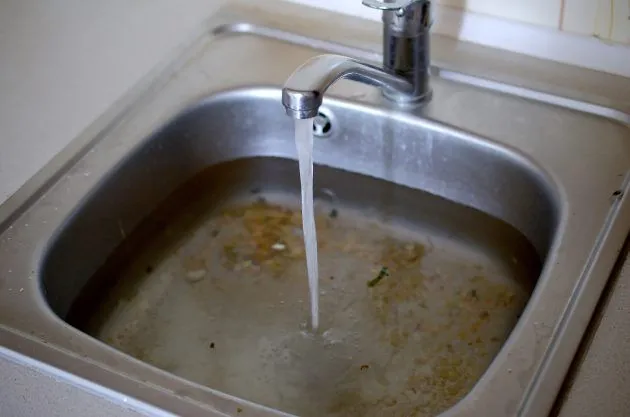
Water in the sink drains very slowly or not at all. This means the pipes are clogged. Running the dishwasher will push more water into blocked pipes. It can cause water to back up into the sink or dishwasher. Avoid using the dishwasher until the clog clears.
Water Backup In Dishwasher
Dirty or standing water appears inside the dishwasher after a cycle. This shows drainage is blocked. Water has nowhere to go and flows back into the dishwasher. This can damage the machine and your dishes. Stop using the dishwasher until the sink drain is fixed.
Unpleasant Odors
Bad smells come from the sink or dishwasher area. Stagnant water and food waste trapped in clogged pipes cause these odors. Running the dishwasher spreads these smells further. It signals a blockage that needs attention before dishwasher use.
Immediate Steps To Take When Sink Is Clogged
A clogged sink can disrupt your kitchen routine. You might wonder if you can still use the dishwasher. Before deciding, take some immediate steps to address the blockage. These steps can help prevent further issues and ensure everything runs smoothly.
Turn Off Dishwasher
First, switch off the dishwasher. Running it with a clogged sink can cause water to back up. This might lead to leaks or damage. Ensure the appliance is completely off and not in use.
Clear Visible Blockages
Check for any visible obstructions in the sink. Remove any food scraps or debris that might be blocking the drain. You can use a small tool or your hands to clear these items.
Use Natural Drain Cleaners
Opt for natural solutions to tackle the clog. Baking soda and vinegar make an effective mix. Pour half a cup of baking soda into the drain. Follow it with half a cup of vinegar. Let it sit for about 15 minutes. Then, rinse with hot water. This method is safe and gentle on pipes.
Credit: www.allamericanpha.com
Safe Dishwasher Use With A Partially Clogged Sink
Using your dishwasher when the kitchen sink is partially clogged can be tricky. It’s important to take precautions to prevent water from backing up and causing damage. Safe dishwasher use requires careful monitoring and adjustments to how you run your appliance.
Run Short Cycles
Choose shorter wash cycles to reduce the amount of water flowing through your drainage system. Short cycles use less water and give the clogged drain less chance to overflow. This simple change can help you keep using your dishwasher without making the clog worse.
Monitor For Water Backup
Keep a close eye on the sink and dishwasher during and after the cycle. If you notice water rising or pooling around the drain, stop the dishwasher immediately. Catching backup early can prevent costly water damage and alert you that the clog needs urgent attention.
Avoid Heavy Loads
Load your dishwasher lightly to minimize strain on the drainage system. Heavy loads mean more water and food debris going down the drain, increasing the risk of worsening the clog. Running smaller loads can help the water flow more easily and reduce pressure on your pipes.
Preventing Sink And Dishwasher Clogs
Preventing clogs in your kitchen sink and dishwasher keeps your home running smoothly. Clogs cause backups and slow drainage. Taking simple steps can save time and costly repairs.
Regular Maintenance Tips
- Run hot water down the drain after using the sink.
- Clean the sink strainer to catch food particles.
- Use a mixture of baking soda and vinegar monthly to clear buildup.
- Check dishwasher filters and clean them regularly.
- Avoid pouring grease or oil down the drain.
Proper Disposal Of Food Waste
Dispose of food waste properly to avoid blockages. Scrape plates into trash or compost bins before washing. Avoid putting large food scraps in the sink or dishwasher.
Use a garbage disposal carefully, only for soft food waste. Hard items like bones or fruit pits can cause clogs. Avoid starchy foods like rice or pasta, which swell and block pipes.
Installing A Drain Trap
A drain trap catches debris and prevents clogs in pipes. Installing one under your sink helps catch solids before they reach the drain. It also blocks sewer gases from entering your kitchen.
Check traps regularly and clean them to keep water flowing freely. Proper installation and upkeep of a drain trap reduce the risk of clogs in both sink and dishwasher drains.

Credit: drano.com
When To Call A Professional Plumber
Knowing when to call a professional plumber is crucial if your kitchen sink is clogged. Using a dishwasher with a blocked sink can cause more damage and costly repairs. Some problems need expert tools and skills. Ignoring serious issues might lead to leaks or flooding. A plumber can quickly diagnose and fix the root cause.
Persistent Clogs
Persistent clogs do not clear after multiple attempts. Simple home remedies fail to fix the blockage. Water drains very slowly or not at all. This could mean a deep or tough clog inside pipes. A professional plumber has the right tools to remove stubborn blockages safely and effectively.
Recurring Dishwasher Issues
Dishwasher problems may signal a bigger drainage issue. Water backing up into the sink or dishwasher is a warning sign. Strange noises or odors from the dishwasher often mean clogged drains. A plumber can inspect the drain connection and prevent dishwasher damage.
Signs Of Drainage Damage
Leaks, foul smells, or water stains under the sink are serious. Cracks or corrosion in pipes can worsen over time. Slow drainage combined with these signs indicates damage inside pipes. A plumber can assess and repair damaged pipes to avoid leaks or flooding.
Frequently Asked Questions
Can I Run Dishwasher With A Clogged Kitchen Sink?
Running the dishwasher with a clogged sink is not recommended. The clog can cause water backup. This may lead to leaks or dishwasher damage. It’s best to clear the clog before using the dishwasher to avoid plumbing issues.
Why Does Dishwasher Drain Into A Clogged Sink?
Dishwashers often share a drain with the kitchen sink. If the sink is clogged, water can’t flow out properly. This causes dishwasher water to back up into the sink. Clearing the clog ensures proper drainage for both appliances.
Will Dishwasher Worsen A Kitchen Sink Clog?
Yes, running the dishwasher can worsen a sink clog. Dishwasher water adds extra flow that can increase pressure in the pipes. This may cause slow drainage or leaks. Fixing the clog before dishwasher use prevents further plumbing problems.
How To Use Dishwasher If Kitchen Sink Is Blocked?
If the kitchen sink is blocked, avoid using the dishwasher. First, try to clear the clog using a plunger or drain cleaner. If unresolved, call a plumber. Using the dishwasher before fixing the clog risks water backup and appliance damage.
Conclusion
Using a dishwasher with a clogged kitchen sink can cause problems. Water may back up and spill out. This can lead to a bigger mess and damage. It’s best to fix the sink first. Clearing the clog helps the dishwasher work properly.
Taking care of plumbing issues keeps your kitchen clean and safe. Avoid running appliances until the sink drains well. Simple steps prevent costly repairs later on. Keep your home running smoothly by addressing clogs early.