
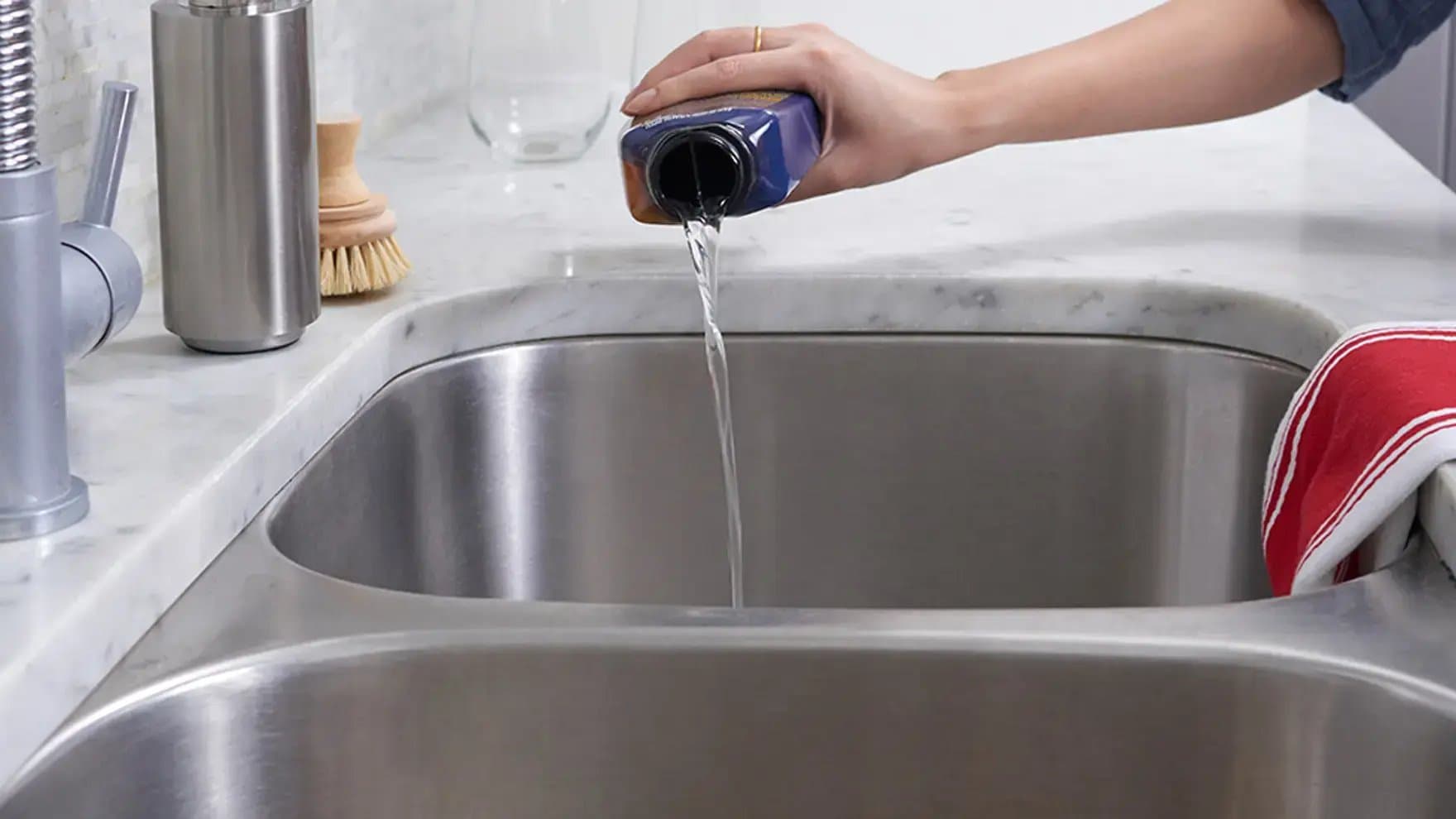
Have you ever faced a slow-draining kitchen sink and wondered if reaching for a drain cleaner is the right move? You’re not alone.
When your sink starts to clog, it’s tempting to grab that bottle of drain cleaner and pour it down without a second thought. But is it really safe for your kitchen sink? Using the wrong product can sometimes make the problem worse or even damage your pipes.
Keep reading to find out exactly when and how you can use drain cleaners safely, so you can protect your plumbing and get your kitchen back to normal fast.
Credit: cleaninginto.com
Types Of Drain Cleaners
Drain cleaners come in different types, each designed for specific clogs and pipes. Choosing the right one helps clear blockages safely and effectively. Understanding these types helps protect your kitchen sink and plumbing system.
Chemical Cleaners
Chemical cleaners use strong acids or bases to dissolve clogs. They work fast on grease, hair, and food debris. These cleaners can harm pipes if used too often. Always follow the instructions and use gloves. Avoid mixing chemicals to prevent dangerous reactions.
Enzymatic Cleaners
Enzymatic cleaners use natural enzymes to break down organic waste. They are gentle on pipes and safe for septic systems. These cleaners take longer to work but cause less damage. Ideal for regular maintenance and minor clogs. They help keep drains fresh and clear over time.
Mechanical Methods
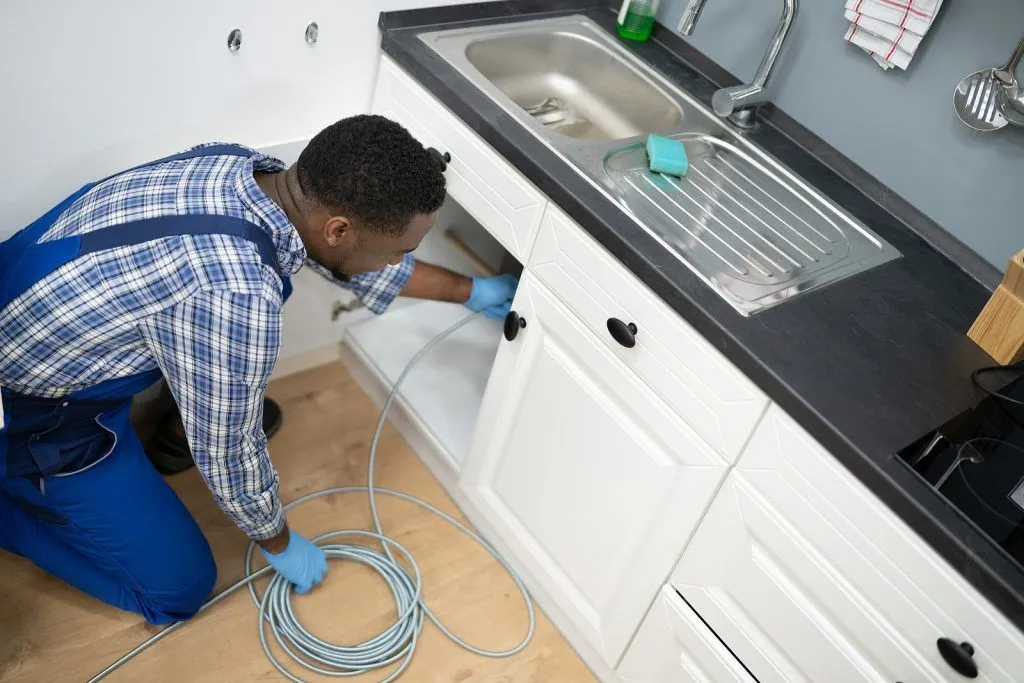
Mechanical methods clear drains by physically removing blockages. Tools like plungers, drain snakes, and brushes are common. They avoid chemicals and protect your pipes. These methods work well for tough or stubborn clogs. They require some effort but offer long-term results.
Risks Of Using Drain Cleaner In Kitchen Sink
Using drain cleaner in your kitchen sink might seem like a quick fix for clogs, but it comes with serious risks you should consider. Many people don’t realize how these chemicals can affect their plumbing, health, and the environment. Before reaching for that bottle, it’s important to understand what could go wrong.
Damage To Pipes
Drain cleaners often contain harsh chemicals like lye or sulfuric acid. These substances can eat away at not just the clog but also your pipes, especially if they are old or made of metal. Plastic pipes can also warp or weaken over time, leading to leaks or bursts that cost a lot to repair.
Have you ever noticed a foul smell after using drain cleaner? That could be a sign the chemicals are corroding your pipes. Repeated use may create tiny holes, making your plumbing vulnerable and causing unexpected water damage.
Health Hazards
These cleaners release toxic fumes that can irritate your eyes, skin, and lungs. Even small splashes can cause burns or allergic reactions. If you have children or pets, the risk increases dramatically since they might accidentally come into contact with these dangerous substances.
Think about the last time you used a drain cleaner—did you wear gloves and ventilate the area properly? Neglecting safety measures can turn a simple task into a health emergency.
Environmental Impact
When you pour drain cleaner down the sink, the chemicals don’t just vanish. They enter the water system and can harm aquatic life by disrupting ecosystems. These substances are tough to break down and may contaminate soil and groundwater too.
Would you want your kitchen sink to be a gateway for pollution? Choosing safer alternatives can protect the environment and keep your household safer in the long run.
When To Use Drain Cleaner
Drain cleaner works best when your kitchen sink is slow or clogged with grease and food bits. Avoid using it frequently to prevent pipe damage. Choose a product safe for kitchen use and follow instructions carefully.
When a kitchen sink clogs, it's frustrating. Drain cleaners can help. Knowing when to use them is key.
Signs Of A Clogged Kitchen Sink
Water drains slowly. Food particles float around. Bad smells come from the drain. These are signs of a clog. If ignored, the problem might worsen. Listen for strange gurgling sounds. They indicate trapped air.
Alternative Solutions
Try a plunger first. It creates suction and loosens debris. Pour boiling water down the drain. It can dissolve minor blockages. Baking soda and vinegar make a natural cleaner. Pour them in and let them fizz. A plumber's snake is another tool. It can reach deep clogs.
Frequency Of Use
Use drain cleaner sparingly. Once every few months is enough. Overuse can damage pipes. It may cause corrosion and leaks. Always follow the instructions on the label. Proper use keeps your sink flowing smoothly.
Credit: www.allamericanpha.com
Safe Usage Tips
Using drain cleaner in your kitchen sink requires care to avoid damage or injury. Follow safe usage tips to protect yourself and your plumbing. Proper steps ensure the cleaner works well and safely clears blockages.
Proper Application
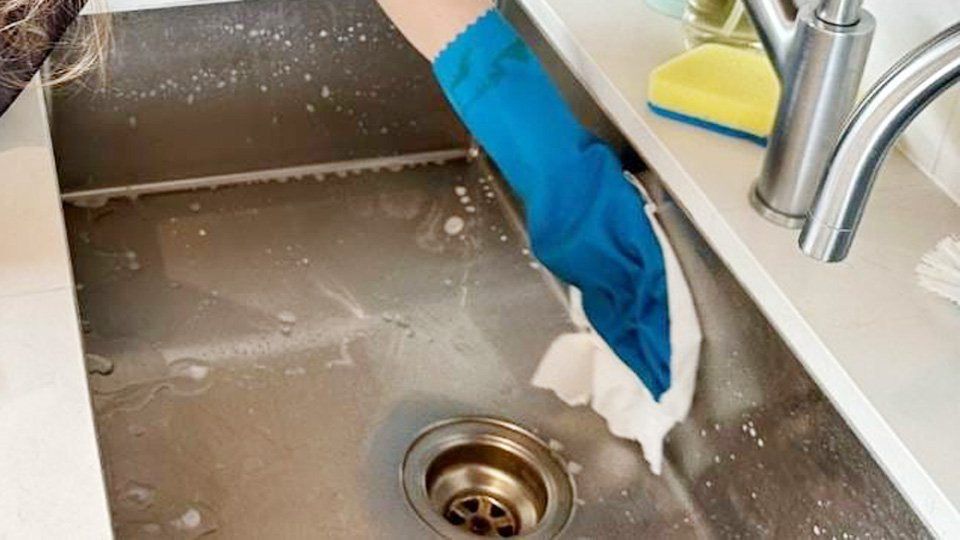
Read the product label carefully before use. Pour the recommended amount slowly into the drain. Avoid mixing different chemicals, which can cause harmful reactions. Let the cleaner sit for the time suggested by the manufacturer. Flush the drain with hot water after the waiting period to clear residues.
Protective Gear
Wear rubber gloves to protect your skin from harsh chemicals. Use safety goggles to shield your eyes from splashes. Consider wearing old clothes or an apron to avoid stains. Keep children and pets away during the cleaning process.
Ventilation Requirements
Open windows or use fans to keep the area well-ventilated. Avoid breathing in fumes directly, as they can irritate your lungs. Turn on exhaust fans if available. Fresh air reduces the risk of headaches or dizziness while using drain cleaners.
Natural Alternatives For Kitchen Drains
Natural alternatives offer safe and effective solutions for kitchen drain cleaning. These methods avoid harsh chemicals found in many drain cleaners. They work gently to clear clogs and maintain drain health. Using natural options reduces the risk of pipe damage and harmful fumes.
Baking Soda And Vinegar
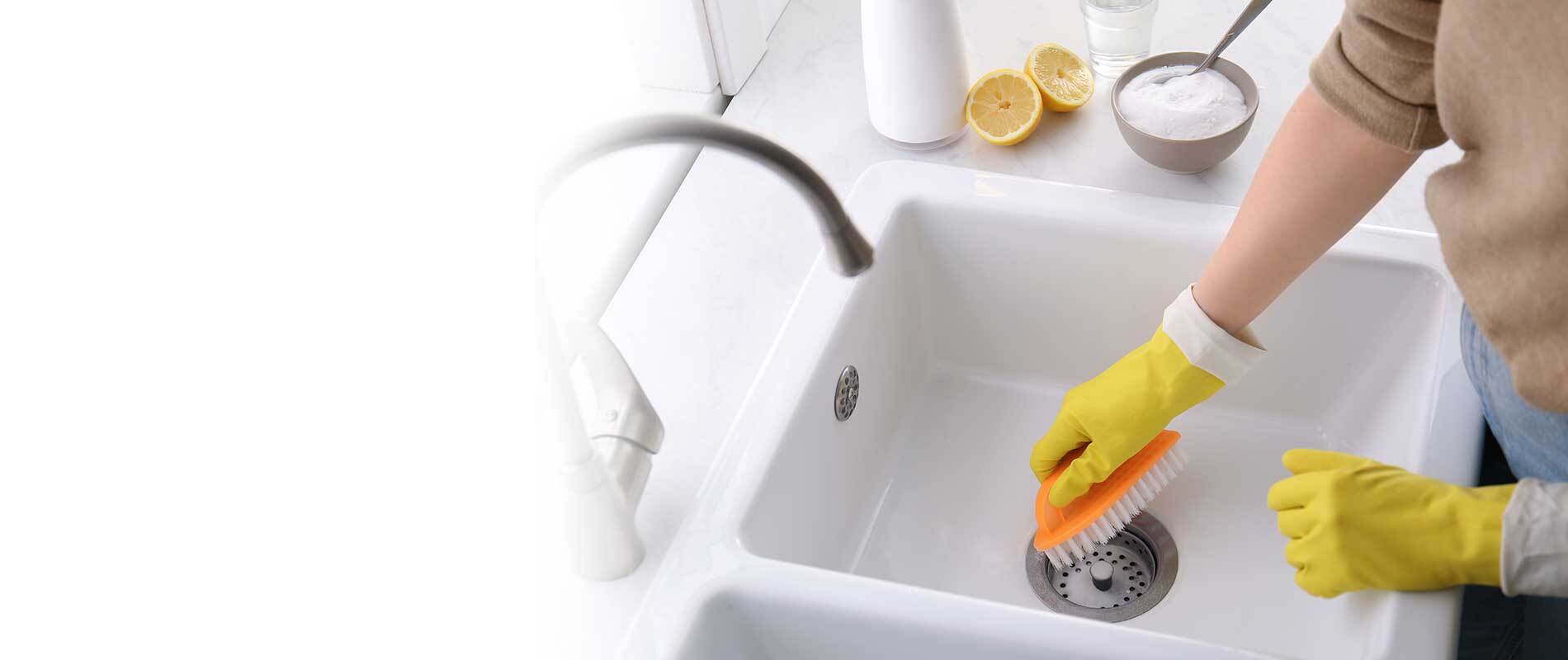
Baking soda and vinegar create a natural fizz that helps break down grease and debris. Sprinkle baking soda into the drain. Pour vinegar slowly over it. Let the mixture bubble for 15-20 minutes. Flush the drain with hot water to clear loosened grime.
Boiling Water
Boiling water can melt grease and flush out minor blockages. Boil a kettle or large pot of water. Pour it slowly into the drain in stages. This method is simple and eco-friendly. Repeat as needed to keep drains clear.
Manual Cleaning Tools
Manual tools can remove hair and food particles stuck in drains. Use a drain snake or a wire hanger bent into a hook. Insert gently to pull out blockages. A plunger also helps to dislodge stubborn clogs. These tools provide immediate relief without chemicals.
When To Call A Professional
Knowing when to call a professional for your kitchen sink drain issues can save you time, money, and frustration. While drain cleaners might offer a quick fix, some problems need more than just a chemical solution. Understanding the signs that point to professional help ensures you don’t make the situation worse or damage your plumbing system.
Persistent Clogs
If you’ve used drain cleaner multiple times and the clog keeps coming back, it’s a clear sign to call an expert. Persistent blockages often mean the problem is deeper or more complex than surface debris. Professionals have the tools and experience to identify issues like tree root intrusion or damaged pipes that DIY methods can’t fix.
Avoiding Further Damage
Drain cleaners contain strong chemicals that can harm your pipes if overused or used incorrectly. If your pipes are old or made of materials sensitive to harsh chemicals, using drain cleaners might cause leaks or corrosion. A plumber can assess your plumbing’s condition and suggest safer, more effective solutions to avoid costly repairs later.
Cost Considerations
It might seem cheaper to keep buying drain cleaners, but repeated use can lead to bigger problems that cost more to fix. Calling a professional early could save you money in the long run by preventing pipe damage or major blockages. Think about whether the price of a plumber’s visit might be a smart investment compared to ongoing DIY attempts.
Credit: yuvaap.com
Frequently Asked Questions
Can You Safely Use Drain Cleaner In Kitchen Sinks?
Yes, you can use drain cleaner in kitchen sinks, but choose one suitable for kitchen pipes. Avoid harsh chemicals that may damage pipes or harm the environment. Always follow the product instructions carefully to ensure safe and effective use.
What Types Of Drain Cleaner Work Best For Kitchen Sinks?
Enzyme-based and mild chemical drain cleaners work best for kitchen sinks. They break down food waste and grease without damaging pipes. Avoid using strong acids or alkalis that may corrode plumbing or cause leaks.
How Often Should You Use Drain Cleaner In A Kitchen Sink?
Use drain cleaner only when necessary, typically once every few months. Frequent use can damage pipes and seals. Regular maintenance like hot water flushing helps prevent clogs and reduces the need for chemical cleaners.
Are There Natural Alternatives To Chemical Drain Cleaners?
Yes, natural alternatives include baking soda and vinegar, followed by hot water. These are safer for pipes and the environment. They effectively break down minor clogs and reduce odors without harsh chemicals.
Conclusion
Using drain cleaner in your kitchen sink can work, but use caution. Some cleaners may harm pipes or cause damage. Always follow the instructions on the product label. Consider safer alternatives like baking soda and vinegar for mild clogs. Regular maintenance can prevent tough blockages.
Remember, harsh chemicals are not always the best choice. Keep your sink clean to avoid future problems. Stay safe and protect your plumbing.