
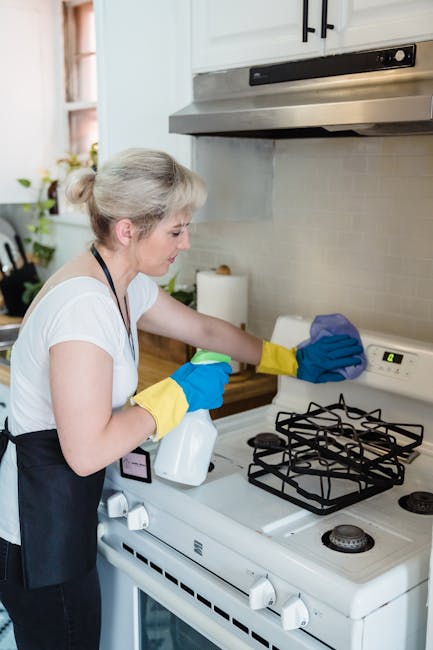
Have you ever stared at your oven and wondered if that kitchen cleaner under your sink could make the job easier? You’re not alone.
Cleaning an oven can feel like a tough, messy chore, and the idea of using a product you already have sounds tempting. But before you spray and scrub, it’s important to know if kitchen cleaner is safe and effective for your oven.
Keep reading to find out what you should really be using to get your oven sparkling clean—without risking damage or health hazards. Your oven deserves the right care, and so do you.
:max_bytes(150000):strip_icc()/GettyImages-1487722326-63405f0bbde641c6a336859519987964.jpg)
Credit: www.marthastewart.com
Kitchen Cleaner Types
Choosing the right kitchen cleaner can make a big difference, especially when you wonder if it’s safe to use in your oven. Kitchen cleaners come in various types, each designed to tackle specific messes and surfaces. Understanding these types helps you pick a product that cleans effectively without damaging your oven or leaving harmful residues.
Common Ingredients
Many kitchen cleaners share similar ingredients, but their concentrations and combinations vary. You’ll often find:
- Surfactants:These break down grease and oils, making them easier to wipe away.
- Alkalis:Like sodium hydroxide, these ingredients dissolve tough baked-on food, but they can be harsh.
- Acids:Such as citric or vinegar-based acids, which help remove mineral deposits and stains.
- Enzymes:Found in some natural cleaners, these break down organic matter gently.
Knowing these ingredients can help you decide if a cleaner is too strong for your oven’s interior. Have you ever grabbed a kitchen cleaner only to worry if it would harm your appliance? Checking the label for these ingredients can prevent that worry.
Formulations For Surfaces
Kitchen cleaners are formulated for specific surfaces like countertops, stainless steel, or ceramic tiles. Some are multi-surface, but that doesn’t always mean they’re safe for ovens.
- All-Purpose Cleaners:Great for quick cleanup but often lack the strength needed for baked-on oven grime.
- Degreasers:Designed to cut through heavy grease but can contain harsh chemicals harmful to oven coatings.
- Oven-Specific Cleaners:Formulated to remove tough burnt-on food without damaging oven surfaces or leaving toxic residues.
- Natural Cleaners:Safer for delicate surfaces but may require more effort and time.
Using a cleaner not meant for ovens can strip protective layers or leave residues that affect your food’s taste. Have you ever noticed a strange smell after cleaning your oven? The wrong cleaner could be the culprit.
Oven Cleaning Needs
Your oven faces a unique set of cleaning challenges that demand the right approach. Oven cleaning needs go beyond just wiping surfaces; they require attention to the type of dirt and the oven's materials. Understanding these factors helps you choose the safest and most effective cleaning method.
Typical Oven Soils
Ovens collect a mix of soils like baked-on grease, food spills, and carbon deposits. These soils can harden and become tough to remove if left unattended. Have you ever noticed how burnt cheese or sugary spills turn almost impossible to clean after a few days?
Grease stains are oily and sticky, while carbon deposits are dry and flaky. Each type of soil needs a different cleaning approach. Using the wrong cleaner might not only fail to clean but could also damage your oven’s finish.
Heat And Material Considerations
Your oven's high heat and the materials inside it play a big role in deciding what cleaner to use. Oven interiors are often coated with enamel, stainless steel, or self-cleaning linings, each reacting differently to chemicals.
Some kitchen cleaners aren’t designed to withstand oven temperatures and might leave harmful residues or cause discoloration. Have you checked if your cleaner is safe for high heat and the specific material inside your oven?
Choosing a cleaner that matches your oven’s material and can handle the heat ensures safety and keeps your oven looking new longer. It’s a small step that saves you from costly repairs or replacements down the line.
Using Kitchen Cleaner In Oven
Using kitchen cleaner in an oven may seem like a quick cleaning solution. Many people wonder if it is safe and effective. The oven has tough stains and grease that need strong cleaning agents. Some kitchen cleaners promise to remove grime fast. Understanding the benefits and risks helps make a better choice.
Potential Benefits
- Kitchen cleaners often remove grease and food spills well.
- They can save time compared to scrubbing by hand.
- Some contain ingredients that break down baked-on stains.
- Easy spray bottles make application simple and quick.
- They may leave the oven smelling fresh and clean.
Possible Risks
- Kitchen cleaners may contain harsh chemicals harmful if heated.
- Residue left in the oven can affect food taste and safety.
- Some cleaners can damage oven surfaces or coatings.
- Inhaling fumes from heated cleaners can cause breathing issues.
- Oven manufacturer may void warranty if improper cleaners are used.

Credit: www.tasteofhome.com
Safe Oven Cleaning Alternatives
Kitchen cleaners often contain harsh chemicals that can damage oven surfaces or leave harmful residues. Safer oven cleaning options include baking soda and vinegar mixtures or specialized oven cleaners designed for heat use. These alternatives protect your appliance and health effectively.
Cleaning your oven can be a daunting task, especially when you're concerned about using harsh chemicals that might linger on surfaces where you prepare your meals. It's crucial to consider safe alternatives that effectively clean without compromising your health or the environment. Let's explore some of these safe oven cleaning alternatives that not only promise sparkling results but also peace of mind.
Commercial Oven Cleaners
Many commercial oven cleaners offer powerful solutions for tackling stubborn grease and baked-on food. However, it's important to choose products that are labeled non-toxic or eco-friendly. These options typically contain fewer harsh chemicals, reducing the risk of toxic fumes. Reading labels thoroughly will help ensure that the product is safe for use in the kitchen. Look for cleaners that highlight their biodegradability and absence of harmful substances like ammonia or lye. Remember, even with safer commercial options, always ventilate your kitchen well during use.
Diy Natural Solutions
If you're looking for a cost-effective and chemical-free method, DIY natural solutions can be incredibly effective. One popular option is a simple paste made from baking soda and water. Apply this mixture to the interior surfaces of your oven, let it sit overnight, and wipe it off with a damp cloth the next day. Vinegar is another powerful cleaning agent. Spray a little vinegar on the baking soda paste for extra cleaning power. This combination not only breaks down grease but also deodorizes your oven. Have you ever wondered how lemon could help in cleaning? By heating a bowl of water with lemon slices in your oven, you can loosen grime and grease, making it easier to wipe away. This method leaves a fresh citrus scent, adding an aromatic touch to your cleaning routine. With these safe alternatives, you don't have to compromise on cleanliness or your health. Which method will you try first for a cleaner, safer oven?
Precautions And Best Practices
Using kitchen cleaner in your oven can be tempting for a quick fix, but it requires careful handling. Taking the right precautions helps you avoid damage to your appliance and keeps you safe. Here are some key practices to follow before you start cleaning your oven with any kitchen cleaner.
Proper Ventilation
Always make sure your kitchen is well-ventilated when using any cleaner inside the oven. Open windows and doors, and turn on exhaust fans to help clear out any strong fumes quickly.
I once underestimated ventilation during a deep oven clean and ended up coughing for hours. That experience taught me to never skip this step. Would you want to risk breathing in harsh chemicals unnecessarily?
Protective Gear
Protect your skin and eyes by wearing gloves and safety goggles. Even if the cleaner is labeled as mild, prolonged contact can cause irritation or burns.
Think about how often your hands touch food surfaces. Would you want to expose them to chemicals that could cause harm? Wearing protective gear is a small effort that makes a big difference.
Avoiding Residue
After cleaning, thoroughly wipe down the oven’s interior with a damp cloth to remove any leftover cleaner. Residue can produce unpleasant smells or release harmful fumes when the oven heats up.
Rinse surfaces multiple times if needed. Have you ever noticed strange odors when preheating your oven after cleaning? That’s a sign of leftover chemicals. Avoid this by ensuring no cleaner remains behind.
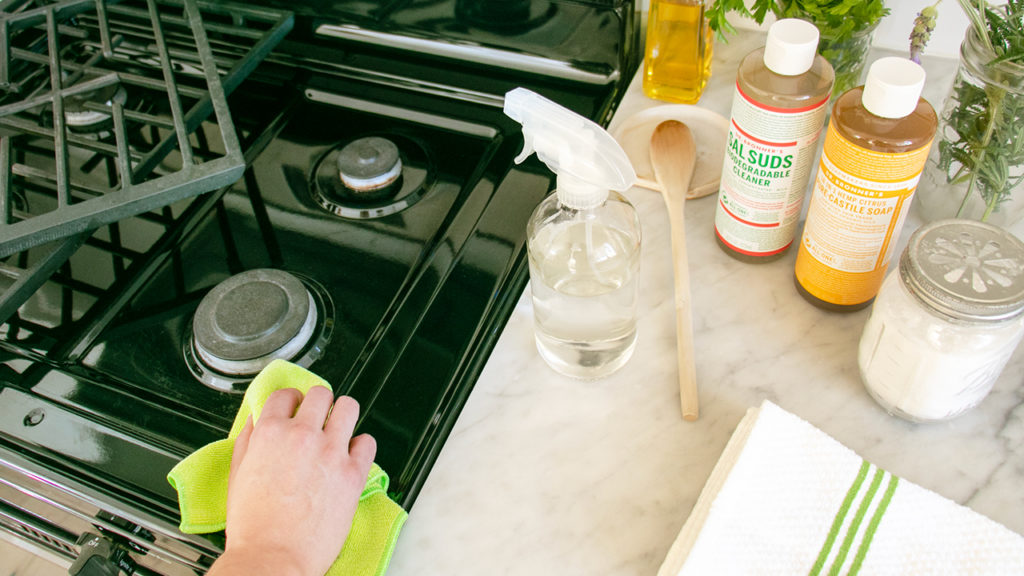
Credit: www.lisabronner.com
When To Avoid Kitchen Cleaner
Knowing when to avoid kitchen cleaner in your oven can save you from damage and health risks. Kitchen cleaners are strong and not always safe for every oven type or situation. Using the wrong cleaner can harm your oven’s surface or leave harmful residues.
Oven Material Sensitivity
Some ovens have sensitive surfaces like self-cleaning coatings or enamel finishes. Kitchen cleaners can damage these surfaces. Harsh chemicals may cause discoloration or peeling. Avoid using kitchen cleaner on stainless steel interiors too. Always check your oven’s manual before applying any cleaner.
Health Concerns
Kitchen cleaners often contain strong chemicals. These can leave toxic residues inside the oven. When heated, these residues release harmful fumes. This can affect your food and your health. Avoid kitchen cleaners if you have allergies or respiratory issues. Use safer, oven-specific cleaning products instead.
Frequently Asked Questions
Can I Use Kitchen Cleaner Inside My Oven?
No, kitchen cleaners are not safe for ovens. They contain chemicals harmful when heated. Use oven-specific cleaners instead.
What Happens If I Use Kitchen Cleaner In Oven?
Using kitchen cleaner in the oven can release toxic fumes. It may damage oven surfaces and affect food safety.
Are Oven Cleaners Safer Than Kitchen Cleaners?
Yes, oven cleaners are designed for high heat and tough grease. They are safer and more effective for oven cleaning.
Can Kitchen Cleaner Remove Oven Grease Effectively?
Kitchen cleaners may remove some grease but not oven grime. Oven cleaners target baked-on grease better for a thorough clean.
Conclusion
Using kitchen cleaner in your oven is not safe or effective. Oven surfaces need special cleaners made for high heat and tough grease. Kitchen cleaners can leave harmful residues or damage your oven’s parts. Always read product labels and follow instructions carefully.
Choose products made specifically for oven cleaning to protect your appliance. Regular cleaning with the right cleaner keeps your oven working well. Stay safe and keep your oven clean the proper way. This helps your food taste better and your oven last longer.