
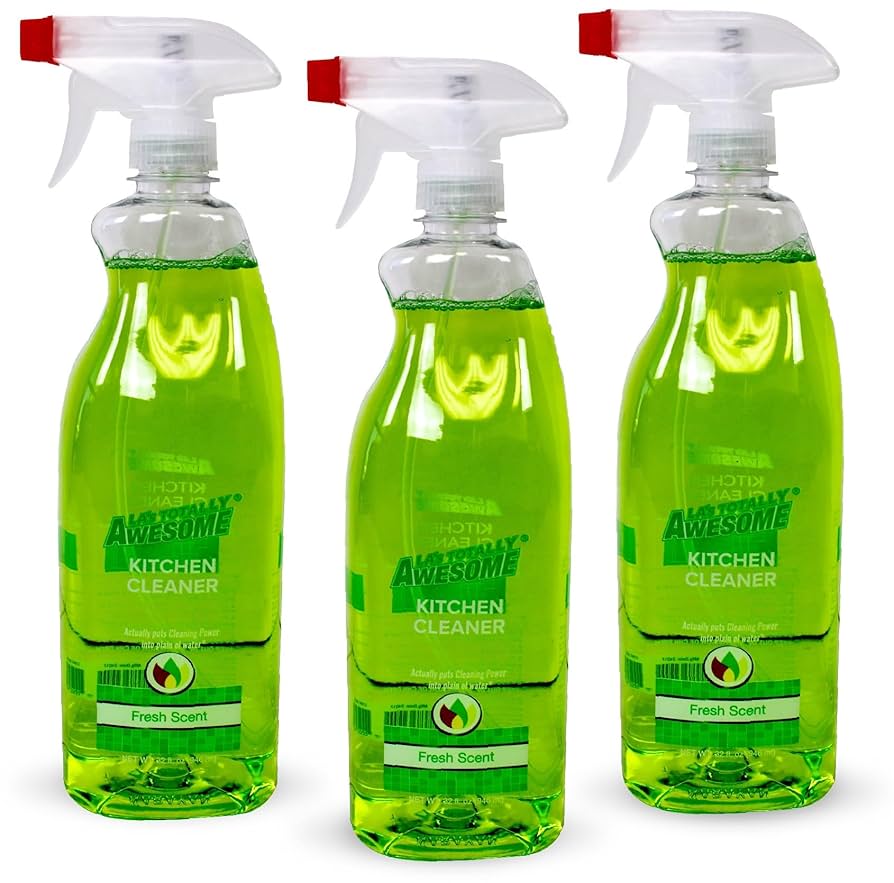
Have you ever reached for your kitchen cleaner and wondered, “Can I use this in my bathroom too?” It’s tempting to grab one bottle for all your cleaning needs. But before you spray and wipe, it’s important to know if your kitchen cleaner is safe and effective for bathroom surfaces.
Using the wrong product could damage your tiles, fixtures, or leave behind harmful residues. Keep reading to find out what you should use, what to avoid, and how to keep your bathroom sparkling clean without risking damage or health issues.
This simple knowledge can save you time, money, and headaches. Let’s dive in!
Types Of Kitchen Cleaners
Kitchen cleaners come in many types. Each type has a special use and different ingredients. Knowing the types helps decide if you can use them in the bathroom. Some kitchen cleaners work on grease, others on stains or surfaces.
Choosing the right cleaner depends on the task. Some cleaners are gentle, while others are strong. It is important to understand what is inside and what it cleans.
Common Ingredients
- Surfactants: Remove grease and dirt by breaking them down.
- Acids: Help dissolve mineral deposits and stains.
- Alkaline agents: Cut through tough grease and grime.
- Bleach: Kills bacteria and whitens surfaces.
- Enzymes: Break down organic stains like food or grease.
- Fragrances: Add a fresh scent but do not clean.
Cleaning Purposes
- Degreasing: Removes oily residues from stovetops and counters.
- Disinfecting: Kills germs on cutting boards and sinks.
- Stain removal: Targets food spills and tough spots.
- Surface cleaning: Cleans countertops, tiles, and appliances.
- Deodorizing: Removes bad smells from the kitchen area.

Credit: www.amazon.com
Bathroom Cleaning Products
Bathroom cleaning products are specially designed to tackle the unique challenges that come with keeping this space fresh and hygienic. Unlike other rooms, bathrooms face constant exposure to moisture, soap scum, and hard water stains. Choosing the right product can save you time and effort while protecting your surfaces.
Typical Formulations
Bathroom cleaners often contain ingredients that break down soap scum, lime scale, and mildew. Common components include:
- Surfactants:Help lift dirt and oils from surfaces.
- Acids (like citric or hydrochloric acid):Target mineral deposits and hard water stains.
- Bleaching agents:Kill mold and mildew, brightening grout and tiles.
- Fragrances:Leave a fresh scent after cleaning.
These formulations are balanced to work effectively on bathroom materials without causing damage.
Targeted Bathroom Issues
Different bathroom surfaces and problems require specific cleaning approaches. Are you dealing with stubborn mold in the shower corners or cloudy spots on your mirror?
- Mold and Mildew:Use products with antifungal ingredients to prevent regrowth.
- Soap Scum:Acid-based cleaners break down the residue quickly.
- Hard Water Stains:Formulations with chelating agents dissolve mineral buildup.
- Grout Cleaning:Look for products with gentle abrasives that scrub without eroding.
Understanding what your bathroom needs helps you pick a cleaner that works efficiently without wasting effort or risking damage.
Chemical Differences
Using kitchen cleaner in the bathroom might seem like a practical solution, but there's more to consider than just convenience. The chemical composition of cleaners is designed for specific tasks and surfaces. Understanding these differences can help you make smarter choices for your cleaning needs.
Ph Levels
Kitchen cleaners often have a higher pH level, making them more alkaline. This is perfect for cutting through greasy residues on your stove or countertops. However, your bathroom surfaces might not respond well to these alkaline levels.
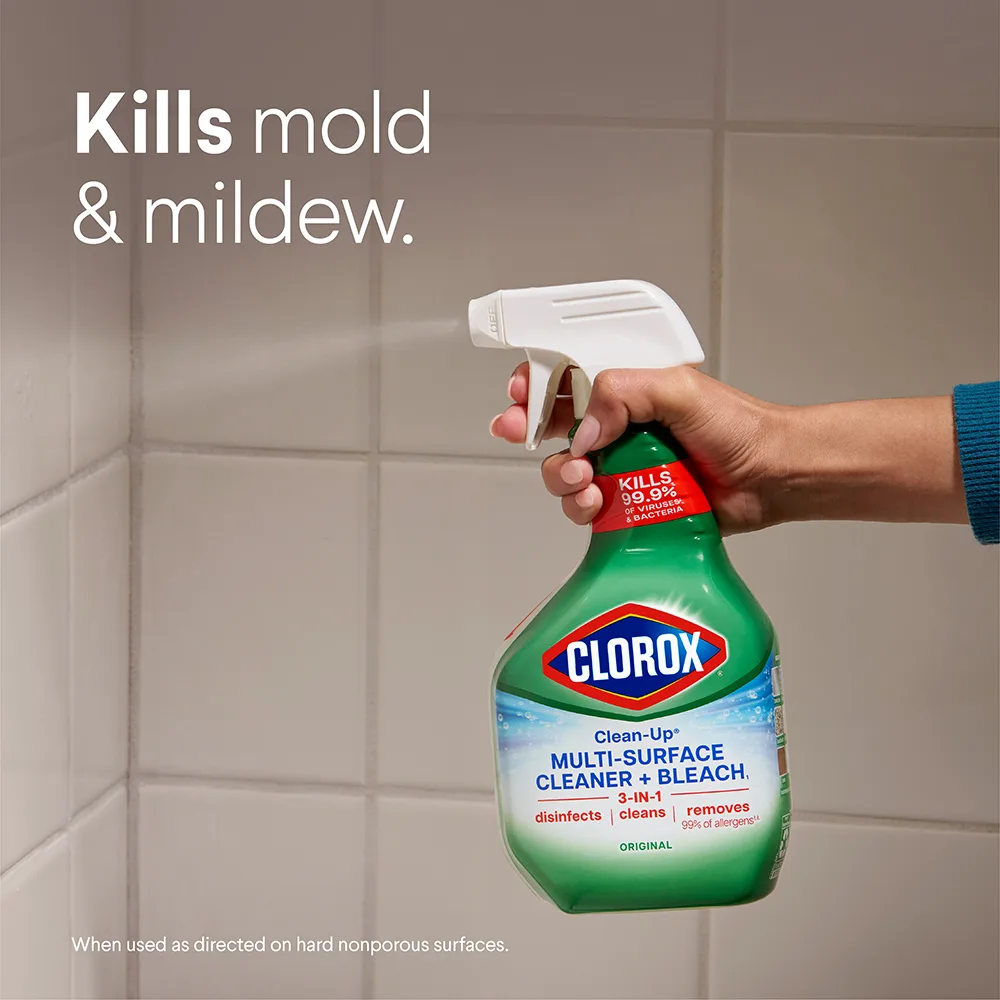
Bathroom cleaners, on the other hand, are usually more acidic. This helps them tackle soap scum and mineral deposits effectively. Imagine using an alkaline kitchen cleaner on your bathroom tiles—it might not give you the desired shine.
Effectiveness On Surfaces
Consider the surfaces in your bathroom. Porcelain, ceramics, and glass need a different touch than kitchen surfaces. A cleaner designed for kitchen countertops might not be suitable for bathroom tiles or mirrors.
Using a cleaner that's too harsh can damage bathroom fixtures. You wouldn't want to scratch your delicate sink or bathtub, right? It's crucial to match the cleaner to the surface for optimal results.
Have you ever used a kitchen cleaner in the bathroom and found it less effective or even damaging? Share your experiences and let's discuss what works best in your cleaning routine!
Credit: www.clorox.com
Risks Of Cross-use
Using kitchen cleaner in the bathroom might seem like a convenient shortcut. However, this practice carries several risks that could affect your bathroom surfaces and your health. Understanding these risks can help you make safer choices for cleaning your home.
Potential Damage To Bathroom Surfaces
Bathroom surfaces are often made from materials that differ from those in the kitchen. For instance, tile grout, glass, and acrylic tubs can react badly to harsh kitchen cleaners. Using a product designed for grease and food stains may cause discoloration, etching, or even permanent damage.
Have you noticed a dull spot or rough texture after cleaning your bathroom? That might be a sign of surface damage caused by the wrong cleaner. Kitchen cleaners often contain strong degreasers or abrasives that are too harsh for bathroom finishes.
Choosing the right cleaner for each area prevents costly repairs or replacements. Don’t risk your bathroom’s look by using products not made for its specific surfaces.
Health Hazards
Mixing cleaning products or using the wrong type in your bathroom can create harmful fumes. Kitchen cleaners sometimes contain chemicals that release toxic gases when combined with bathroom cleaners like bleach.
These fumes can cause headaches, dizziness, or respiratory problems, especially in small, poorly ventilated bathrooms. Have you ever experienced irritation or coughing while cleaning? That could be due to chemical reactions from cross-using cleaners.
Always read product labels carefully and avoid mixing cleaners. Your health depends on using the right product in the right place and keeping your cleaning routine safe.
When Kitchen Cleaners Work In Bathrooms
Using kitchen cleaners in the bathroom might seem convenient, especially when you run out of bathroom-specific products. But do these cleaners actually work well on bathroom surfaces? The truth is, some kitchen cleaners can be effective in bathrooms, but only under certain conditions and on specific surfaces.
Suitable Surfaces
Kitchen cleaners often contain ingredients designed to cut through grease and food residue. This makes them great for bathroom areas prone to similar grime, like sinks and countertops made of non-porous materials.
- Ceramic tiles:Most kitchen cleaners are safe and effective for cleaning ceramic tile walls and floors.
- Glass surfaces:Kitchen cleaners with ammonia can leave glass shower doors shiny and streak-free.
- Stainless steel fixtures:Faucets and showerheads made of stainless steel can benefit from kitchen cleaners designed to remove grease and fingerprints.
However, avoid using kitchen cleaners on delicate bathroom surfaces like natural stone or painted walls, as harsh chemicals might cause damage.
Precautions To Take
Before you grab that kitchen cleaner for your bathroom, consider the chemicals it contains. Some ingredients may be too strong or abrasive for bathroom materials, causing discoloration or wear.
- Always read the label for surface compatibility warnings.
- Test the cleaner on a small, hidden spot before applying it broadly.
- Ensure good ventilation to avoid inhaling fumes, especially if the product contains ammonia or bleach.
- Never mix kitchen cleaners with other bathroom cleaning products, as chemical reactions can be dangerous.
Have you ever tried using a kitchen cleaner in your bathroom and noticed unexpected damage? Taking these precautions can save you from costly repairs and frustration.
Safe Cleaning Practices
Cleaning your bathroom requires care and attention to keep surfaces safe and germ-free. Using the right cleaning products and applying them correctly helps avoid damage and health risks. Safe cleaning practices protect your home and your family’s well-being.
Choosing The Right Product
Select cleaners made for the bathroom to ensure they work well on tiles, sinks, and tubs. Kitchen cleaners often have strong chemicals that may harm bathroom surfaces or leave harmful residues. Check product labels for ingredients and usage instructions. Opt for gentle, non-abrasive formulas that kill germs without harsh effects.
- Look for products labeled “bathroom-safe.”
- Avoid cleaners with bleach or ammonia for mixed use.
- Choose pH-balanced cleaners to protect surfaces.
- Test on a small area before full use.
Proper Application Methods
Apply cleaners carefully to avoid damage and ensure thorough cleaning. Use the right amount to cover surfaces without waste. Follow the time instructions on the label to let the cleaner work effectively. Rinse surfaces well to remove any leftover chemicals.
- Wear gloves to protect your skin.
- Use soft cloths or sponges for gentle scrubbing.
- Avoid mixing different cleaning products.
- Ventilate the bathroom to reduce fumes.
Eco-friendly Alternatives
Choosing eco-friendly alternatives helps protect the environment and your health. Many kitchen cleaners contain harsh chemicals that can harm bathroom surfaces and air quality. Using natural and homemade cleaners reduces chemical exposure and waste. These options work well in both kitchen and bathroom spaces without damaging surfaces or leaving strong odors.
Natural Cleaners For Both Spaces
Natural cleaners use simple ingredients found at home. They clean effectively without toxic chemicals. White vinegar breaks down grease and soap scum. Baking soda scrubs gently and removes stains. Lemon juice acts as a natural disinfectant and freshener. These ingredients are safe for countertops, sinks, and tiles.
- Mix vinegar and water for an all-purpose spray.
- Use baking soda paste to scrub tough spots.
- Lemon juice can remove hard water marks.
Natural cleaners do not leave harmful residues. They are biodegradable and safe for septic systems. These options also reduce plastic waste by using refillable containers.
Diy Cleaning Solutions
DIY cleaning solutions save money and limit chemical use. Making your own cleaner is simple and customizable. Combine common household ingredients to suit your cleaning needs.
| Solution | Ingredients | Use |
|---|---|---|
| All-Purpose Cleaner | 1 cup water, 1 cup vinegar, 10 drops essential oil | Countertops, sinks, tiles |
| Scrubbing Paste | 1/2 cup baking soda, water | Stains, grout, tubs |
| Glass Cleaner | 2 cups water, 1/4 cup vinegar, 1/2 tsp dish soap | Mirrors, glass surfaces |
These recipes use natural ingredients that are easy to find. Adjust the strength by changing ingredient amounts. Store solutions in spray bottles for quick use.
:max_bytes(150000):strip_icc()/SPR-how-pro-cleaners-clean-a-sink-11781060-recirc-d43f366f6fda4e2aa23983aa321c6efa.jpg)
Credit: www.thespruce.com
Frequently Asked Questions
Can I Use Kitchen Cleaner For Bathroom Surfaces?
Kitchen cleaners can be used on some bathroom surfaces. However, they may not be effective against soap scum or mold. Always check product labels for suitability and test on a small area before full use.
Is Kitchen Cleaner Safe For Bathroom Tiles?
Most kitchen cleaners are safe for bathroom tiles, but some may damage grout or delicate finishes. Choose a cleaner designed for tile or multi-surface use to avoid potential damage.
Will Kitchen Cleaner Remove Bathroom Mold And Mildew?
Kitchen cleaners usually do not target mold or mildew effectively. Use a bathroom-specific cleaner with antifungal properties to remove mold and prevent regrowth safely.
Can Kitchen Cleaner Damage Bathroom Fixtures?
Harsh kitchen cleaners can corrode or dull bathroom fixtures like chrome or brass. Use gentle, bathroom-safe cleaners to maintain fixture shine and avoid damage.
Conclusion
Using kitchen cleaner in the bathroom is not always safe. Bathroom surfaces need special care and products. Some cleaners can damage tiles or fixtures. They might also leave harmful residues. Choose cleaners made for bathroom use instead. This keeps your space clean and safe.
Always read labels before using any product. Protect your health and home by using the right cleaner. Clean smart, clean safe, every time.