
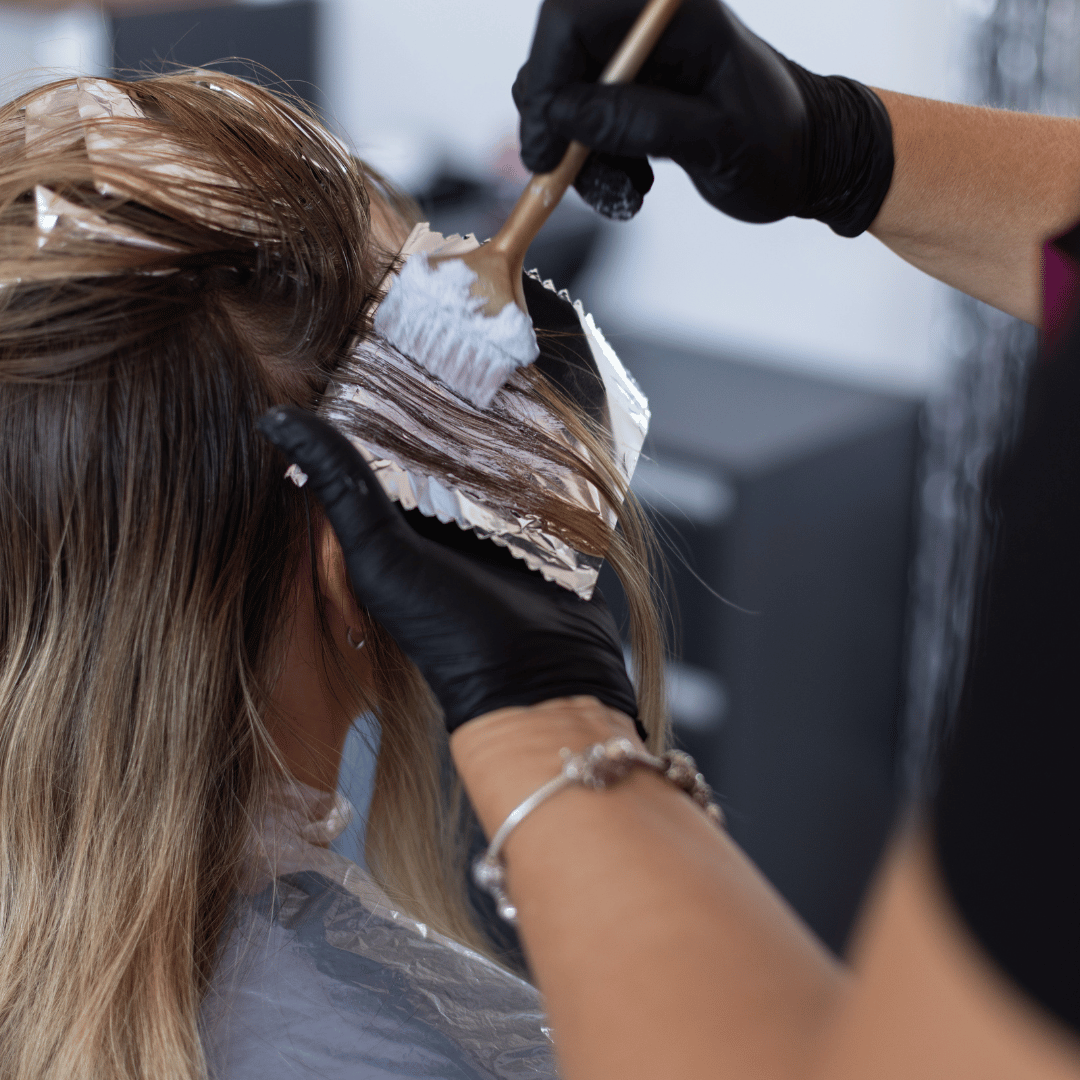
Have you ever wondered if those kitchen gloves you use for washing dishes could double as your hair dye gloves? It sounds simple and convenient, right?
But before you reach for them, there’s more you need to know. Using the wrong gloves can ruin your hair color or even harm your skin. You’ll discover whether kitchen gloves are a safe choice for dyeing hair and what you should use instead.
Keep reading to protect your hands and get the best results with your hair color.
Types Of Kitchen Gloves
Kitchen gloves come in various types, each made from different materials. Choosing the right type matters if you plan to use them for tasks like dyeing hair. Some gloves offer better protection, while others provide more comfort and flexibility. Understanding these differences helps you decide if kitchen gloves can handle hair dye safely.
Material Variations
Kitchen gloves are made from several materials. The most common are:
- Latex:Soft and flexible but may cause allergies.
- Nitrile:Durable and resistant to chemicals, good for hair dye.
- Vinyl:Less elastic and thinner, suitable for light tasks.
- Rubber:Thick and strong but less flexible.
Each material reacts differently to hair dye chemicals. Nitrile gloves often provide the best protection.
Durability And Flexibility
Durability means how well gloves hold up against tears and chemicals. Flexibility affects how easily you can move your hands. A good glove should balance both.
- Latex glovesoffer high flexibility but tear easily.
- Nitrile glovesresist tears and chemicals well but feel slightly stiffer.
- Vinyl glovesare less durable and less flexible.
- Rubber glovesare very durable but limit hand movement.
For hair dye, gloves need to be durable enough to stop stains and flexible enough to allow precise application.

Credit: www.amazon.com
Hair Dyeing Gloves Explained
Understanding what makes hair dyeing gloves special can help you decide if your kitchen gloves will do the job or if you should invest in the real thing. Hair dyeing gloves are designed specifically to protect your skin from harsh chemicals while giving you enough flexibility to work with precision. Let’s break down what sets these gloves apart and why material and protection features really matter.
Material Composition
Hair dyeing gloves are usually made from nitrile, latex, or vinyl. Each material offers something different:
- Nitrile:Strong, flexible, and resistant to many chemicals. Great if you have latex allergies.
- Latex:Provides excellent fit and sensitivity but can cause allergic reactions for some people.
- Vinyl:Less durable but affordable and suitable for short tasks.
Kitchen gloves often use thicker rubber or latex, but they might not be designed to handle the chemical makeup of hair dye. Have you noticed your kitchen gloves getting sticky or breaking down after contact with certain substances? That’s a sign they aren’t meant for hair dye.
Protection Features
Hair dyeing gloves offer specific protection that kitchen gloves often lack:
- Chemical Resistance:Hair dye gloves resist staining and damage from ammonia, peroxide, and other dye components.
- Durability:They are built to last through the whole dyeing process without tearing or losing grip.
- Comfort and Fit:Designed to fit snugly, allowing precise application without slipping.
If you try to use kitchen gloves, you might face leaks, discomfort, or even skin irritation. Have you ever struggled to apply hair dye because your gloves were too bulky or slippery? That’s a common issue with non-specialized gloves.
Choosing the right gloves isn’t just about protection—it’s about making your hair dyeing experience easier and safer. What kind of gloves do you use when coloring your hair, and have you noticed any difference in results or comfort?
Chemical Safety Concerns
Using kitchen gloves to dye your hair might seem like a handy shortcut, but chemical safety concerns should be front and center before you reach for those gloves. Hair dye contains strong chemicals that can react unpredictably with materials not designed for cosmetic use. Understanding these risks helps you protect your skin and ensure the dye process goes smoothly.
Potential Reactions With Hair Dye
Kitchen gloves are often made from latex, vinyl, or nitrile, but not all are tested against hair dye chemicals.
Some gloves might degrade, tear, or absorb the dye, which compromises their protective barrier.
If the glove material breaks down, harmful chemicals can seep through and come into contact with your skin.
Have you ever noticed a strange smell or discoloration on your gloves after dyeing? That’s a sign the gloves aren’t holding up well.
Choosing gloves specifically labeled for chemical resistance can prevent these issues and keep you safe.
Skin Sensitivity Risks
Hair dye contains allergens and irritants that can cause skin sensitivity or allergic reactions.
Using the wrong gloves might expose your skin to these chemicals, leading to redness, itching, or even burns.
Some people develop delayed reactions that only show up hours or days later, making it harder to connect symptoms to the dyeing process.
Protect your hands by selecting gloves designed for cosmetic use, and always do a patch test before starting.
Would you risk skin irritation just to save a few cents on gloves? Protect your skin with the right gear—it’s worth it.
Comparing Kitchen Gloves And Hair Dye Gloves
Kitchen gloves and hair dye gloves look similar but serve different purposes. Kitchen gloves may not protect well against strong hair dye chemicals. Choosing gloves made for hair dye ensures better safety and comfort.
Comparing kitchen gloves to hair dye gloves might seem straightforward, but the differences can significantly impact your hair coloring experience. Kitchen gloves are commonly used for various household tasks, while hair dye gloves are designed specifically for the coloring process. Understanding the distinctions in their features can help you make an informed choice the next time you decide to dye your hair at home.
Barrier Effectiveness
The primary job of any glove when dyeing hair is to protect your skin from harsh chemicals. Hair dye gloves are typically made from latex or nitrile, offering a reliable barrier against dye seepage. They are crafted to withstand prolonged exposure to hair dyes without breaking down. Kitchen gloves, on the other hand, are usually made from thicker materials like rubber. While they do offer protection, they might not be as resistant to chemicals found in hair dyes. If you've ever noticed a color stain on your kitchen gloves after cleaning, you might think twice about their effectiveness in a hair dye scenario.
Comfort And Fit
Comfort and fit can make or break your hair dyeing session. Hair dye gloves are often designed to fit snugly, ensuring better dexterity and control while applying dye. This snug fit reduces the risk of slipping and allows for more precise application. In contrast, kitchen gloves are usually larger and looser. While they might be comfortable for washing dishes, they can be cumbersome when handling hair dye. A poor fit can lead to awkward handling and uneven dye application, making the process more challenging than it needs to be. Would you compromise on comfort and risk a messy application, or invest in the right gloves for a stress-free hair dyeing experience? Choosing the right gloves can make all the difference in achieving salon-quality results at home.
Health Risks Of Using Kitchen Gloves
Using kitchen gloves to dye your hair might seem like a quick and easy solution. However, it’s important to understand the health risks that come with this choice. Kitchen gloves are not designed for chemical exposure, and using them for hair dye can cause unexpected problems.
Allergic Reactions
Kitchen gloves are often made from materials like latex or vinyl, which can irritate your skin when combined with hair dye chemicals. If you have sensitive skin or a latex allergy, wearing these gloves could trigger redness, itching, or even a rash.
Hair dye contains strong chemicals like ammonia and peroxide. When these react with the glove material, harmful substances might leak through or cause the gloves to degrade. Have you ever noticed your gloves tearing or feeling sticky while dyeing your hair? This is a sign that they are not protecting you properly.
Cross-contamination Issues
Another risk is cross-contamination. Kitchen gloves are often used for food preparation and may carry bacteria or residues that you don’t want near your hair or scalp.
Reusing kitchen gloves or switching between tasks without changing gloves can transfer harmful substances onto your skin. This increases your risk of infections or irritations, especially on the sensitive scalp area.
Would you trust gloves meant for washing dishes to protect your skin from harsh chemicals? Choosing gloves specifically made for hair dyeing can save you from these health hazards and give you peace of mind.

Credit: www.reddit.com
Tips For Safe Hair Dye Application
Applying hair dye at home can be messy and sometimes risky if you're not careful. Protecting your skin and clothes is crucial, and using gloves is a smart move. But not all gloves are made equal for this task, so knowing how to choose and use them properly can make a big difference in your dyeing experience.
Choosing The Right Gloves
Not all kitchen gloves are suitable for hair dyeing. Look for gloves made of nitrile or latex because they resist chemicals better than regular household gloves. Avoid cotton or fabric gloves as they absorb the dye, making a mess and offering little protection.
Also, check the fit. Gloves that are too loose can let dye seep in, while gloves that are too tight might tear easily. Finding a comfortable, snug fit helps you work precisely without worrying about spills or stains.
Proper Glove Usage
Before you start, dry your hands completely—wet gloves are slippery and can cause accidents. Put on the gloves carefully to avoid tearing, and consider applying a small amount of moisturizer beforehand to make removal easier after dyeing.
During application, avoid touching surfaces you don’t want stained. If you need to adjust your gloves, do so gently to prevent damage. Once you finish, remove the gloves by peeling them off from the wrist inward to keep dye off your skin.
Alternatives To Kitchen Gloves
Using kitchen gloves to dye hair might seem convenient, but they often lack the durability and protection needed for hair dye chemicals. Luckily, there are better alternatives designed specifically for this purpose. Choosing the right gloves can make your hair dyeing experience cleaner, safer, and more comfortable.
Disposable Gloves Options
Disposable gloves are a popular choice for hair dyeing because they offer excellent protection and convenience. Most commonly, nitrile gloves are recommended since they resist chemicals better than latex or vinyl. They also fit snugly, allowing you to handle hair dye with precision and control.
Vinyl gloves are another option, but they tend to be less durable and might tear easily during application. If you dye your hair frequently, using a box of disposable gloves ensures you always have a fresh pair that won’t stain or smell. Have you noticed how a thin glove can make all the difference in avoiding messy hands?
Reusable Protective Gloves
If you prefer an eco-friendly option, reusable gloves made from thicker materials like rubber or silicone can be a smart pick. These gloves are designed to withstand harsh chemicals and can be washed and reused multiple times. They provide a strong barrier, preventing dye from soaking through and staining your skin.
Some reusable gloves come with textured grips, which help when applying dye to wet or slippery hair. However, keep in mind they might be bulkier than disposable ones, potentially affecting your dexterity. Have you tried silicone gloves for hair dye? Many find that the balance between protection and flexibility is just right.

Credit: www.walmart.com
Frequently Asked Questions
Can Kitchen Gloves Protect Your Hands While Dyeing Hair?
Yes, kitchen gloves can protect your hands from hair dye chemicals. They provide a barrier to prevent skin irritation and staining during application.
Are Kitchen Gloves Safe For Hair Dye Use?
Kitchen gloves are generally safe but may lack chemical resistance. Using gloves made for hair dye offers better protection and durability.
Can Kitchen Gloves Cause Allergic Reactions With Hair Dye?
Kitchen gloves may cause allergic reactions if made from latex. Opt for nitrile gloves to reduce allergy risks when dyeing hair.
How Do Kitchen Gloves Compare To Salon Gloves For Dyeing?
Kitchen gloves are less flexible and less resistant to hair dye chemicals than salon gloves. Salon gloves offer superior comfort and protection.
Conclusion
Kitchen gloves can protect your hands during hair dyeing. They may not be perfect but work in a pinch. Make sure the gloves fit well to avoid spills. Avoid using old or damaged gloves for safety. Always rinse your hands right after dyeing.
Using proper hair dye gloves is best when possible. Safety and cleanliness matter most when coloring hair. Choose gloves that feel comfortable and keep dye off your skin. Your hair dyeing process will be easier with the right protection. Keep your hands safe and enjoy your new hair color.