
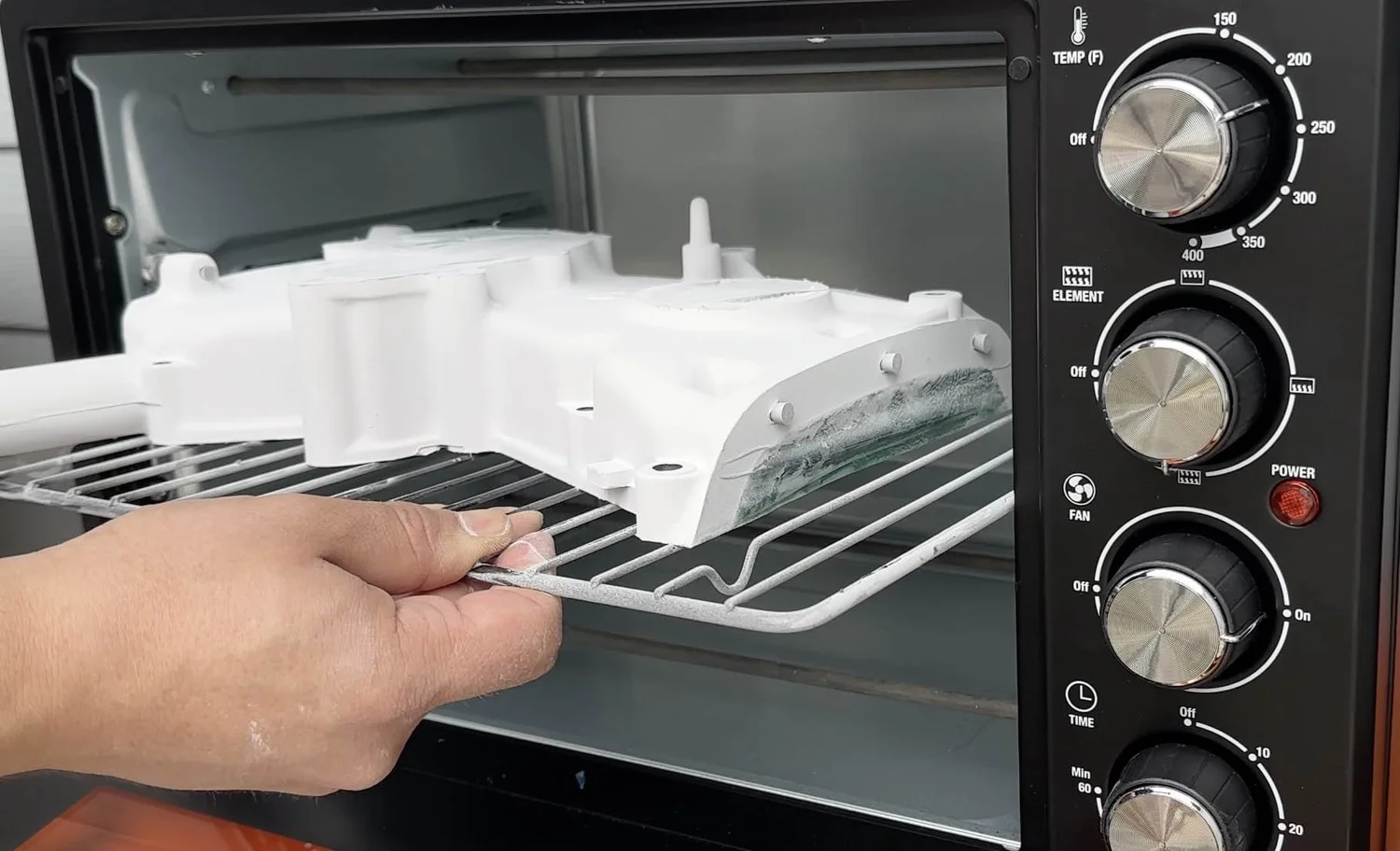
Have you ever wondered if your kitchen oven can double as a tool for powder coating? It sounds convenient, right?
Imagine skipping the cost of expensive equipment and using what you already have at home. But before you start, it’s important to know if this idea is safe, effective, and practical. You’ll discover the truth behind using your kitchen oven for powder coating—and whether it’s a smart move for your projects.
Keep reading to find out what you need to know before turning up the heat.
Powder Coating Basics
Understanding powder coating basics is key before you decide to use your kitchen oven for this task. Powder coating is a popular finishing process that offers durability and a smooth finish. But can your regular oven handle the job? Let’s break down what powder coating really is and why it stands out from traditional painting.
What Is Powder Coating
Powder coating is a dry finishing process where a fine powder is applied to a surface electrostatically.
The powder sticks to the object, then it’s heated to form a hard, protective layer.
This layer is tough, resistant to scratches, and provides a uniform look.
Unlike liquid paint, powder coating doesn’t use solvents, making it less messy and eco-friendlier.
Benefits Over Traditional Painting
- Durability:Powder coating creates a thicker, more resilient layer that resists chipping and fading better than paint.
- Environmental Impact:With no solvents or toxic emissions, it’s safer for you and the environment.
- Finish Quality:The finish is smoother and more even without drips or runs common in liquid paint.
- Efficiency:Powder coating can cover complex shapes easily, saving time and effort.
Have you ever struggled with paint peeling off your metal furniture? Powder coating could be the answer you’re looking for.
Oven Requirements For Powder Coating
Understanding the oven requirements for powder coating is crucial if you want to achieve a durable and even finish. Not every kitchen oven is designed to meet these specific needs. Let’s break down what your oven must have to handle powder coating effectively.
Temperature Range Needed
Powder coating requires precise heat control, typically between 350°F and 400°F (175°C to 205°C). Your oven must maintain this temperature steadily for about 10 to 20 minutes to cure the coating properly.
Most kitchen ovens can reach these temperatures, but some might struggle to keep it consistent. Have you checked if your oven’s thermostat is accurate enough for this task? A small temperature fluctuation can lead to uneven curing or powder burning.
Size And Capacity Considerations
The size of your oven limits the size and quantity of items you can powder coat. Kitchen ovens are usually compact, so you might be restricted to small parts or batches.
If you plan to coat larger items, consider whether your oven’s interior dimensions allow enough space for proper air circulation around the pieces. Overcrowding can cause uneven coating and curing.
Think about what you want to powder coat most often. Will a small oven meet your needs, or do you need a larger, more specialized unit?
Using A Kitchen Oven Safely
Using a kitchen oven for powder coating might seem like a convenient shortcut, but it demands careful attention to safety. Your oven is designed for food, not chemicals, so protecting your health and home is essential. Let’s look at how to use your kitchen oven safely if you decide to powder coat small items.
Health Risks And Precautions
Powder coating involves heating powders that release fumes. These fumes can be harmful if inhaled, causing respiratory issues or allergic reactions. If you use your kitchen oven, never breathe in these fumes directly.
Always wear a mask rated for chemical fumes when handling powder coating powders. Avoid using the same oven for cooking food afterward to prevent contamination. Cleaning the oven thoroughly after powder coating is crucial, but even then, some residues may linger.
Ventilation And Fume Control
Good ventilation is your best defense against harmful fumes. Use your kitchen oven in a well-ventilated area or near an open window. A small fan that directs fumes outside can make a big difference.
Consider setting up a temporary exhaust system with a hose or duct to remove fumes directly from the oven area. This reduces the risk of fumes building up in your kitchen. Remember, your safety depends on how effectively you control the air quality around your workspace.

Credit: www.eastwood.com
Steps To Powder Coat With A Kitchen Oven
Using a kitchen oven for powder coating requires careful steps to ensure good results. Each stage must be done with attention. The process includes surface preparation, applying the powder, and baking. Follow these steps to get a smooth, durable finish.
Surface Preparation
Clean the item well to remove dirt, oil, and rust. Use soap and water or a degreaser. Dry the item completely before moving on. Sand the surface lightly to help the powder stick better. Wipe the item with a lint-free cloth to remove dust.
Applying The Powder
Choose the right powder color and type for your project. Use a powder coating spray gun or a simple powder applicator. Apply the powder evenly on all surfaces. Hold the spray gun steady to avoid thick or thin spots. Make sure the powder covers every part of the item.
Baking Process
Preheat your kitchen oven to the recommended temperature, usually between 350°F and 400°F. Place the coated item on a baking tray or rack. Bake the item for the time suggested by the powder manufacturer, often 10 to 20 minutes. Let the item cool inside the oven before handling to avoid cracks or peeling.
Common Challenges And Solutions
Using a kitchen oven for powder coating can present challenges. Addressing these challenges ensures a smooth powder coating process. Let's explore common issues and their solutions.
Uneven Coating Issues
Uneven coating can ruin the finish. Dust or grease often causes this. Clean the surface thoroughly before coating. Use a lint-free cloth. Ensure the surface is dry.
Another cause is inconsistent application. Apply powder evenly across the object. Use a steady hand. Practice on scrap pieces first.
Oven Temperature Fluctuations
Oven temperature affects powder coating results. Kitchen ovens may have temperature swings. Use an oven thermometer for accuracy. Adjust the oven settings based on readings.
Keep the oven door closed during curing. Opening it causes heat loss. Wait for the process to complete before checking.

Credit: www.allaboutthebuild.com
Alternatives To Kitchen Ovens
Using a kitchen oven for powder coating might seem convenient, but it often falls short when you want consistent, safe, and professional results. Luckily, there are several alternatives that can give you better control and quality without risking your home appliances. Let’s look at some options that might fit your budget and needs.
Commercial Powder Coating Ovens
Commercial ovens designed for powder coating offer precise temperature control and even heat distribution. These ovens can reach the high temperatures needed for curing powder coatings—typically between 350°F and 450°F—without the risk of harmful fumes or damaging your equipment.
You can find ovens in various sizes, from small bench-top models ideal for hobbyists to larger units suitable for industrial use. Investing in a commercial powder coating oven means less guesswork and more reliable finishes. Have you considered how much time and material you might save by switching to a purpose-built oven?
Diy Oven Modifications
If buying a commercial oven is out of reach, modifying an old or second-hand oven might be a practical alternative. Some users have successfully converted toaster ovens or small electric ovens by adding better temperature controls or improving ventilation.
However, safety should always be your priority. Use heat-resistant gloves, ensure proper ventilation to avoid inhaling fumes, and never use an oven that will also be used for food after powder coating. Would customizing an oven to your specific needs give you a sense of control over your powder coating projects?

Credit: www.eastwood.com
Frequently Asked Questions
Can You Powder Coat Using A Kitchen Oven?
Using a kitchen oven for powder coating is not recommended. Kitchen ovens lack precise temperature control and proper ventilation needed for powder curing. This can cause uneven finishes and health hazards from toxic fumes.
What Temperature Is Needed For Powder Coating?
Powder coating typically requires curing temperatures between 350°F and 400°F (175°C to 205°C). Precise temperature control is essential to ensure a durable and smooth finish.
Is It Safe To Powder Coat In A Home Kitchen?
No, powder coating in a home kitchen is unsafe. Toxic fumes released during curing can contaminate food and pose health risks. Use a dedicated, well-ventilated workspace instead.
Can A Regular Oven Handle Powder Coating?
Regular ovens are not designed for powder coating. They cannot maintain consistent temperatures or handle powder fumes, risking equipment damage and poor coating results.
Conclusion
Using a kitchen oven for powder coating can work with care. Keep temperature and safety in mind to avoid damage. Clean the oven well before and after each use. Small projects fit best in a kitchen oven. For bigger jobs, a proper powder coating oven is better.
Always follow safety rules to protect yourself and your kitchen. This method suits hobbyists or beginners trying small parts. Choose the right powder and cure time for good results. With patience and caution, your kitchen oven can help you powder coat small items.