
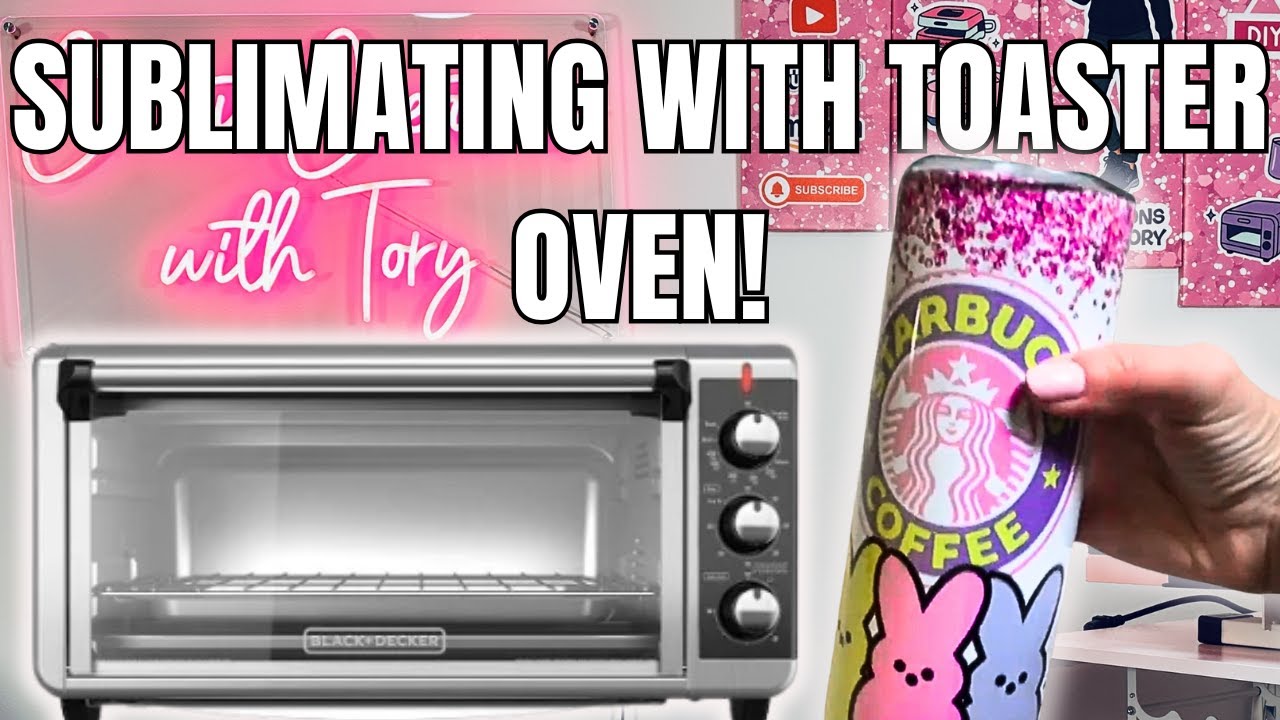
Have you ever wondered if your kitchen oven can handle sublimation projects? If you’re thinking about trying sublimation at home, using the oven you already have might seem like a quick and easy solution.
But is it really safe and effective? Before you start heating things up, it’s important to know what works and what doesn’t. You’ll discover the truth about using your kitchen oven for sublimation and get tips to make your projects successful.
Keep reading to find out if your oven can become your new craft tool.
Sublimation Basics
If you're curious about using your kitchen oven for sublimation, understanding the basics of the process is essential. Sublimation is a unique technique that transfers dye onto materials through heat, creating vibrant and long-lasting designs. Before you dive in, knowing what sublimation involves and which materials work best will help you get the results you want.
What Is Sublimation
Sublimation is a printing method where solid dye turns directly into gas without becoming liquid first. This gas then bonds with the material's surface, embedding the design permanently. The heat and pressure cause this reaction, which means your material needs to handle both.
Unlike traditional printing, sublimation creates images that won’t peel or fade easily. It works best on items with polyester or polymer coatings because the dye attaches to these surfaces. Have you ever noticed how some printed mugs or shirts keep their colors even after many washes? That’s sublimation in action.
Materials Suitable For Sublimation
Not every item can be sublimated. The material must be polyester or have a polyester coating to accept the dye properly. Natural fibers like cotton won’t work well because they don’t bond with sublimation ink.
- Polyester fabrics:T-shirts, sportswear, and flags made from polyester are perfect.
- Coated ceramics:Mugs, plates, and tiles with a special polymer coating.
- Metal sheets:Aluminum with a polyester coating for signs and photo panels.
- Hard plastics:Items like phone cases designed for sublimation.
Trying to sublimate on the wrong material can lead to dull colors or no image transfer at all. So, before you heat your oven, check if your item fits the sublimation criteria. Have you tested any unusual materials yet? You might be surprised which ones work.

Credit: makerflo.com
Kitchen Oven Vs. Sublimation Oven
The kitchen oven and sublimation oven look alike but serve different purposes. Each type handles heat and temperature in unique ways. Choosing the right oven affects the quality of your sublimation projects.
Understanding the main differences helps avoid mistakes and achieves better results. Let’s explore how they differ in temperature control and heat distribution.
Temperature Control Differences
Sublimation ovens offer precise temperature settings. They can hold exact heat needed for sublimation ink to transfer properly. Kitchen ovens often have wider temperature ranges and less accuracy.
Temperature fluctuations in kitchen ovens can cause uneven or faded prints. Sublimation ovens maintain steady heat, usually within 1-2 degrees of the set point. This precision protects your designs.
Heat Distribution Factors
Heat spreads evenly in sublimation ovens due to better airflow systems. This uniform heat ensures the entire surface heats equally. Kitchen ovens may have hot spots or cooler areas inside.
Uneven heat in kitchen ovens can lead to blotchy or incomplete transfers. Sublimation ovens use fans or convection to keep heat consistent. This consistency is key for vibrant, clear images on your items.
Risks Of Using Kitchen Oven
Using your kitchen oven for sublimation might seem like a convenient shortcut, but it comes with notable risks you should consider carefully. These risks can impact both your appliance and your health, potentially leading to costly repairs or dangerous situations. Understanding these risks helps you make a safer choice for your sublimation projects.
Potential Damage To Oven
Your kitchen oven is designed for cooking food, not for handling the chemicals and materials used in sublimation. Heating sublimation inks and substrates can cause residue buildup inside the oven, which is hard to clean and may affect future cooking smells and flavors.
Repeated exposure to high sublimation temperatures can also wear down the oven’s heating elements and sensors faster than normal use. This can lead to uneven heating or even breakdowns, reducing your oven’s lifespan.
Have you noticed strange odors or discoloration inside your oven after sublimation? These are early signs of damage that might not be reversible.
Health And Safety Concerns
Sublimation involves heat and chemicals that release fumes. Kitchen ovens are not designed with proper ventilation for these fumes, which can linger in your home and affect air quality. Breathing in these fumes regularly can irritate your lungs and eyes.
Using your oven for sublimation also risks cross-contamination. Residual chemicals might contaminate food cooked afterward, posing health risks to you and your family.
Safety equipment like fire-resistant gloves and masks become essential if you choose to use your kitchen oven for sublimation, but even then, you might be exposing yourself to unnecessary hazards.
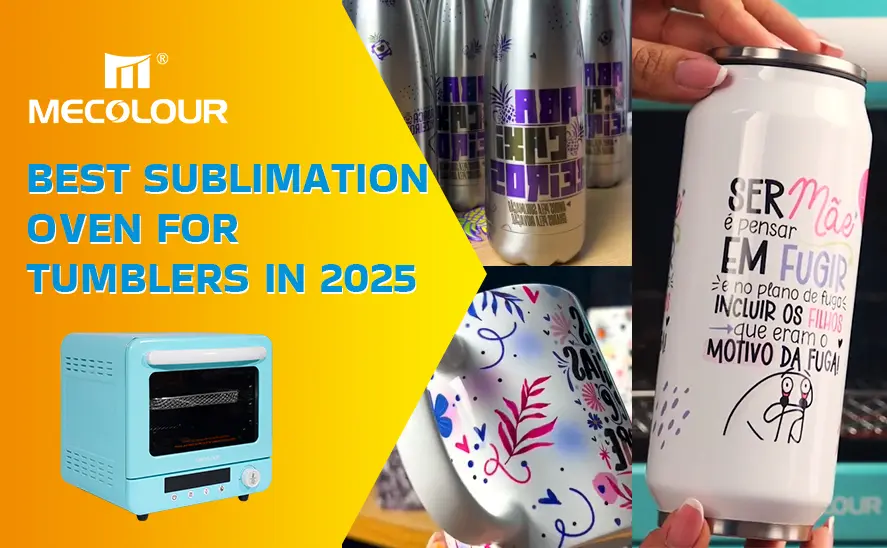
Credit: www.mecolour.com
Tips For Using Kitchen Oven Safely
Using a kitchen oven for sublimation requires careful cleaning to avoid food contamination. Always ensure the oven is free from chemicals before starting any sublimation project. Proper ventilation and temperature control keep the process safe and effective.
Sublimation is a fascinating process that allows you to transfer designs onto various materials. However, using your kitchen oven for sublimation requires careful attention to safety. Ensuring that you take the right precautions can help you avoid mishaps and achieve the best results. Let's dive into some crucial tips to use your kitchen oven safely for sublimation.
Preparation Steps
Before you begin, ensure your workspace is clean and organized. Gather all necessary materials, such as your sublimation paper, ink, and substrate. Preheat the oven to the required temperature, which is usually specified by the sublimation materials' instructions. This step is crucial to ensure even heat distribution. Consider placing a baking sheet or aluminum foil on the oven rack. This will catch any potential drips and make cleanup easier.
Monitoring Temperature
Keeping an eye on the oven's temperature is essential. Use a reliable oven thermometer, as the built-in dials can sometimes be inaccurate. Regularly check the temperature to ensure it remains consistent. Fluctuations can affect the quality of your sublimation prints. Avoid opening the oven door frequently. Each time you do, the temperature drops, which can lead to uneven results.
Protective Measures
Safety should always come first. Wear heat-resistant gloves to protect your hands when placing items in or removing them from the oven. Ensure adequate ventilation in your kitchen. Sublimation can release fumes, so keeping a window open or using a fan can help disperse them. Keep a fire extinguisher nearby. While it's unlikely you'll need it, being prepared is always wise. By following these tips, you can safely use your kitchen oven for sublimation. Have you ever tried sublimation at home? What were your experiences? Share your thoughts below!
Alternatives To Kitchen Oven
Using a kitchen oven for sublimation can be tricky and sometimes risky. It may not heat evenly or reach the exact temperature needed. This can affect the quality of your prints and even damage your oven. Luckily, there are better options made just for sublimation. These tools offer better control and safety for your projects.
Dedicated Sublimation Machines
Dedicated sublimation machines are built specifically for the heat transfer process. They provide consistent heat and pressure, which is crucial for good results. These machines come in different sizes to fit various projects. They offer precise temperature settings and timers. This makes it easier to get perfect prints every time. Using a dedicated machine also protects your kitchen equipment from damage.
Heat Press Options
Heat presses are another popular choice for sublimation. They use plates that heat up and press down on your items. This ensures even heat distribution and firm pressure. Heat presses are available in clamshell, swing-away, and draw styles. Each type works well for different materials and project sizes. Many heat presses have digital controls for accurate temperature and time. This helps avoid mistakes and wasted materials. They are safe and designed for repeated use.
Expert Recommendations
Experts share key advice on using a kitchen oven for sublimation. Following their tips helps protect your materials and ensures good results. Precision and care matter in every step of the process.
When To Use Kitchen Oven
Use a kitchen oven only for small sublimation projects. It works well for items like mugs or small plates. Avoid large batches or oversized items because the heat may not spread evenly.
Choose an oven with reliable temperature control. Consistent heat is crucial to avoid ruining your prints. Use the oven when you don’t have access to a professional heat press.
Best Practices For Quality Results
- Preheat the oven to the exact temperature required for your sublimation paper and ink.
- Place your item on a flat, heat-safe surface inside the oven.
- Use an oven thermometer to check the actual temperature, not just the oven setting.
- Set a timer for the recommended duration to avoid overcooking or undercooking.
- Wear heat-resistant gloves when handling hot items to prevent burns.
- Allow the item to cool completely before removing the sublimation paper.
- Work in a well-ventilated area to avoid fumes from sublimation inks.
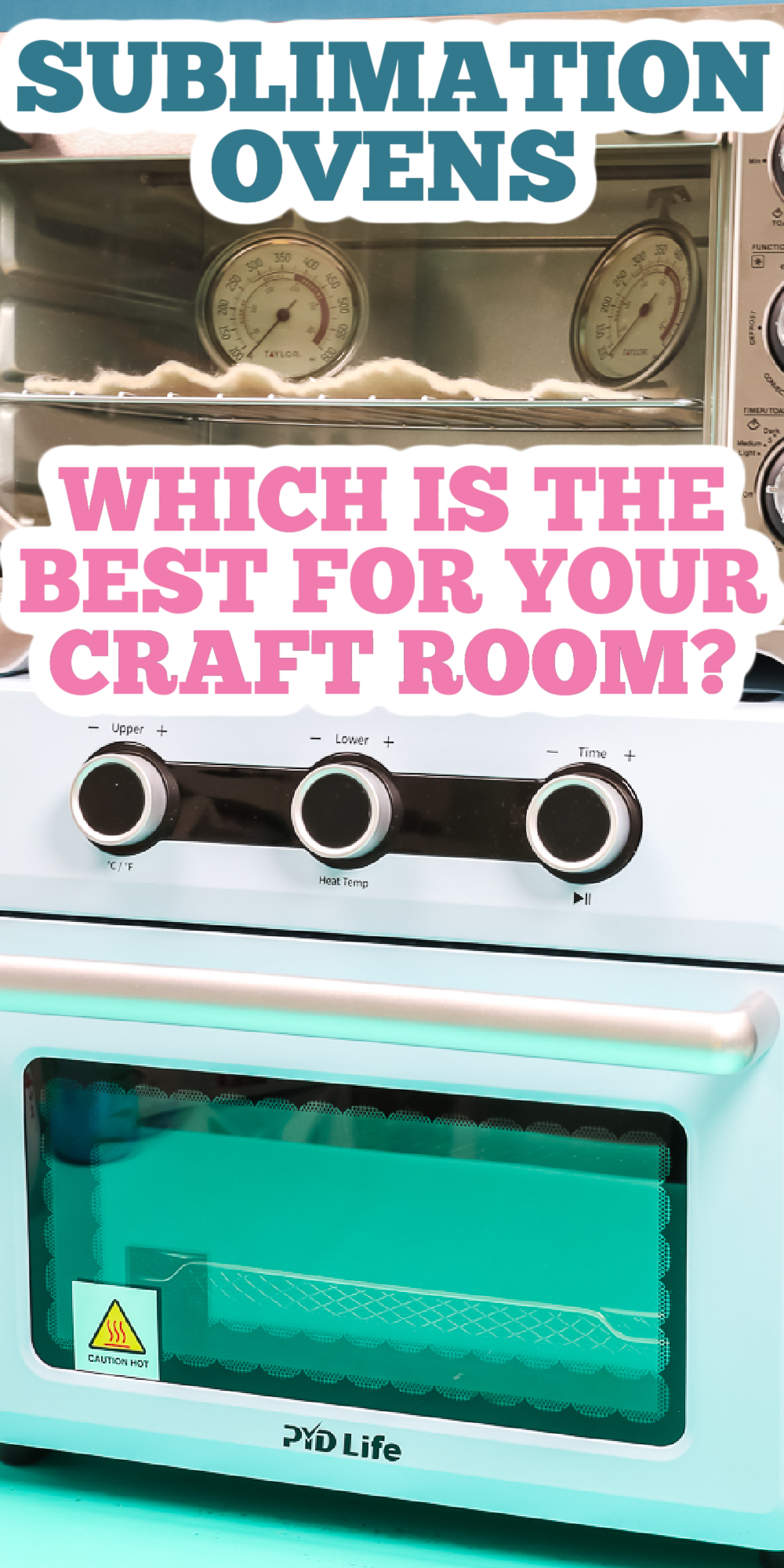
Credit: www.thecountrychiccottage.net
Frequently Asked Questions
Can I Use A Kitchen Oven For Sublimation?
Yes, you can use a kitchen oven for sublimation. However, it must reach consistent high temperatures. Avoid food odors mixing with sublimation items. Use a dedicated oven for best results.
Is A Kitchen Oven Safe For Sublimation Projects?
A kitchen oven is safe if properly cleaned and ventilated. Avoid using it for food afterward. Use heat-resistant gloves and follow sublimation time guidelines to prevent accidents.
What Are The Temperature Requirements For Sublimation In Ovens?
Sublimation typically requires temperatures between 350°F and 400°F (175°C to 205°C). The oven must maintain steady heat for 3-6 minutes. Temperature accuracy is key for quality prints.
Can A Kitchen Oven Damage Sublimation Prints?
Uneven heat or incorrect temperature can cause fading or ghosting in sublimation prints. Use an oven thermometer to monitor heat. Proper preparation and timing prevent damage.
Conclusion
Using a kitchen oven for sublimation can work but has limits. Ovens may not reach exact temperatures needed for best prints. Temperature control is often less precise than specialized machines. This can affect the quality and durability of your items.
For small projects and practice, a kitchen oven might be okay. For consistent, high-quality results, consider tools made for sublimation. Always follow safety tips to avoid accidents. Choose the right method based on your goals and budget. Sublimation needs care and the right equipment to shine.