
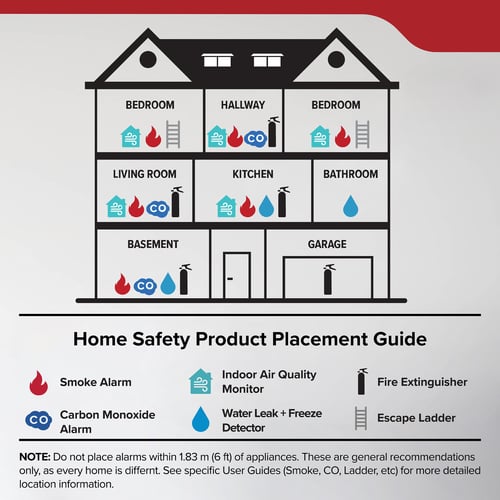
Are you wondering if the smoke detector in your kitchen can also keep you safe in your bedroom? It’s a question many people have but don’t always find clear answers to.
Your home’s safety depends on having the right kind of smoke detectors in the right places. Using a kitchen smoke detector in your bedroom might seem like a smart shortcut, but is it really effective? Keep reading to discover what you need to know to protect yourself and your loved ones the right way.
:max_bytes(150000):strip_icc()/spr-kidde-hardwired-smoke-alarm-i4618-julia-warren-01-faa480fecad5429d9cab4d8386ea1422.jpeg)
Credit: www.thespruce.com
Smoke Detectors Types
Understanding the types of smoke detectors is essential before deciding if a kitchen smoke detector can work well in your bedroom. Different detectors use different technologies to sense smoke, which affects their sensitivity and response to various fire types. Knowing these differences helps you choose the right device for the right room.
Ionization Detectors
Ionization detectors use a small amount of radioactive material to detect smoke particles. They are very good at sensing fast, flaming fires with small smoke particles. However, they can be more prone to false alarms from cooking smoke or steam, which might make them less ideal for bedrooms near kitchens.
Photoelectric Detectors
Photoelectric detectors work by shining a light inside a sensing chamber. When smoke enters, it scatters the light, triggering the alarm. These detectors are better at detecting slow, smoldering fires and tend to have fewer false alarms from everyday cooking, making them a strong choice for bedrooms.
Combination Models
Combination models include both ionization and photoelectric sensors in one unit. They aim to offer the best protection by detecting both fast-flaming and slow-smoldering fires. If you want a single detector that can handle different fire types reliably, a combination model is worth considering for your bedroom.

Credit: yourstore.nz
Kitchen Smoke Detector Features
Kitchen smoke detectors have unique features designed for cooking areas. These features help reduce false alarms caused by everyday kitchen activities. They offer specific advantages and limitations compared to other smoke detectors. Understanding these features helps decide if they fit well in a bedroom setting.
Sensitivity To Cooking Fumes
Kitchen smoke detectors have lower sensitivity to common cooking fumes. They can detect real fires quickly while ignoring harmless smoke from cooking. This balance prevents frequent alarms when you fry or boil food. Their sensors focus on particles from actual flames, not steam or light smoke.
False Alarm Frequency
These detectors reduce false alarms caused by smoke or steam. They use advanced technology to avoid triggering for minor kitchen activities. This feature helps maintain peace and avoids annoying alarms. However, this lower sensitivity may delay detection of slow, smoldering fires.
Placement Considerations
Kitchen smoke detectors must be placed near the cooking area but away from direct steam. Installing them too close to stoves or ovens may still cause false alarms. In bedrooms, placement matters to ensure proper function without frequent alerts. Proper mounting height and distance from air vents also affect performance.
Bedroom Smoke Detector Needs
Choosing the right smoke detector for your bedroom is vital for safety. Bedrooms need detectors designed to alert you quickly during the night. These detectors must meet specific requirements to protect you effectively while you sleep. Understanding these needs helps you pick the best device.
Early Fire Detection
Smoke detectors in bedrooms must sense fires fast. Early detection saves lives by giving more escape time. Devices designed for kitchens may react slower to certain smoke types. Bedroom detectors focus on sensing smoldering fires common in sleeping areas. Quick alerts reduce risk and improve safety.
Alarm Volume And Tone
Bedroom alarms need a loud, clear sound to wake you. The tone should be sharp but not too harsh. Kitchen detectors often use different alarm sounds less suited for waking sleepers. A well-designed bedroom alarm balances loudness with sound quality. It ensures you hear it even if you sleep deeply.
Power Source Options
Power reliability is critical for bedroom smoke detectors. Battery-powered alarms work during power outages, ensuring constant protection. Hardwired detectors offer stable power but may fail if electricity goes out. Some bedroom detectors combine both power sources for backup safety. Choose options that guarantee your alarm never stops working.
Risks Of Using Kitchen Detectors In Bedrooms
Using a kitchen smoke detector in a bedroom can lead to several issues. These detectors are designed for cooking areas, which have different smoke patterns. Their use in bedrooms might not provide adequate protection. Understanding these risks is crucial for ensuring safety and peace of mind.
False Alarms Impact
Kitchen detectors are sensitive to cooking smoke. This sensitivity can cause false alarms in bedrooms. Frequent false alarms can lead to alarm fatigue. People might start ignoring alarms, reducing their effectiveness. This neglect can delay response in real emergencies.
Reduced Effectiveness
Kitchen detectors might not detect slow-burning fires. Bedrooms often have fires that smolder. These require different detection technology. Kitchen detectors are not built for this. They may not alert occupants quickly enough.
Potential Safety Hazards
False alarms can disrupt sleep. This impacts health and well-being. Constant alarms also lead to unnecessary panic. Panic can cause unsafe behavior during real fires. Using incorrect detectors compromises safety strategies.
Best Practices For Smoke Detector Placement
Placing smoke detectors correctly can make all the difference in how quickly you are alerted to danger. Proper placement not only ensures maximum coverage but also reduces false alarms that can disrupt your peace. Let’s look at how to position smoke detectors in bedrooms effectively and maintain them for reliable performance.
Ideal Locations In Bedrooms
Mount your smoke detector on the ceiling or high on the wall, as smoke rises and will reach these spots first. Keep it at least 10 feet away from windows, doors, or air vents that can interfere with smoke reaching the sensor.
Place the detector near the sleeping area, so the alarm is loud enough to wake you if there’s smoke during the night. Avoid placing it too close to the bathroom or kitchen to prevent false alarms from steam or cooking smoke.
Avoiding Common Mistakes
A frequent error is installing a kitchen smoke detector in a bedroom without considering its sensitivity to cooking fumes. Kitchen detectors often trigger false alarms in bedrooms, leading to annoyance and sometimes disabling the alarm altogether.
Don’t install smoke detectors too close to ceiling fans or air ducts, as airflow can push smoke away from the sensor. Also, avoid placing detectors near windows where fresh air might prevent smoke from reaching the device.
Regular Testing And Maintenance
Test your smoke detectors monthly to ensure the batteries and sensors work properly. Press the test button until you hear a loud alarm. If the sound is weak or absent, replace the batteries immediately.
Clean your detectors regularly by gently vacuuming around the sensor to remove dust and debris. This simple step can prevent false alarms and extend the life of your device.
Have you checked your smoke detector lately? Making it part of your routine could save your life.

Credit: www.sdmmag.com
Enhancing Bedroom Fire Safety
Enhancing fire safety in the bedroom is essential for protecting your family. Smoke detectors designed for kitchens may not work best in bedrooms. Bedrooms need specific safety measures to detect smoke quickly and alert occupants during a fire.
Using the right devices and planning can save lives. A bedroom is a place where people sleep and may not notice danger immediately. Proper precautions reduce risks and increase chances of safe escape.
Complementary Fire Safety Devices
Smoke detectors work well but other devices add safety. Heat detectors can sense rising temperatures that smoke alarms may miss. Carbon monoxide alarms protect against invisible gas dangers.
- Install smoke detectors with low false alarms.
- Add heat detectors near potential fire sources.
- Use carbon monoxide alarms in rooms with fuel-burning appliances.
- Check batteries monthly and replace alarms every 10 years.
Emergency Escape Planning
Make a clear escape plan for all household members. Identify two ways out of every bedroom. Practice the plan regularly to ensure everyone knows what to do.
- Keep escape routes free of obstacles.
- Use a flashlight near the bed for night emergencies.
- Teach children how to safely exit the house.
- Designate a safe meeting spot outside.
Educating Household Members
Everyone in the home should understand fire safety basics. Teach how smoke detectors sound and what actions to take. Explain the dangers of smoke and fire in simple terms.
- Practice fire drills often to build confidence.
- Show how to stop, drop, and roll if clothes catch fire.
- Discuss the importance of never ignoring alarms.
- Encourage asking questions and staying calm during drills.
Frequently Asked Questions
Can Kitchen Smoke Detectors Work Effectively In Bedrooms?
Kitchen smoke detectors are designed for smoky cooking areas. They may cause false alarms in bedrooms due to dust or humidity. It’s better to use photoelectric smoke detectors in bedrooms for accurate detection and fewer false alarms.
Are Kitchen Smoke Detectors Safe For Bedroom Use?
Kitchen smoke detectors use ionization technology, which is sensitive to cooking fumes. This sensitivity can trigger false alarms in bedrooms. For safety and reliability, use smoke detectors specifically designed for living spaces like bedrooms.
What Type Of Smoke Detector Is Best For Bedrooms?
Photoelectric smoke detectors are ideal for bedrooms. They detect slow, smoldering fires with minimal false alarms. Unlike kitchen detectors, they are less sensitive to cooking smoke and steam, providing accurate alerts during nighttime.
Can I Use The Same Smoke Detector For Kitchen And Bedroom?
It’s not recommended to use the same smoke detector for both areas. Kitchen detectors react to cooking byproducts causing false alarms in bedrooms. Separate detectors optimized for each area ensure better fire safety and fewer disruptions.
Conclusion
Smoke detectors are important for safety in every room. Kitchen smoke detectors work differently than bedroom ones. Bedrooms need detectors that respond quickly to smoke, not steam or cooking odors. Using the wrong type can cause false alarms or delayed warnings.
Choose a smoke detector designed for the bedroom area. This helps keep you safe while avoiding unnecessary noise. Protect your home with the right device in the right place. Safety first, always.