
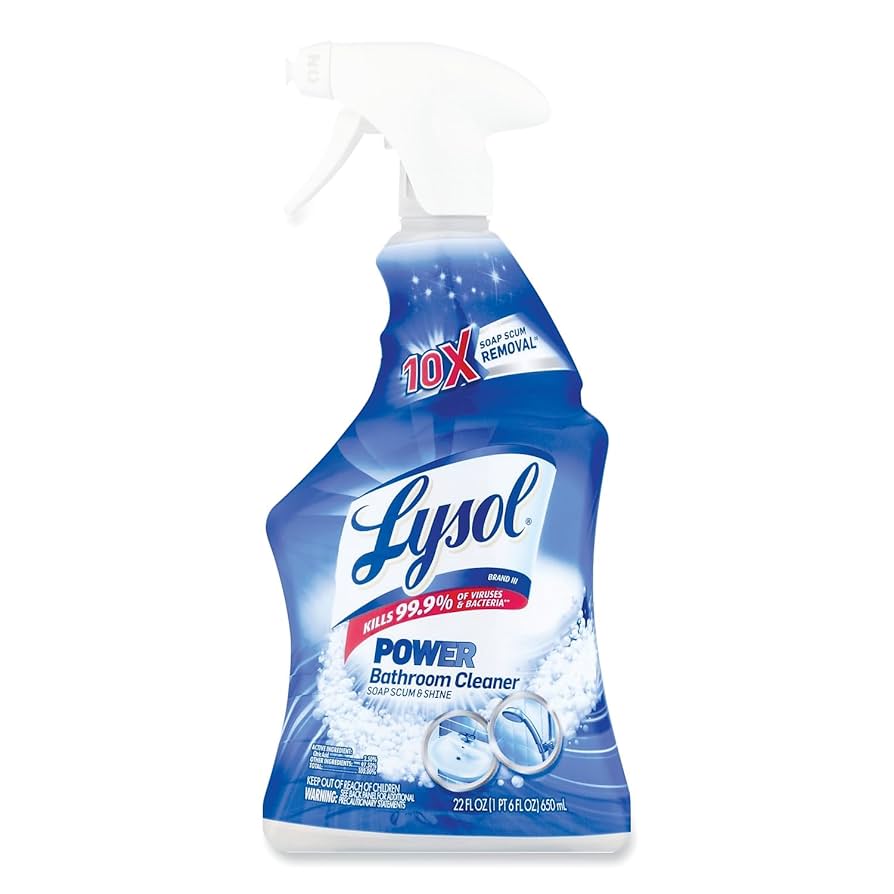
Are you wondering if you can use Lysol Bathroom Cleaner in your kitchen? It’s a common question because you want to keep your kitchen spotless and safe.
But before you grab that bottle from under the sink, it’s important to know if it’s the right choice for your kitchen surfaces. Using the wrong cleaner could cause damage or leave harmful residues where you prepare your food. You’ll discover the facts about Lysol Bathroom Cleaner and whether it’s safe and effective for your kitchen.
Keep reading to protect your home and make cleaning easier than ever.
Lysol Bathroom Cleaner Ingredients
Lysol Bathroom Cleaner contains several powerful ingredients designed to clean and disinfect bathroom surfaces. These ingredients help remove soap scum, grime, mold, and bacteria effectively. Understanding the ingredients can help decide if this cleaner suits kitchen use as well.
The formula focuses on killing germs while breaking down tough stains. It contains both active and inactive components that work together for a thorough clean. Knowing these ingredients also highlights any safety concerns for different areas of the home.
Lysol Bathroom Cleaner Active Ingredients
- Alkyl dimethyl benzyl ammonium chloride:A disinfectant that kills bacteria and viruses.
- Octyl decyl dimethyl ammonium chloride:Helps eliminate mold and mildew.
- Didecyl dimethyl ammonium chloride:Provides broad-spectrum antimicrobial action.
- Alkyl dimethyl ethylbenzyl ammonium chloride:Supports fast germ-killing effects.
Common Inactive Ingredients In Lysol Bathroom Cleaner
- Water: Acts as a solvent for other ingredients.
- Surfactants: Help lift dirt and grease from surfaces.
- Fragrance: Adds a fresh scent after cleaning.
- pH adjusters: Maintain product stability and cleaning power.
Safety And Usage Considerations
- The cleaner contains strong chemicals suited for tough bathroom messes.
- These chemicals can be harsh on food contact surfaces.
- Rinsing is important if used on kitchen counters to avoid residue.
- Check the label for any warnings about kitchen use.
Bathroom Vs Kitchen Surfaces
Bathrooms and kitchens have very different surfaces. Each room needs cleaners made for its specific materials and germs. Using the wrong cleaner can damage surfaces or leave harmful residues.
Bathroom surfaces often handle soap scum, mold, and mildew. Kitchen surfaces face food spills, grease, and bacteria from raw foods. These differences affect which products work best.
Types Of Bathroom Surfaces
- Ceramic tiles
- Porcelain sinks and tubs
- Glass shower doors
- Plastic toilet seats
- Grout lines
Types Of Kitchen Surfaces
- Granite or quartz countertops
- Stainless steel sinks and appliances
- Wood or laminate cabinets
- Tile backsplashes
- Plastic cutting boards
Surface Sensitivity And Cleaner Choice
Bathroom cleaners contain strong agents to remove soap scum and mold. These chemicals may harm kitchen surfaces like granite or wood. Kitchen cleaners focus on food-safe ingredients and grease removal.
Using bathroom cleaner on kitchen surfaces might cause discoloration or damage. Always check the label and test on a small area first.
Potential Health Risks
Using Lysol Bathroom Cleaner in the kitchen may expose food surfaces to harmful chemicals. Residue left behind can cause health issues if ingested. Always check product labels for safe usage areas to protect your family’s health.
Using Lysol Bathroom Cleaner in the kitchen might seem like a convenient idea, especially if you're looking to streamline your cleaning routine. However, this practice could pose potential health risks. It's crucial to understand these risks to ensure the safety and well-being of your household.
Understanding Chemical Residues
Lysol Bathroom Cleaner is designed to tackle tough bathroom grime and kill germs. This means it contains strong chemicals. When used in the kitchen, these chemicals may linger on surfaces and utensils, potentially contaminating food.
Inhalation Concerns
The fumes from Lysol Bathroom Cleaner can be quite potent. Using it in a confined space like a kitchen could lead to inhalation of these fumes, which might cause respiratory irritation. Are you willing to risk your health for a quick clean?
Skin Irritation Risks
Contact with Lysol's powerful formula can lead to skin irritation. If you accidentally touch treated surfaces before they've been thoroughly rinsed, you might experience redness or itching. Ensuring proper cleaning agents are used in food prep areas can prevent these uncomfortable reactions.
Impact On Food Safety
Imagine preparing a meal on a counter that hasn't been properly cleaned of chemical residues. This could pose a risk to food safety, potentially leading to foodborne illnesses. Using kitchen-specific cleaners can help maintain hygiene without this risk.
Label Instructions And Warnings
Lysol products come with specific usage instructions and warnings. These are crucial for ensuring safe use. Do you take the time to read and follow these guidelines, especially when considering using them outside their intended area? By understanding these potential health risks, you can make informed decisions about your cleaning practices. Prioritize safety, and opt for cleaners designed specifically for kitchen use.

Credit: www.amazon.com
Manufacturer's Guidelines
Understanding the manufacturer's guidelines is key when deciding if you can use Lysol Bathroom Cleaner in your kitchen. These guidelines offer specific instructions and safety warnings that help you avoid potential risks. Ignoring them could lead to ineffective cleaning or even damage surfaces and harm your health.
Check The Label For Surface Compatibility
Always read the product label carefully. Lysol Bathroom Cleaner is often formulated for bathroom surfaces like tile, grout, and porcelain. Using it on kitchen countertops or appliances without confirming compatibility might cause discoloration or surface damage.
Have you noticed any warnings about food contact surfaces? If the label advises against use on surfaces where food is prepared, it’s best to avoid using it in the kitchen.
Follow Safety Instructions Strictly
Manufacturers include safety instructions to protect you during use. This often means wearing gloves, ensuring good ventilation, and avoiding mixing with other cleaning products. These steps prevent skin irritation, respiratory issues, and harmful chemical reactions.
Think about your kitchen environment—can you easily ventilate the area? If not, using a product designed specifically for kitchens might be a safer choice.
Understand The Intended Use
The manufacturer designs each cleaner for specific grime and germs. Bathroom cleaners target soap scum, mold, and mildew common in bathrooms. Kitchen cleaners typically focus on grease and food residue.
Using a bathroom cleaner in the kitchen might not effectively remove kitchen messes. Are you confident the product will handle the specific stains and bacteria found around your stove and sink?
Safe Cleaning Alternatives
Choosing the right cleaner for your kitchen is important for both safety and effectiveness. While Lysol Bathroom Cleaner is designed for tough bathroom grime, it may contain chemicals that aren't ideal for food preparation areas. Luckily, there are safe cleaning alternatives that can keep your kitchen spotless without risking your health.
Natural Ingredients You Probably Have At Home
You don’t need harsh chemicals to get your kitchen clean. Simple ingredients like vinegar, baking soda, and lemon juice work wonders on grease and stains.
Mix baking soda with water to create a gentle scrubbing paste. Use vinegar as a disinfectant spray, but avoid mixing it with baking soda in a closed container to prevent fizzing accidents.
Commercial Kitchen-safe Cleaners
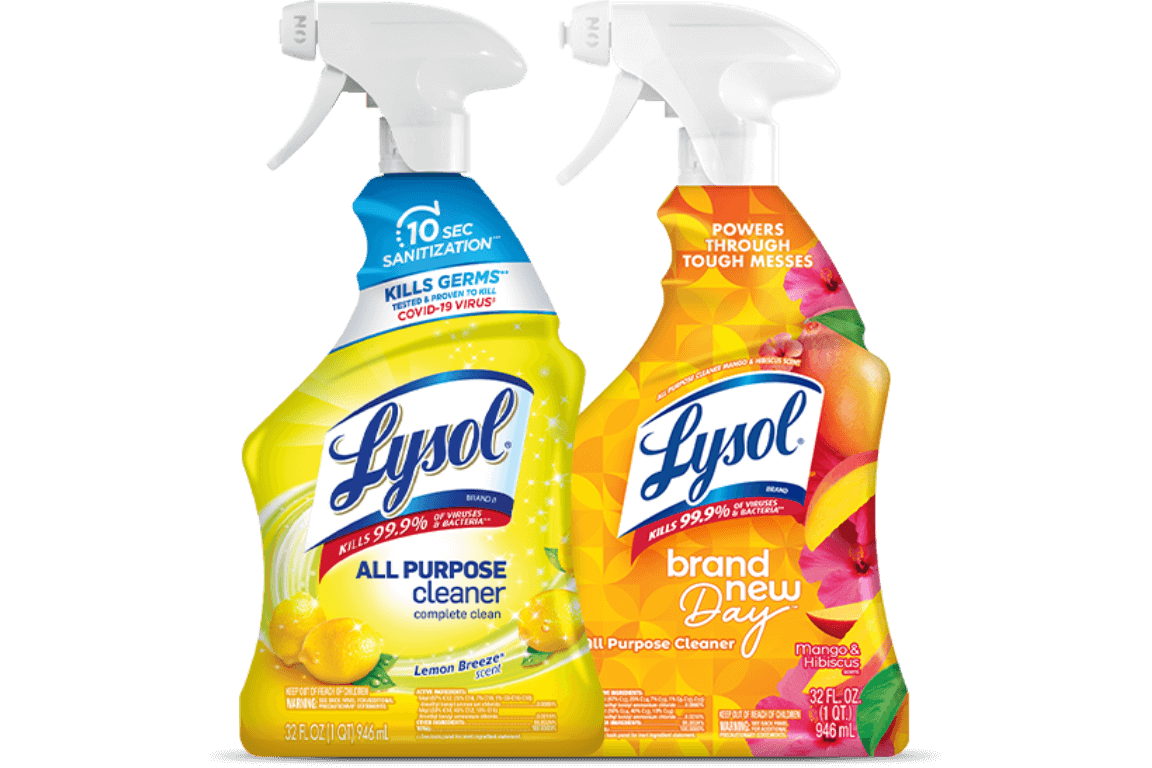
If you prefer store-bought options, look for cleaners specifically labeled safe for kitchen use. These products avoid harsh chemicals that could contaminate food surfaces.
Brands like Seventh Generation or Method offer effective, non-toxic sprays. Checking the label for “food contact safe” ensures you’re protecting your family’s health.
Why Avoid Bathroom Cleaners In The Kitchen?
Bathroom cleaners often contain stronger acids or bleach to tackle mold and soap scum. These ingredients can leave residues harmful if ingested or inhaled during food prep.
Ask yourself: Is it worth risking chemical exposure for a quick clean? Using safer alternatives can give you peace of mind and a truly hygienic kitchen.
Credit: www.lysol.com
Proper Use And Precautions
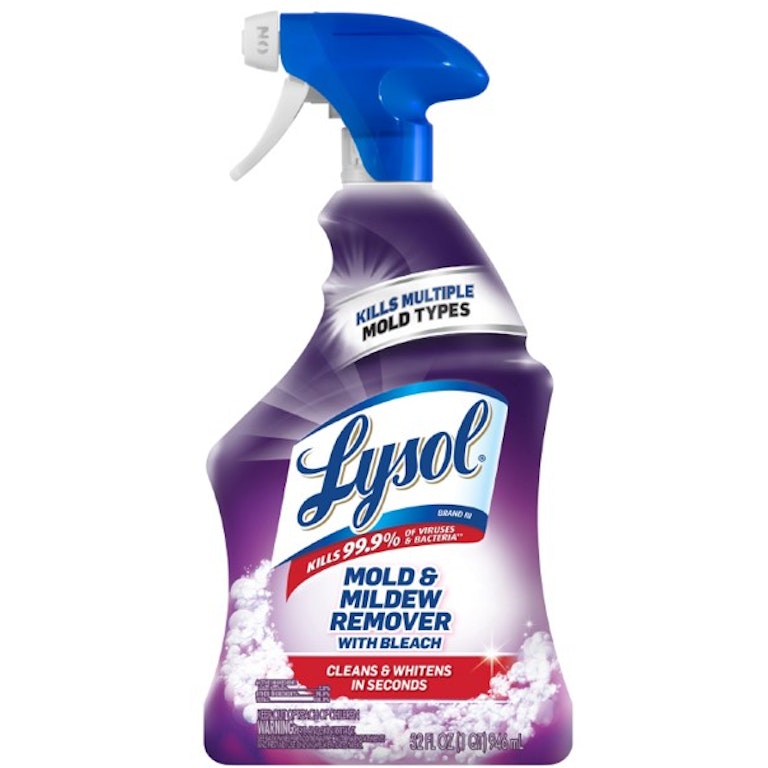
Using Lysol Bathroom Cleaner in the kitchen requires care. This cleaner contains strong chemicals designed for bathroom grime and germs. Proper use and precautions help keep your kitchen safe and clean. Follow guidelines to avoid damage or health risks.
Read The Label Carefully
Always check the product label before use. The label lists surfaces that are safe to clean. Some ingredients may harm kitchen counters or appliances. Follow all instructions and warnings to prevent problems.
Keep Away From Food And Utensils
Do not spray Lysol Bathroom Cleaner directly on food or cooking tools. Chemicals can leave residues that are unsafe to ingest. Clean all surfaces first, then rinse thoroughly with water. Use separate cloths for bathroom and kitchen cleaning.
Ventilate The Kitchen
Strong fumes can irritate eyes and lungs. Open windows or turn on fans to improve airflow. Avoid breathing in spray mist. Use the cleaner in a well-ventilated space to stay safe.
Wear Protective Gear
Wear gloves to protect your skin from harsh chemicals. Avoid contact with eyes by wearing safety glasses if needed. Wash hands after cleaning to remove any residue. Safety measures reduce the risk of irritation.
Test On Small Area First
Test the cleaner on a small, hidden area of your kitchen surface. Look for discoloration or damage after wiping. If the surface looks fine, proceed with cleaning. If damage appears, stop using the product there.
Credit: www.gianteagle.com
Frequently Asked Questions
Can Lysol Bathroom Cleaner Be Used Safely In The Kitchen?
Lysol Bathroom Cleaner is designed for bathroom surfaces and may contain harsh chemicals. It is not recommended for kitchen use, especially on food prep areas, due to potential chemical residue risks. Use kitchen-specific cleaners for safe and effective cleaning.
Is Lysol Bathroom Cleaner Effective On Kitchen Grease?
Lysol Bathroom Cleaner is formulated to tackle soap scum and bathroom grime, not kitchen grease. For greasy kitchen surfaces, use degreasers or kitchen cleaners designed to break down oil and food residue safely.
Will Lysol Bathroom Cleaner Contaminate Kitchen Surfaces?
Using Lysol Bathroom Cleaner in the kitchen can leave harmful chemical residues. These residues might contaminate food or utensils. Always rinse surfaces thoroughly or avoid using bathroom cleaners in the kitchen to maintain food safety.
Can Lysol Bathroom Cleaner Disinfect Kitchen Counters?
While Lysol Bathroom Cleaner has disinfectant properties, it is not intended for kitchen counters. Use disinfectants approved for kitchen use to ensure effective and safe sanitation without risk of contamination.
Conclusion
Using Lysol Bathroom Cleaner in the kitchen is not always safe. It may contain strong chemicals that can harm food surfaces. Always check the label for safe use instructions. Choose cleaners made for kitchen areas to avoid risks. Keeping your kitchen clean is important but safety comes first.
Use products designed for food contact areas. This helps protect your family’s health. Clean wisely, and keep your home safe and fresh.