
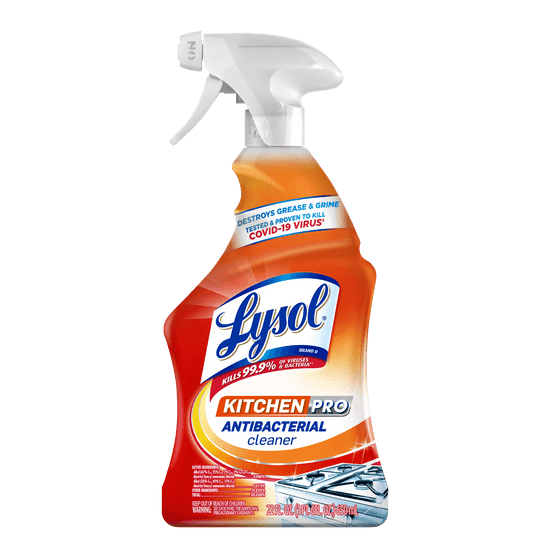
Are you wondering if Lysol Kitchen Cleaner is safe to use on your quartz countertops? You want your kitchen to be spotless, but you also want to protect the beautiful surface you’ve invested in.
Using the wrong cleaner could damage your quartz, leaving stains or dull spots. You’ll discover whether Lysol Kitchen Cleaner is a good choice for your countertops and learn the best ways to keep them looking brand new. Keep reading—you’ll want to know how to clean your quartz safely without risking costly damage.

Credit: www.walmart.ca
Lysol Kitchen Cleaner Basics
Understanding the basics of Lysol Kitchen Cleaner is important before you decide to use it on your quartz countertops. This cleaner is popular for its disinfecting power and ease of use, but knowing what’s inside and how it’s commonly used helps you make a safer choice for your surfaces.
Key Ingredients
Lysol Kitchen Cleaner contains a mix of active ingredients designed to kill germs and remove grease. The main components often include:
- Quaternary ammonium compounds– effective disinfectants that eliminate bacteria and viruses.
- Surfactants– these help break down grease and grime for easier cleaning.
- Fragrance– added to leave a fresh scent after cleaning.
These ingredients work well on many hard surfaces but can sometimes be harsh on delicate materials like quartz. Have you ever noticed a cleaner leaving a dull spot after use? That might be due to strong chemicals reacting with your surface.
Common Uses
Lysol Kitchen Cleaner is designed primarily for kitchen surfaces such as stovetops, sinks, and counters that are resistant to harsh cleaners. It’s excellent for tackling food residue, grease buildup, and everyday germs.
People often reach for it when they need quick disinfection during meal prep or cleanup. However, it’s important to ask: does this cleaner fit the needs of your quartz countertop? Quartz is sensitive to acidic or abrasive cleaners, which could damage its finish over time.

Credit: www.fynesdesigns.com
Quartz Countertop Features
Quartz countertops are a popular choice in many kitchens. They offer a blend of beauty and strength that suits daily use. Understanding their key features helps you care for them properly.
Material Composition
Quartz countertops are made from natural quartz crystals. These crystals mix with resin and pigments to form a hard surface. The resin binds the quartz, creating a non-porous and smooth finish. This mix gives quartz its unique look and feel. It also makes the surface resistant to stains and scratches.
Durability Factors
Quartz is known for its toughness. It resists heat better than many other countertop materials. It does not chip or crack easily from normal kitchen activities. Its non-porous surface stops bacteria and moisture from settling in. This keeps the countertop cleaner and safer for food prep. Regular cleaning with gentle products helps maintain its shine and durability.
Compatibility Of Lysol With Quartz
Understanding how Lysol Kitchen Cleaner interacts with quartz countertops is key to keeping your surfaces spotless without damage. Quartz is a durable material, but it reacts differently to various cleaning products. Knowing the compatibility of Lysol with quartz can save you from costly repairs or dullness.
Potential Chemical Reactions
Lysol Kitchen Cleaner contains chemicals that can sometimes react with the resin binders in quartz countertops. Harsh ingredients like bleach or strong acids may break down the surface resin, causing discoloration or dull spots.
If you notice any changes like cloudiness or a sticky residue after using Lysol, it’s a sign the cleaner may be too aggressive for your quartz. Your cleaning routine should avoid these harsh chemicals to maintain the countertop’s shine and strength.
Manufacturer Recommendations
Most quartz manufacturers advise using mild detergents and water for daily cleaning. They typically warn against bleach-based or acidic cleaners, which can damage the quartz’s resin and surface finish.
Before using Lysol or any disinfectant, check the label for its chemical composition and cross-reference with your quartz brand’s care instructions. Some Lysol products may be safe if they don’t contain bleach or strong acids, but always test on a small, hidden area first.
Have you ever tried a cleaner only to find it damaged your surface? Taking a few minutes to verify compatibility can prevent that frustration and keep your quartz looking new longer.
Safe Cleaning Practices For Quartz
Lysol Kitchen Cleaner is not recommended for quartz countertops as it may damage the surface. Use mild soap and water for safe cleaning. Avoid harsh chemicals to keep quartz looking new.
Quartz countertops are a beautiful addition to any kitchen, offering a sleek and modern look. However, maintaining their shine requires specific cleaning methods to avoid damage. Understanding safe cleaning practices is crucial to keep your quartz surfaces looking pristine and long-lasting.
Approved Cleaning Products
When selecting a cleaner for your quartz countertops, opt for pH-neutral products. These are gentle on the surface and won’t cause discoloration or etching. Lysol Kitchen Cleaner is not recommended, as it may contain chemicals that could harm the quartz. Look for cleaners specifically designed for stone surfaces. Alternatively, a mixture of mild dish soap and water can be an effective daily cleaner. Always test any new product on a small, inconspicuous area before applying it to the entire countertop.
Daily Maintenance Tips
Regular maintenance keeps your quartz countertops in top condition. Start by wiping down the surface daily with a soft cloth or sponge and warm soapy water. This simple routine helps prevent the build-up of dirt and grime. Always clean spills immediately to avoid staining. While quartz is resistant to many stains, substances like coffee and wine can still pose a threat if left to sit. Use a soft, damp cloth to blot, not rub, the spill. Wondering how to tackle tougher messes? Avoid abrasive pads or harsh chemicals. Instead, use a non-abrasive sponge or cloth, along with a gentle cleaner, to scrub away stubborn spots. Incorporating these practices into your daily routine can make a significant difference. Do you have a favorite cleaning hack for quartz countertops? Share it with us in the comments!
Risks Of Using Harsh Cleaners
Using harsh cleaners like Lysol Kitchen Cleaner on quartz countertops might seem like a quick solution for tough stains. However, these strong chemicals can cause more harm than good. Understanding the risks helps you protect your investment and keep your countertops looking their best.
Surface Damage Possibilities
Harsh cleaners often contain acids or bleach that can wear down the protective resin on quartz surfaces. This can lead to dull spots, discoloration, or even etching. You might notice the smooth finish turning rough or patchy after repeated use.
Quartz is engineered to be tough, but it’s not immune to chemical damage. Even if a cleaner promises to kill germs effectively, it might strip away the shine and clarity you want. Have you ever applied a cleaner and then saw a stain that wasn’t there before? That’s a warning sign.
Long-term Effects
Repeated exposure to harsh cleaners can weaken the countertop’s structure over time. Small cracks and chips may develop, making the surface more vulnerable to stains and bacteria. This can shorten the lifespan of your quartz significantly.
Imagine investing in a beautiful countertop only to see it deteriorate faster than expected. Using gentle, pH-balanced cleaners designed for quartz helps avoid these issues. Are you willing to risk permanent damage for quick cleaning?
Alternatives To Lysol For Quartz
Finding safe cleaners for quartz countertops matters a lot. Lysol kitchen cleaner can harm quartz surfaces. It may dull or damage the finish over time. Choosing gentle and effective alternatives keeps quartz looking new and shiny.
Natural Cleaning Solutions
Natural cleaners use simple, safe ingredients. They clean without harsh chemicals. A mixture of warm water and mild dish soap works well. Use a soft cloth or sponge to wipe the surface.
White vinegar diluted with water can remove stains. Avoid using vinegar often as it is acidic. Baking soda mixed with water forms a gentle paste. It helps scrub off tough spots without scratching.
- Warm water and mild dish soap
- Diluted white vinegar (use sparingly)
- Baking soda paste for gentle scrubbing
Always rinse well and dry the surface after cleaning. These natural options keep quartz safe and clean.
Commercial Quartz Cleaners
Special cleaners made for quartz surfaces offer safe cleaning. They protect the stone’s shine and durability. These products often contain non-abrasive ingredients.
Look for quartz or stone cleaner labels. They remove grease, grime, and fingerprints easily. Spray on the surface and wipe with a soft cloth for best results.
- Non-abrasive quartz surface cleaners
- Stone-safe degreasers and polishers
- pH-balanced formulas for quartz protection
Using commercial quartz cleaners helps maintain beauty and long life of your countertop.
Tips For Stain Removal On Quartz
Stains on quartz countertops can be frustrating, especially when you want to maintain their sleek and polished look. Removing stains effectively requires the right approach to avoid damaging the surface. Here are some practical tips to help you tackle stains without risking harm to your beautiful quartz.
Safe Spot Cleaning Methods
Start by blotting spills immediately with a soft cloth or paper towel. Avoid rubbing, as this can spread the stain or push it deeper into the surface.
Use warm water mixed with a few drops of mild dish soap to gently clean the affected area. Apply with a soft sponge, then rinse with clean water and dry thoroughly.
If the stain persists, try a glass cleaner or a non-abrasive cleaner designed specifically for quartz surfaces. Spray it on, let it sit for a few minutes, then wipe away carefully.
For tougher stains like coffee or wine, a paste made of baking soda and water can help. Apply the paste to the stain, cover with plastic wrap, and let it sit for several hours before gently wiping it off.
Avoiding Permanent Marks
Never use harsh chemicals like bleach, oven cleaners, or ammonia on quartz counters. These can dull the surface or cause discoloration.
Steer clear of abrasive scrubbers or steel wool that can scratch the quartz finish. Soft cloths or non-scratch sponges are best.
Think twice before reaching for Lysol Kitchen Cleaner or similar disinfectants. Many contain chemicals that might harm quartz, so check the label carefully or test on a small hidden area first.
Have you ever accidentally left a stain untreated for days? The longer a stain sits, the more likely it is to become permanent. Acting quickly is your best defense.
Credit: www.lysol.com
Frequently Asked Questions
Can Lysol Kitchen Cleaner Damage Quartz Countertops?
Lysol Kitchen Cleaner contains chemicals that may dull or damage quartz surfaces. It's best to avoid using it directly on quartz. Instead, use cleaners specifically formulated for quartz countertops to maintain their shine and durability.
Is Lysol Kitchen Cleaner Safe For Quartz Surfaces?
Lysol Kitchen Cleaner is not recommended for quartz because it can degrade the resin binding the quartz. Use mild soap and water or quartz-specific cleaners for safe and effective cleaning without risking damage.
How To Clean Quartz Countertops Safely?
Clean quartz countertops with a soft cloth, warm water, and mild dish soap. Avoid harsh chemicals, bleach, or abrasive cleaners to preserve their finish and strength. Always dry with a soft towel to prevent water spots.
Can Disinfecting Quartz Countertops Harm Them?
Using harsh disinfectants like Lysol can harm quartz by breaking down its resin. Use gentle disinfectants approved for quartz or diluted isopropyl alcohol for safe disinfection without damage.
Conclusion
Lysol Kitchen Cleaner is not the best choice for quartz countertops. It may harm the surface and dull its shine. Quartz needs gentle, non-abrasive cleaners. Warm water and mild soap work well. Always use a soft cloth to clean. Protect your countertop by avoiding harsh chemicals.
Keep it looking fresh and new with simple care. This helps your quartz last longer and stay beautiful. Choose safe products to keep your kitchen clean and damage-free. Simple steps make a big difference.