

Are you wondering if you can use Method Bathroom Cleaner in your kitchen? It’s a common question because you want to keep your kitchen spotless but also safe.
You might be worried about strong chemicals or whether it’s effective on kitchen messes. You’ll discover the truth about using this cleaner beyond your bathroom. By the end, you’ll know exactly when and how to use it—or when to choose something else—to keep your kitchen fresh and safe for you and your family.
Keep reading to find out!
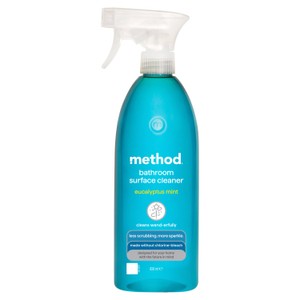
Credit: www.ocado.com
Method Bathroom Cleaner Ingredients
Understanding the ingredients in Method Bathroom Cleaner is key to deciding if it's safe and effective for kitchen use. The formula is designed to tackle bathroom grime, but what exactly makes it work? Let’s break down the ingredients to see how they perform and whether they fit your kitchen cleaning needs.
Active Cleaning Components
The cleaner contains plant-based surfactants that cut through soap scum and dirt. These ingredients are tough on grime but gentle on surfaces, which means they can handle kitchen messes without harsh chemicals. You might be surprised that these natural agents can remove grease as well as bathroom residue.
Fragrance And Essential Oils
Method uses essential oils for fragrance, giving a fresh scent without synthetic perfumes. This is a plus if you prefer natural smells in your kitchen. However, if you or your family have sensitivities to certain oils, it’s worth checking the label carefully.
Ph Level And Its Impact
The cleaner is mildly acidic, designed to dissolve mineral deposits and soap scum in bathrooms. This acidity might be effective on kitchen surfaces like countertops and sinks, but it could potentially harm delicate materials like marble or hardwood. Knowing your kitchen surface type will help you decide if this cleaner is a good match.
Environmental And Safety Considerations
All ingredients are biodegradable, which makes this product environmentally friendly. If you care about reducing chemical runoff and waste, this cleaner aligns with those values. Still, always test a small area first to avoid unexpected reactions on kitchen surfaces.
Common Kitchen Surface Concerns
Kitchen surfaces face a variety of challenges every day. From food spills to grease and bacteria, keeping these areas clean is essential for health and safety. Understanding what concerns come with different surfaces helps you choose the right cleaner and avoid damage.
Types Of Kitchen Surfaces
Your kitchen likely has a mix of surfaces like granite countertops, stainless steel appliances, ceramic tiles, and laminate cabinets. Each material reacts differently to cleaning products.
Granite, for example, can be sensitive to acidic cleaners, which might dull its shine. Stainless steel shows fingerprints easily but needs gentle products to avoid scratches. Knowing these differences is key to maintaining your kitchen’s look and function.
Common Contaminants And Stains
Grease buildup is one of the toughest kitchen grime types. It sticks to surfaces and can attract dust and dirt, making the area look grimy quickly. Food stains and spills, especially from acidic fruits or sauces, can damage certain finishes if not cleaned promptly.
Bacteria and germs are another concern, especially around sinks and cutting boards. You want a cleaner that not only removes visible mess but also kills harmful microbes effectively.
Material Sensitivity To Cleaners
Not all cleaners are safe for every kitchen surface. Some bathroom cleaners, for instance, contain ingredients that might be too harsh for kitchen countertops. Using a product not designed for a specific surface can cause discoloration or erosion over time.
Ask yourself: does your cleaner protect the surface’s integrity while providing a deep clean? If you are unsure, testing a small hidden area first can save you from costly damage.
Health And Safety Considerations
Since kitchen surfaces come into contact with food, the cleaning product must be non-toxic and free of harmful chemicals. Strong fragrances or harsh chemicals could leave residues that might affect your food or trigger allergies.
Look for cleaners labeled as food-safe or biodegradable. These options reduce risk and ensure your kitchen stays safe for everyone in your home.
Safety Of Using Bathroom Cleaner In Kitchen
When you're in a cleaning frenzy, reaching for the nearest bottle of cleaner might seem like a good idea. But is it safe to use a bathroom cleaner in your kitchen? Understanding the safety implications can save you from potential hazards.
Potential Health Risks
Bathroom cleaners often contain harsh chemicals designed to tackle tough stains and grime. These chemicals, while effective, can pose health risks if used on surfaces where food is prepared. Inhaling fumes or accidentally ingesting residue can lead to respiratory issues or digestive problems.
Consider your family's health. Would you risk using a cleaner with warnings on the label in a space where you cook daily meals? Using products as intended is essential for maintaining a healthy home.
Cross-contamination Issues
Using bathroom cleaners in the kitchen can lead to cross-contamination. Residues from bathroom surfaces might not be suitable for kitchen use. Imagine cleaning your kitchen counter with a product designed to remove bathroom mold—unintended bacteria could spread.
Always prioritize using cleaners specifically formulated for kitchen surfaces. These products are designed to break down food residues and bacteria while being safe for surfaces where food is handled.
Have you ever wondered why there are specific cleaners for each room? It's not just a marketing gimmick. It's about ensuring safety and hygiene in spaces where your family gathers and eats.

Credit: www.ewg.org
Comparing Bathroom And Kitchen Cleaners
Bathroom and kitchen cleaners serve different purposes. They are made to tackle specific types of dirt and germs. Comparing these cleaners helps understand if one can replace the other safely and effectively.
Formulation Differences
Bathroom cleaners often contain stronger chemicals to remove soap scum, mold, and hard water stains. They may have bleach or acids to kill bacteria and whiten surfaces. Kitchen cleaners focus on cutting grease, food residues, and bacteria from food preparation areas. They usually have milder ingredients safe for countertops and appliances.
Using a bathroom cleaner in the kitchen may introduce harsh chemicals not meant for food areas. Kitchen cleaners are designed to be safe where food is prepared and handled.
Effectiveness On Different Surfaces
Bathroom surfaces include tile, porcelain, glass, and metal fixtures. Bathroom cleaners are formulated to work well on these materials without damage. Kitchen surfaces include countertops, stainless steel, wood, and plastic. Kitchen cleaners target grease and food stains without harming these surfaces.
Bathroom cleaners may be too harsh for kitchen surfaces, causing discoloration or damage. Kitchen cleaners might not remove tough bathroom grime effectively.
Manufacturer Recommendations
Manufacturer recommendations provide clear guidance on how to use Method Bathroom Cleaner. These guidelines ensure safety and the best cleaning results. Following the instructions helps avoid damage to surfaces and health risks.
Manufacturers design products for specific uses. Bathroom cleaners often contain chemicals tailored for bathroom grime. Using them outside their intended area can reduce effectiveness or cause issues.
Check The Product Label
The product label shows where to use the cleaner. It lists suitable surfaces and warns against unsafe uses. Always read the label before applying the cleaner in the kitchen.
Ingredients And Safety Information
Manufacturers disclose active ingredients on the label. Some ingredients may not be safe for food contact areas. The label also advises on ventilation and protective gear during use.
Manufacturer’s Advice On Multi-surface Use
Some Method Bathroom Cleaners are safe for multiple surfaces. The label or website states if the cleaner is suitable for kitchen counters. Follow this advice to avoid damage or contamination.
Contact Customer Support For Clarifications
If unsure about using the cleaner in the kitchen, contact Method’s customer support. They provide detailed information and answer safety questions. This step ensures correct and safe usage.
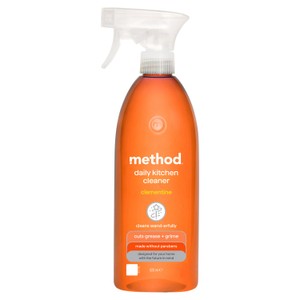
Credit: www.ocado.com
Safe Alternatives For Kitchen Cleaning
Choosing the right cleaner for your kitchen is crucial. Bathroom cleaners often contain stronger chemicals designed to tackle tough grime and bacteria specific to bathrooms. Using them in your kitchen can be risky, especially around food preparation areas.
Luckily, there are safer alternatives that effectively clean your kitchen without harsh ingredients. These options protect your health and your surfaces while keeping your kitchen fresh and sparkling.
Natural Vinegar and Baking Soda Solution
Vinegar and baking soda create a powerful, natural cleaning duo. Vinegar cuts through grease and disinfects, while baking soda scrubs away stains gently. Mixing these two can tackle everything from countertops to stovetops safely.
I once switched to this combo for my kitchen counters and noticed the surfaces stayed cleaner longer without any chemical smell. Could this simple mix replace your usual kitchen spray?
Citrus-Based Cleaners
Citrus cleaners use natural oils from lemons or oranges to break down grime. They smell fresh and are safe to use around food areas. These cleaners often come with antibacterial properties without harsh additives.
Using a lemon-based cleaner on my cutting boards gave me peace of mind, knowing it was both effective and safe. Have you tried citrus cleaners for your kitchen tasks yet?
Castile Soap for Gentle Cleaning
Castile soap is a vegetable-based soap that cleans without synthetic chemicals. It works well on dishes, counters, and even floors. Dilute it with water for a mild, versatile cleaner that's safe for your family.
Switching to castile soap helped me avoid skin irritation caused by stronger detergents. What if a gentler soap could do the job just as well in your kitchen?
Microfiber Cloths with Warm Water
Sometimes, all you need is a good scrub with a microfiber cloth and warm water. These cloths trap dirt and bacteria without the need for chemicals. They’re reusable, saving money and reducing waste.
After using microfiber cloths regularly, I noticed less residue and streaks on my kitchen surfaces. Could this simple change make your cleaning routine easier and healthier?
Best Practices For Cleaning Kitchen Surfaces
Keeping your kitchen surfaces clean is essential for both hygiene and appearance. Using the right cleaning products and techniques ensures you remove germs and stains without damaging your countertops or appliances. Have you ever wondered if a bathroom cleaner can safely tackle kitchen messes? Understanding the best practices for cleaning kitchen surfaces can help you decide whether products like Method Bathroom Cleaner are suitable for your kitchen.
Choosing The Right Cleaner For Different Kitchen Surfaces
Not all kitchen surfaces are created equal. Granite, stainless steel, laminate, and wood require different care. For example, abrasive cleaners can scratch granite or dull stainless steel finishes.
Bathroom cleaners often contain stronger chemicals meant for soap scum and mold, which might be too harsh for delicate kitchen surfaces. Always check the label for surface compatibility before applying any cleaner.
How To Safely Use Multi-purpose Cleaners In The Kitchen
If you decide to use a bathroom cleaner like Method Bathroom Cleaner in your kitchen, test it on a small, hidden spot first. This helps you see if it causes discoloration or damage.
Make sure to rinse the surface thoroughly after cleaning to remove any residue. Residue buildup can attract dirt or affect food safety if left behind.
Effective Cleaning Techniques For Kitchen Surfaces
Use a soft cloth or sponge instead of abrasive scrubbers to avoid scratching. Wiping in circular motions lifts dirt more effectively without damaging surfaces.
For greasy areas, warm water combined with a mild detergent often works well. You might not need a heavy-duty bathroom cleaner for everyday kitchen grease.
Maintaining Hygiene While Cleaning
Kitchen surfaces come into contact with food, so hygiene is crucial. Use cleaners that kill bacteria and viruses without leaving harmful residues.
Consider using separate cloths for different areas to avoid cross-contamination. For example, keep one cloth for countertops and another for stove tops.
When To Avoid Using Bathroom Cleaners In The Kitchen
Some bathroom cleaners contain bleach or strong acids, which can damage kitchen surfaces or create unsafe fumes. Avoid using these on food preparation areas.
Also, if anyone in your household has allergies or sensitivities, stronger bathroom cleaners might trigger reactions in a kitchen environment.
Frequently Asked Questions
Can Method Bathroom Cleaner Be Used On Kitchen Surfaces?
Yes, Method Bathroom Cleaner can be used on some kitchen surfaces. However, always check the label for surface compatibility and avoid porous materials.
Is Method Bathroom Cleaner Safe For Kitchen Counters?
Method Bathroom Cleaner is generally safe for non-porous kitchen counters like granite or quartz. Test a small area first to avoid damage.
Will Method Bathroom Cleaner Remove Kitchen Grease?
Method Bathroom Cleaner is designed mainly for bathroom grime, so it may not be as effective on heavy kitchen grease compared to kitchen-specific cleaners.
Can Method Bathroom Cleaner Disinfect Kitchen Areas?
Method Bathroom Cleaner has cleaning properties but is not a registered disinfectant. Use a disinfectant cleaner for proper kitchen sanitation.
Conclusion
Method Bathroom Cleaner is designed for bathroom surfaces, not kitchens. It may not work well on kitchen stains or grease. Using the right cleaner keeps your kitchen safe and clean. Stick to kitchen cleaners made for food areas. Avoid mixing cleaners to protect your health.
Clean your kitchen often for best results. Choose products that suit each space for better hygiene. Keep your home fresh and safe with simple steps.