
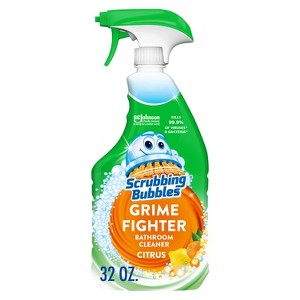
Are you wondering if Scrubbing Bubbles Bathroom Cleaner is safe and effective to use in your kitchen? You’re not alone.
Many people want a quick and powerful way to tackle kitchen messes but hesitate because they’re unsure if a bathroom cleaner can do the job without causing harm. You’ll discover what Scrubbing Bubbles Bathroom Cleaner is designed for, whether it’s a good fit for your kitchen surfaces, and what you should watch out for before spraying it around your food prep areas.
Keep reading to make sure you’re cleaning smart and keeping your home safe.

Credit: www.amazon.com
Scrubbing Bubbles Cleaner Basics
Understanding the basics of Scrubbing Bubbles Bathroom Cleaner helps you decide if it fits your kitchen cleaning needs. This product is designed with specific ingredients and purposes in mind. Knowing these details can prevent unwanted damage or ineffective cleaning in your kitchen.
Key Ingredients
Scrubbing Bubbles Bathroom Cleaner contains active ingredients like surfactants and disinfectants. Surfactants break down soap scum and grease, making cleaning easier. Disinfectants kill bacteria and germs, ensuring a hygienic surface.
It also includes mild abrasives that help scrub away tough stains without scratching surfaces. However, these ingredients are balanced for bathroom use, where grime and mold are common. You might wonder if these components are gentle enough for kitchen surfaces like countertops and appliances.
Intended Uses
The cleaner is mainly formulated for bathroom surfaces such as tubs, tiles, sinks, and toilets. It excels at removing soap scum, hard water deposits, and mildew stains. These tasks require strong yet non-damaging formulas.
In the kitchen, you face different challenges—grease, food residue, and sometimes delicate finishes. Using a bathroom cleaner here may not target those effectively or could leave residues unsafe for food areas. Do you want a cleaner that’s designed specifically for kitchen grime and safe around food prep zones?

Credit: www.amazon.com
Using Bathroom Cleaner In Kitchen
Using bathroom cleaners in the kitchen is a question many ask. These cleaners target tough bathroom grime. Kitchens have different surfaces and types of dirt. Understanding how bathroom cleaners work on kitchen surfaces is important before using them.
Effectiveness On Kitchen Surfaces
Bathroom cleaners like Scrubbing Bubbles remove soap scum and hard water stains. Kitchen surfaces have grease, food residue, and bacteria. These cleaners can handle some kitchen messes but may not be best for all.
- Good for cleaning sinks and tiled backsplashes.
- Works on some countertops but test in a small area first.
- Not ideal for wood or delicate surfaces.
- Can remove tough stains but may leave residue.
Using a cleaner with grease-cutting power is often better for kitchens. Bathroom cleaners focus on mineral deposits and soap buildup.
Potential Risks
Bathroom cleaners contain chemicals that can be harsh. Using them in the kitchen may pose risks.
- Harsh chemicals can damage or dull some kitchen surfaces.
- May leave residues that affect food safety.
- Strong scents can linger and mix with food odors.
- Possible skin irritation if not rinsed well.
Always read labels to check if a cleaner is safe for food areas. Proper rinsing is essential to avoid contamination.
Safety Precautions
Using Scrubbing Bubbles Bathroom Cleaner in the kitchen requires caution. Avoid contact with food surfaces and rinse thoroughly to prevent contamination. Always read the label for safe usage instructions to protect your health.
When using Scrubbing Bubbles Bathroom Cleaner in the kitchen, safety is key. Understanding and implementing safety precautions ensures effective and safe cleaning. Below are essential guidelines to follow.
Avoiding Chemical Contamination
Ensure kitchen surfaces are free from food items. Remove dishes and utensils before spraying. This prevents chemical residue on your food. After cleaning, rinse surfaces thoroughly with water. This helps remove any lingering cleaner.
Proper Ventilation
Ensure the kitchen is well-ventilated. Open windows or turn on exhaust fans. This helps disperse any fumes. Good airflow reduces the risk of inhaling chemicals. It also speeds up drying time.
Protective Gear
Wear gloves to protect your skin. Consider using a mask if you're sensitive to fumes. Protective eyewear is a good idea too. This keeps your eyes safe from splashes. Always wash hands after cleaning.
Alternative Kitchen Cleaners
Choosing the right cleaner for your kitchen is important. Kitchen surfaces need products that are safe and effective. Many people wonder about alternatives to bathroom cleaners like Scrubbing Bubbles. There are great options made just for kitchen use. These cleaners help keep your kitchen fresh and hygienic without harsh chemicals.
Natural Options
Natural kitchen cleaners use simple ingredients. They are gentle but still clean well. These options reduce chemical exposure and work well for everyday messes.
- White vinegar: Great for cutting grease and removing odors.
- Baking soda: Works well as a scrub for tough stains.
- Lemon juice: Kills bacteria and adds a fresh scent.
- Castile soap: A mild cleaner safe for most surfaces.
Mixing these ingredients creates effective cleaning solutions. For example, vinegar and water spray cleans counters easily. Baking soda with water makes a paste for scrubbing. These natural options keep kitchens clean without harsh chemicals.
Commercial Products
Commercial kitchen cleaners are designed for food areas. They often have ingredients that kill germs quickly. These products come in sprays, wipes, and gels.
- All-purpose kitchen sprays: Clean and disinfect surfaces fast.
- Degreasers: Remove tough grease on stoves and hoods.
- Disinfectant wipes: Convenient for quick cleanups.
- Surface-safe detergents: Gentle on counters but strong on dirt.
Always check labels to ensure the cleaner is safe for kitchen use. Some bathroom cleaners may have chemicals not meant for food areas. Using proper kitchen cleaners helps keep your cooking space safe and hygienic.
Cleaning Tips For Kitchen Hygiene
Maintaining kitchen hygiene is vital for a healthy home. A clean kitchen reduces germs and prevents illness. Effective cleaning keeps food safe and surfaces spotless. Here are key tips to keep your kitchen hygienic and safe.
Disinfecting Food Contact Areas
Food contact surfaces need extra care. Clean these areas thoroughly to avoid contamination. Use a disinfectant that is safe for kitchen use. Follow these steps for effective cleaning:
- Clear the surface of any food debris.
- Apply a suitable disinfectant spray or wipe.
- Let it sit for the recommended time to kill germs.
- Rinse with water if the product requires it.
- Dry the surface with a clean cloth or air dry.
Always check the label to ensure the cleaner is safe for food contact surfaces. Avoid harsh chemicals that may leave harmful residues.
Safe Cleaning Practices
Safety is key in kitchen cleaning routines. Wear gloves to protect your skin. Keep cleaning products away from food and utensils. Store chemicals out of reach of children. Never mix different cleaning products as it can cause dangerous fumes.
Ventilate the kitchen by opening windows or using a fan. Use separate cloths for dishes and surfaces to prevent cross-contamination. Wash cloths and sponges regularly. Replace sponges often to avoid bacteria build-up.

Credit: www.amazon.com
Frequently Asked Questions
Can Scrubbing Bubbles Cleaner Be Used On Kitchen Surfaces?
Yes, Scrubbing Bubbles Bathroom Cleaner can be used on some kitchen surfaces. Avoid porous materials and food contact areas. Always read the label and test on a small area first.
Is Scrubbing Bubbles Safe For Kitchen Countertops?
Scrubbing Bubbles is generally safe for sealed countertops but avoid using it on natural stone. It may damage granite or marble. Use a kitchen-specific cleaner for delicate surfaces.
Will Scrubbing Bubbles Remove Kitchen Grease Effectively?
Scrubbing Bubbles is designed for bathroom grime and may not remove heavy kitchen grease well. For tough grease, use a degreaser made for kitchen use for better results.
Can Scrubbing Bubbles Cleaner Disinfect Kitchen Areas?
Scrubbing Bubbles contains disinfecting agents but is not EPA-registered for kitchen sanitizing. Use kitchen-approved disinfectants for food prep areas to ensure safety and effectiveness.
Conclusion
Scrubbing Bubbles works best in bathrooms because of its strong formula. Using it in the kitchen may not be safe for food areas. Always check product labels before trying new cleaning spots. Stick to cleaners made specifically for kitchen use.
Keep your kitchen clean but choose the right products. Safe cleaning helps protect your family’s health. Cleaning smart keeps your home fresh and safe. Choose wisely to avoid unwanted problems.