

Are you wondering if it’s safe to wash your kitchen knives in the dishwasher? You’re not alone.
Many people think tossing knives in the dishwasher saves time and effort. But could this simple choice damage your knives or even pose a safety risk? You’ll discover the truth about dishwasher cleaning and learn the best way to keep your knives sharp and lasting longer.
Keep reading—your knives will thank you.

Credit: food52.com
Dishwasher Impact On Knife Blades
Using a dishwasher to clean your kitchen knives might seem convenient, but it can have a significant impact on the blades. The harsh environment inside a dishwasher can affect the sharpness and longevity of your knives. Understanding these effects helps you decide the best way to care for your blades.
Blade Dulling Risks
Dishwashers often cause knives to lose their sharp edge faster than hand washing does. The strong water jets and rubbing against other utensils can chip or dull the blade.
Have you noticed your knives not cutting as smoothly after dishwasher cycles? That’s because the constant banging and scraping dull the edge.
Protect your knife’s precision by avoiding the dishwasher or using a designated knife holder to minimize contact with other items.
Corrosion And Rust Issues
Moisture and heat in dishwashers can lead to corrosion on your knife blades, especially if they are made from high-carbon steel. The protective coatings or finishes may wear off, making the blade vulnerable to rust.
Even stainless steel knives aren’t completely safe; prolonged exposure to dishwasher detergents and steam can cause discoloration or pitting.
Do you want your knives to stay rust-free and look brand new? Drying them immediately after washing and avoiding the dishwasher can make a big difference.
Credit: www.victorinox.com
Handle Material Considerations
Choosing the right way to clean your kitchen knives depends heavily on the handle material. Different materials react differently to dishwasher conditions. Understanding these reactions helps protect your investment and keeps your knives reliable for longer.
Wood Vs Plastic Handles
Wood handles look beautiful and feel comfortable in your hand, but they don’t like water. Prolonged exposure to moisture in a dishwasher can cause wood to crack, swell, or even warp. This damage not only ruins the handle but can also loosen the blade attachment, making your knife unsafe to use.
Plastic handles, on the other hand, handle water much better. They resist moisture and won’t swell or crack like wood. However, not all plastics are created equal. Some cheaper plastics may become brittle or discolor after repeated dishwasher cycles.
Have you noticed your wooden-handled knife developing small cracks after dishwashing? That’s a clear sign it’s time to hand wash those knives to preserve their quality.
Effects Of Heat And Water
The dishwasher’s high heat and intense water jets can be harsh on knife handles. Heat can weaken glue bonds in handles, especially in composite or laminated materials, causing them to separate over time. Water pressure can push water into tiny cracks or seams, accelerating damage.
Wood handles often suffer from repeated cycles of heat and moisture, which dry out the wood and strip away protective finishes. Plastic handles might warp or melt if exposed to very high temperatures inside some dishwashers.
- Consider the handle’s resistance to both heat and water before placing knives in the dishwasher.
- Remember, even dishwasher-safe handles can degrade faster with frequent dishwasher use.
- When in doubt, hand washing your knives is the safest bet to maintain handle integrity.
How much do you value the look and feel of your knife handles? Protecting their material should influence how you choose to clean them.
Safety Concerns In Dishwashers
Washing kitchen knives in the dishwasher raises safety concerns. Improper handling can lead to accidents. Understanding these risks helps maintain a safe kitchen environment. Let's explore the potential dangers and how to address them effectively.
Potential For Injury
Dishwashers can pose injury risks from sharp knives. Blades can shift during cycles. This makes unloading dangerous. Reaching into the dishwasher carelessly can result in cuts. Always exercise caution.
Proper Placement Tips
Place knives with handles up in the dishwasher. This reduces the risk of cuts. Separate sharp knives from other utensils. Use the top rack if possible. It’s safer for both knives and hands.
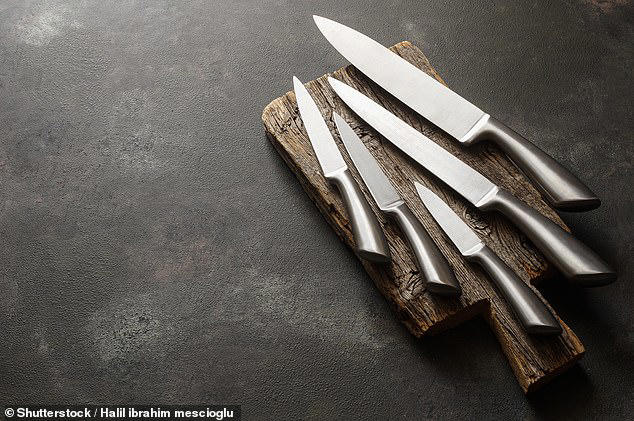
Credit: www.msn.com
Expert Washing Recommendations
Proper care keeps kitchen knives sharp and safe. Experts suggest careful washing methods to extend knife life and maintain performance. Using the right techniques protects blades from damage and prevents rust.
Following expert washing tips ensures your knives stay in top condition. Clean knives not only perform better but also last longer. Avoid harsh cleaning methods that can dull or damage blades.
Hand Washing Best Practices
- Use warm water and mild dish soap for gentle cleaning.
- Wash knives separately to avoid contact with other utensils.
- Clean from the handle to the tip, avoiding scrubbing the blade edge harshly.
- Use a soft sponge or cloth to prevent scratching the blade.
- Rinse thoroughly to remove soap residue.
- Never leave knives soaking in water as it causes rust.
Drying And Storage Tips
- Dry knives immediately with a clean, dry towel to prevent water spots.
- Store knives in a knife block, magnetic strip, or blade guards.
- Avoid placing knives loosely in drawers to protect edges.
- Keep knives in a dry place to prevent moisture buildup.
- Regularly inspect knives for rust or damage and address issues promptly.
When Dishwasher Use Is Acceptable
Knowing when it’s okay to wash your kitchen knives in the dishwasher can save you time without ruining your blades. Not all knives are created equal, and some can handle dishwasher cycles better than others. Understanding which knives and guidelines make dishwasher use acceptable helps you protect your investment while keeping cleaning convenient.
Knife Types Suitable For Dishwashers
Certain kitchen knives are designed with dishwasher use in mind. Stainless steel knives with full tang construction often hold up well because they resist rust and corrosion.
However, knives with wooden handles or delicate blades usually don’t fare well in dishwashers. Heat and harsh detergents can warp handles and dull sharp edges quickly.
- Stainless steel blades without wooden or composite handles
- Knives labeled as dishwasher safe by their manufacturer
- Basic utility knives rather than high-end chef’s knives
Ask yourself: does your knife have a handle or blade material that can withstand heat and moisture? If not, it’s better to hand wash.
Manufacturer Guidelines
Always check what the maker says about cleaning your knife. Many manufacturers provide specific instructions on whether their knives can go in the dishwasher.
Following these guidelines can prevent damage and maintain your knife’s warranty. Some brands explicitly warn against dishwasher use to protect the blade and handle.
- Look for dishwasher safe labels on packaging or manuals
- Visit the manufacturer’s website for care recommendations
- Contact customer service if you’re unsure about your knife model
Have you ever ignored care instructions and regretted it? Trusting the manufacturer’s advice can save your knives and avoid costly replacements.
Alternatives To Dishwasher Cleaning
Washing kitchen knives in the dishwasher can damage both the blades and handles. Many prefer safer cleaning and care options. These alternatives protect your knives and keep them sharp longer. Proper care also extends the knife’s life and performance.
Using Knife Sharpeners
Knife sharpeners help maintain the blade’s edge. They come in many forms, such as handheld, electric, and sharpening stones. Regular sharpening keeps knives effective and safe to use. Using a sharpener is quick and simple. It restores the blade and removes dullness from daily use. Always follow the sharpener’s instructions for the best results.
Regular Maintenance Routines
Good knife care means more than just sharpening. Wipe knives clean immediately after use with a damp cloth. Dry them thoroughly to prevent rust. Store knives in a block or magnetic strip to avoid damage. Avoid soaking knives in water for long periods. Regular maintenance keeps knives safe and ready for cooking. A simple routine protects your investment and improves kitchen safety.
Frequently Asked Questions
Can Dishwasher Damage Kitchen Knives?
Yes, dishwashers can damage knives by dulling blades and causing rust or corrosion due to harsh detergents and heat.
Is Hand Washing Better For Kitchen Knives?
Hand washing is safer for knives, preserving sharpness and preventing damage from dishwasher heat and detergent.
How To Properly Clean Kitchen Knives?
Use warm water, mild soap, and a soft sponge. Dry immediately to avoid rust and maintain sharpness.
Can Dishwasher Cause Rust On Knives?
Dishwashers can cause rust due to prolonged exposure to water and detergent, especially on high-carbon steel knives.
Conclusion
Washing kitchen knives in the dishwasher can cause damage. The high heat and strong water jets dull blades quickly. Hand washing keeps knives sharp and lasts longer. Use warm water, mild soap, and a soft sponge. Dry knives immediately to avoid rust and stains.
Taking care of knives this way saves money and effort. Sharp knives make cooking safer and easier. Choose the cleaning method that protects your tools best. Your kitchen knives deserve gentle care every time.