
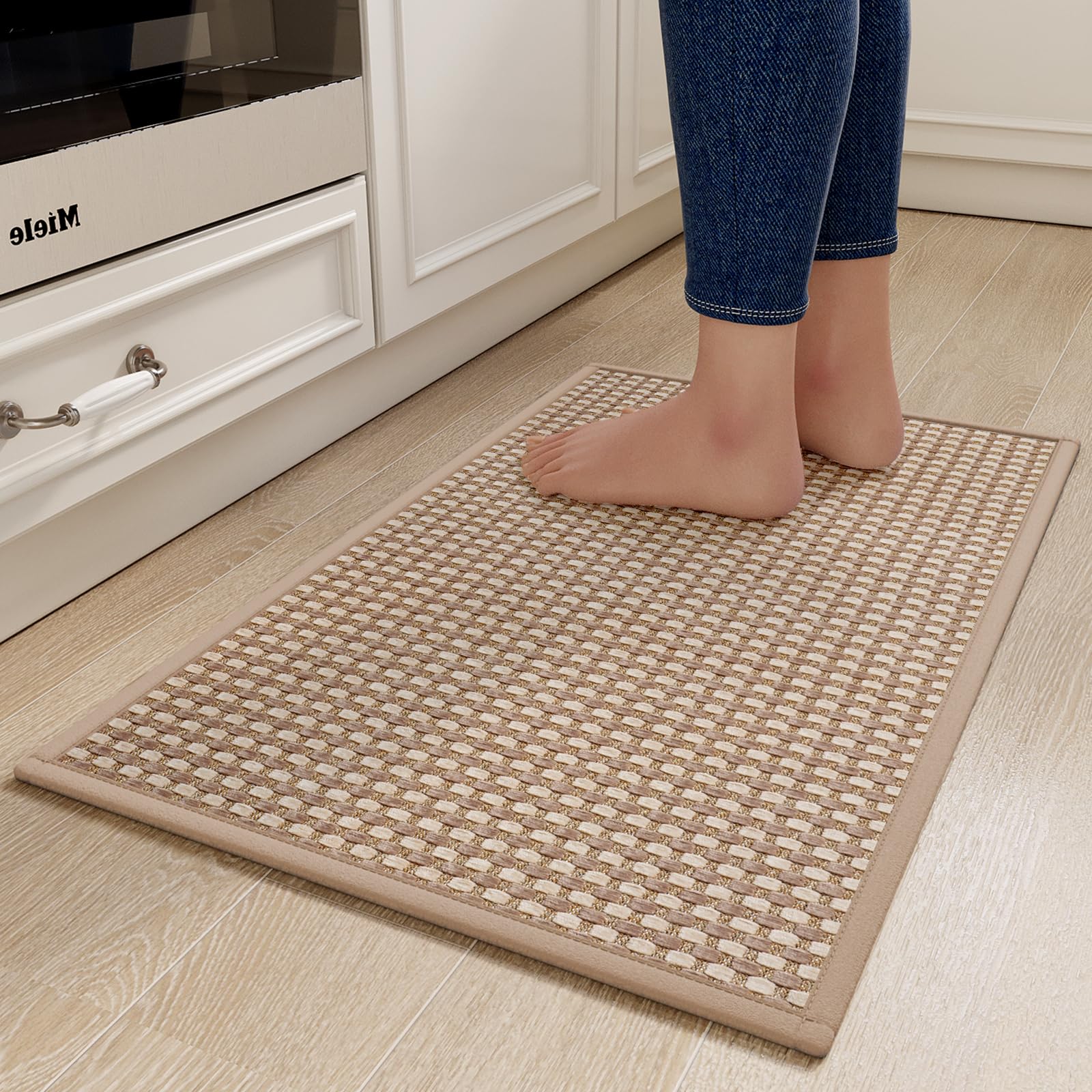
Have you ever wondered if you can wash your kitchen mats without ruining them? These mats catch spills, crumbs, and dirt every day, making your kitchen safer and more comfortable.
But over time, they get dirty and smelly. You might be asking yourself: How do I clean them properly? Can I toss them in the washing machine? Or do they need special care? If you want your kitchen mats to stay fresh and last longer, keep reading.
We’ll reveal simple, effective ways to clean your mats and keep your kitchen looking its best.
Types Of Kitchen Mats
Kitchen mats come in various types, each designed to suit different needs and preferences. Choosing the right mat affects not only comfort but also cleanliness and durability. Understanding the common types helps you decide which one fits your kitchen lifestyle best.
Rubber Mats
Rubber mats offer excellent grip and durability. They are water-resistant, making spills easy to clean up without worrying about damage. If you often cook or wash dishes, a rubber mat can prevent slips and stay in place.
One thing to watch out for is that rubber mats can sometimes have a strong smell when new. Letting them air out before placing in your kitchen can solve this issue. Have you ever slipped on a wet kitchen floor? A rubber mat might be the solution you need.
Fabric Mats
Fabric mats bring softness and style to your kitchen floor. They often come in various patterns and colors, adding a personal touch. These mats usually need more frequent washing to keep them fresh and clean.
Fabric mats are great if you want a cozy feel underfoot, especially during long cooking sessions. However, they can absorb spills and stains if not cleaned promptly. Do you prefer comfort over easy cleaning?
Foam Mats
Foam mats provide cushioned support, which is perfect if you spend a lot of time standing. They reduce strain on your feet and back, making kitchen chores less tiring. Many foam mats come with anti-fatigue properties to boost comfort.
Cleaning foam mats is usually simple, but they can be prone to tearing if you drag heavy objects over them. Consider how much wear and tear your kitchen floor experiences daily. Would extra cushioning improve your cooking experience?
Coconut Fiber Mats
Coconut fiber mats are natural and eco-friendly. They are durable and provide good traction, helping to keep your kitchen safe. These mats dry quickly and resist mold, which is ideal for areas prone to moisture.
They may feel rough underfoot compared to other mats, but they offer great durability and a rustic look. If you want an environmentally friendly option that lasts, coconut fiber mats are worth considering. How important is sustainability in your kitchen choices?

Credit: www.amazon.com
Why Clean Kitchen Mats Matter
Kitchen mats protect floors and provide comfort while standing. Dirt, spills, and crumbs collect on mats daily. Cleaning mats keeps your kitchen fresh and safe. It also helps maintain the mat’s quality and looks. Understanding why clean kitchen mats matter improves your kitchen’s overall hygiene and appeal.
Hygiene And Safety
Dirty mats hold bacteria and germs. These can spread to other kitchen surfaces. Clean mats reduce the risk of illness. They also prevent slippery spots caused by grease or spills. A clean mat keeps your kitchen safer for everyone.
Extending Mat Lifespan
Dirt and grime wear down mats quickly. Regular cleaning removes harmful particles. This prevents mat fibers from breaking down. Clean mats stay strong and last longer. You save money by avoiding frequent replacements.
Improving Kitchen Appearance
A clean mat makes your kitchen look neat. It removes stains and unpleasant odors. Bright, fresh mats create a welcoming space. This small change boosts your kitchen’s overall look.
Quick Cleaning Methods
Kitchen mats can be washed to keep them fresh and clean. Use gentle soap and cold water for the best results. Air drying helps maintain their shape and quality.
Cleaning kitchen mats doesn't have to be a daunting task. With the right methods, you can keep your mats fresh and hygienic. Here are some quick cleaning techniques that make the process easy and effective.
Vacuuming And Shaking
Start by vacuuming your kitchen mats. This removes dust and debris. Use a handheld vacuum for better control. For deeper cleaning, take the mat outside. Shake it vigorously to dislodge trapped dirt. This simple step keeps your mats looking fresh.
Spot Cleaning Stains
Tackle stains immediately to prevent them from setting. Use a clean cloth dampened with soapy water. Gently blot the stain, avoiding rubbing. Rinse with a damp cloth to remove soap residue. This method ensures your mats remain stain-free and presentable.
Using Baking Soda
Baking soda is a powerful deodorizer. Sprinkle it generously over the mat's surface. Let it sit for 15 minutes to absorb odors. Vacuum the mat thoroughly to remove the baking soda. This leaves your kitchen mats smelling fresh and clean.

Credit: www.amazon.com
Machine Washing Guidelines
Machine washing your kitchen mats can be a quick way to keep them fresh and clean. However, not every mat is designed to handle the washing machine’s power. Understanding the right approach can save your mat from damage and extend its life.
Checking Mat Labels
Before tossing your kitchen mat into the washer, always check the care label. It holds essential information about whether your mat can be machine washed or needs special care. Some mats may require hand washing or spot cleaning only.
If the label is missing or unclear, think about the mat’s material. Rubber-backed mats often can't go in the washing machine as the backing may peel off or crack. Fabric mats like cotton or microfiber usually handle machine washing well.
Suitable Washing Machines
Not all washing machines are equally suitable for cleaning kitchen mats. Front-loading machines are gentler on fabrics because they don’t have a central agitator. This reduces the risk of damaging the mat’s fibers or backing.
If you only have a top-loader, choose a gentle cycle and avoid high spin speeds. Also, consider washing the mat alone or with similar heavy items to prevent wear and tear. Do you notice your mats losing shape after washing? Your machine type might be the reason.
Detergent And Water Temperature
Use mild detergent to protect the fibers and colors of your kitchen mat. Harsh chemicals or bleach can weaken the material and cause fading. Always avoid fabric softeners, which can leave residues that make mats slippery.
Water temperature matters too. Cold or lukewarm water is best for most mats because hot water can shrink or deform them. If your mat is heavily soiled, pre-treat stains with a gentle cleaner before washing.
Hand Washing Tips
Hand washing kitchen mats is a gentle way to clean them thoroughly. This method helps protect the mat’s material and extend its life. Follow these simple tips to get your kitchen mat fresh and clean without damage.
Preparing Cleaning Solution
Fill a large basin or tub with warm water. Add a mild detergent or dish soap. Stir the water to mix the soap evenly. Avoid using harsh chemicals that can ruin the mat’s fabric. Use just enough soap to create light suds.
Scrubbing Techniques
Dip a soft-bristle brush or sponge into the soapy water. Gently scrub the mat’s surface in circular motions. Focus on stained or dirty spots for better cleaning. Avoid scrubbing too hard to prevent damage. Clean both sides of the mat for best results.
Rinsing And Drying
Rinse the mat thoroughly with clean water to remove all soap. Shake off excess water to speed up drying. Lay the mat flat or hang it in a well-ventilated area. Avoid direct sunlight to prevent fading or warping. Let it dry completely before using again.
Drying And Maintaining Mats
Proper drying and maintenance keep kitchen mats fresh and lasting longer. Wet mats can trap dirt and moisture, leading to bad smells and damage. Follow simple drying and care tips to keep your mats clean and safe.
Air Drying Methods
After washing, hang kitchen mats in open air for best drying. Use a clothesline or lay them flat outside. Avoid direct sunlight for long hours to prevent colors from fading. Indoor drying works well in a room with good airflow.
- Hang mats over a railing or shower rod.
- Lay mats flat on a clean surface to dry evenly.
- Turn mats occasionally to speed up drying.
Avoiding Mold And Mildew
Keep mats dry to stop mold and mildew growth. Dry mats quickly after washing or spills. Store mats in dry places away from damp floors. Use fans or dehumidifiers in humid areas to reduce moisture.
- Check mats regularly for damp spots.
- Do not leave wet mats folded or crumpled.
- Clean mats often to prevent bacteria buildup.
Regular Maintenance Schedule
Clean mats frequently to maintain hygiene and appearance. Shake out mats daily to remove crumbs and dirt. Vacuum mats weekly to keep fibers clear. Wash mats every one to two weeks depending on use. Replace mats when they show signs of wear.
| Maintenance Task | Frequency |
|---|---|
| Shake out dust and crumbs | Daily |
| Vacuum mats | Weekly |
| Wash mats | Every 1-2 weeks |
| Inspect for damage | Monthly |
When To Replace Kitchen Mats
Knowing when to replace kitchen mats helps keep your kitchen safe and clean. Kitchen mats face constant use and can wear out over time. Replacing them at the right time prevents slips and maintains hygiene.
Signs Of Wear And Tear
Look for cracks, holes, or frayed edges on your kitchen mat. Mats that no longer lie flat or have lost their grip can cause accidents. Fading colors and stains that won’t come out also show it’s time for a new mat.
Health Concerns
Kitchen mats can trap dirt, grease, and bacteria. Old mats may harbor mold or allergens, which affect your health. If cleaning does not remove bad smells or stains, replace the mat to keep your kitchen safe.
Choosing A New Mat
Select mats made from easy-to-clean materials like rubber or vinyl. Look for non-slip backing to prevent falls. Choose sizes that fit your kitchen space well and provide enough cushioning for comfort.

Credit: www.vmathome.com
Frequently Asked Questions
Can You Machine Wash Kitchen Mats Safely?
Yes, many kitchen mats are machine washable. Check the care label first. Use gentle cycles and mild detergent to avoid damage.
How Often Should You Wash Kitchen Mats?
Wash kitchen mats every 1-2 weeks. Frequent washing removes dirt, grease, and bacteria, keeping your kitchen hygienic and fresh.
Can All Kitchen Mats Be Washed With Water?
Not all mats are water-safe. Rubber-backed or delicate materials need spot cleaning. Always read manufacturer instructions before washing.
What’s The Best Way To Dry Kitchen Mats?
Air-dry kitchen mats flat or hang them. Avoid direct sunlight or high heat to prevent warping or shrinking.
Conclusion
Washing kitchen mats keeps your space clean and fresh. Dirt and spills can hide in mats easily. Regular washing stops germs from growing. Some mats are machine washable, others need hand cleaning. Always check the care label before washing. Clean mats last longer and look better.
A simple wash can improve your kitchen’s hygiene. Don’t forget to dry mats completely before use. Clean mats help keep your floors safe and dry. Make washing kitchen mats a part of your routine. It’s a small step with big benefits.