
Have you ever wondered if your dishwasher can do more than just clean your dishes? What if you could save time and effort by washing your kitchen towels right alongside your plates and glasses?
You might be surprised to learn whether this quick hack really works or if it could cause more harm than good. Keep reading to find out if you can trust your dishwasher to freshen up your kitchen towels and how to do it safely.
This simple tip could change the way you handle kitchen cleanup forever.
Dishwasher And Kitchen Towels
Washing kitchen towels in the dishwasher might seem unusual. Yet, some people try it to save time. Understanding how dishwashers affect towels is key. This helps decide if it is a good idea for your towels.
Material Compatibility
Kitchen towels come in various fabrics. Cotton towels handle heat and water well. Synthetic towels may melt or lose shape in the dishwasher. Towels with special coatings or embroidery can get damaged. Always check the towel’s label for washing instructions. Using the dishwasher on wrong materials can ruin towels quickly.
Heat And Detergent Effects
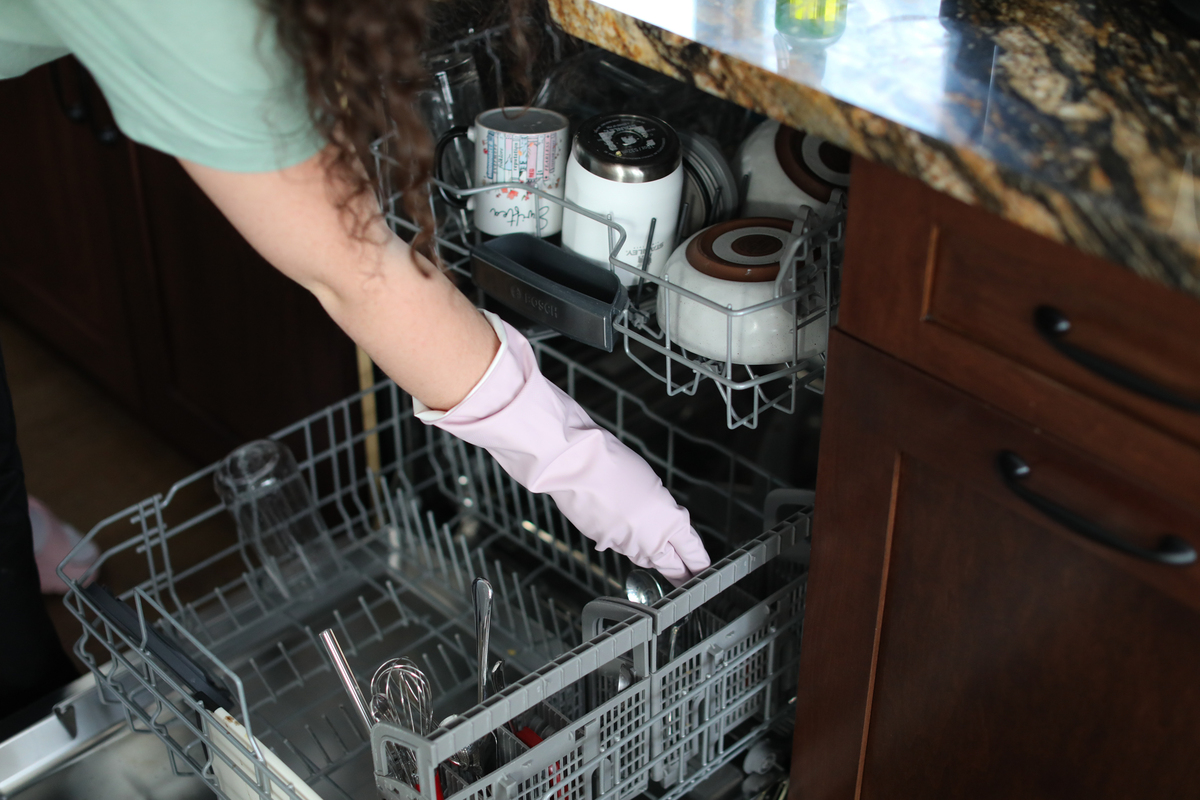
Dishwashers use hot water and strong detergents. Hot water can shrink or weaken some towel fabrics. Dishwasher detergent is harsher than laundry detergent. It may fade colors or break down fibers. Towels might not get fully cleaned because of dishwasher spray patterns. The heat and detergent may reduce towel softness over time.
Credit: www.housework.com
Pros Of Using Dishwasher
Using a dishwasher to clean your kitchen towels might sound unusual, but it offers some clear benefits worth considering. It’s not just about getting them clean; it’s about how efficiently and effectively the dishwasher can handle the task. Here are some pros that might make you rethink your towel-washing routine.
Sanitizing Power
Dishwashers use high temperatures that are hard to achieve in a regular laundry cycle. This heat kills bacteria and germs lurking in your kitchen towels, leaving them truly sanitized.
Plus, many dishwashers have sanitizing cycles designed to eliminate tough pathogens. If you’ve ever worried about germs spreading from towels to your hands or dishes, this is a powerful advantage.
Convenience Factor
Using your dishwasher for towels means fewer laundry loads, saving you time and effort. You can simply place the towels in the dishwasher, start the cycle, and focus on other tasks.
Imagine not needing to wait for a full laundry load to wash a few towels. This method also reduces wear and tear from frequent washing machines, potentially extending the life of your towels.
Cons Of Using Dishwasher
Washing kitchen towels in the dishwasher might seem convenient. Yet, there are drawbacks that could affect the longevity and cleanliness of your towels. Understanding these cons can help you make an informed decision.
Potential Damage
Dishwashers are not gentle on fabrics. The intense heat can weaken towel fibers. Over time, this can lead to fraying and shrinkage.
Detergents used in dishwashers can be harsh. They may cause colors to fade quickly. Delicate towels might lose their softness.
Effectiveness Concerns
Dishwashers are designed for dishes, not textiles. They may not remove all stains from towels. Grease and food particles can linger on the fabric.
Proper rinsing is crucial for cleanliness. Dishwashers might not rinse towels thoroughly. Residue can remain, affecting absorbency and texture.

Credit: food52.com
Alternative Cleaning Methods
Cleaning kitchen towels properly is essential to keep them fresh and free from germs. While the dishwasher might seem like a quick fix, there are other effective ways to clean your towels that preserve their quality and hygiene. Let’s look at some alternative cleaning methods that you can easily try at home.
Machine Washing Tips
Use the hottest water setting that your towels can handle to kill bacteria effectively. Avoid overloading the washer so towels have enough space to get thoroughly cleaned.
Add a cup of white vinegar during the rinse cycle to remove odors and soften the fabric naturally. Skip fabric softeners—they can reduce the towel’s absorbency over time.
Hand Washing Techniques
If you don’t have access to a washing machine, hand washing can be just as effective. Start by soaking the towels in hot water mixed with a bit of detergent for at least 30 minutes.
Scrub any stained areas gently with a soft brush or your hands. Rinse thoroughly with clean water to remove all soap residues, then hang them to dry in a well-ventilated area.
Use Of Natural Cleaners
Natural cleaners like baking soda and lemon juice can boost your cleaning routine without harsh chemicals. Add half a cup of baking soda to your wash cycle to brighten and deodorize towels.
Lemon juice works well on stubborn stains—apply it directly, let it sit under sunlight for a few hours, then wash as usual. Have you tried these natural options before? They might surprise you with their effectiveness and gentleness on fabrics.
Best Practices For Kitchen Towels
Keeping kitchen towels clean and fresh is important for hygiene and kitchen safety. Following best practices helps prevent bacteria buildup and unpleasant odors. Proper care extends the life of towels and keeps your kitchen safe.
Frequency Of Washing
Wash kitchen towels often to stop germs from spreading. Towels used daily should be washed after two or three uses. Towels used for drying hands or dishes may need washing more often. If a towel smells or looks dirty, wash it immediately.
Drying And Storage
Dry towels completely after washing to stop mold and bacteria growth. Hang towels in a well-ventilated area to dry fast. Avoid leaving damp towels in a pile or laundry basket. Store clean towels in a dry, clean place to keep them fresh.
Avoiding Cross-contamination
Use different towels for dishes, hands, and cleaning spills. Never use the same towel for raw meat and other foods. Change towels after cleaning raw food surfaces. Use hot water and strong detergent to kill bacteria on towels.
Credit: ecologieliving.com
Signs Towels Need Replacement
Kitchen towels go through a lot of use every day. They dry dishes, wipe spills, and clean hands. Over time, towels lose their freshness and effectiveness. Knowing when to replace them keeps your kitchen clean and healthy. Watch for clear signs that your towels need to be swapped out.
Stains And Odors
Stains that won’t wash out signal it’s time for new towels. Grease, food, and dirt can leave marks. These stains often trap bacteria and germs. Lingering bad smells also show towels are past their prime. Even after washing, if odors remain, replacement is best.
Fabric Wear And Tear
Look closely at the towel’s fabric. Thin or rough spots mean the fibers are breaking down. Holes and frayed edges reduce the towel’s usefulness. Worn fabric absorbs less moisture and cleans poorly. Switching to fresh towels improves drying and hygiene.
Frequently Asked Questions
Can You Put Kitchen Towels In The Dishwasher?
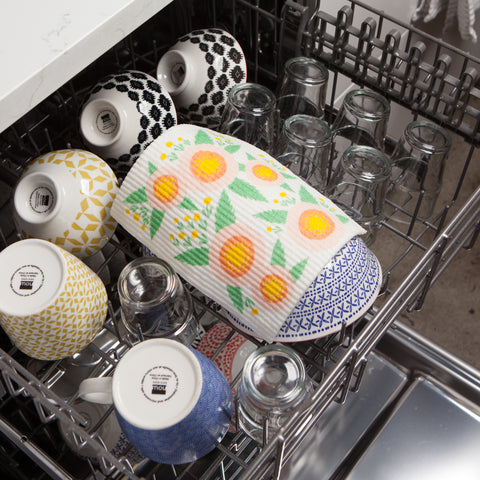
Yes, you can wash kitchen towels in the dishwasher. Use a hot water cycle and avoid detergent buildup. Place towels on the top rack to prevent damage. This method sanitizes towels but may not remove heavy stains.
Is Washing Towels In Dishwasher Hygienic?
Washing towels in the dishwasher can be hygienic due to high temperatures. It kills most bacteria and germs effectively. However, it’s best for lightly soiled towels. Regular washing machines clean towels more thoroughly for everyday use.
Will Dishwasher Damage Kitchen Towels?
Dishwashers generally do not damage kitchen towels if placed properly. Avoid overloading and use gentle cycles to prevent wear. Frequent dishwasher washing may reduce towel softness over time. For delicate fabrics, hand washing is safer.
How Often Should You Wash Kitchen Towels?
Wash kitchen towels after every 2-3 uses to maintain hygiene. Frequent washing prevents bacteria and odor buildup. Use hot water cycles for deep cleaning. Replace towels regularly if stains or smells persist despite washing.
Conclusion
Kitchen towels can be washed in a dishwasher, but with care. Choose a hot water cycle and avoid harsh detergents. Avoid washing towels with sharp objects or heavy soil. Regular washing keeps towels clean and fresh. This method saves time and energy.
Try it and see if it suits your routine. Clean towels help keep your kitchen hygienic and safe. Simple steps make washing easier and effective.