
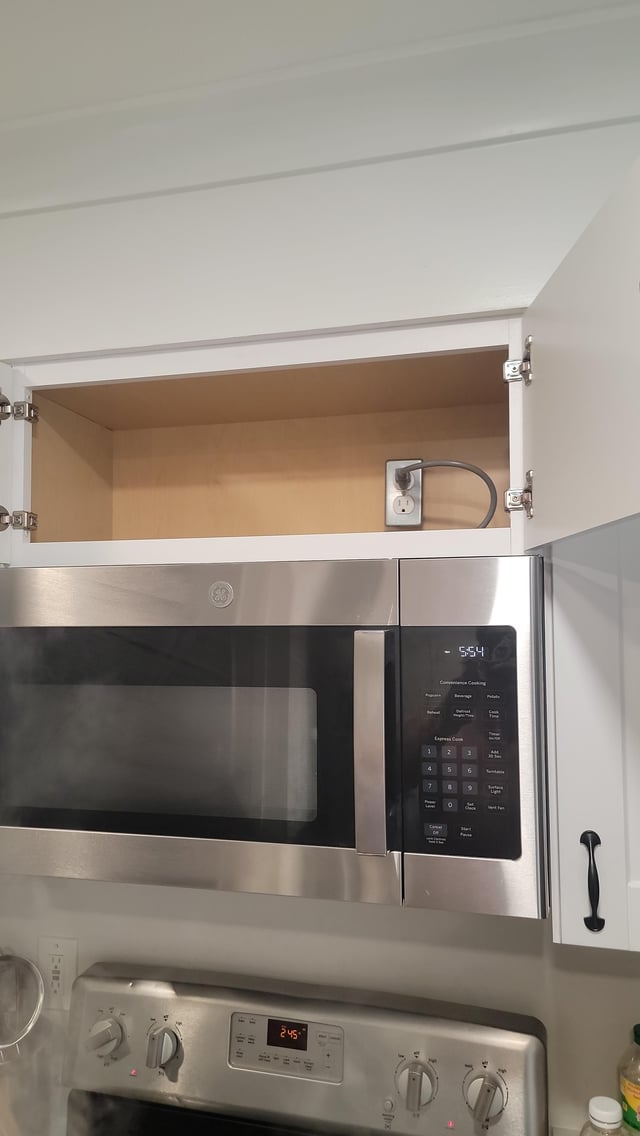
Are you wondering if all convection ovens vent into your kitchen? It’s a question that can affect how your cooking space feels and even how safe your home is.
Knowing where your oven vents can help you avoid unwanted heat, smoke, or smells lingering around. You’ll discover the truth about convection oven vents and learn what to expect for your kitchen setup. Keep reading to make sure your cooking environment stays comfortable and fresh.
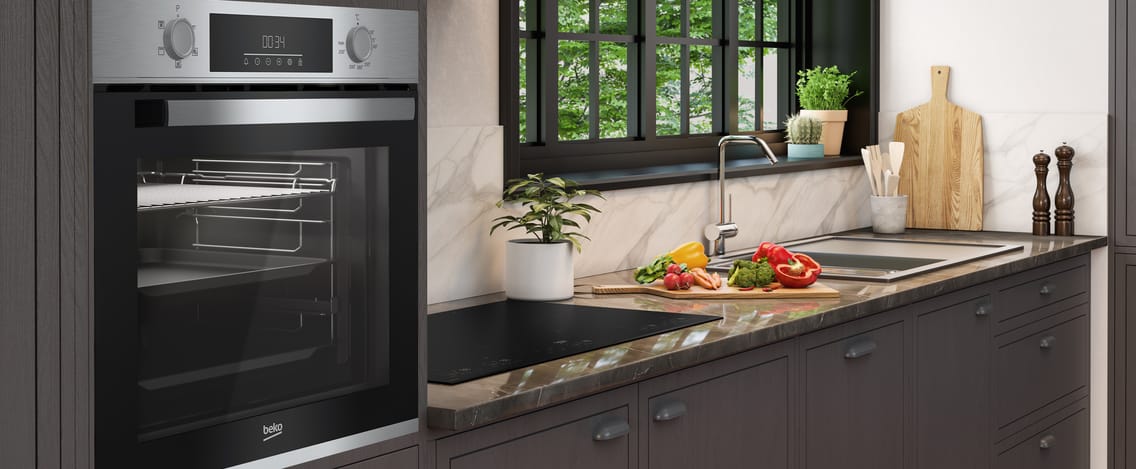
Credit: www.beko.co.uk
How Convection Ovens Work
Understanding how convection ovens work can change the way you cook and even how you set up your kitchen. These ovens are designed to cook food more evenly and quickly than traditional ovens, but the way they handle air circulation and ventilation varies. Knowing the details helps you decide if your kitchen layout supports a convection oven without unwanted heat or smells invading your space.
Basic Mechanism
Convection ovens use a fan and an exhaust system to circulate hot air around the food. This moving air transfers heat more efficiently, cooking your meals faster and often more evenly. The fan pushes the hot air, while the exhaust vents remove excess moisture and heat from inside the oven chamber.
Many people don’t realize that this continuous air movement can make a big difference in how baked goods rise or how meats brown. It’s almost like having a miniature wind tunnel inside your oven.
Role Of Ventilation
Ventilation is a key factor that affects where the hot air and steam go after circulating inside the oven. Some convection ovens vent their exhaust directly into the kitchen, while others push it outside through ductwork. This difference can impact your kitchen’s temperature and air quality.
If your oven vents into the kitchen, you might notice extra heat or even food smells lingering longer. On the other hand, venting outdoors helps keep your kitchen cooler and fresher, but it requires proper installation.
Have you ever wondered why your kitchen sometimes feels hotter when you bake? It could be because your convection oven vents inside, adding to the room’s heat load. Checking your oven’s ventilation type can help you manage your cooking environment better.
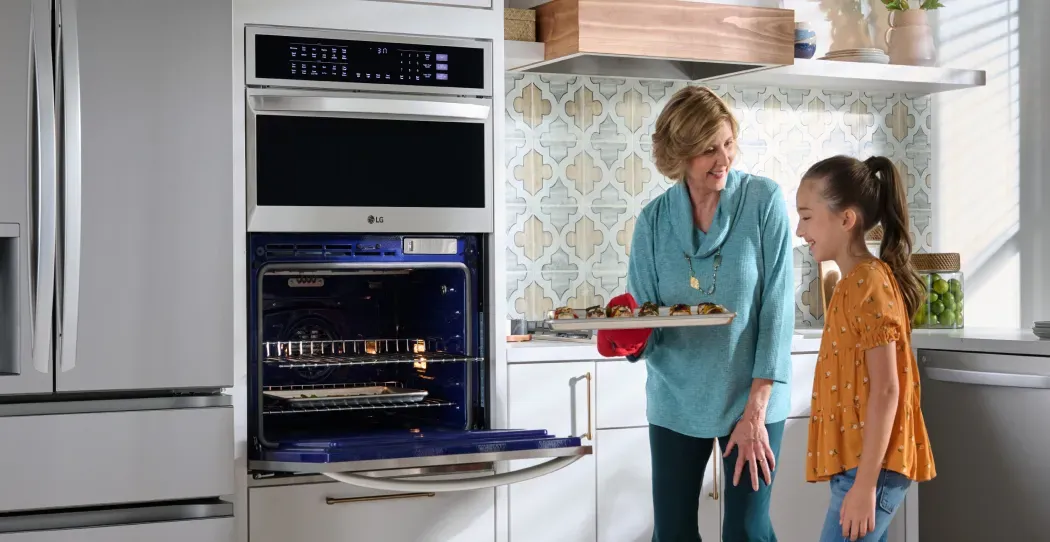
Credit: www.woodcocks.us
Types Of Convection Oven Venting
Convection ovens come with different venting systems that affect kitchen airflow. Understanding these types helps you choose the right oven for your space and cooking style. Venting also influences heat, moisture, and odor control during cooking.
Vented Ovens
Vented convection ovens release hot air and steam outside the kitchen. They connect to ducts that lead outdoors. This setup keeps your kitchen cooler and reduces moisture buildup. It also removes cooking odors effectively. Installation requires proper vent placement and professional help.
Non-vented Ovens
Non-vented convection ovens do not expel air outside. Instead, they use filters to clean the air before recirculating it back. These ovens are easier to install and work well in small kitchens. They may cause more heat and humidity inside the room. Regular filter cleaning is necessary for good performance.
Impact Of Oven Venting On Kitchen Air
The way your convection oven vents can significantly affect the air quality in your kitchen. Not all convection ovens vent the same way, and understanding this difference can help you maintain a comfortable cooking space. Let’s take a closer look at how oven venting impacts your kitchen environment.
Heat Emission
Ovens that vent directly into the kitchen release heat, which can raise the room temperature quickly. This extra heat might be welcome in winter but can make summer cooking uncomfortable. If your kitchen lacks proper ventilation, you might find yourself sweating while trying to prepare a meal.
On the other hand, ovens with external vents push heat outside, keeping your kitchen cooler. This setup can save energy by reducing the load on your air conditioner. Have you noticed how some kitchens feel warmer than others? Oven venting often plays a big role.
Moisture And Odors
Ovens that vent inside the kitchen also release moisture and cooking odors directly into the air. This can cause your kitchen to feel damp and carry lingering smells long after you’ve finished cooking. Over time, excess moisture might even lead to mold or mildew in poorly ventilated spaces.
External venting helps remove steam and odors from your kitchen, making the air fresher and more pleasant. You might appreciate this if you cook frequently or prepare foods with strong smells. Have you ever wondered why some kitchens feel stuffy after baking? It’s often due to how the oven vents.
Installation Considerations
Installing a convection oven in your kitchen can be a game-changer for your cooking experience, but it requires careful planning. Understanding the installation considerations can save you time, money, and potential headaches. Let's dive into what you need to know for a seamless installation process.
Placement And Venting Options
First, think about where you want to place your convection oven. Ideally, it should be near your cooking workspace for easy access. Ensure that there's enough space around it for ventilation.
Most convection ovens vent into the kitchen, but some models have external venting options. Check your oven's specifications to see if you need additional ductwork or if it can be installed directly out of the box. Consider your kitchen layout to decide which venting option works best for your space.
Safety Concerns
Safety is paramount when installing a convection oven. Make sure the electrical outlet is suitable for the oven's power requirements to avoid any electrical hazards.
Consider the heat generated by the oven. Ensure surrounding materials are heat-resistant to prevent damage or fire hazards. Always follow the manufacturer's installation guidelines for safe operation.
Have you ever thought about the potential smoke or odor that can be released into your kitchen? Proper venting can help minimize these issues, keeping your kitchen smelling fresh and clean.
Tips For Managing Oven Ventilation
Managing oven ventilation is key to keeping your kitchen comfortable and safe. Poor ventilation can lead to lingering odors, excessive heat, and even moisture buildup. Understanding how to control and improve airflow around your convection oven makes cooking more enjoyable and your kitchen healthier.
Using Range Hoods
Range hoods are your best friend when dealing with oven ventilation. They capture smoke, steam, and odors right at the source, preventing them from spreading throughout your kitchen.
Choosing the right hood is crucial. Look for one with a strong fan and filters that are easy to clean. If your convection oven vents into the kitchen, a powerful range hood can help remove unwanted air and keep things fresh.
Have you checked if your range hood vents outside or just recirculates air? The former is more effective, but even recirculating hoods improve air quality if you maintain their filters regularly.
Improving Kitchen Air Quality
Ventilation isn’t just about moving air; it’s about improving the air you breathe. Opening windows during and after cooking can make a big difference, especially if your oven vents directly into the room.
Consider adding an air purifier to tackle small particles and odors that ventilation might miss. Keep your kitchen clean to reduce grease buildup, which can worsen air quality.
Have you noticed how some smells linger longer than others? Addressing air quality means thinking beyond ventilation—think about humidity control and regular maintenance of appliances.
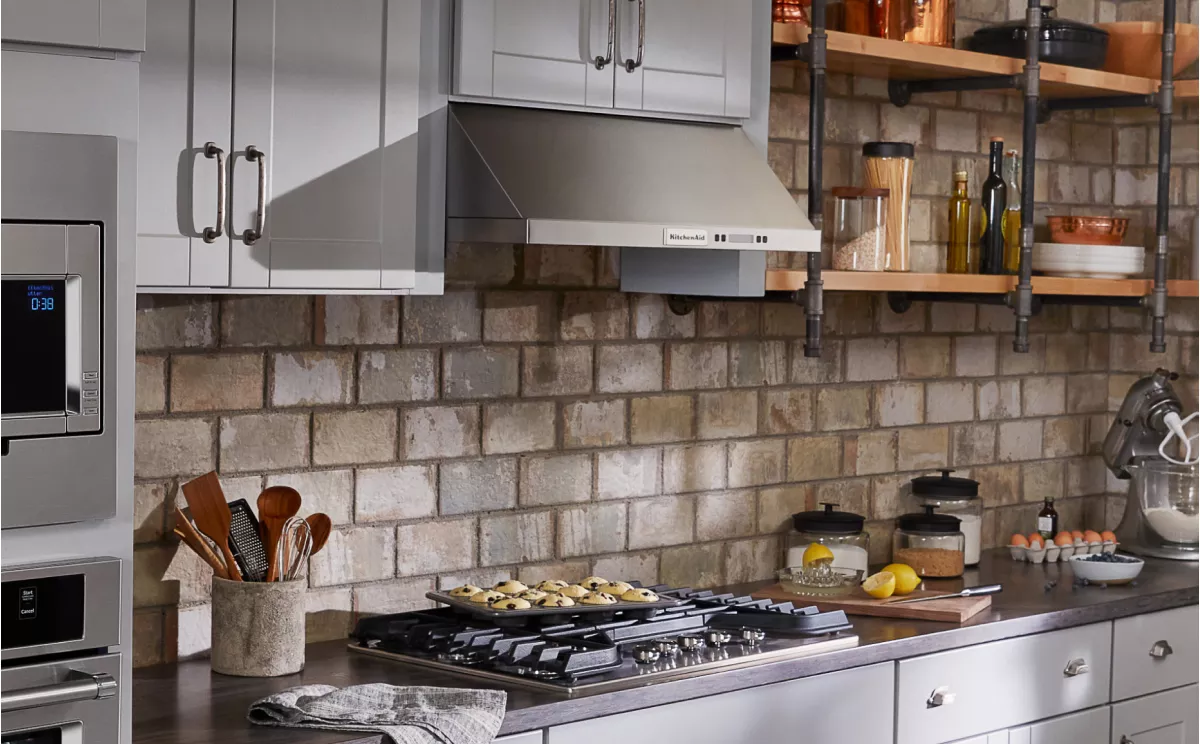
Credit: www.kitchenaid.com
Frequently Asked Questions
Do All Convection Ovens Vent Inside The Kitchen?
No, not all convection ovens vent inside the kitchen. Some models have external vents to expel heat and steam outdoors. Others recirculate air within the oven cavity. Venting depends on the oven’s design and installation requirements.
How Does Venting Affect Convection Oven Performance?
Venting helps remove excess heat and moisture from the cooking area. Proper venting improves air circulation and cooking efficiency. It also prevents humidity buildup, which can affect food texture and oven longevity.
Can A Convection Oven Be Installed Without External Venting?
Yes, many convection ovens are designed for installation without external venting. They use internal fans to circulate hot air and filter moisture. These models are ideal for kitchens where outdoor venting is not possible.
What Are The Kitchen Ventilation Options For Convection Ovens?
Kitchen ventilation options include ducted vents, recirculating vents, and no vents. Ducted vents expel air outdoors, while recirculating vents filter and return air inside. Choice depends on kitchen layout and oven type.
Conclusion
Not all convection ovens vent into the kitchen. Some models use internal vents to keep air inside. This design helps control heat and moisture better. Knowing your oven type can improve kitchen safety and comfort. Check the manual or ask the seller before buying.
Venting style affects how your kitchen smells and feels. Choose the right oven for your cooking and space needs. Simple steps make a big difference in your cooking experience.