

Are you tired of feeling achy and drained after standing in your kitchen for a long time? If you spend a lot of time cooking, washing dishes, or prepping meals, your feet and legs might be paying the price.
Anti fatigue kitchen mats promise to ease that discomfort and keep you feeling better. But do they really work? You’ll discover how these mats can make a difference, what to look for, and whether investing in one is worth it for your comfort and health.
Keep reading to find out how you can make your time in the kitchen easier on your body.
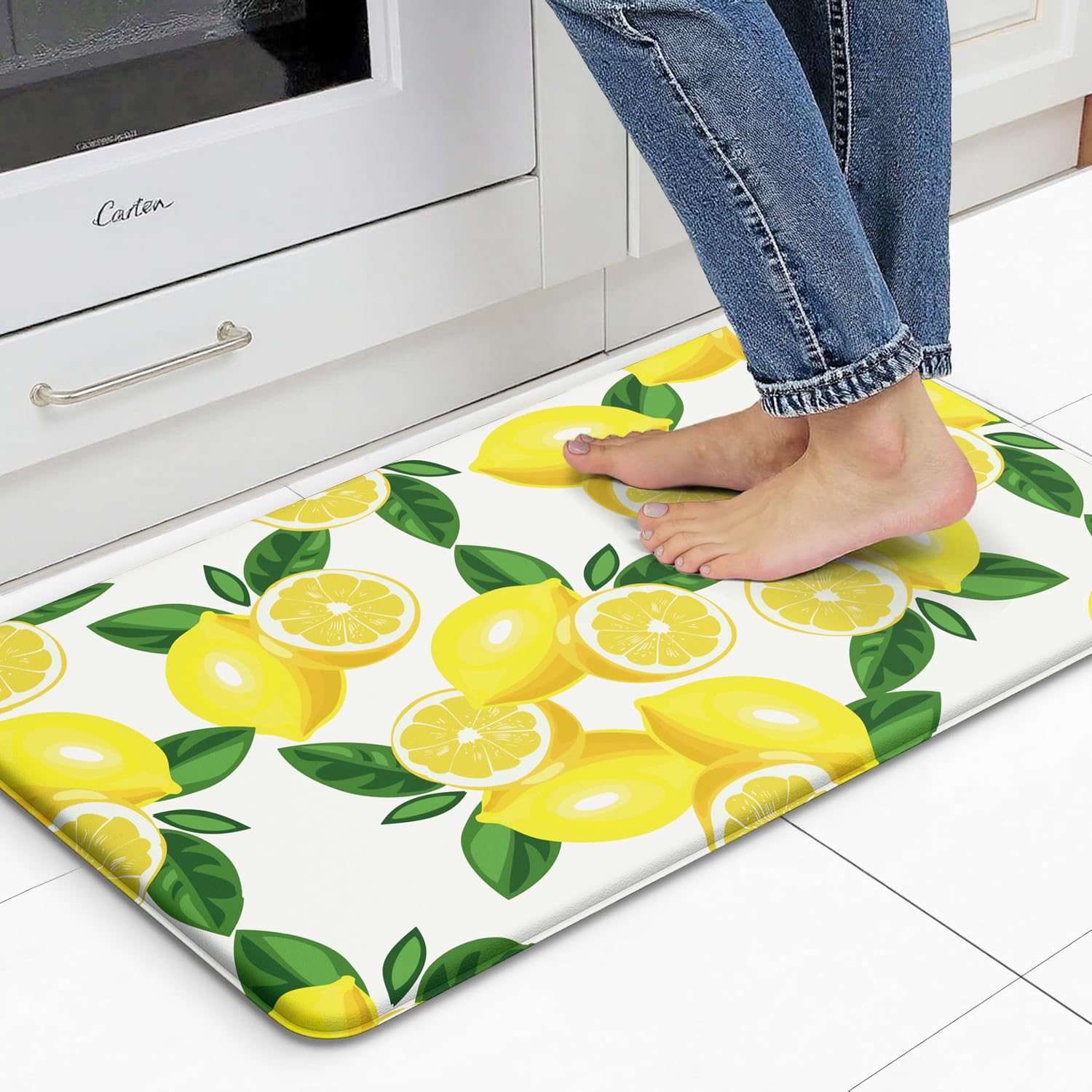
Credit: www.amazon.com
How Anti Fatigue Mats Work
Understanding how anti fatigue kitchen mats work can help you decide if they are worth adding to your cooking space. These mats are designed to reduce discomfort and tiredness when you stand for long periods. But what exactly makes them effective?
Material And Design Features
Anti fatigue mats use special materials like foam, gel, or rubber that provide cushioning under your feet. This soft surface absorbs pressure and helps distribute your weight more evenly. Some mats have textured surfaces to improve grip and prevent slipping, adding a layer of safety while you work.
The thickness and density of the mat play a key role in comfort. A thicker mat offers more support but may be less stable, while a denser mat provides firmer support without feeling too soft. You can find mats that balance these features based on your kitchen needs.
Science Behind Fatigue Reduction
Standing on hard floors causes your leg muscles to tense up constantly to keep you balanced. This leads to muscle fatigue and discomfort. Anti fatigue mats encourage subtle movements in your leg muscles, which improves blood flow and reduces muscle strain.
Think about how standing on a soft surface makes your body work slightly differently. The slight instability prompts your muscles to engage more, preventing stiffness and improving circulation. This effect can help reduce the tiredness you feel after standing for a long time.
Have you noticed how your legs feel better after standing on grass or carpet compared to hard tile? Anti fatigue mats mimic this effect, offering a practical way to ease discomfort in your kitchen.
Benefits Of Using Kitchen Mats
Using anti fatigue kitchen mats can change how you feel after long hours standing in the kitchen. These mats are designed to provide more than just a soft surface; they offer several practical benefits that can improve your daily cooking or cleaning routine. Understanding these benefits helps you decide if adding a kitchen mat is worth it for your space.
Improved Comfort During Standing
Standing on hard floors for extended periods can quickly become uncomfortable. Anti fatigue mats add a cushioned layer that reduces pressure on your feet, making standing easier on your body.
Imagine preparing dinner without feeling your feet ache by the end. Many people notice they can stand longer and focus more when their feet don’t hurt.
Reduced Joint And Muscle Strain
Have you ever felt stiffness in your knees or lower back after cooking? Anti fatigue mats help absorb the shock and reduce the strain on your joints and muscles.
This is especially helpful if you have existing joint issues or spend hours in the kitchen. The mat's support encourages subtle movements that keep your muscles engaged and less tense.
Enhanced Safety And Slip Resistance
Slippery kitchen floors can cause accidents. Anti fatigue mats often come with a non-slip backing to keep them firmly in place, which helps prevent slips and falls.
They also provide a more stable surface when handling hot pots or sharp knives. Safety in the kitchen is crucial, so having a mat that grips the floor can give you peace of mind.
Types Of Anti Fatigue Mats
Choosing the right anti fatigue mat can make a big difference in how comfortable you feel standing in your kitchen. There are several types available, each designed to provide support in different ways. Understanding these options helps you pick the mat that fits your needs and budget best.
Foam Mats
Foam mats are lightweight and usually the most affordable option. They cushion your feet by compressing under pressure, which helps reduce fatigue. However, they might wear out faster if you use them in high-traffic areas.
If you’ve ever stood on a soft chair cushion for hours, foam mats feel somewhat similar but are designed for floor use. They’re great if you want something simple and easy to clean.
Gel Mats
Gel mats provide a denser and more supportive surface than foam. They contain gel pockets that absorb shock and distribute your weight evenly. This can be a relief if you spend long hours cooking or doing dishes.
Many users report less foot and back pain after switching to gel mats. Wouldn’t you want your kitchen floor to feel like it’s gently supporting you?
Rubber Mats
Rubber mats are durable and offer excellent grip, preventing slips in the kitchen. They often have a textured surface that adds extra traction. Besides comfort, rubber mats provide safety, especially in wet or greasy spots.
They might feel firmer compared to foam or gel but last longer and handle spills well. Think about whether you need a mat that can stand up to heavy use and moisture.
Hybrid Mats
Hybrid mats combine materials like foam and gel or rubber and gel to balance comfort and durability. These mats aim to give you the best of both worlds: softness where you stand and strength where you need it most.
They usually cost more but can be worth it if you want long-lasting relief and support. How much comfort do you want from your kitchen mat every day?
Testing Comfort And Effectiveness
Testing anti-fatigue kitchen mats shows they can reduce leg and back pain during long standing periods. Comfort improves as mats absorb pressure, making kitchen tasks easier. Effectiveness varies by material and thickness.
Testing the comfort and effectiveness of anti-fatigue kitchen mats is essential. These mats claim to relieve discomfort from standing. But do they work? Let's explore how they perform under different conditions.
User Experience And Feedback
Many users praise these mats for their comfort. They feel less pain in their feet and legs. People report being able to stand longer without fatigue. The mats provide a soft surface that cushions impact. This user feedback highlights the mats' potential benefits.
Comparative Pressure Analysis
Pressure analysis helps evaluate mat effectiveness. Studies show these mats reduce pressure on feet. Without mats, pressure points can cause pain. With mats, pressure distributes evenly. This reduces strain on joints. Pressure analysis supports user claims of comfort.
Long-term Use Effects
Long-term use reveals more benefits. Users notice less back and leg pain over time. The cushioning effect seems to help with posture. Some report reduced swelling in feet after long use. This suggests these mats may offer lasting relief.
Choosing The Right Mat For Your Kitchen
Choosing the right anti-fatigue mat for your kitchen improves comfort and safety. The right mat reduces stress on your feet and legs during long cooking sessions. Several factors influence your choice, such as size, thickness, durability, and budget. Each aspect ensures the mat fits your kitchen needs perfectly.
Size And Thickness Considerations
Pick a mat size that fits your kitchen workspace. A larger mat covers more floor area, letting you move freely. Thickness matters for comfort and support. Thicker mats offer better cushioning but may cause tripping if too thick. Find a balance between comfort and safety.
Maintenance And Durability
Choose mats that are easy to clean. Kitchen mats face spills and stains often. Look for materials resistant to water, oil, and heat. Durable mats last longer and keep their shape. This saves money and effort over time.
Budget And Value
Set a budget before buying your mat. Higher-priced mats often provide better comfort and durability. Yet, affordable options can also work well if chosen wisely. Focus on value—comfort, quality, and lifespan combined. Avoid very cheap mats that wear out fast.

Credit: www.tasteofhome.com
Common Myths About Anti Fatigue Mats
Anti fatigue mats often come with many myths that confuse buyers. People expect too much or think these mats work only in certain places. Clearing up these myths helps you understand their real benefits and limits.
Mats Eliminate All Fatigue
Anti fatigue mats reduce pressure on feet and legs. They do not remove all tiredness or pain. Fatigue comes from many causes, such as long hours or poor posture. Mats help by cushioning hard floors, but they cannot fix every problem. Rest and good habits are still important.
Only Useful For Commercial Kitchens
Many believe anti fatigue mats are made just for restaurants. This is not true. They work well in homes, offices, and workshops too. Anywhere you stand for a long time, these mats offer comfort. They protect feet and improve focus by reducing discomfort. Small kitchens and home workspaces can benefit greatly.
Tips For Maximizing Comfort
Maximizing comfort with anti-fatigue kitchen mats isn’t just about placing them anywhere on your floor. You need to think about where and how you use them to truly feel the difference. Small adjustments in placement and habits can transform your standing experience and reduce strain significantly.
Proper Placement And Usage
Place your anti-fatigue mat where you spend the most time standing, such as in front of the sink or stove. Avoid placing mats in high-traffic areas where they might slip or become a tripping hazard.
Make sure the mat lies flat without any curls or bumps. Even a small fold can reduce its effectiveness and cause discomfort.
Try to stand with your feet fully on the mat rather than just the edges. This allows your muscles to engage properly and reduces fatigue.
Complementary Ergonomic Practices
Using the mat alone isn’t enough; adjust your posture to boost comfort. Keep your shoulders relaxed and avoid locking your knees while standing.
Shift your weight from one foot to the other regularly to keep blood flowing and muscles active. This simple habit can prevent stiffness over long cooking sessions.
Consider adding a footrest or a small stool nearby to alternate between sitting and standing. This change can ease pressure on your lower back and legs.
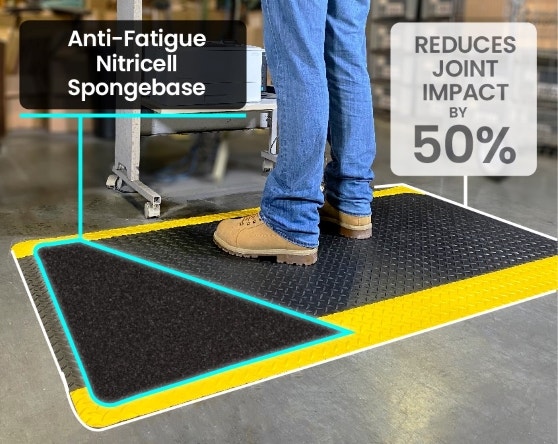
Credit: www.wearwell.com
Frequently Asked Questions
Do Anti Fatigue Kitchen Mats Reduce Leg Pain?
Yes, anti fatigue kitchen mats cushion your feet and reduce leg and foot pain during long standing periods. They improve blood flow and decrease muscle fatigue, making kitchen tasks more comfortable.
How Do Anti Fatigue Mats Improve Kitchen Comfort?
These mats provide soft, supportive surfaces that reduce pressure on joints. They absorb shock and encourage subtle leg movements, which helps prevent stiffness and discomfort while standing in the kitchen.
Are Anti Fatigue Kitchen Mats Durable And Easy To Clean?
Most anti fatigue mats are made from durable, high-quality materials like foam or gel. They are water-resistant and simple to clean with a damp cloth, making them ideal for kitchen environments.
Can Anti Fatigue Mats Prevent Slips And Falls?
Yes, many mats feature non-slip backing to keep them securely in place. This reduces the risk of slipping on wet or greasy kitchen floors, enhancing overall safety.
Conclusion
Anti fatigue kitchen mats help reduce tiredness while standing. They provide soft support for your feet and legs. Many users feel less pain after using these mats. Choosing the right mat depends on your needs and budget. Mats with good cushioning and durability work best.
Using them regularly can make kitchen tasks easier. So, these mats do offer real benefits for comfort. Try one to see if it helps you stand longer. Small changes can improve your daily kitchen experience.