
Have you ever wondered if chefs really need to wear masks while working in the kitchen? You might think it’s just a health rule, but there’s more to it than that.
Whether you’re curious about restaurant safety or want to know how kitchens stay clean, understanding mask use can change the way you see your favorite dining spots. Keep reading to discover why masks matter for chefs and what it means for your next meal.

Credit: culinarybackstreets.com
Mask Policies In Commercial Kitchens
Mask policies in commercial kitchens are a hot topic, especially as health and safety continue to be top priorities. Whether chefs need to wear masks depends on several factors including local rules and the type of kitchen environment. Understanding these policies helps you stay compliant and maintain a safe workspace.
Health Regulations And Guidelines
Health departments set clear rules about mask use in kitchens to prevent contamination. Many regulations require masks during food preparation to reduce the risk of spreading germs. These rules are especially strict during outbreaks of contagious illnesses like the flu or COVID-19.
In some cases, masks are part of a broader hygiene protocol that includes handwashing, hairnets, and gloves. The goal is to protect both the food and the people eating it. If you’ve ever worked in a busy kitchen, you know how quickly germs can spread without proper barriers.
Variations By Region And Establishment
Mask policies vary widely depending on where you are and the type of establishment you work in. Some regions strictly enforce mask-wearing in all food handling areas, while others leave it to the discretion of the business owners. This creates a patchwork of rules that can be confusing.
High-end restaurants may adopt stricter mask policies to reassure customers of their commitment to hygiene. Meanwhile, smaller kitchens or casual eateries might be more flexible, focusing on other safety measures instead. What’s your experience with mask rules in kitchens—do they feel necessary or more of a hassle?

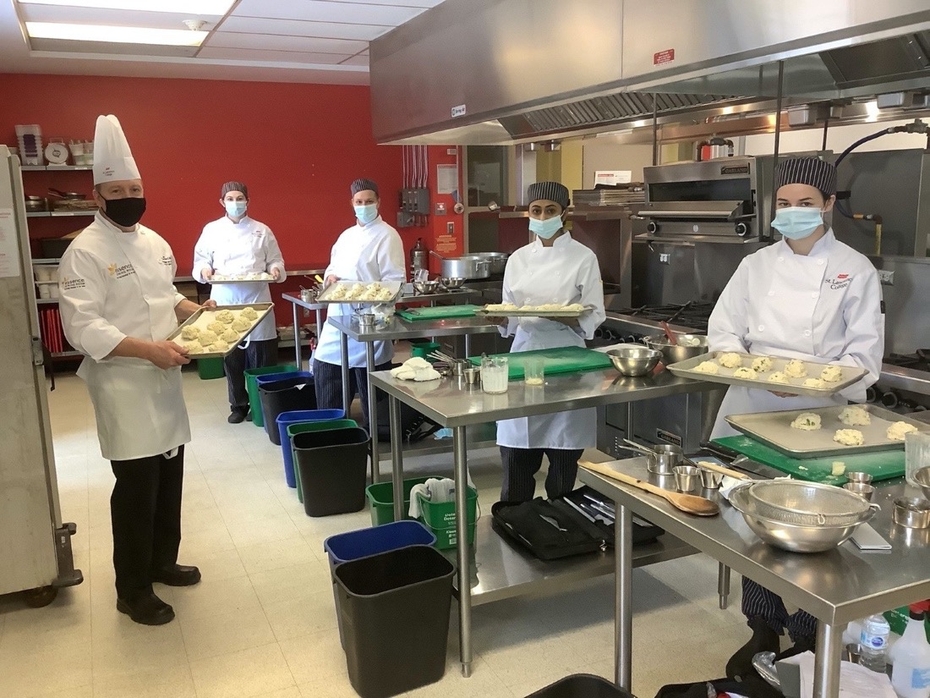
Credit: www.cbc.ca
Role Of Masks In Food Safety
The role of masks in food safety extends beyond simple protection; it is a critical barrier against contamination. Wearing masks helps maintain a clean environment where food is prepared, ensuring the health of both staff and customers. Understanding this role can change how you view kitchen hygiene and safety protocols.
Preventing Contamination
Masks act as a shield that blocks droplets from your mouth and nose while you talk, cough, or sneeze. These droplets can carry bacteria and viruses that might contaminate food or surfaces in the kitchen.
Imagine preparing a meal for someone special. Without a mask, even a small sneeze could introduce harmful germs into the dish. Wearing a mask reduces this risk significantly.
In busy kitchens, where communication is constant and close contact unavoidable, masks help minimize the spread of germs from one person to another and onto the food.
Protecting Staff And Customers
Your health and the health of others in the kitchen depend on more than just washing hands and sanitizing surfaces. Masks provide an extra layer of defense against airborne illnesses.
When all kitchen staff wear masks, it lowers the chances of spreading infections, keeping your workplace safer and more productive. This protection extends to customers who trust you to serve safe, uncontaminated meals.
Think about the confidence a customer feels when they know the kitchen team is taking visible steps to protect them. That trust can be a powerful advantage for your business.
Impact Of Covid-19 On Kitchen Safety
The COVID-19 pandemic dramatically changed how kitchens operate. Safety became the top priority to protect both staff and customers. These changes weren’t just temporary—they reshaped kitchen protocols in lasting ways.
Changes In Mask Requirements
At the height of the pandemic, many kitchens required chefs and staff to wear masks at all times. This was to reduce the risk of virus spread, especially in close-quarter workspaces. Some kitchens even required double masking or special types of masks for better protection.
As vaccinations increased and cases dropped, mask mandates relaxed in many places. However, some chefs still choose to wear masks to prevent the spread of colds or flu. Have you noticed how mask-wearing can sometimes improve overall hygiene beyond COVID-19 concerns?
Long-term Safety Practices
The pandemic pushed kitchens to adopt stronger hygiene habits. Regular hand washing, sanitizing surfaces, and improved ventilation became standard. Many kitchens also started health checks before shifts to catch symptoms early.
These changes help reduce not only COVID-19 risks but also other illnesses that can disrupt kitchen operations. What long-term safety habits could you add to your routine that make a real difference?
Alternatives To Masks In The Kitchen
Chefs may choose face shields or barriers instead of masks for better comfort and communication. Proper ventilation and frequent hand washing also help maintain kitchen hygiene. These alternatives keep food safe without covering the entire face.
In the bustling environment of a professional kitchen, the use of masks can sometimes be cumbersome. While they are essential for health and safety, especially during a pandemic, there are alternative approaches that some kitchens adopt to maintain hygiene without solely relying on masks. Exploring these alternatives can offer practical solutions for chefs who find masks restrictive.
Face Shields And Barriers
Face shields provide a clear plastic barrier that covers the face from forehead to below the chin. Unlike masks, they offer more breathing space and are less likely to fog up, which can be a significant advantage in a hot kitchen. Many chefs find face shields more comfortable for long shifts. In addition to face shields, installing physical barriers in certain kitchen areas can help reduce the spread of germs. This is particularly useful in open kitchens where interaction with diners is frequent. Such barriers can be made from transparent materials, maintaining visibility while enhancing safety.
Enhanced Hygiene Measures
Improving hygiene practices in the kitchen can also serve as an effective alternative. Regular hand washing, frequent sanitization of surfaces, and proper food handling protocols can significantly reduce the risk of contamination. These practices not only support health but also instill confidence in your team and guests. Consider implementing mandatory hygiene training sessions for your staff. This ensures everyone is on the same page and understands the importance of maintaining these standards. Could these measures be more effective than masks in some situations? It’s a question worth pondering as you balance safety and practicality in your kitchen.
Challenges Of Wearing Masks While Cooking
Wearing masks in the kitchen might seem straightforward, but it brings several challenges that affect chefs daily. The kitchen is a high-pressure environment where comfort and clear communication are essential. Masks can interfere with both, making it harder to maintain the usual pace and quality of work.
Comfort And Breathability
Cooking generates heat and steam, which can make wearing a mask uncomfortable quickly. Chefs often find masks trap moisture and sweat, leading to irritation and distraction. This discomfort can reduce focus and even impact the chef’s stamina during long shifts.
Have you ever tried wearing a mask while running or doing intense exercise? Now imagine doing that in a hot kitchen while handling knives and hot pans. It’s no surprise that breathability becomes a real concern.
Communication And Workflow
Clear communication is crucial in a busy kitchen. Masks muffle voices and hide facial expressions, making it harder to pass on quick instructions or warnings. This can slow down the workflow and increase the risk of mistakes or accidents.
Think about how often you rely on lip-reading or tone to understand someone. In a noisy kitchen, losing these cues means chefs must repeat orders or guess intentions. This interruption can break the rhythm and add unnecessary stress to an already demanding job.
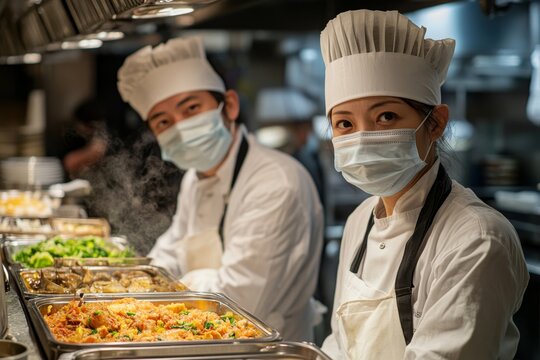
Credit: stock.adobe.com
Best Practices For Chef Safety
Keeping chefs safe in the kitchen goes beyond just wearing masks. It involves a thoughtful combination of gear, clear training, and strict compliance with safety rules. These practices help protect not only chefs but also everyone who enjoys their food.
Combining Masks With Other Protective Gear
Masks block droplets, but they work best when paired with other protective items. Chefs should wear gloves to prevent cross-contamination and hairnets to keep hair from falling into food.
Aprons shield clothing from spills, and non-slip shoes reduce the risk of falls. Together, these items create a safer, cleaner workspace.
Have you noticed how a simple mask feels less effective without gloves or proper handwashing? That’s because safety gear acts like a team—you need all players to win.
Regular Training And Compliance
Safety rules only work if everyone understands and follows them. Regular training sessions remind chefs why masks matter and how to wear them correctly.
Training can include demonstrations, quizzes, and real-life scenarios to keep the lessons clear and memorable. When chefs see the real impact of safety, compliance becomes easier.
Do you think a quick refresher could improve your kitchen’s safety habits? Often, a little extra training stops small mistakes from turning into big problems.
Frequently Asked Questions
Do Chefs Legally Have To Wear Masks In Kitchens?
Mask requirements for chefs depend on local health regulations. Some areas mandate masks to prevent contamination, especially during pandemics. Others leave it to individual restaurant policies. Always check current rules for your location and kitchen environment.
Why Do Some Kitchens Require Chefs To Wear Masks?
Masks help reduce the spread of germs and protect food from contamination. They are crucial in maintaining hygiene and safety standards. This practice became more common during health crises like COVID-19 to protect both staff and customers.
How Do Masks Affect Chefs’ Performance In The Kitchen?
Masks may slightly impact comfort and communication but improve hygiene. Chefs adapt quickly to mask use to maintain safety. Proper mask-wearing helps ensure food safety without significantly hindering kitchen work.
Are There Alternatives To Masks For Kitchen Safety?
Yes, alternatives include face shields, barriers, and strict hand hygiene. These methods help reduce contamination risks while allowing easier communication. However, masks remain one of the most effective tools in many kitchens.
Conclusion
Chefs often wear masks to keep kitchens safe and clean. Masks help stop germs from spreading while cooking. Many restaurants follow health rules that ask for masks. This keeps food safer for everyone eating. Wearing a mask also protects the chef and coworkers.
Rules can change depending on the place and time. Still, wearing a mask shows care and respect in the kitchen. It helps keep food tasty and customers happy. Safety always comes first in any good kitchen.