
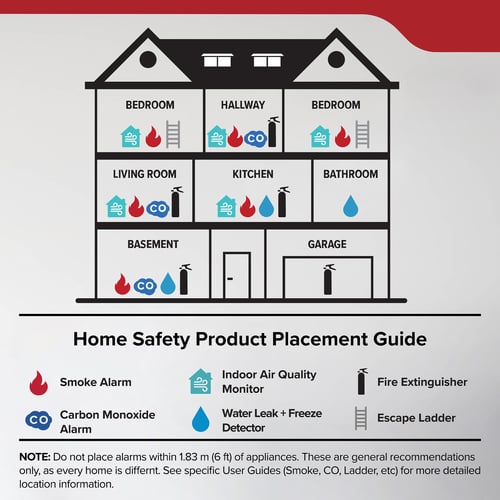
Have you ever wondered if your kitchen is truly safe from hidden dangers? One silent threat you might be overlooking is carbon monoxide.
This colorless, odorless gas can sneak into your home without warning, putting you and your loved ones at serious risk. So, do you really need a carbon monoxide detector in your kitchen? Keep reading, because understanding this could be the key to protecting your family and giving you peace of mind every time you cook.
Credit: www.carrier.com
Risks Of Carbon Monoxide In The Kitchen
The kitchen can be a hidden source of carbon monoxide (CO), a dangerous gas. This odorless, colorless gas can build up quickly and cause serious harm. Understanding the risks of carbon monoxide in the kitchen helps keep your home safe. Knowing where CO comes from and how it affects health is key.
Sources Of Carbon Monoxide
- Gas stoves and ovens that burn fuel
- Fireplaces and wood-burning stoves
- Gas water heaters located near the kitchen
- Blocked or poorly maintained vents and chimneys
- Portable generators used indoors or near windows
Any appliance that burns fuel can produce carbon monoxide. Poor ventilation allows CO to build up to dangerous levels. Kitchens often have several fuel-burning appliances, increasing risk.
Health Impacts Of Exposure
Carbon monoxide stops oxygen from reaching the body’s organs. Early symptoms include headaches, dizziness, and nausea. High levels cause confusion, loss of consciousness, and can be fatal. Children, elderly, and pets are most at risk.
Breathing carbon monoxide even for a short time harms health. Long-term exposure can cause lasting brain and heart damage. Quick detection and response save lives.
Benefits Of Installing A Detector
Installing a carbon monoxide detector in your kitchen helps spot harmful gas early. It keeps your family safe by alerting you before danger grows. Detecting invisible, odorless gas prevents serious health risks and potential accidents.
Early Warning Signs
Carbon monoxide is a silent danger. It has no color, smell, or taste. A detector alerts you before symptoms start. It warns you of unsafe gas levels in the kitchen. This early notice helps you act quickly. It protects your family from mild to severe poisoning. The detector’s sound is loud and clear. It wakes you up if it detects gas at night. This early warning can save lives and prevent serious health problems.
Preventing Accidents
Installing a carbon monoxide detector reduces the risk of accidents. It helps avoid harmful exposure to the gas. The kitchen often has appliances that produce carbon monoxide. A detector monitors these appliances continuously. It stops accidents caused by leaks or faulty devices. It also gives peace of mind while cooking or heating. Knowing you have protection helps you feel safer at home. The detector acts as a safety net for your kitchen environment.
Types Of Carbon Monoxide Detectors
Choosing the right carbon monoxide (CO) detector for your kitchen is crucial for safety. Different types come with varying features and installation needs. Understanding these options helps you pick one that fits your lifestyle and home setup.
Battery-powered Options
Battery-powered CO detectors are easy to install anywhere in your kitchen. They don’t need wiring, so you can move them if you change your kitchen layout. Just remember to replace the batteries regularly to keep them working.
These detectors often come with a test button to check if they’re functioning properly. If you’ve ever forgotten to change a smoke detector battery, you know how important it is to set reminders for these devices. Would you trust your kitchen safety to a device with dead batteries?
Hardwired Systems
Hardwired CO detectors connect directly to your home’s electrical system. They usually have a battery backup for power outages, so you stay protected at all times. These systems often link with your home’s smoke detectors for centralized alerts.
Installation requires an electrician, but the peace of mind is worth it. If you want a permanent solution without worrying about batteries, hardwired detectors are ideal. Have you checked whether your kitchen wiring can support this setup?
Smart Detectors
Smart CO detectors bring technology into your safety measures. They connect to your smartphone, sending alerts if carbon monoxide is detected. Some models even monitor air quality and share data through an app.
This option is perfect if you want real-time updates whether you’re at home or away. Imagine getting a warning on your phone while you’re at work—that could save lives. Are you ready to upgrade your kitchen safety with smart technology?
Placement Tips For Detectors
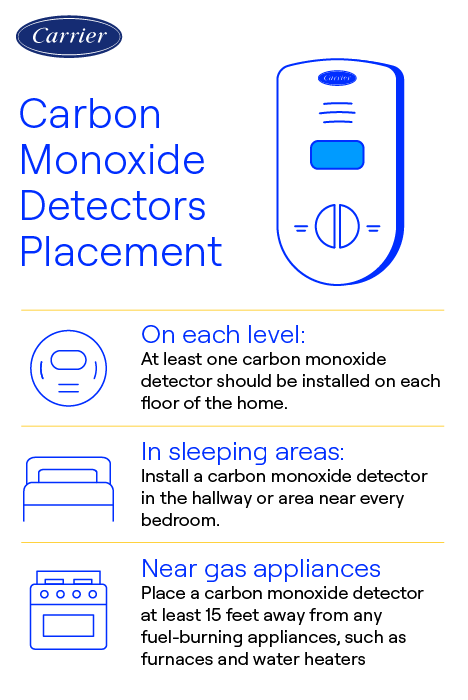
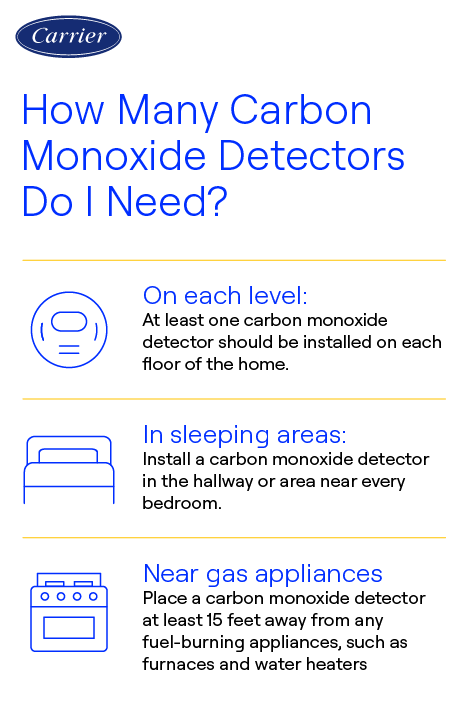
Placing a carbon monoxide detector in the kitchen helps catch dangerous gas early. Install it near fuel-burning appliances but away from cooking areas to avoid false alarms. Proper placement ensures safety and peace of mind.
Placing carbon monoxide detectors in the right spots is crucial for ensuring your kitchen remains safe from this invisible threat. Many people overlook the kitchen when installing these detectors, assuming that the living room or bedroom might be more critical. However, strategic placement in the kitchen can help you catch any carbon monoxide leaks early, especially if you have gas appliances.
Ideal Locations In The Kitchen
Position your detector at least five feet above the ground. This height is optimal because carbon monoxide mixes evenly with the air. Consider placing it near the kitchen's main entryway. This location is particularly useful if there's a flow from the kitchen to the rest of your home, allowing early detection before the gas spreads. Place the detector near any gas appliances, such as stoves or ovens. This proximity ensures that any leak is quickly detected, giving you peace of mind.
Avoiding False Alarms
Install the detector away from windows or air vents. These areas can introduce drafts that might cause false readings. Avoid placing detectors too close to cooking appliances. This can lead to false alarms, especially when you're cooking a particularly smoky dish or using the oven frequently. Regularly check and maintain your detectors. Dust and debris can affect their sensitivity, leading to unnecessary alarms. Have you ever had a false alarm that made you rethink your detector's placement? By being mindful of these factors, you can minimize disruptions and ensure your kitchen remains a safe haven.
Maintenance And Testing
Keeping your carbon monoxide detector in top shape is essential for your safety. Maintenance and testing help ensure it will alert you when you need it most. Neglecting these tasks can lead to false alarms or, worse, no warning at all.
Regular Inspection
Check your detector visually every month. Look for dust, dirt, or any physical damage that might block the sensor. These small issues can stop it from working properly.
Press the test button on the detector to verify the alarm sounds. If it doesn’t respond, don’t ignore it. Replace or repair it immediately to keep your kitchen safe.
Battery Replacement
Most detectors run on batteries that need changing regularly. Replace batteries at least once a year, or as soon as the low battery warning starts beeping. Waiting too long can leave you unprotected.
Consider using long-life lithium batteries. They reduce the hassle of frequent changes and help avoid unexpected power loss. Have spare batteries on hand to avoid any gaps in protection.
Credit: www.yahoo.com
Additional Kitchen Safety Measures
Keeping your kitchen safe goes beyond just installing a carbon monoxide detector. There are extra steps you can take to protect yourself and your family from potential hazards. Paying attention to ventilation and appliance maintenance can make a big difference in preventing dangerous situations.
Ventilation Importance
Good ventilation in your kitchen helps clear out harmful gases before they build up. Opening windows or using exhaust fans while cooking can reduce the risk of carbon monoxide and other fumes lingering in the air.
Have you ever noticed a stuffy feeling or lingering odors after cooking? That’s a sign your kitchen needs better airflow. Proper ventilation also keeps your kitchen cooler and more comfortable.
Make sure vents are clean and unblocked. If your kitchen doesn’t have a range hood, consider installing one to improve air circulation immediately.
Appliance Maintenance
Regularly checking your kitchen appliances can stop problems before they start. Faulty or poorly maintained gas stoves and ovens can leak carbon monoxide without you realizing it.
Try setting reminders to inspect and service your appliances at least once a year. Look out for unusual smells, yellow burner flames, or pilot lights that won’t stay lit—these are warning signs of trouble.
Even small actions like cleaning burners and replacing worn-out parts can improve your appliances’ safety and efficiency. When was the last time you had a professional check your gas connections?
Credit: www.carrier.com
Frequently Asked Questions
Do Kitchens Need Carbon Monoxide Detectors?
Yes, kitchens with gas appliances should have carbon monoxide detectors. They alert you to dangerous gas leaks and prevent poisoning risks.
Where Should I Place A Kitchen Carbon Monoxide Detector?
Place the detector near gas appliances but away from cooking fumes. Ideally, install it 5 feet above the floor for accurate readings.
How Often Should I Test Kitchen Carbon Monoxide Detectors?
Test your detector monthly to ensure it works correctly. Replace batteries annually and replace the unit every 5-7 years for safety.
Can A Carbon Monoxide Detector Save Lives In Kitchens?
Absolutely. It detects invisible, odorless gas early, preventing poisoning and fatalities. Early alerts allow prompt evacuation and emergency response.
Conclusion
Carbon monoxide is a silent and dangerous gas. Kitchens often have sources that can produce it. A detector helps warn you before harm happens. It gives peace of mind for you and your family. Safety should always come first in your home.
Installing a carbon monoxide detector in the kitchen is a smart step. It’s a small device that can save lives. Don’t wait for danger to strike. Protect your home today with this simple safety tool.