
Have you ever wondered if your kitchen is truly safe? You probably know about smoke detectors, but what about carbon monoxide detectors?
This invisible, odorless gas can silently build up in your home, especially around cooking areas. If you don’t have a carbon monoxide detector in your kitchen, you might be putting yourself and your loved ones at risk without even realizing it.
Keep reading to find out why having this simple device nearby could save your life.
Risks Of Carbon Monoxide In Kitchens
Carbon monoxide (CO) is a silent threat in kitchens. This colorless, odorless gas can build up quickly without warning. Kitchens contain many appliances that may produce carbon monoxide. Without proper detection, this gas can cause serious harm or even death.
Understanding the risks helps protect your home and family. Recognizing sources, health effects, and warning signs is key.
Common Sources Of Carbon Monoxide
- Gas stoves and ovens
- Gas water heaters
- Fireplaces and wood stoves
- Gas-powered kitchen appliances
- Blocked or poorly ventilated chimneys
Health Effects Of Exposure
Carbon monoxide stops oxygen from reaching the body’s organs. Even low levels cause headaches and dizziness. Higher levels lead to confusion, loss of consciousness, or death. Children, elderly, and pets are more vulnerable to CO effects.
Signs Of Carbon Monoxide Poisoning
- Headache and dizziness
- Nausea and vomiting
- Shortness of breath
- Weakness and fatigue
- Confusion or difficulty thinking clearly

Credit: www.amazon.ca
Importance Of Carbon Monoxide Detectors
Carbon monoxide is a dangerous gas that cannot be seen, smelled, or tasted. It can build up in your kitchen from gas stoves or other fuel-burning appliances. A carbon monoxide detector is essential to keep your home safe. It alerts you before the gas reaches harmful levels. Protecting your family starts with understanding why these detectors matter.
How Detectors Work
Carbon monoxide detectors sense the gas in the air. They have sensors that react when carbon monoxide appears. The detector then makes a loud noise to warn you. This alarm gives you time to leave the area and get fresh air. Some detectors show the gas level on a small screen.
Benefits Of Early Detection
- Prevents poisoning by alerting you early
- Allows quick action to avoid health risks
- Protects everyone in the home, including pets
- Reduces chances of serious injury or death
- Provides peace of mind for you and your family
Types Of Carbon Monoxide Detectors
| Type | Description | Power Source |
|---|---|---|
| Battery-Powered | Easy to install, works during power outages | Batteries |
| Plug-In | Plugs into wall outlet, may include battery backup | Electricity with battery backup |
| Hardwired | Connected to home’s electrical system, often with backup | Home wiring with battery backup |
Placement Of Detectors In The Kitchen
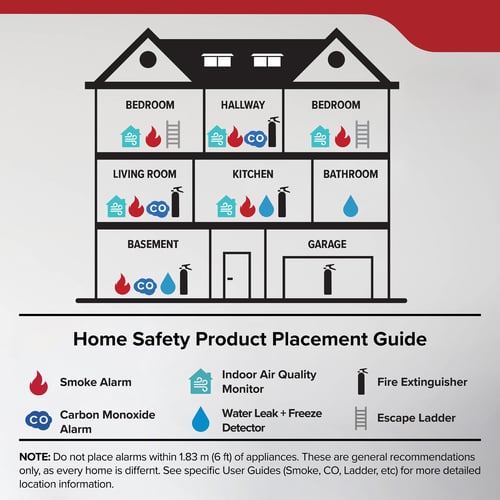
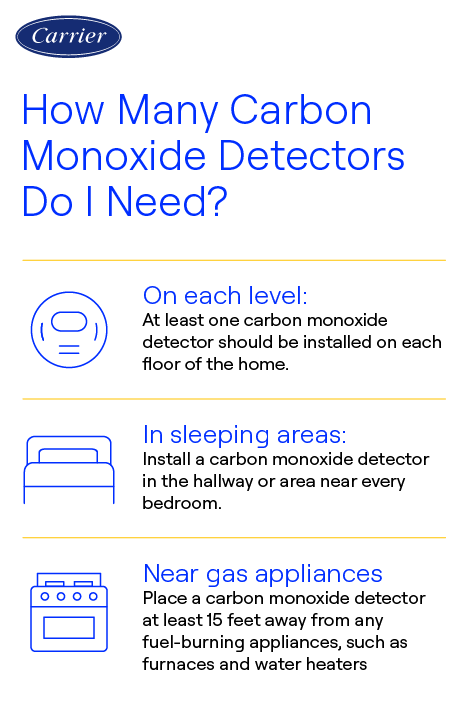
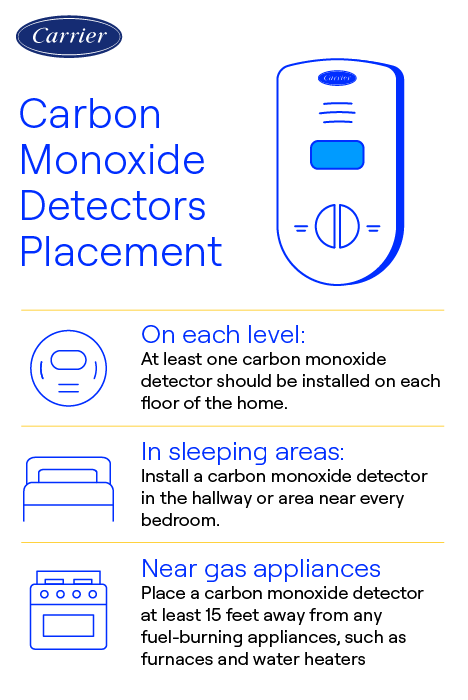
Placing a carbon monoxide detector near the kitchen helps catch dangerous gas early. Avoid installing it too close to appliances to prevent false alarms. Proper placement ensures safety without constant beeping.
Deciding on the placement of carbon monoxide detectors in the kitchen is crucial for ensuring your safety and the effectiveness of the device. While the kitchen is a common source of carbon monoxide due to appliances like gas stoves and ovens, placing detectors correctly can prevent false alarms and ensure accurate detection. The key is to balance proximity to potential sources with strategic positioning to maximize functionality.
Ideal Locations For Installation
Position your carbon monoxide detector at least five feet above the floor, as carbon monoxide is slightly lighter than air and can rise. A perfect spot could be a wall near your kitchen appliances, ensuring it's close enough to detect any potential leaks early. If you have a gas stove, placing the detector nearby can quickly alert you to any dangerous emissions.
Avoiding False Alarms
To minimize false alarms, avoid placing the detector directly above or very close to cooking appliances. Steam and smoke from cooking can trigger unnecessary alarms, causing frustration and potential neglect of genuine alerts. Ensure there's a clear distance from areas where you frequently experience high levels of humidity or smoke, like above a kettle or a stove.
Integration With Smoke Detectors
Consider integrating your carbon monoxide detector with your existing smoke detectors for a streamlined safety network. Many modern detectors offer dual functionality, providing both smoke and carbon monoxide detection. This integration not only saves space but also ensures comprehensive coverage with a single alert system, simplifying maintenance and monitoring for you. By strategically placing your carbon monoxide detectors, you ensure they function correctly and provide you peace of mind. Are your detectors positioned to protect your family effectively?
Local Regulations And Standards
Understanding local regulations and standards is key when deciding whether to install a carbon monoxide detector in your kitchen. Different areas have specific rules designed to keep you safe from the dangers of carbon monoxide poisoning. Knowing these rules helps you avoid fines and ensures your home meets safety expectations.
Legal Requirements
Many regions legally require carbon monoxide detectors in homes, especially near fuel-burning appliances like gas stoves. Some laws specify that detectors must be installed not just near bedrooms but also in kitchens or adjacent areas. Have you checked if your local laws mandate a detector in the kitchen or just elsewhere in the house?
Legal requirements can vary widely, so it’s important to consult your city or state government websites. Missing these requirements might lead to penalties or void insurance claims after an incident. Your safety and peace of mind depend on following these rules closely.
Building Codes And Guidelines
Building codes often provide detailed guidance on where and how to install carbon monoxide detectors. For kitchens, codes might address placement to avoid false alarms from cooking fumes while still ensuring early detection of dangerous gases.
These codes are updated regularly to reflect new safety research. For instance, some codes now recommend interconnected detectors throughout the home, including the kitchen, so that if one alarm sounds, all alarms will alert you immediately. Have you reviewed your local building code to see if your current setup meets these standards?
Compliance Tips
- Check your local government or fire department websites for the latest rules on carbon monoxide detector placement.
- Install detectors according to manufacturer instructions and local codes to avoid false alarms and ensure proper function.
- Test your detectors monthly and replace batteries annually or as recommended.
- Consider interconnected alarms, especially if your kitchen shares air space with sleeping areas.
- Keep records of installations and maintenance in case you need to prove compliance for insurance or inspections.
Do you know where your carbon monoxide detectors are placed right now? Taking a few minutes to verify their locations and functionality could save lives.
Maintenance And Testing
Keeping your carbon monoxide detector in the kitchen working properly requires regular maintenance and testing. Without this care, the device might fail when you need it most. Understanding how to maintain and test your detector can protect your home and health effectively.
Routine Checks
Test your carbon monoxide detector at least once a month. Most detectors have a test button—press it to hear a loud alarm sound. If you don’t hear the alarm, your detector may need new batteries or replacement.
Also, inspect the detector for dust or grease buildup. Since kitchens can get smoky or greasy, gently clean the device with a soft cloth to keep sensors clear. A clean detector is a reliable detector.
Battery Replacement
Don’t wait for the low battery warning beep. Change the batteries every six months to ensure uninterrupted protection. Use high-quality batteries recommended by the manufacturer for best performance.
Keep spare batteries in your kitchen or another easy-to-reach spot. You never know when you’ll need a quick swap, and having extras on hand can save precious time.
When To Replace Your Detector
Carbon monoxide detectors don’t last forever. Check the manufacturer’s label for the expiration date—usually 5 to 7 years. If your detector is older or consistently gives false alarms, it’s time for a new one.
Consider replacing your detector immediately if it fails tests or shows physical damage. Would you trust a smoke detector that’s been hanging around for a decade? The same logic applies here. Your safety depends on a fully functional device.
Credit: www.carrier.com
Additional Safety Measures
Adding a carbon monoxide detector in your kitchen is a smart move, but it’s not the only step you should take to keep your home safe. There are several additional safety measures that can help protect you and your family from the dangers of carbon monoxide. Paying attention to these can make a big difference in preventing accidents and responding effectively if something goes wrong.
Proper Ventilation
Good airflow is essential in any kitchen, especially if you use gas appliances. Always keep windows or vents open when cooking to allow fresh air to circulate and prevent harmful gases from building up.
Have you checked if your kitchen has a functioning exhaust fan? It helps remove smoke and carbon monoxide, improving air quality instantly. Regularly cleaning these fans ensures they work efficiently.
Safe Use Of Appliances
Using your stove or oven safely reduces risks significantly. Never leave gas appliances unattended while cooking, and make sure burners are completely turned off after use.
Have you noticed any unusual smells or sounds from your appliances? These can be early warning signs of leaks or malfunctions. Scheduling professional maintenance at least once a year keeps your equipment in top shape.
Emergency Response Steps
Knowing what to do if your carbon monoxide detector goes off can save lives. Leave the house immediately and call emergency services from a safe location.
Do you have an emergency plan in place? Make sure everyone in your household knows where to go and how to communicate during such situations. Having a clear plan reduces panic and ensures quick action.
Credit: www.carrier.com
Frequently Asked Questions
Do I Need A Carbon Monoxide Detector In My Kitchen?
Yes, installing a carbon monoxide detector in your kitchen is important. Kitchens often have gas appliances that can leak harmful CO gas. A detector alerts you early, preventing poisoning and ensuring safety.
Where Should I Place A Carbon Monoxide Detector In The Kitchen?
Place the detector near gas appliances but away from direct heat or steam. Install it at eye level or higher on a wall or ceiling for accurate detection.
How Often Should I Test My Kitchen Carbon Monoxide Detector?
Test your carbon monoxide detector monthly to ensure it works properly. Replace batteries annually or when low, and replace the detector every 5-7 years for reliable safety.
Can A Carbon Monoxide Detector Prevent Poisoning From Kitchen Appliances?
Yes, a carbon monoxide detector can alert you to dangerous CO levels early. It helps prevent poisoning by prompting timely action if gas leaks occur from kitchen appliances.
Conclusion
Carbon monoxide is a silent threat in kitchens. A detector helps catch it early. It keeps your family safe and alert. Installing one is a smart, simple step. Don’t wait until danger shows up. Safety starts with prevention and awareness.
Protect your home with this small device. Peace of mind is worth the effort. Trust your kitchen to stay secure.