

Have you ever wondered if you really need a smoke detector in your kitchen? You spend a lot of time cooking, and accidents can happen when you least expect them.
A small spark or a forgotten pan can quickly turn into a dangerous situation. But is having a smoke detector right there in your kitchen the best way to keep you and your family safe? This article will help you understand why a kitchen smoke detector could be one of the smartest safety choices you make.
Keep reading to discover how this simple device can protect your home and give you peace of mind every time you cook.
Credit: www.servpro.com
Smoke Detectors And Kitchen Safety
Smoke detectors play a vital role in kitchen safety. Kitchens have many hazards that can lead to fires. Early detection helps prevent damage and saves lives. Choosing the right smoke detector type is important for this area. Understanding kitchen risks helps protect your home effectively.
Why Kitchens Are High-risk Areas
Kitchens contain many heat sources like stoves and ovens. Cooking involves open flames and hot surfaces. Grease and oil can catch fire easily. Electrical appliances increase the chance of sparks. Small mistakes can quickly turn into dangerous fires. People spend a lot of time in kitchens, raising exposure risk.
Common Causes Of Kitchen Fires
- Unattended cooking is the leading cause of kitchen fires.
- Grease fires happen when oil overheats and ignites.
- Faulty wiring or damaged appliances can spark fires.
- Flammable items near heat sources catch fire fast.
- Overloaded outlets increase electrical fire chances.
Credit: www.kidde.com
Types Of Smoke Detectors
Choosing the right smoke detector for your kitchen is crucial for safety and peace of mind. Different types of detectors work in different ways and react to various kinds of smoke or heat. Understanding these differences helps you pick a device that suits your kitchen environment best.
Ionization Vs Photoelectric Detectors
Ionization detectors respond quickly to flaming fires with small smoke particles. They are great at detecting fast, intense fires but can sometimes give false alarms from cooking smoke or steam.
Photoelectric detectors, on the other hand, sense larger smoke particles, which are common in smoldering fires. These are less likely to be triggered by your everyday kitchen activities.
Many experts suggest using photoelectric detectors in kitchens because they reduce false alarms. Have you ever been annoyed by your smoke detector going off every time you fry something? This choice can save you from that hassle.
Combination Smoke And Heat Detectors
Combination detectors include both smoke and heat sensors. They add an extra layer of protection by detecting rapid temperature rises along with smoke.
This can be particularly useful in kitchens where smoke might be common but a sudden heat spike signals real danger. Installing a combination detector can give you more reliable alerts without constant false alarms.
Think about your kitchen’s layout and cooking habits. Would you prefer a detector that reacts to smoke alone, or one that also monitors heat changes? Your choice can improve safety and comfort in your home.
Placement Of Smoke Detectors In Kitchens
Proper placement of smoke detectors in kitchens ensures safety while reducing false alarms. Kitchens have smoke, steam, and heat that can trigger alarms unnecessarily. Choosing the right spot helps the alarm detect real danger without constant interruptions. Careful positioning protects your home and gives peace of mind.
Ideal Locations To Avoid False Alarms
Place smoke detectors away from cooking appliances to reduce false alarms. Avoid installing detectors directly above stoves, ovens, or microwaves. Steam and cooking smoke can trigger alarms too often.
Install smoke detectors near the kitchen entrance or on the ceiling outside the kitchen. Corners and hallways near the kitchen work well. These spots catch smoke from fires but stay clear of normal cooking fumes.
Recommended Distance From Cooking Appliances
Keep smoke detectors at least 10 feet (3 meters) away from cooking areas. This distance helps prevent alarms from activating during regular cooking. It balances safety with practical use.
Mount detectors on the ceiling or high on a wall. Smoke rises, so higher placement detects smoke early. Avoid placing detectors near windows, vents, or fans that can move smoke away.
Alternatives To Traditional Smoke Detectors
Smoke detectors are essential for home safety. Yet, a kitchen's unique environment can lead to false alarms. Steam and cooking fumes often trigger traditional smoke detectors. Fortunately, there are alternatives that minimize these disruptions while keeping your kitchen safe. These options provide reliable detection without the frequent false alarms associated with traditional smoke detectors.
Heat Detectors
Heat detectors offer a smart solution for kitchens. They respond to temperature changes, not smoke. This makes them ideal for cooking areas. They activate when temperatures rise rapidly or reach a set point. This ensures they are less likely to trigger false alarms. Heat detectors provide a reliable safety net in busy kitchens.
Smart Smoke Alarms
Smart smoke alarms integrate modern technology with safety. They connect to your phone or home system. This allows for real-time alerts and remote monitoring. Some models can distinguish between smoke and steam. This helps reduce false alarms in the kitchen. Smart smoke alarms offer convenience and peace of mind. They are a worthy addition to any modern kitchen.
Maintenance And Testing
Maintaining and testing smoke detectors in your kitchen keeps them reliable. Smoke and grease can build up fast in kitchen environments. Dirt and dust reduce detector sensitivity. Regular care ensures early warning in case of fire.
Regular Cleaning Tips
Clean smoke detectors monthly to remove dust and grease. Use a soft brush or vacuum with a hose attachment. Avoid spraying cleaners directly on the device. Wipe the exterior gently with a damp cloth. Keep vents clear for proper air flow.
Testing Frequency And Battery Replacement
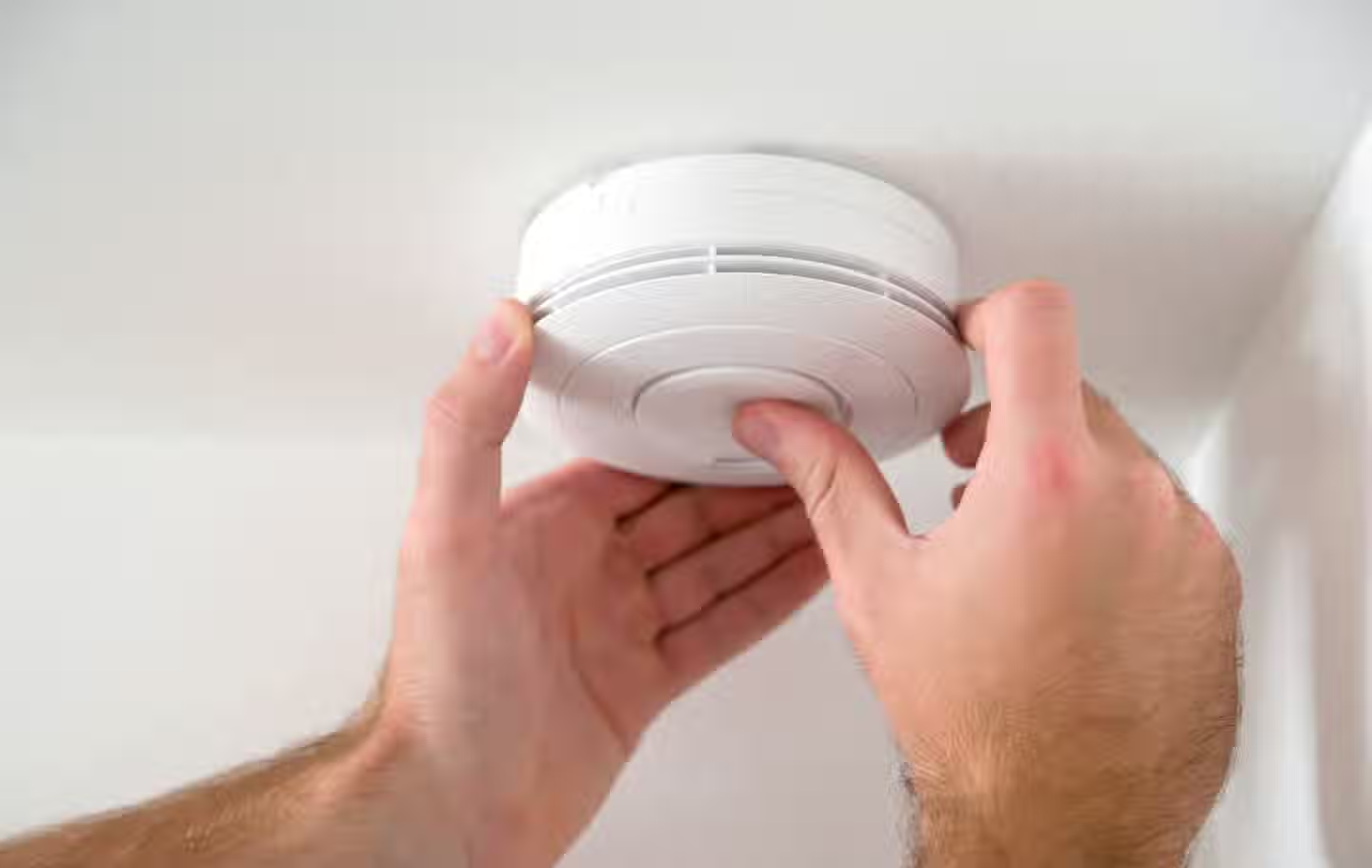
Test smoke detectors at least once a month. Press and hold the test button until the alarm sounds. Replace batteries twice a year or when the low-battery warning sounds. Use fresh, high-quality batteries for best performance. Replace the entire detector every 10 years.
Additional Kitchen Fire Safety Tips
Keeping your kitchen safe goes beyond just installing a smoke detector. There are simple yet effective steps you can take to prevent fires and handle emergencies if they arise. These additional kitchen fire safety tips will help you stay prepared and protect your home.
Safe Cooking Practices
Never leave cooking food unattended. Many kitchen fires start because someone got distracted or stepped away for a moment. If you need to leave, even briefly, turn off the stove or oven.
Keep flammable items like dish towels, paper towels, and oven mitts away from the heat source. Grease fires are common, so avoid cooking with excessive oil, and always have a lid nearby to smother flames quickly.
Have you checked your stove knobs recently? Sometimes they get accidentally turned on. Consider using knob covers if you have children around or if accidental activation worries you.
Fire Extinguishers And Emergency Plans
Having a fire extinguisher in your kitchen is essential. Make sure it’s the right type for grease and electrical fires (Class K or multipurpose ABC extinguisher). Place it where you can reach it quickly.
Know how to use your fire extinguisher before an emergency happens. Practice the PASS technique: Pull the pin, Aim low, Squeeze the handle, and Sweep side to side.
Do you have an emergency plan for your family? Decide on escape routes and a safe meeting spot outside your home. Regularly review this plan to ensure everyone knows what to do if a fire breaks out.

Credit: www.sdmmag.com
Frequently Asked Questions
Do I Need A Smoke Detector In The Kitchen?
Yes, a smoke detector in the kitchen is essential for early fire detection. It helps alert you to smoke or fire, preventing damage and injury. However, choose a heat or photoelectric detector to reduce false alarms from cooking fumes.
What Type Of Smoke Detector Is Best For Kitchens?
Photoelectric and heat detectors work best in kitchens. Photoelectric sensors detect slow-smoldering fires, while heat detectors respond to rapid temperature rises. Avoid ionization detectors, as they often cause false alarms from cooking smoke.
Where Should Kitchen Smoke Detectors Be Installed?
Install kitchen smoke detectors at least 10 feet away from cooking appliances. This placement reduces false alarms caused by normal cooking smoke or steam. Position detectors on the ceiling or high on a wall for optimal detection.
Can Smoke Detectors Prevent Kitchen Fires?
Smoke detectors do not prevent fires but provide early warnings. Early alerts allow quick action to extinguish fires or evacuate safely. This reduces property damage and enhances household safety.
Conclusion
A smoke detector in the kitchen adds an important safety layer. It alerts you early if smoke or fire starts. This can prevent serious damage and injuries. Kitchen fires often begin unnoticed, so quick warnings save lives. Choose a smoke detector suited for kitchens to avoid false alarms.
Regularly test and maintain your device to keep it working well. Safety in the kitchen should never be ignored. A simple smoke detector brings peace of mind every day. It’s a small step that makes a big difference.