
Are you wondering if your Kitchen Aid dishwasher has filters? Knowing this can save you time, prevent clogs, and keep your dishwasher running smoothly.
Filters play a key role in trapping food particles and debris, so your dishes come out spotless every time. If you want to avoid messy breakdowns and costly repairs, understanding how these filters work is a smart move. Keep reading, and you’ll discover exactly what you need to know about Kitchen Aid dishwasher filters—and how to take care of them.
Kitchenaid Dishwasher Filters
KitchenAid dishwashers are known for their durability and efficiency, but many users wonder if these machines have filters and what role those filters play. Understanding the filters in your KitchenAid dishwasher can help you maintain the appliance better and improve its cleaning performance. Let’s look closely at the types of filters used and why they matter for your dishwasher’s operation.
Filter Types In Kitchenaid Models
Most KitchenAid dishwashers come equipped with either a manual or a self-cleaning filter system. Manual filters require you to remove and clean them regularly, while self-cleaning filters use a grinder to break down food particles automatically.
- Manual Filters:These are usually mesh screens located at the bottom of the dishwasher. You need to take them out and rinse off trapped debris to prevent clogs.
- Self-Cleaning Filters:These filters use a small grinder to pulverize food waste, which is then flushed away during the wash cycle. They require less frequent maintenance but still benefit from occasional cleaning.
Knowing which filter type your dishwasher has can save you time and avoid potential damage. Have you checked your dishwasher’s filter lately?
Purpose Of Dishwasher Filters
Dishwasher filters play a crucial role in keeping your dishes spotless and your appliance running smoothly. They trap food particles and prevent them from redepositing on your dishes during the wash cycle.
Without a properly functioning filter, food debris can clog the dishwasher’s drain, leading to unpleasant odors and poor cleaning results. Filters also protect the dishwasher’s pump and drain from damage caused by leftover food chunks.
Taking the time to clean your filter regularly can extend the life of your KitchenAid dishwasher and ensure your dishes come out sparkling every time. How often do you think you should clean your dishwasher filter to keep it in top condition?
Credit: www.kitchenaid.com
Filter Locations
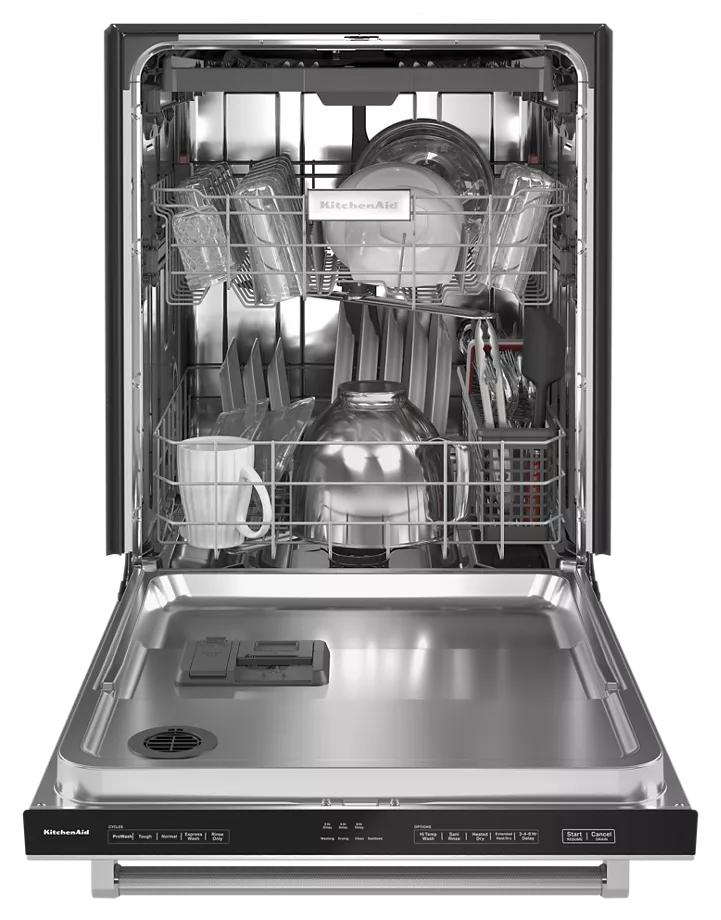
Knowing where the filter is located in your Kitchen Aid dishwasher can save you time and frustration during routine cleaning or troubleshooting. Filters play a key role in trapping food particles and preventing clogs. Identifying the exact spot helps you maintain efficiency and keep your dishes spotless.
Common Filter Placement
Most Kitchen Aid dishwashers have their filters positioned at the bottom of the tub, right under the lower spray arm. This spot makes sense because it captures debris before water recirculates. Some models feature a cylindrical or flat mesh filter that’s easy to spot once you open the door and remove the bottom rack.
Occasionally, you might find a secondary filter near the back or side walls, but the primary filter is almost always beneath the lower rack. Understanding this can prevent unnecessary searching and potential damage from poking around in the wrong areas.
How To Access The Filter
Accessing the filter usually involves sliding out the bottom rack completely for clear access. Look for a round or rectangular cover that twists or lifts off—this covers the filter assembly. Be gentle but firm when removing it to avoid breaking any clips or seals.
Once you remove the cover, you can pull out the filter for cleaning. This quick action can improve your dishwasher’s performance dramatically. Have you checked your filter lately? A clogged filter can cause poor cleaning and odd odors, and it’s often an easy fix once you know where to look.
Cleaning And Maintenance
Keeping your KitchenAid dishwasher in top shape means paying close attention to cleaning and maintenance. A key part of this care is the dishwasher filter, which traps food particles and debris to prevent clogs and keep your dishes spotless. Neglecting the filter can lead to unpleasant odors, poor washing results, or even damage to the appliance.
When To Clean The Filter
Wondering how often you should clean your KitchenAid dishwasher filter? A good rule of thumb is to check it every few weeks, especially if you use your dishwasher daily. If you notice your dishes aren't coming out as clean as before, or if there's a bad smell inside the machine, it's a clear sign that the filter needs attention.
Heavy users might need to clean the filter more often. Think about your cooking habits—do you often rinse dishes well before loading? If not, food particles accumulate faster. Regular checks help you avoid buildup that can cause bigger problems later.
Step-by-step Cleaning Guide
- Locate the filter:Open the dishwasher and remove the bottom rack for better access. The filter sits at the bottom center of the dishwasher tub.
- Remove the filter:Twist or lift it out carefully, depending on your model. Check your manual if you're unsure.
- Rinse and scrub:Use warm water and a soft brush or sponge to clean off debris. Avoid harsh brushes that could damage the filter.
- Check the drain area:While the filter is out, look for any food particles or buildup around the drain and clean them out.
- Reinstall the filter:Place it back securely in the dishwasher. Make sure it’s locked in place to avoid operational issues.
- Run a rinse cycle:After cleaning, run a quick rinse cycle to flush out any loose debris.
Cleaning your filter is quick but makes a huge difference. Have you ever skipped this step and noticed your dishwasher performance drop? Taking a few minutes now saves you from costly repairs or replacements later.
Credit: www.kitchenaid.com
Signs Of Filter Problems
Dirty or clogged filters can cause dishes to come out dirty or with spots. Water may drain slowly or leave a bad smell inside the dishwasher. These signs often indicate filter problems in Kitchen Aid dishwashers.
Is your Kitchen Aid dishwasher not performing as it used to? It might be time to look at the filter. Filters play a crucial role in maintaining the efficiency of your dishwasher by trapping food particles and debris. Recognizing signs of filter problems early can save you time and costly repairs.
Performance Issues
A compromised filter can significantly affect your dishwasher’s performance. If your dishes aren’t coming out as clean as before, or you notice leftover food particles, it might be time to inspect the filter. Regularly cleaning or replacing the filter can restore your dishwasher’s cleaning power and efficiency.
Unusual Noises Or Odors
Have you noticed strange noises coming from your dishwasher? A clogged filter could be the culprit. It can cause the dishwasher to work harder, leading to unusual sounds. Additionally, persistent unpleasant odors often indicate trapped food in the filter. Cleaning the filter can eliminate these smells, leaving your kitchen feeling fresh again. Are you experiencing any of these signs? Addressing filter problems promptly can extend the life of your dishwasher and ensure it runs smoothly. Regular maintenance is key to keeping your kitchen aid dishwasher in top shape. How often do you check your dishwasher filter? It might be worth adding to your cleaning routine.
Filter Replacement
Replacing the filter in a KitchenAid dishwasher keeps it running smoothly. The filter catches food particles and debris. Over time, these build up and block water flow. A clogged filter lowers cleaning performance and can cause bad smells. Regular replacement protects your dishwasher and dishes.
How To Know When To Replace
Check the filter every few months. Signs of replacement include:
- Water not draining properly
- Dishes still dirty after a cycle
- Unpleasant odors inside the dishwasher
- Visible damage or wear on the filter
Some models have a filter indicator light. If yours does, it signals when replacement is needed. Always refer to your user manual for specific guidance.
Choosing The Right Replacement Filter
Use filters made for KitchenAid dishwashers. Filters vary by model and size. Choose a filter that matches your model number. Check the packaging or product description carefully.
- OEM (original equipment manufacturer) filters fit best
- High-quality aftermarket filters can work well
- Avoid generic filters that don’t fit properly
Proper fit prevents leaks and ensures good cleaning. Keep the old filter handy when shopping for a replacement. This helps you match the size and shape exactly.
Benefits Of A Clean Filter
Keeping the filter in your KitchenAid dishwasher clean has many benefits. A clean filter helps your dishwasher work better and last longer. It stops food bits and dirt from blocking water flow. This makes sure your dishes come out sparkling every time. It also protects the machine from damage and costly repairs. Regular cleaning keeps your dishwasher running smoothly and saves you money in the long run.
Improved Cleaning Efficiency
A clean filter lets water spray freely. This means dishes get rinsed more thoroughly. Food particles do not get trapped inside the machine. The dishwasher can use water and detergent better. You will notice fewer spots and stains on your plates. The whole cleaning cycle becomes more effective and faster. Your dishes will look cleaner without extra scrubbing.
Extended Dishwasher Lifespan
Filters catch debris and stop it from harming the dishwasher parts. A clean filter reduces strain on the pump and motor. This prevents breakdowns and extends the life of your machine. It lowers the chance of bad odors caused by trapped food. Regular maintenance saves you from expensive repairs or early replacement. Your KitchenAid dishwasher will serve you well for many years.
Credit: www.kitchenaid.com
Frequently Asked Questions
Do Kitchenaid Dishwashers Include Filters?
Yes, most KitchenAid dishwashers have built-in filters. These filters trap food particles, preventing clogs and improving cleaning efficiency.
How Often Should I Clean My Kitchenaid Dishwasher Filter?
Clean the filter every 1 to 3 months. Regular cleaning ensures optimal performance and prevents odors or drainage issues.
Can Kitchenaid Dishwasher Filters Be Removed And Replaced?
Yes, KitchenAid filters are removable and replaceable. Check your model’s manual for specific instructions on filter removal and replacement.
What Types Of Filters Do Kitchenaid Dishwashers Use?
KitchenAid dishwashers typically use fine mesh or coarse filters. These capture debris and protect the dishwasher’s drain system effectively.
Conclusion
KitchenAid dishwashers do have filters to catch food and debris. These filters help keep your dishwasher clean and working well. Cleaning the filter regularly stops clogs and bad smells. It also helps your dishes come out cleaner. Knowing about the filter can save you time and money on repairs.
Check your dishwasher manual to find and clean the filter easily. Taking care of the filter keeps your dishwasher running smoothly for years. Simple steps make a big difference in dishwasher performance.