
Are you wondering if your KitchenAid dishwasher really dries your dishes completely? You’re not alone.
Many people ask this because a dishwasher that doesn’t dry well can leave you with spots, water droplets, and extra hand-drying work. Knowing whether your KitchenAid dishwasher has a drying cycle—and how it works—can save you time and frustration. Keep reading to discover the truth about KitchenAid’s drying features and how to get the best results every time you run your dishwasher.

Credit: www.kitchenaid.com
Drying Features In Kitchenaid Dishwashers
KitchenAid dishwashers offer a variety of drying features to ensure your dishes come out clean and dry. These features focus on removing moisture effectively and reducing the need for towel drying. The drying options are designed to fit different types of loads and user preferences. Understanding these features helps you choose the best cycle for your needs.
Types Of Drying Cycles Available
KitchenAid dishwashers come with multiple drying cycle options to suit various dishwashing tasks. These include:
- Heated Dry:Uses a heating element to dry dishes quickly and thoroughly.
- Air Dry:Relies on natural air circulation without extra heat, saving energy.
- Fan Dry:Uses a fan to blow warm air inside the dishwasher for faster drying.
- Extended Dry:Adds extra drying time for heavily soiled or plastic items.
How Drying Cycles Work
The drying cycles work by removing water from dishes after the wash and rinse phases. Here is how they function:
- The dishwasher first drains all water from the tub.
- Heated Dry cycles activate a heating element to warm the air inside.
- Air Dry cycles open vents for moisture to escape naturally.
- Fan Dry cycles use a fan to push warm air around the dishes.
- Extended Dry cycles prolong drying time for better moisture removal.
These methods prevent water spots and speed up drying, making dish removal easier.
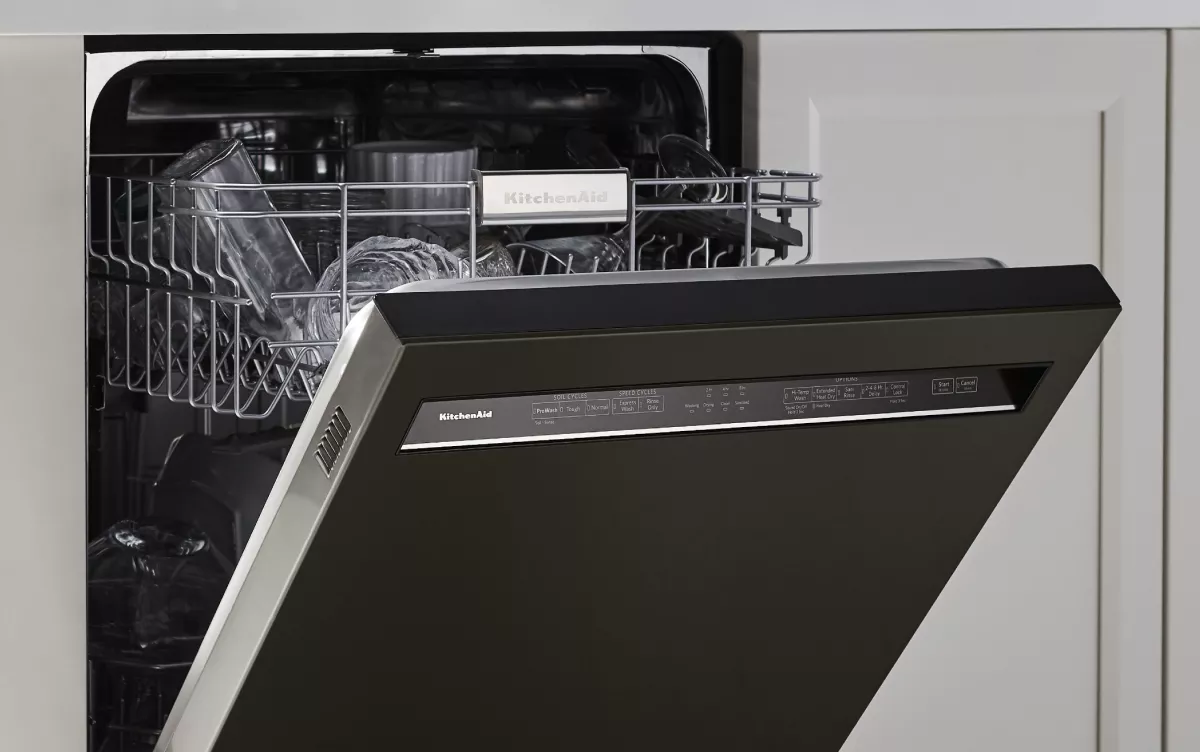
Credit: www.kitchenaid.com
Heat Dry Vs. Air Dry Options
KitchenAid dishwashers offer two main drying options: Heat Dry and Air Dry. Both help remove water from dishes but work differently. Heat Dry uses warm air to speed up drying. Air Dry relies on natural air circulation. Choosing the right option can improve drying results and save energy.
Benefits Of Heat Dry
- Dries dishes faster and more thoroughly
- Prevents water spots on glassware
- Good for plastic items that hold water
- Ideal for busy kitchens with quick turnaround
When To Use Air Dry
- Saves energy by using no extra heat
- Works well for less soiled dishes
- Reduces risk of warping plastic items
- Best during warm weather or good ventilation
Effectiveness Of Kitchenaid Drying Cycles
KitchenAid dishwashers include drying cycles designed to reduce water on dishes after washing. The effectiveness of these cycles varies across models and depends on specific features. Some models use heated drying, while others rely on fan-assisted air drying. Understanding how well these cycles work helps you decide if they meet your needs.
Drying effectiveness is not always perfect. Some plastic items may stay wet. Metal and glass usually dry well. The overall drying quality depends on several factors, including dishwasher design and user habits. Knowing these can improve your dishwasher's drying performance.
Factors Affecting Drying Performance
- Type of drying method: heated drying heats the air, while fan drying moves air around.
- Material of dishes: plastics hold water more than glass or metal.
- Loading style: crowded racks block airflow and slow drying.
- Cycle selection: some cycles have stronger drying settings than others.
- Rinse aid use: helps water sheet off dishes for better drying.
User Tips For Better Drying Results
- Use rinse aid regularly to improve drying efficiency.
- Arrange dishes to allow air to circulate freely.
- Choose cycles with heated drying for better results.
- Open the dishwasher door slightly after the cycle ends to let steam escape.
- Avoid overloading the dishwasher to prevent water spots and wet dishes.
Energy Efficiency And Drying
Energy efficiency is a key factor in modern dishwashers. Drying cycles can use significant power. Understanding how KitchenAid dishwashers handle drying helps save energy and money. It also supports eco-friendly habits in the kitchen.
Energy Consumption Of Drying Modes
KitchenAid dishwashers offer different drying options. Heated drying uses more electricity. This mode warms the air to dry dishes faster.
Air-dry or fan-dry modes consume less energy. They rely on natural air circulation instead of heat. Choosing these modes reduces power use significantly.
Some models have an energy-saving dry setting. It balances drying performance and energy consumption. This option is ideal for daily use.
Eco-friendly Drying Practices
- Open the dishwasher door after the cycle. This helps steam escape and dries dishes naturally.
- Use air-dry mode to cut down on electricity use.
- Load dishes properly for better air flow and faster drying.
- Run full loads to maximize water and energy efficiency.
These simple steps lower energy use and help the environment. KitchenAid dishwashers make it easy to adopt greener drying habits.
Troubleshooting Drying Issues
KitchenAid dishwashers are known for efficiency and reliability. Yet, some users face drying issues. If your dishwasher leaves dishes wet, you might wonder why. This section helps troubleshoot common drying issues.
Common Problems And Fixes
Many factors affect drying performance in dishwashers. Here are some common problems:
- Improper Loading:Dishes blocking vents can hinder drying. Ensure proper loading.
- Rinse Aid:Lack of rinse aid decreases drying efficiency. Fill the rinse aid dispenser.
- Clogged Filter:A clogged filter can impede water drainage. Clean the filter regularly.
- Heating Element:A faulty heating element might not dry dishes. Check for visible damage or malfunctions.
Addressing these issues can enhance drying performance. Regular maintenance helps prevent future problems.
When To Contact Support
If problems persist, consider contacting support. Persistent drying issues might indicate a bigger problem. A professional can diagnose and fix it.
Contact support if:
- You hear unusual noises during cycles.
- The drying cycle fails consistently.
- There are visible signs of damage or wear.
Professional support ensures your dishwasher functions optimally. Don't hesitate to seek help.
Comparing Kitchenaid Drying To Other Brands
Understanding how KitchenAid dishwashers handle drying compared to other brands can help you decide if it's the right fit for your kitchen. Each brand approaches drying technology differently, affecting how dry your dishes come out. Let’s look closely at these differences and what users are saying about them.
Drying Technology Differences
KitchenAid uses a feature called ProDry™ with a heating element to boost drying performance. This method warms the air inside to evaporate moisture quickly, which often results in drier dishes right out of the cycle.
Other brands may rely on condensation drying, which cools the dishwasher interior after the wash cycle, letting water condense and drain away naturally. This method can be quieter and use less energy but sometimes leaves spots or dampness on plastic items.
Some dishwashers, like Bosch models, include fan-assisted drying, which circulates air to speed up the drying process without a heating element. This is gentler on delicate items but might not dry as thoroughly as KitchenAid’s approach.
Are you someone who prioritizes energy savings over perfect dryness? Or do you want dishes ready to put away immediately? Your answer will guide which drying technology suits your needs best.
User Reviews And Ratings
Many KitchenAid users praise the drying cycle for consistently leaving dishes dry, especially glassware and plates. However, some mention that plastics may still need a little hand drying after the cycle ends.
In contrast, users of brands with condensation drying often report quieter operation but less effective drying, especially on plastics and utensils. This can mean extra time spent towel-drying, which might frustrate busy households.
Reading through reviews, you might notice a pattern: KitchenAid’s drying cycle is favored by those who want convenience and speed, while other brands attract users willing to trade some dryness for energy efficiency and noise reduction.
What’s your priority when it comes to drying dishes? Would you accept a bit of noise for better results, or prefer a quieter cycle with some manual drying afterward?
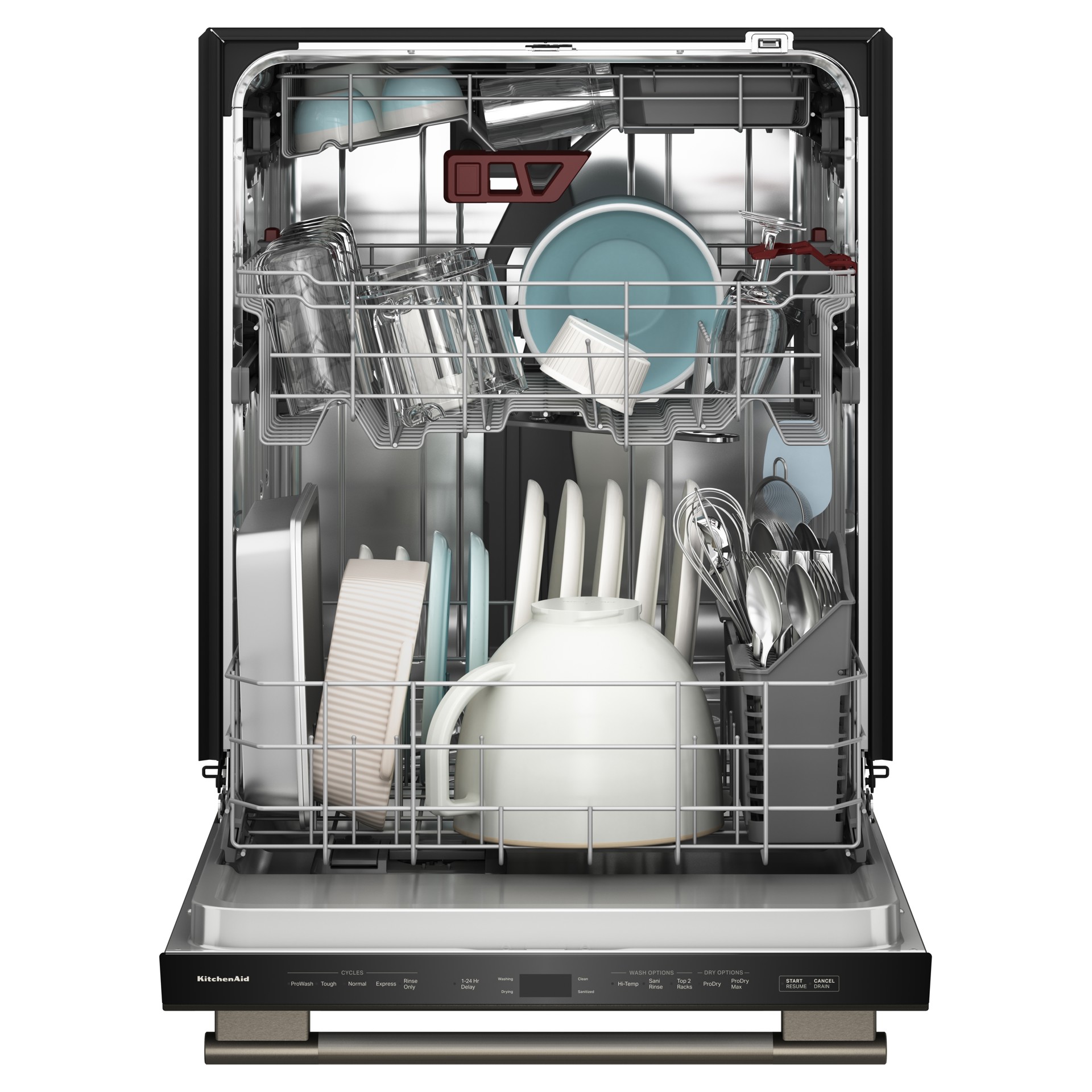
Credit: www.tanguay.ca
Frequently Asked Questions
Do Kitchenaid Dishwashers Include A Drying Cycle?
Yes, KitchenAid dishwashers come with an efficient drying cycle. This cycle uses heat to dry dishes thoroughly after washing, ensuring your dishes are ready to use immediately.
How Effective Is The Drying Cycle In Kitchenaid Dishwashers?
The drying cycle in KitchenAid dishwashers is highly effective. It uses advanced heating elements and fan technology to remove moisture, leaving dishes dry and spotless every time.
Can I Skip The Drying Cycle On Kitchenaid Dishwashers?
Yes, you can skip the drying cycle to save energy. However, skipping it may leave some dishes damp, requiring manual drying afterward.
What Drying Options Are Available In Kitchenaid Dishwashers?
KitchenAid dishwashers offer multiple drying options, including heated dry, air dry, and energy-saving modes. These options help customize drying based on your needs.
Conclusion
KitchenAid dishwashers usually have a drying cycle to help dishes dry faster. This feature saves time and effort after washing. Not all models are the same, so check your specific dishwasher’s guide. Using the drying cycle can reduce water spots and keep dishes clean.
It also helps prevent bacteria growth by removing moisture. For best results, load dishes properly and use the right settings. Drying cycles add convenience and improve your kitchen routine. Simple and effective.