
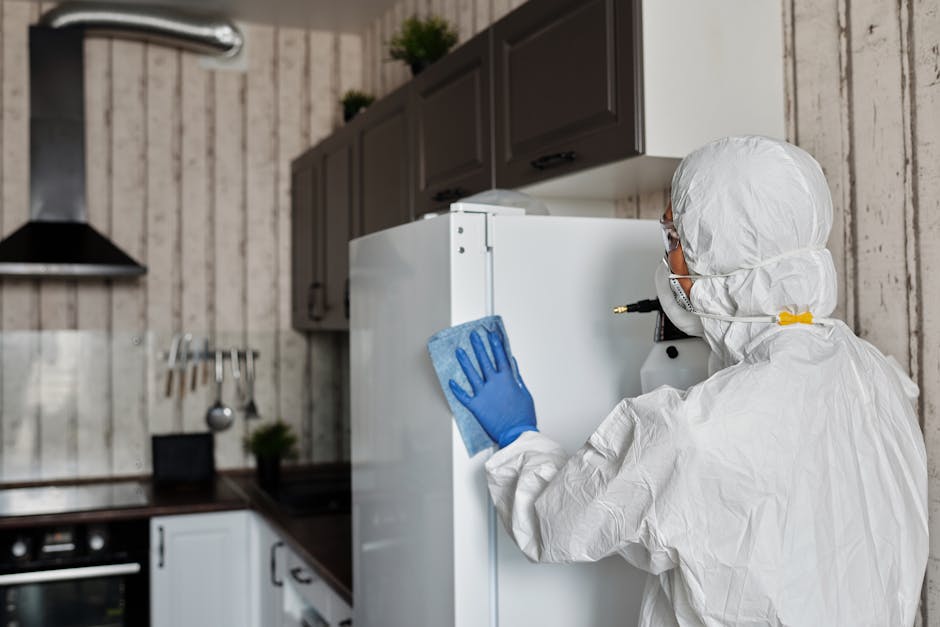
Are you wondering if kitchen employees have to wear masks while working? This question matters more than ever, especially when it comes to your health and safety.
Whether you’re a restaurant owner, a chef, or someone who loves dining out, knowing the rules about masks in the kitchen can make a big difference. Keep reading to discover what the latest guidelines say and how they impact you and everyone behind the scenes preparing your meals.
Don’t miss out on the facts that could change the way you think about kitchen safety.

Credit: www.cobsbread.com
Mask Mandates In Kitchens
Mask mandates in kitchens have become a hot topic as businesses balance health safety and operational efficiency. Whether you run a restaurant or work behind the scenes, understanding the rules about masks is crucial. These mandates can vary widely depending on where you are and the current health climate.
Current Regulations
The rules about wearing masks in kitchens can change quickly based on public health guidance. Many health departments require kitchen staff to wear masks, especially during outbreaks of airborne illnesses.
In some cases, masks are mandatory to protect both employees and customers from contamination. However, the specifics can depend on the type of kitchen work—whether it’s food prep, cooking, or serving.
Have you noticed how some kitchens enforce mask-wearing strictly, while others seem more relaxed? This often reflects local health department advice or business policies rather than a one-size-fits-all law.
Local Vs. Federal Rules
Federal guidelines, like those from the CDC or OSHA, often set a baseline for safety standards in workplaces, including kitchens. Yet, local or state authorities can impose stricter rules depending on infection rates and community needs.
This means your kitchen might have to follow different mask rules than a kitchen just a few miles away. For instance, a city with a recent spike in cases might require masks indoors, while a neighboring county might not.
It’s important to stay updated on both federal and local mandates. What mask rule applies to you today could change tomorrow. How do you keep track of these changes in your workplace?

Credit: merchants.ubereats.com
Health Benefits Of Mask Wearing
Wearing masks in the kitchen offers clear health benefits. Masks reduce the risk of spreading germs in busy food prep areas. They create a barrier that limits droplets from coughs or sneezes. This simple step helps maintain a cleaner and safer environment for everyone.
Preventing Disease Spread
Masks block respiratory droplets that carry viruses and bacteria. Kitchen employees often work close to each other and customers. This proximity increases the chance of germs spreading quickly. Wearing masks lowers this risk significantly.
Food preparation areas can harbor bacteria if proper hygiene is ignored. Masks add an extra layer of protection against contamination. This helps keep both food and workers safer.
Protecting Employees And Customers
Employees who wear masks help protect themselves from illness. Masks reduce direct exposure to airborne germs during long shifts. Healthy workers mean fewer sick days and better team performance.
Customers also benefit from seeing mask use. It builds trust that the establishment cares about health. This reassurance can encourage repeat visits and positive reviews.
Challenges Of Wearing Masks In Kitchens
Wearing masks in kitchen environments brings unique challenges for employees. Kitchens are hot, busy, and require clear communication. Masks can make these conditions harder to manage. Understanding these challenges helps find better ways to keep staff safe and comfortable.
Comfort And Breathability
Kitchen work is physically demanding. Masks can trap heat and moisture. This creates discomfort and makes breathing harder. Sweat builds up quickly under masks. It can cause irritation and distraction. Employees may feel tired faster. Comfortable masks with good airflow are essential. Poor mask choice can lower work efficiency.
Communication Barriers
Kitchens rely on quick, clear communication. Masks muffle voices and hide facial expressions. This leads to misunderstandings and mistakes. Staff must speak louder or repeat instructions. It slows down teamwork and increases stress. Non-verbal cues, like smiles or lip reading, disappear. Teams need to find new ways to communicate effectively.
Alternative Safety Measures
In the hustle and bustle of kitchen environments, safety is paramount. While masks play a role, exploring alternative safety measures proves essential. These practices not only ensure health but also streamline operations.
Hand Hygiene Practices
Hand hygiene stands as a crucial safety measure. Kitchen staff must wash hands frequently. Use soap and water for at least 20 seconds. Hand sanitizers should be available at all stations. Ensure sanitizers contain at least 60% alcohol. Proper hand hygiene reduces the spread of germs significantly.
Social Distancing Protocols
Social distancing helps maintain a safe working environment. Arrange workstations to keep employees spaced apart. Mark floors to guide staff on safe distances. Limit the number of employees in confined areas. Implement staggered shifts to reduce crowding. These protocols protect staff and maintain efficiency.
Employer Responsibilities
Employers have a key role in keeping kitchen staff safe. They must provide the right tools and rules to protect employees. This includes masks and clear guidance on their use. Employers must make sure all staff follow safety standards to reduce health risks.
Providing Protective Equipment
Employers must supply masks that fit well and work properly. They should offer enough masks for all shifts. Other protective gear like gloves and face shields may also be needed. The equipment must meet health and safety rules. Regular replacement of masks is important to keep protection effective.
Training And Compliance
Employers need to train staff on how to wear masks correctly. This includes covering nose and mouth at all times. Training should explain why masks matter in a kitchen setting. Employers must check that employees follow mask rules. Clear reminders and signs help keep everyone aware. Consistent enforcement helps maintain a safe work environment.
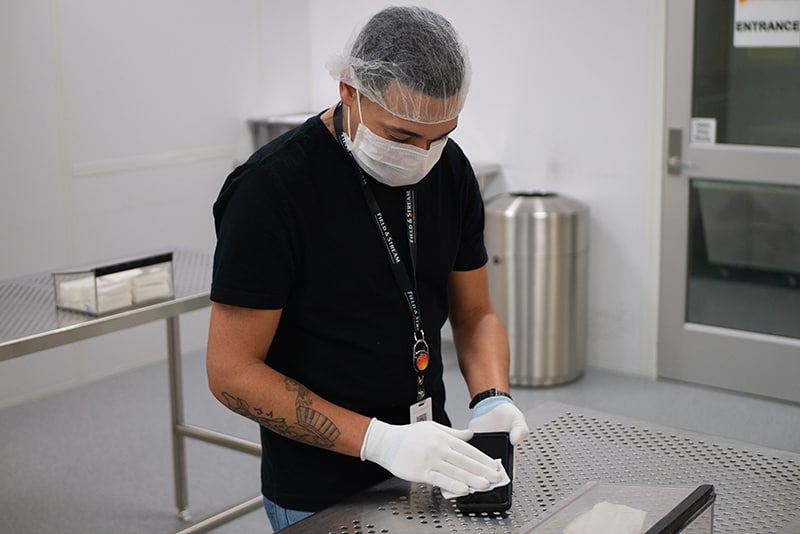
Credit: gf.com
Employee Rights And Concerns
Working in a kitchen means balancing safety, comfort, and your rights as an employee. Wearing masks might protect health, but it can also raise concerns about breathing difficulties or communication barriers. Understanding your rights helps you navigate these challenges confidently.
Health Exemptions
Not everyone can wear a mask comfortably or safely. If you have a medical condition like asthma or severe allergies, you might qualify for a health exemption.
It’s important to communicate openly with your employer about any health issues. Providing a doctor's note can support your request for exemption or alternative safety measures.
Have you experienced discomfort while wearing a mask at work? Sharing these experiences can help create a safer, more understanding workplace.
Reporting Safety Issues
Your safety concerns deserve attention. If wearing a mask causes problems such as dizziness, skin irritation, or hinders your ability to do your job, you should report these issues immediately.
Many kitchens have protocols for reporting safety problems anonymously if you fear backlash. Knowing your workplace’s procedure empowers you to speak up without worry.
Are safety concerns being addressed promptly where you work? If not, consider suggesting a safety committee or regular check-ins to improve communication.
Future Trends In Kitchen Safety
The future of kitchen safety is changing fast. Health and hygiene rules evolve to keep staff and customers safe. New technology and smart designs help kitchens stay clean and reduce risks. This change affects how kitchen employees use masks and other gear. Understanding future trends can prepare kitchens for safer work environments.
Innovative Mask Designs
Mask designs are becoming more comfortable and practical. New masks allow better airflow while still blocking germs. Some masks have built-in filters that last longer. Others use lightweight materials that reduce heat and moisture. Clear masks help chefs communicate easily with the team. These innovations make mask-wearing less tiring during long shifts.
Evolving Safety Guidelines
Safety rules are adapting to new health information. Some guidelines focus on when and where masks are needed. Others combine mask use with other hygiene practices like hand washing. Rules may change based on local health conditions. Training for kitchen staff will include updated safety steps. The goal is to create a safe, healthy kitchen for everyone.
Frequently Asked Questions
Do Kitchen Employees Have To Wear Masks By Law?
Mask requirements for kitchen employees vary by location and local health regulations. Some areas mandate masks to reduce virus spread. Others leave it optional, depending on vaccination rates and case levels. Employers must follow local rules and prioritize employee and customer safety.
Why Should Kitchen Staff Wear Masks During Food Preparation?
Masks help prevent respiratory droplets from contaminating food and surfaces. This reduces the risk of spreading illnesses in kitchens. Wearing masks protects both employees and customers. It supports maintaining high hygiene and food safety standards in food service environments.
Are Masks Mandatory For Kitchen Staff Under Health Codes?
Many health codes recommend or require masks, especially during pandemics or outbreaks. Compliance depends on jurisdiction and specific health department guidelines. Employers should check local regulations to ensure they meet all safety protocols for food handlers.
Can Kitchen Employees Remove Masks While Cooking?
In some settings, masks may be removed if social distancing and ventilation are adequate. However, many guidelines advise continuous mask use to minimize contamination risk. It's best to follow employer policies and local health advice to ensure safety.
Conclusion
Wearing masks in the kitchen helps keep food safe and workers healthy. Rules may differ by location and business type. Many places require masks to stop germs from spreading. Masks protect both employees and customers from illness. It is important to follow local health guidelines carefully.
Clean hands and good hygiene also matter a lot. Staying safe makes the kitchen a better place for everyone. Keep masks on when needed to protect all. Safety always comes first in food preparation areas.