
Have you ever wondered if your kitchen oven needs proper ventilation? It’s a question many homeowners overlook but one that can impact your safety, cooking quality, and even your energy bills.
If you want to keep your kitchen fresh, your air clean, and your cooking smooth, understanding oven ventilation is key. Keep reading, because what you learn here could change the way you use your oven—and protect your home.
Why Ventilation Matters
Ventilation in your kitchen oven area isn’t just about comfort—it’s essential for safety and health. Without proper airflow, harmful gases and smoke can build up quickly. You might not notice the impact right away, but poor ventilation can cause serious problems over time.
Air Quality And Health
Cooking releases smoke, steam, and tiny particles into the air. These can cause irritation to your eyes, throat, and lungs if they linger. Proper ventilation helps remove these pollutants, keeping the air cleaner and safer for you and your family.
Think about the last time you burned something on the stove. The smell and smoke probably filled the room, making it hard to breathe. Good ventilation clears that out fast, preventing headaches and respiratory issues.
Preventing Fire Hazards
Ovens generate heat and sometimes small sparks or grease buildup. Without ventilation, heat and flammable particles can accumulate, increasing the risk of fire. A vent system helps control temperature and remove grease-laden air, lowering that danger significantly.
Have you ever noticed a smoky kitchen after frying something? That smoke can settle on surfaces and even inside your oven's ventilation system, creating a hidden fire risk. Regular ventilation keeps the air moving and reduces this threat.

Credit: www.reddit.com
Types Of Kitchen Ovens
Kitchen ovens come in several types, each with unique features and ventilation needs. Understanding the main types helps in choosing the right oven and proper ventilation system. Here is a brief look at the common kitchen ovens.
Electric Ovens
Electric ovens use electricity to heat the cooking chamber. They produce dry heat and usually have a sealed environment. These ovens release less moisture compared to gas ovens. Ventilation is important to remove heat and any odors. However, they do not emit combustion gases.
Gas Ovens
Gas ovens burn natural gas or propane for heat. Combustion creates heat and byproducts like carbon monoxide and water vapor. Proper ventilation is essential to remove these gases safely. Venting keeps the kitchen air clean and reduces moisture buildup. Gas ovens often require a vent hood or exhaust system.
Convection Ovens
Convection ovens use fans to circulate hot air evenly. They can be electric or gas-powered. The fan speeds up cooking and improves heat distribution. Ventilation needs depend on the heat source. Electric convection ovens need basic ventilation. Gas convection ovens need stronger exhaust systems to handle combustion gases.
Ventilation Options For Ovens
Choosing the right ventilation for your kitchen oven is essential to keep your cooking area fresh and safe. Different ovens and kitchen layouts call for different solutions. Understanding these options helps you pick what fits your needs and space.
Range Hoods
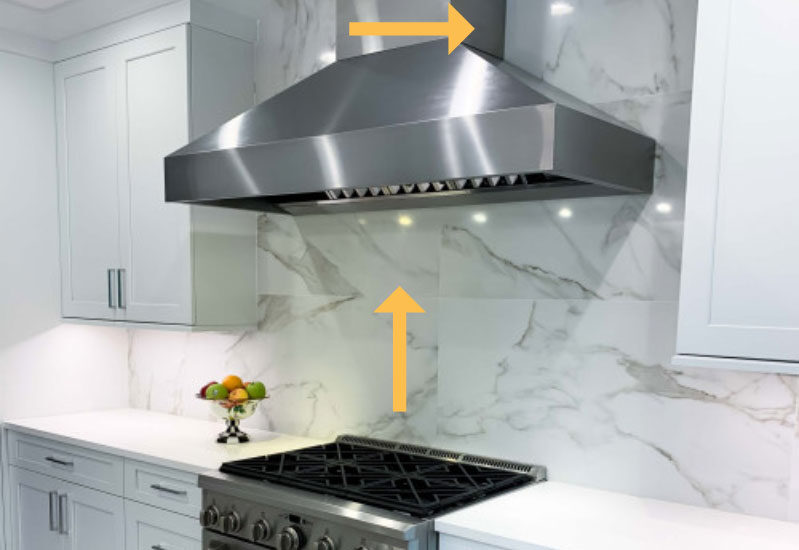
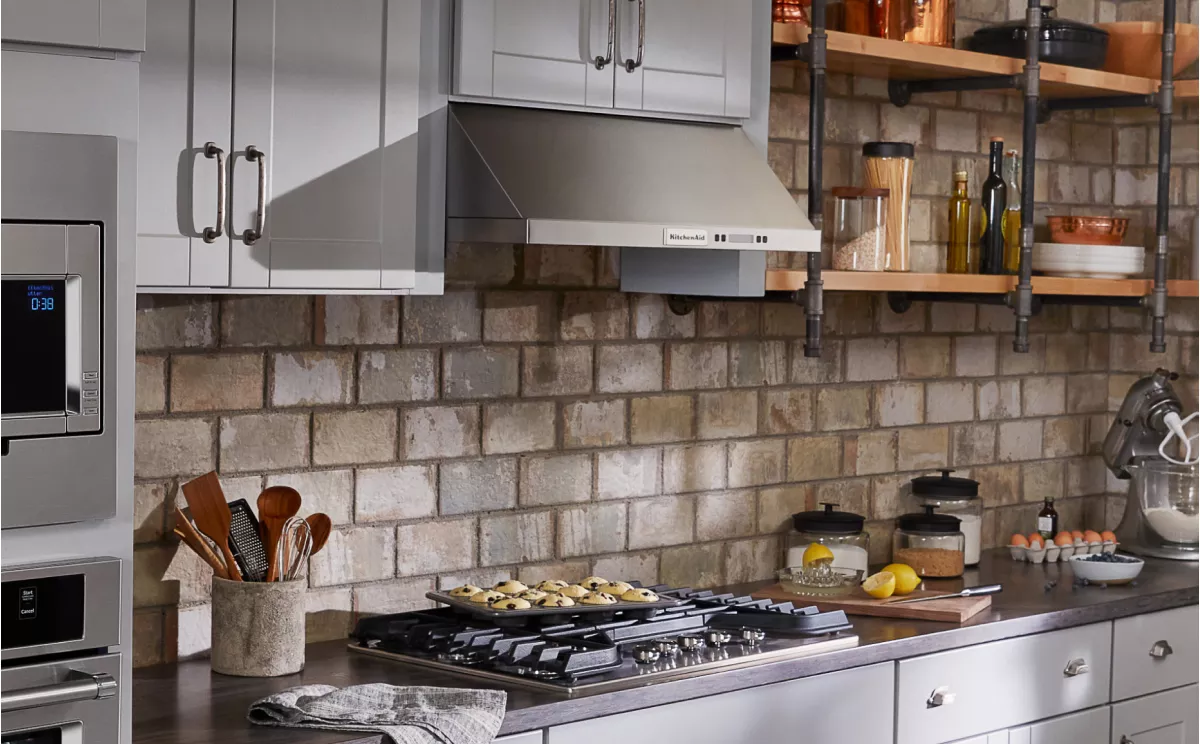
Range hoods are one of the most popular ways to ventilate ovens. They sit above the oven or stove and pull out smoke, steam, and odors directly from the cooking surface. Installing a range hood can drastically improve air quality and keep your kitchen smell-free.
There are two main types: ducted and ductless. Ducted hoods vent air outside, which is the most effective, while ductless hoods filter air through charcoal filters and recirculate it back. If your kitchen doesn’t allow external vents, a ductless hood still offers some relief.
Exhaust Fans
Exhaust fans are another practical option, especially if you have limited space. These fans can be installed in walls or ceilings near the oven to draw out hot air and fumes. They work quietly and cost less than full range hood systems.
Consider your kitchen’s layout when choosing exhaust fans. If positioned correctly, they reduce heat buildup and improve comfort during long cooking sessions. Have you noticed how a well-placed fan can change your cooking experience?
Ductless Ventilation Systems
Ductless systems are perfect for kitchens without access to external walls. These systems use filters to trap grease and odors before releasing clean air back into the room. Maintenance is simple but requires regular filter changes to stay effective.
They don’t remove heat or moisture as well as ducted options but can be a smart choice for apartments or rented spaces. Would you trade some airflow efficiency for an easy-to-install, no-duct setup?
Credit: blog.yaleappliance.com
Signs You Need Better Ventilation
Proper ventilation in your kitchen is crucial. It ensures a safe and comfortable cooking environment. Poor ventilation can cause several problems. Here are some signs you might need better kitchen ventilation.
Excess Heat And Smoke
Does your kitchen feel like a sauna while cooking? This is a common sign. Excess heat and smoke indicate ventilation issues. A good vent should remove heat and smoke efficiently. If your kitchen stays hot and smoky, check your ventilation system.
Lingering Odors
Do cooking smells linger in your kitchen for hours? This shouldn't happen. Proper ventilation should quickly remove food odors. Lingering smells suggest poor air circulation. A better vent system can help clear the air faster.
Condensation And Moisture
Notice moisture on your kitchen walls or windows? Excess condensation is a red flag. It means your kitchen isn't ventilating moisture well. Persistent moisture can lead to mold growth. Ensuring adequate ventilation can help keep your kitchen dry and safe.
Installation Tips For Safe Ventilation
Safe ventilation is vital for kitchen ovens to work well and keep your home safe. Proper installation reduces risks from smoke, heat, and gases. Follow these tips to ensure your kitchen oven has effective ventilation.
Proper Placement
Place the oven near an exterior wall for easier venting. Avoid spots close to cabinets or flammable materials. The vent should lead outside, not into another room. Keep the vent pipe as short and straight as possible. This helps air flow better and reduces buildup of heat or fumes.
Regular Maintenance
Clean the vent and filters often to prevent blockages. Check for dust, grease, or debris that can reduce airflow. Inspect the vent pipe for cracks or leaks yearly. Replace damaged parts immediately to keep ventilation safe. Regular checks improve oven performance and air quality.
Compliance With Codes
Follow local building codes and manufacturer instructions strictly. Use approved vent materials and proper vent sizes. Obtain any necessary permits before installation. Proper compliance ensures safety and avoids legal issues. Consult professionals if unsure about regulations or installation details.
Common Ventilation Mistakes To Avoid
Proper ventilation is essential for kitchen ovens. Poor ventilation causes heat buildup and smoke. It also increases fire risk and damages appliances. Avoiding common mistakes keeps your kitchen safe and your oven working well.
Blocked Vents
Blocked vents stop air from flowing. Dust, grease, or debris often cause blockages. Blocked vents trap heat and smoke inside. This can damage your oven and walls. Check vents regularly and clean them to keep air moving.
Insufficient Airflow
Ovens need enough air to work properly. Poor airflow makes ovens overheat and use more energy. Make sure vents are not covered by furniture or curtains. Use fans or exhaust systems to improve airflow in tight spaces.
Ignoring Manufacturer Guidelines
Each oven has specific ventilation needs. Manufacturer guidelines explain how to install vents correctly. Ignoring these rules can cause poor ventilation and void warranties. Always read and follow the instructions carefully for safe operation.
Energy Efficiency And Ventilation
Energy efficiency and ventilation in kitchen ovens are closely linked. Ventilation helps remove heat, smoke, and odors, but it can also affect your home's energy use. Proper ventilation keeps your kitchen comfortable and safe. Yet, too much ventilation might waste energy by letting warm air escape. Finding the right balance is key to saving energy and maintaining good air quality.
Balancing Ventilation And Energy Use
Good ventilation removes unwanted heat and air pollutants. But, it can also cause energy loss if not managed well. Kitchens need fresh air without losing too much warm or cool air.
Use ventilation systems that control airflow. Systems with adjustable fans let you use only the air you need. Close vents or reduce fan speed when cooking less.
Sealing gaps around windows and doors helps keep warm or cool air inside. This reduces the work your heating or cooling system must do.
Choosing Energy-efficient Systems
Look for ventilation systems designed to save energy. Many models have energy star ratings or similar certifications. These systems use less electricity and work quietly.
- Recirculating range hoods filter and reuse air, saving energy.
- Heat recovery ventilators exchange air while keeping heat inside.
- Variable speed fans adjust power based on cooking needs.
Energy-efficient ventilation can reduce your bills and help the environment. Choose systems that fit your kitchen size and cooking habits. Proper installation and regular maintenance improve system performance.
Credit: www.kitchenaid.com
Frequently Asked Questions
Do Kitchen Ovens Require Ventilation?
Yes, kitchen ovens need proper ventilation to remove heat, smoke, and odors. Ventilation improves air quality and safety.
What Happens Without Oven Ventilation?
Without ventilation, smoke and odors accumulate. This can cause discomfort, poor air quality, and potential fire hazards.
How To Ventilate A Kitchen Oven?
Use an exhaust hood or vent fan above the oven. These systems effectively remove heat, steam, and fumes.
Is Ventilation Mandatory For Electric Ovens?
While electric ovens produce less smoke, ventilation is still recommended to manage heat and odors efficiently.
Conclusion
Proper kitchen oven ventilation keeps air fresh and safe. It removes smoke, heat, and odors effectively. Good airflow helps prevent moisture buildup and mold. Ventilation also protects your walls and ceilings from damage. Installing vents or hoods improves cooking comfort.
It creates a healthier space for you and your family. Remember, a well-ventilated kitchen makes cooking more enjoyable. Don't overlook the importance of proper oven ventilation. It’s a simple step with big benefits.