

Have you ever stopped to think about what’s lurking on your kitchen sponge? You use it every day to clean dishes, wipe counters, and tackle spills.
But what if your trusty sponge is actually a hidden hotspot for harmful bacteria? Knowing the truth about kitchen sponges can protect your health and keep your home safer. Keep reading to discover why your sponge might be a bigger problem than you think—and how you can fix it.
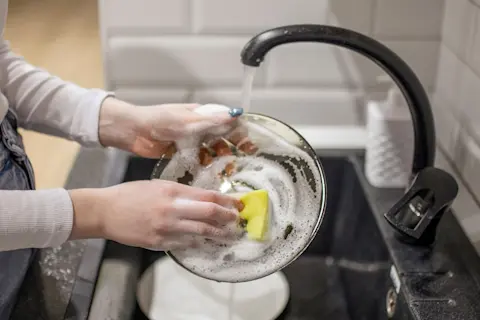
Credit: www.discovermagazine.com
Bacteria In Kitchen Sponges
Kitchen sponges are a staple in every household, yet they often become a hotspot for bacteria. Their constant exposure to food particles, moisture, and warmth creates the perfect environment for germs to thrive. Understanding why these sponges attract bacteria and what kinds of bacteria commonly live in them can help you keep your kitchen safer and cleaner.
Why Sponges Attract Germs
Sponges are porous and hold moisture for long periods, making them an ideal breeding ground for bacteria. Every time you use your sponge to clean, it picks up bits of food and organic matter that feed bacteria.
Think about the last time you left your sponge wet on the sink. That dampness combined with leftover food residue invites germs to multiply rapidly. It’s like giving bacteria a cozy home right in your kitchen.
Common Bacteria Found
Several types of bacteria commonly inhabit kitchen sponges. These include:
- E. coli:Often found due to contact with raw meat or unwashed vegetables.
- Salmonella:Can cause food poisoning and is picked up from contaminated food surfaces.
- Staphylococcus aureus:Comes from skin contact and can lead to infections.
- Campylobacter:Linked to raw poultry and can cause severe stomach issues.
Are you surprised that the very tool you use to clean your dishes can actually spread harmful bacteria? Regularly replacing or disinfecting your sponge can drastically reduce these risks and protect your family’s health.
Health Risks From Contaminated Sponges
Kitchen sponges often hold more germs than expected. They stay wet and dirty, creating a perfect place for bacteria to grow. Using these sponges can spread harmful microbes in your kitchen. This can lead to health problems if bacteria get into your food or onto surfaces you touch often.
Potential Illnesses
Bacteria in sponges can cause several illnesses. Common infections include stomach bugs, food poisoning, and skin infections. These illnesses happen because harmful bacteria like Salmonella and E. coli thrive on dirty sponges.
Eating food contaminated by these bacteria can cause:
- Diarrhea
- Vomiting
- Stomach cramps
- Fever
People with weak immune systems, children, and the elderly face higher risks. Simple kitchen habits can increase the chance of these bacteria spreading.
Cross-contamination Dangers
Sponges often transfer bacteria from one surface to another. For example, wiping a sponge on a cutting board after cleaning raw meat can spread germs to vegetables. This is cross-contamination.
Cross-contamination can happen through:
- Using the same sponge for different tasks
- Not cleaning sponges regularly
- Leaving sponges wet and dirty
These actions let bacteria move around the kitchen. This raises the chance of foodborne illnesses. Proper sponge care and changing sponges often reduce these dangers.
How To Detect Bacteria In Sponges
Kitchen sponges often hold many bacteria due to constant moisture and food residue. Testing involves using a microscope or simple swab tests to see bacterial growth. Regular cleaning helps reduce germs in sponges.
Detecting bacteria in kitchen sponges is crucial for health. Sponges can harbor harmful germs. Understanding how to identify bacteria helps keep kitchens safe. Let's explore ways to spot and test for contamination.
Signs Of Contamination
A smelly sponge is a red flag. Foul odors often mean bacterial growth. Discoloration is another warning. A sponge changing color may indicate germs. Slimy texture? That's a sign too. Bacteria can make sponges feel slippery.
Testing Methods
Visual inspection helps spot issues. Look for any unusual changes. Smell the sponge. A strong odor signals trouble. For a scientific approach, use a bacteria testing kit. These kits reveal germs present in sponges. Simply follow the instructions for accurate results.

Credit: abc7news.com
Effective Ways To Clean Sponges
Keeping your kitchen sponge clean is essential because it can easily become a breeding ground for bacteria. Regular cleaning not only extends the life of your sponge but also helps prevent the spread of germs in your kitchen. Here are some effective ways you can sanitize your sponges using tools you likely already have at home.
Microwave Method
Microwaving your sponge can kill most bacteria quickly and effectively. Make sure the sponge is wet before microwaving to avoid fire hazards. Heat the damp sponge on high for about one to two minutes, then let it cool before handling.
Have you noticed a strange smell after microwaving? It’s a sign to replace your sponge soon. Microwaving is great for regular maintenance but doesn’t replace the need for a fresh sponge now and then.
Dishwasher Cleaning
Your dishwasher can double as a sponge sanitizer. Place your sponge on the top rack and run it through a regular wash cycle with your dishes. The high temperature and detergent work together to kill bacteria and remove food particles.
This method is convenient if you already run your dishwasher daily. Just don’t mix heavily soiled sponges with delicate dishware to avoid cross-contamination.
Chemical Disinfectants
Using chemical disinfectants like bleach or vinegar solutions is another powerful way to clean sponges. Soak the sponge in a diluted bleach solution (about 3/4 cup bleach per gallon of water) for five minutes, then rinse thoroughly.
Vinegar can be used as a milder alternative by soaking the sponge in full-strength vinegar for five minutes. Remember to wear gloves and ensure proper ventilation when using strong chemicals.
Which cleaning method fits best into your kitchen routine? Trying different options can help you find a balance between convenience and hygiene that works for you.
Alternatives To Traditional Sponges
Traditional kitchen sponges often become a hotspot for bacteria, making it smart to consider other cleaning tools. Alternatives not only reduce bacterial buildup but can also last longer and clean more effectively. You might find a better fit for your kitchen routine among these options.
Silicone Scrubbers
Silicone scrubbers are gaining popularity because they don’t absorb water like sponges do. This makes them less likely to hold onto bacteria and odors. Plus, they dry quickly and can be sanitized easily in boiling water or the dishwasher.
If you’ve ever dealt with a sponge that smells bad after just a few days, silicone scrubbers could be a refreshing change. They also come in various textures, so you can choose one that’s gentle on delicate surfaces or tough on stuck-on grime.
Reusable Cloths
Reusable cloths, such as microfiber or cotton towels, offer a flexible alternative. They can be washed and reused dozens of times, cutting down on waste and germs. You might want to keep a few separate cloths for different tasks to avoid cross-contamination.
One simple habit that improved my kitchen hygiene was swapping out sponges for microfiber cloths. I just toss them in the laundry after each use, and they come out fresh and ready. It’s a small change with a big impact on cleanliness.
Natural Materials
Natural cleaning tools like cellulose sponges, loofahs, or coconut fiber scrubbers provide a biodegradable option. They tend to dry faster than synthetic sponges, which helps limit bacterial growth. These materials also bring a unique texture that can be surprisingly effective at scrubbing.
Have you tried a loofah for your dishes? It’s rough enough to remove stuck food but soft enough to avoid scratching. Plus, natural materials break down easily, making them a better choice if you want to keep your kitchen eco-friendly.
Best Practices For Sponge Maintenance
Keeping kitchen sponges clean helps reduce bacteria growth. Proper sponge care protects your health and keeps your kitchen safe. Follow simple habits to maintain sponges effectively.
Regular Replacement
Replace sponges often to avoid bacteria buildup. A sponge used daily should be replaced every one to two weeks. Old sponges trap germs that regular cleaning cannot remove. Frequent replacement ensures a cleaner kitchen environment.
Proper Drying Techniques
Dry sponges completely after use to prevent bacteria growth. Rinse sponges well, then squeeze out excess water. Leave sponges in a well-ventilated area to air dry. Avoid leaving sponges wet or in damp sinks overnight.
Storage Tips
Store sponges where air can circulate freely. Use a sponge holder that drains water away. Keep sponges off the sink bottom or countertop. Proper storage helps sponges dry faster and stay cleaner longer.

Credit: www.youtube.com
Frequently Asked Questions
Do Kitchen Sponges Really Harbor Bacteria?
Yes, kitchen sponges harbor bacteria due to constant moisture and food residue. This environment allows bacteria to multiply quickly, making sponges a hotspot for germs.
How Often Should You Replace Kitchen Sponges?
Replace kitchen sponges every one to two weeks. Frequent replacement helps prevent bacterial buildup and reduces the risk of cross-contamination in your kitchen.
Can Kitchen Sponges Be Sanitized Effectively?
Yes, kitchen sponges can be sanitized using microwave, dishwasher, or bleach methods. However, these methods only reduce bacteria temporarily and do not eliminate all germs.
What Are Safer Alternatives To Kitchen Sponges?
Safer alternatives include dishcloths, silicone scrubbers, or brushes. These options dry faster and harbor fewer bacteria, making them more hygienic for kitchen use.
Conclusion
Kitchen sponges can hold many bacteria. They stay wet and warm, which helps germs grow. Clean your sponge often to keep it safe. Replace old sponges every week or two. Using a clean sponge helps stop bacteria spread. Simple habits protect your health and your home.
Keep your kitchen fresh and germ-free with these tips. Small efforts make a big difference in hygiene.