
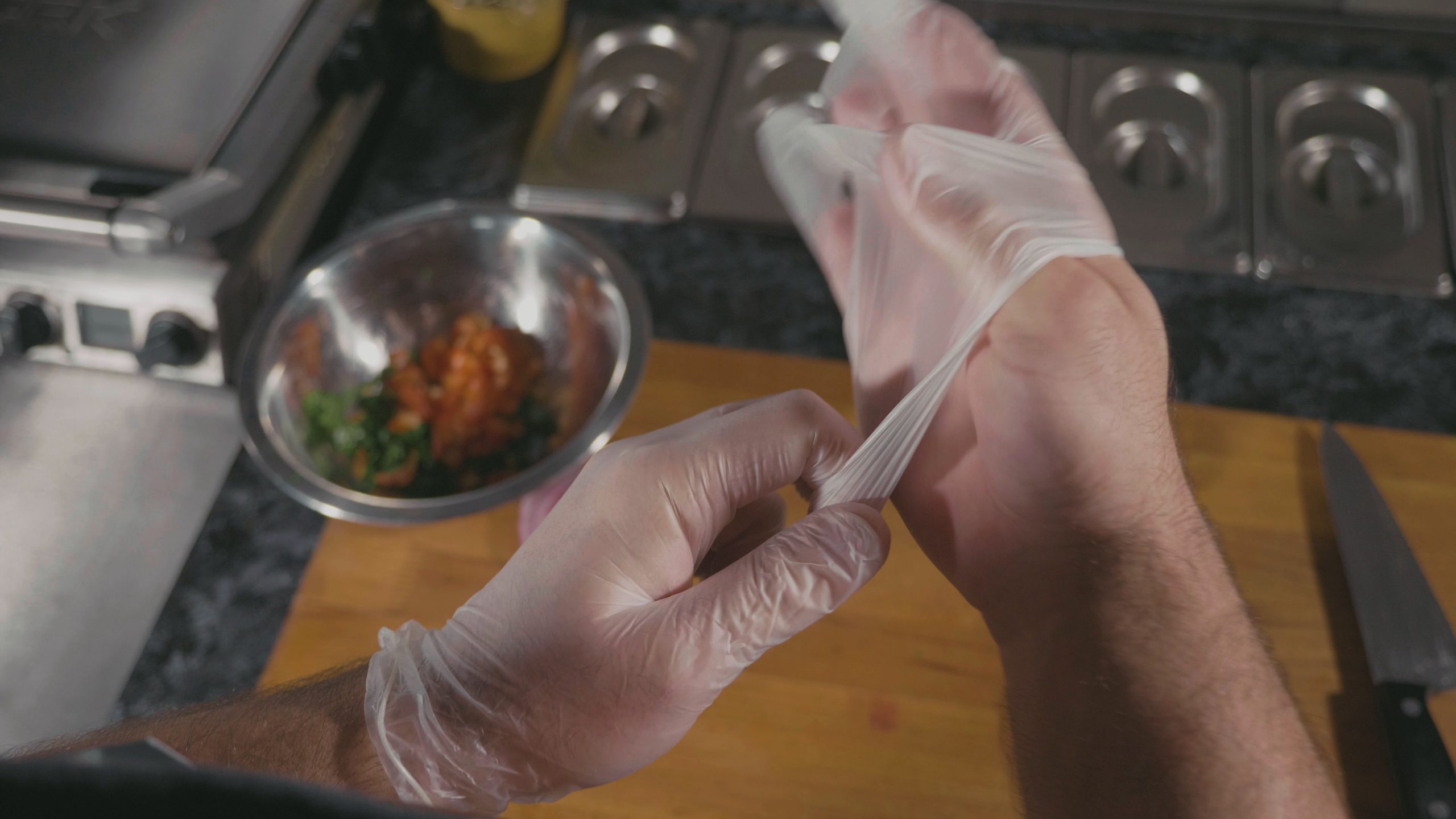
Do you really need to wear gloves in a kitchen? If you’ve ever wondered whether gloves are just extra fuss or an important part of food safety, you’re not alone.
What you do with your hands while cooking can make a big difference in keeping food clean and preventing illness. You’ll discover when gloves are a must, when they might actually cause problems, and how to make smart choices that protect both you and everyone who eats your food.
Keep reading—your hands might just hold the key to safer, healthier meals.
Glove Use In Kitchens
Understanding when to wear gloves in a kitchen can save you from common food safety mistakes. Gloves are not just about hygiene; they also protect food from contamination and your hands from harsh ingredients. But do you really need them all the time? Let’s break down when glove use is necessary and when it might not be required.
When Gloves Are Needed
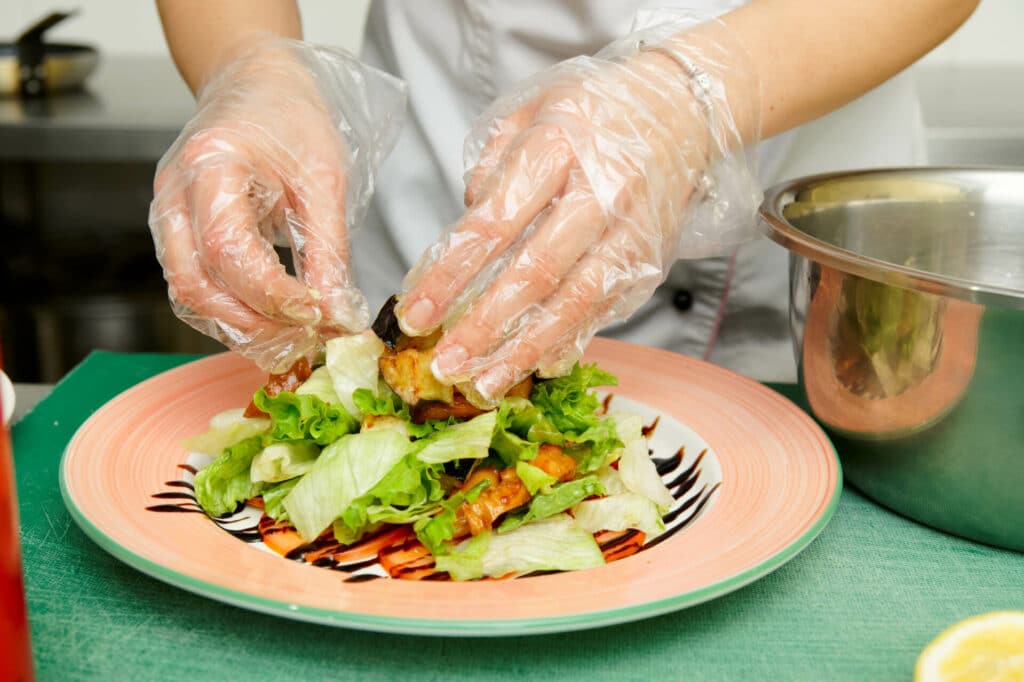
Gloves are essential when handling ready-to-eat foods like salads, sandwiches, or cooked meals. You don’t want germs from your hands to transfer directly to these items.
Also, gloves must be worn when you have cuts or sores on your hands. This prevents bacteria from entering the food and protects your wound from exposure.
Another critical time to wear gloves is when switching between handling raw and cooked foods. This avoids cross-contamination, which can cause foodborne illnesses.
- Preparing deli meats or cheeses
- Handling fresh produce that won’t be cooked
- Dealing with food for people with weakened immune systems
Situations That Don’t Require Gloves
You don’t always have to wear gloves if you wash your hands thoroughly and frequently. For example, when stirring hot soup or flipping burgers on a grill, clean hands are often enough.
Using utensils like tongs or spoons can reduce the need for gloves. These tools act as a barrier between your hands and the food.
Think about whether gloves might give a false sense of security. Changing gloves only once per task isn’t enough; dirty gloves can spread germs just like dirty hands.
- Handling packaged foods without direct contact
- Cleaning kitchen surfaces (unless handling chemicals)
- Cooking tasks where food is exposed to high heat
Have you ever noticed how some chefs prefer bare hands for better control and precision? This works well only if hand hygiene is a priority. So, ask yourself: are you relying on gloves or clean hands to keep your kitchen safe?
Hand Hygiene Basics
Maintaining hand hygiene is the cornerstone of food safety in any kitchen. Gloves can provide a barrier, but nothing replaces clean hands. Understanding how to properly wash and sanitize your hands ensures you protect yourself and others from harmful germs every time you handle food.
Proper Handwashing Techniques
Effective handwashing requires more than just a quick rinse. Wet your hands with clean, running water and apply enough soap to cover all surfaces.
- Rub your hands palm to palm to create a lather.
- Scrub the backs of your hands, between your fingers, and under your nails.
- Continue scrubbing for at least 20 seconds—try singing “Happy Birthday” twice to time it right.
- Rinse thoroughly under running water to remove all soap and dirt.
- Dry your hands completely with a clean towel or air dryer.
Have you ever noticed how many germs hide under your nails? That’s why scrubbing every part of your hands is crucial.
Sanitizing Hands Effectively
Sometimes, soap and water aren't available, but hand sanitizers can step in. Use a sanitizer with at least 60% alcohol content for best results.
- Apply enough sanitizer to cover all surfaces of your hands and fingers.
- Rub your hands together until they feel dry—don’t wipe or rinse them off.
- Remember, sanitizer works best on clean hands, so use it after washing.
Do you trust hand sanitizer to replace handwashing, or do you see it as just a backup? Understanding its limits helps you stay safer in the kitchen.
Risks Of Wearing Gloves
Wearing gloves in the kitchen seems like a good way to keep food safe. Yet, gloves can bring risks that many do not expect. These risks can lead to food contamination and health problems.
Cross-contamination Concerns
Gloves can carry germs from one surface to another. If you touch raw meat and then use gloves to handle vegetables, you spread bacteria. Changing gloves often is important but sometimes ignored. Germs can hide under gloves or on hands before putting them on. This makes gloves a risk, not a help.
False Sense Of Security
Wearing gloves can make people less careful with hand washing. Some think gloves stop all germs, so they skip cleaning hands. This is a mistake. Gloves can tear or get dirty quickly. Without proper hygiene, gloves give a false sense of safety. This can increase the chance of food contamination.
Credit: tabcpronto.com
Choosing The Right Gloves
Gloves can help keep food safe and hands clean in a kitchen. Choosing the right gloves depends on comfort and the tasks you do. Some kitchens require gloves, while others focus more on frequent hand washing.
Choosing the right gloves for kitchen use is crucial for maintaining hygiene and ensuring safety. It’s not just about protecting your hands, but also about keeping the food you prepare safe from contamination. The right pair of gloves can make your cooking experience more comfortable and efficient.
Types Of Gloves For Kitchen Use
Different types of gloves serve various purposes in the kitchen. Disposable gloves are popular for tasks that require frequent changing, such as handling raw meat. Reusable gloves, often made from durable materials, are great for washing dishes or cleaning up. Temperature-resistant gloves come in handy when dealing with hot pans or ovens. Cut-resistant gloves are essential if you're often chopping or slicing. Each type of glove has its specific use, so consider your kitchen tasks before choosing.
Material Safety And Comfort
The material of the gloves significantly impacts their safety and comfort. Latex gloves are commonly used, but some people may be allergic to latex. Nitrile gloves offer a good alternative as they are hypoallergenic and provide excellent dexterity. Vinyl gloves are another option, especially for those with latex sensitivities, although they might not be as durable as nitrile. Comfort is equally important—gloves that are too tight can cause discomfort, while those too loose may reduce your grip and control. Have you ever found yourself struggling to peel vegetables because your gloves were too slippery? Choosing the right material can prevent such frustrations and enhance your cooking experience.
Best Practices For Glove Use
Wearing gloves in the kitchen helps keep food safe and clean. Using gloves properly is key to avoiding contamination. Following best practices ensures gloves protect both food and hands. This section covers important tips for glove use in kitchens.
When To Change Gloves
Change gloves often to prevent spreading germs. Change gloves:
- Before starting a new task
- After handling raw meat, fish, or poultry
- When gloves get torn or dirty
- After touching your face, hair, or phone
- Between handling different food types
Changing gloves regularly stops cross-contamination. Always use fresh gloves for each new food task.
Avoiding Common Mistakes
Wearing gloves does not replace handwashing. Wash hands before putting on gloves. Avoid touching non-food items while wearing gloves.
- Do not reuse disposable gloves
- Use the right glove size for comfort
- Remove gloves carefully to avoid skin contact
- Never wear gloves with cuts or wounds on hands
- Do not touch garbage or dirty surfaces with gloves
Following these rules keeps gloves effective and food safe. Proper glove use protects everyone in the kitchen.
Credit: www.performancefoodservice.com
Alternatives To Gloves
Wearing gloves in the kitchen is not the only way to keep food safe. Many chefs use other methods to avoid contamination. These alternatives help maintain hygiene and protect food from germs. They also reduce waste from disposable gloves. Let’s explore some effective ways to stay clean without gloves.
Using Utensils And Tools
Utensils and tools reduce direct contact with food. Use tongs, spoons, and spatulas for handling ingredients. This keeps hands away from ready-to-eat food. Knives and peelers also prevent touching surfaces that food will touch later.
- Use clean utensils for each food type.
- Change tools often to avoid cross-contamination.
- Wash and sanitize tools after use.
- Use separate cutting boards for different foods.
Tools help keep hands clean and food safe during prep. They are simple but effective alternatives to gloves.
Maintaining Clean Work Surfaces
Clean work surfaces prevent bacteria from spreading to food. Wipe counters often with disinfectant. Use separate areas for raw and cooked foods. This stops germs from mixing.
- Sanitize surfaces before and after food prep.
- Use clean towels or disposable wipes.
- Keep cutting boards clean and dry.
- Organize workspace to avoid clutter.
Clean work areas lower the chance of contamination. This practice supports safe food handling without gloves.

Credit: www.wellandgood.com
Frequently Asked Questions
Do Kitchen Workers Always Need To Wear Gloves?
No, kitchen workers don’t always need gloves. Proper handwashing often suffices. Gloves are essential when handling ready-to-eat food or raw meat to prevent cross-contamination.
Can Gloves Replace Proper Hand Hygiene In Kitchens?
No, gloves cannot replace proper hand hygiene. Hands must be washed thoroughly before and after glove use. Gloves can have tiny holes or contamination, so hygiene remains crucial.
When Is It Mandatory To Wear Gloves In A Kitchen?
Wearing gloves is mandatory when handling ready-to-eat foods or open wounds. Some health codes require gloves in food service to avoid contamination and ensure customer safety.
Are Gloves Necessary For Cooking Hot Food?
Gloves are not required for cooking hot food but may be used for hygiene. Heat-resistant gloves are for protection against burns, not food safety.
Conclusion
Wearing gloves in the kitchen depends on the task you do. Gloves can help keep food clean and protect your hands. But good handwashing is often enough to stay safe. Using gloves the right way matters most. Dirty gloves can spread germs too.
Always follow your kitchen’s rules and food safety tips. Clean hands and clean tools keep food safe. Stay careful, and your kitchen will stay healthy and safe. Simple habits make a big difference every day.